

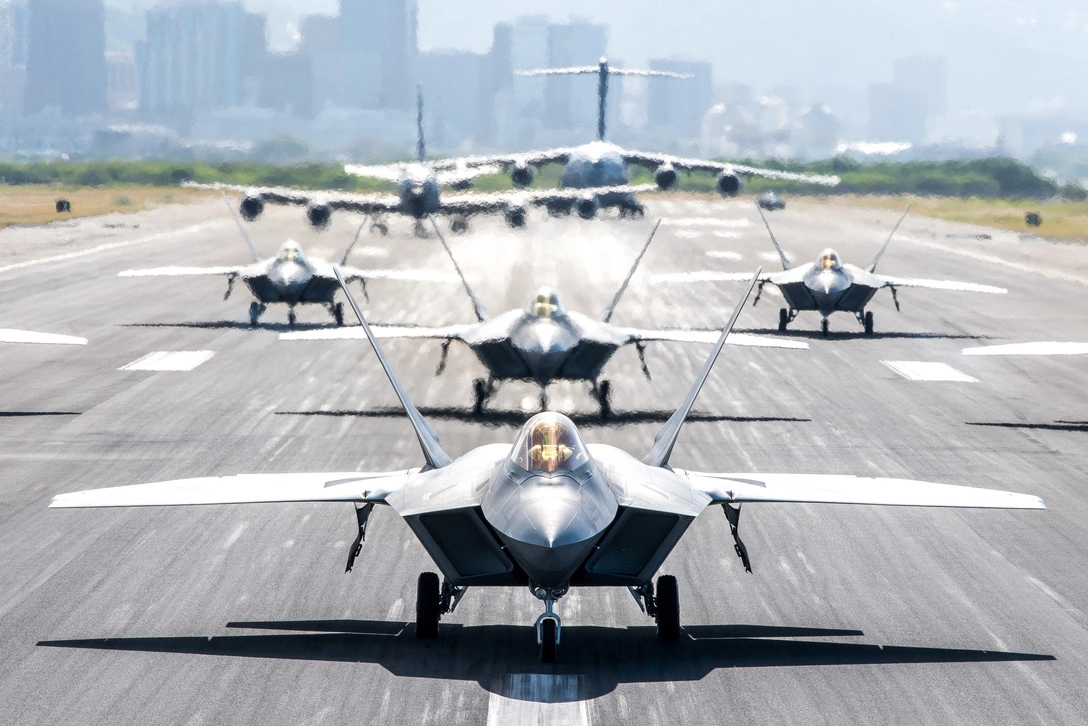
RAF FAIRFORD- Around 10 F-22 Raptors that had been stationed in the Middle East arrived at RAF Fairford (FFD) on July 10, the latest batch of U.S. warplanes to leave the region despite ongoing tensions with Iran.
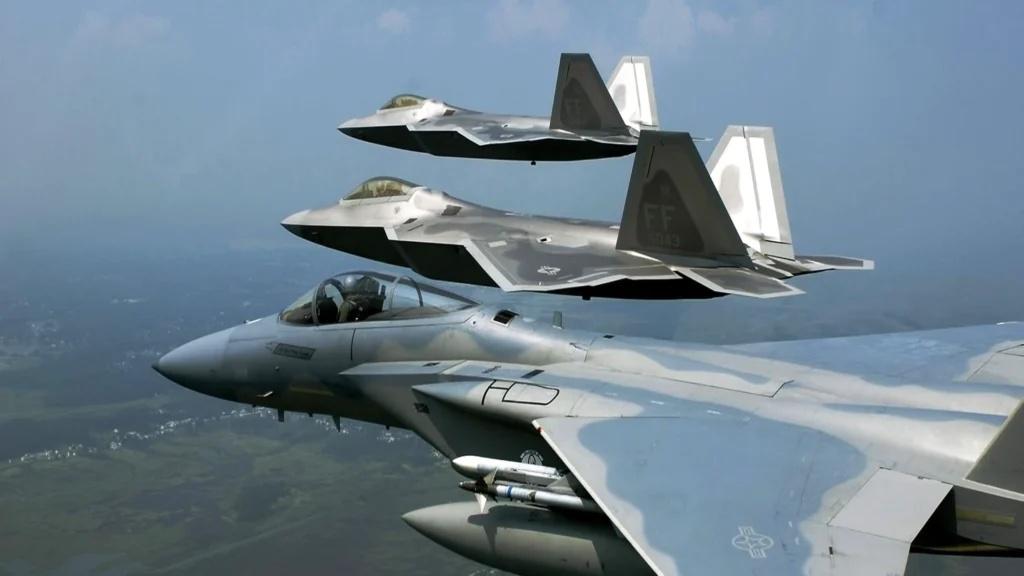
The jets, assigned to the 1st Fighter Wing at Joint Base Langley-Eustis (LFI) in Virginia, followed other American aircraft home as the Trump administration enters a new phase of its policy toward Iran. Flight trackers logged their arrival, and local aircraft spotters photographed the fighters on the ground.
US Pulls F-22 Fighters Back From the Iran Front
The Raptor movement is part of a wider withdrawal of American airpower from the Middle East. Air & Space Forces Magazine reported that several units have now rotated out of the theater as large-scale operations wind down.
Earlier in July, around a dozen F-15E Strike Eagles from the 48th Fighter Wing at RAF Lakenheath (LKZ) returned home after their deployment.
Around the same time, six B-52 Stratofortress bombers departed RAF Fairford, where they had been staged to launch missions against Iran. Two dozen B-1B Lancers remain at Fairford.
In June, roughly a dozen A-10 Thunderbolt II attack aircraft from the 23rd Wing at Moody Air Force Base (VAD) in Georgia passed through Lakenheath, according to local spotters and aviation trackers.
Combat Record Marked on the Aircraft
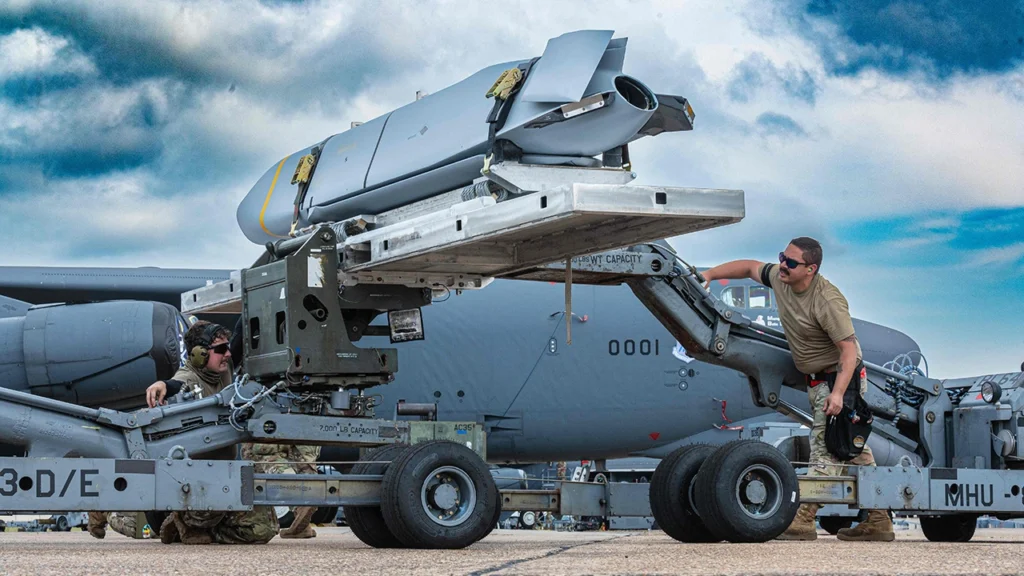
The F-15Es and A-10s carried kill markings that indicated the aircraft had flown numerous missions during the conflict. The B-52s also took part in bombing missions against Iranian targets.
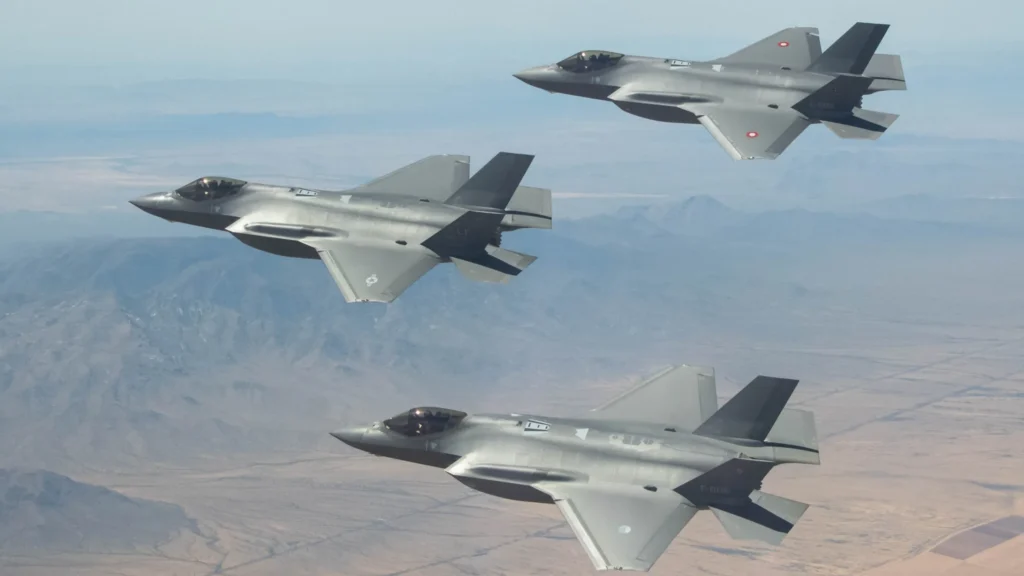
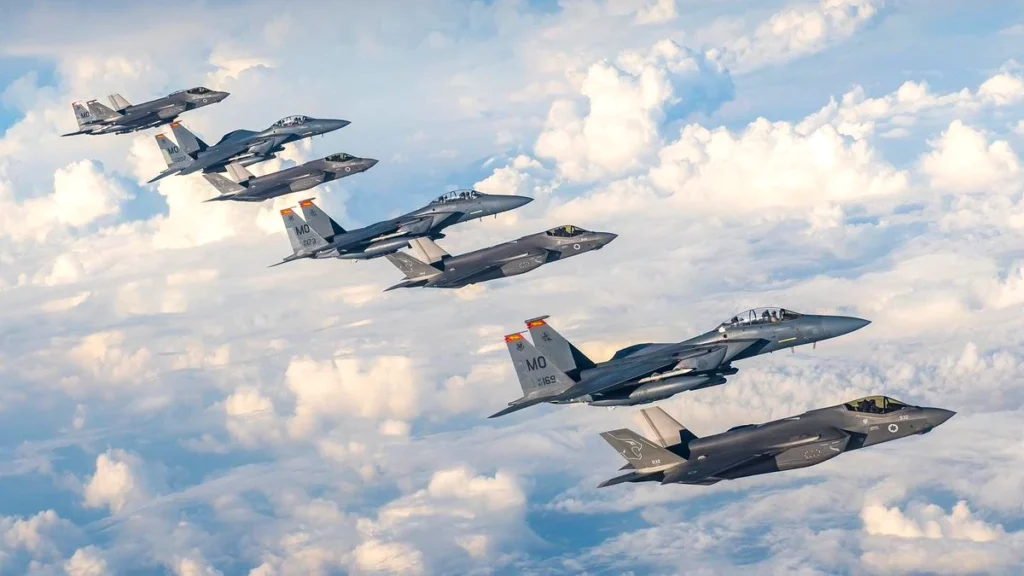
American combat aircraft that have operated against Iran include the F-22, F-16, F-15E, F-35, and A-10. The scale of the air effort placed a heavy operational load on units drawn from bases in both the United States and the United Kingdom.
Sizable US Presence Still Remains
A large number of USAF fighters stay in the region, supported by Navy fighters flying from the aircraft carrier USS George H.W. Bush.
A typical fighter squadron deployment runs six months, and it remains unclear whether the units that have now left will be replaced.
https://commons.wikimedia.org/wiki/File:US_Danish_Dutch_F-35A.jpg
Shifting US Strategy Toward Iran
The drawdown tracks a series of policy shifts across 2026. On Feb. 28, the U.S. joined Israel in intensive airstrikes on Iran’s missile force and other military targets under Operation Epic Fury.
In early April, Washington moved to a naval blockade on Iranian oil shipments to cut off the Iranian government’s main source of revenue.
In mid-June, the U.S. and Iran signed a memorandum of understanding to reopen the Strait of Hormuz toll-free for 60 days and set the stage for talks on Iran’s nuclear program.
Fragile Ceasefire Under Strain
Minor hostilities continue as the two sides differ over how to read the memorandum, with Iran claiming it grants the right to manage shipping through the corridor. After Iran attacked several tankers near Oman this week, the U.S. struck more than 170 targets.
Trump said on social media on July 10 that the tenuous ceasefire is now “over.” His aides, however, say Washington remains open to ending hostilities. “The United States is still committed to finding a resolution, and technical talks continue,” a U.S. official said in a July 9 statement.
For now, the White House appears to have little interest in resuming large-scale operations, allowing the B-52s and fighters to return to the United States.
Stay tuned with us. Further, follow us on social media for the latest updates.
Join us on Telegram Group for the Latest Aviation Updates. Subsequently, follow us on Google News
