

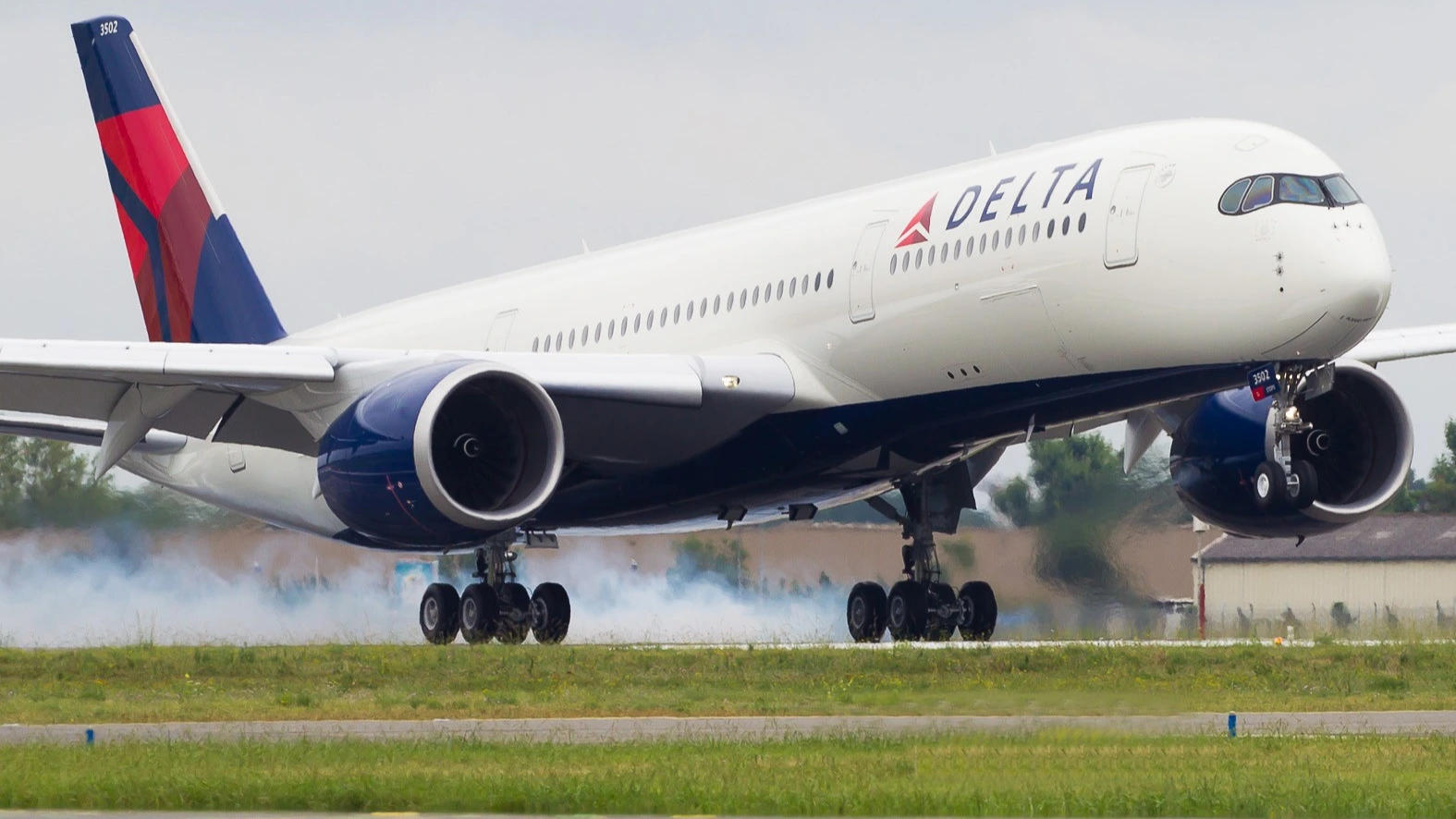
ATLANTA- Delta Air Lines (DL) is roughly 3 months from launching its first nonstop service to Saudi Arabia, linking Atlanta (ATL) with Riyadh (RUH) from October 23, 2026. Seat maps for the opening departures show almost no assigned passengers.
The carrier announced the route in late 2025 alongside a commercial partnership with Riyadh Air (RX), the Public Investment Fund-backed startup based at Riyadh. Weak early booking signals now raise a direct question about whether the launch date holds.
Early Seat Maps Point to Very Weak Demand
Forward load factors are not public, so seat maps remain the only advance indicator available to outside observers. They are not a precise measure, but they carry more weight on Delta long-haul flights, where most seat assignments are free at the time of booking rather than paid.
OMAAT reviewed the seat maps for the first 8 operating days after the inaugural and counted a combined total of 8 assigned seats across all of them.
The breakdown showed 5 occupied seats on October 24, one on October 25, two on October 28, and zero on October 26, October 27, October 29, October 30, and November 1. The route does not operate on October 31.
That works out to an average of one assigned seat per departure. The October 23 inaugural was excluded from the count, since launch flights normally carry media guests and airline staff.
The publication also noted that even a tenfold increase in bookings across the remaining 90 days would leave the cabins close to empty, and described the route as the emptiest it had seen in years of reviewing seat maps.
The number of booked passengers is almost certainly higher than the number of assigned seats, because some travellers skip seat selection entirely. Even so, the gap between assigned seats and a commercially viable load is unusually wide at this stage.
What Delta Has Said About Advance Bookings
The booking benchmark entered public discussion after a reader flagged a post by the aviation analyst Enilria. Delta executives have stated that the carrier’s long haul network typically runs at 50% to 60% booked 90 days before departure.
The Atlanta to Riyadh launch is now entering that same 90-day window. Applied to a 275-seat aircraft, the benchmark implies roughly 140 to 165 seats sold per flight. The current seat map picture sits far below that range, even allowing for passengers who have not selected seats.
New long haul markets normally take time to build. Airlines plan for below average performance in the first season and expect corporate contracts, connecting traffic, and brand awareness to develop over several quarters. The current numbers sit outside that normal ramp up pattern.
Why Delta Picked Riyadh
Delta chief executive Ed Bastian recently described Saudi Arabia as one of his favourite places he has visited in a very long time.
The airline has framed the route as a step in its global growth and as a link supporting business and investment flows between the United States and the Kingdom.
The tie up with Riyadh Air gives Delta codeshare reach across the Middle East, Asia, and Africa. Delta also markets Atlanta as a gateway offering one stop connections from Riyadh to more than 150 United States cities.
Saudi Arabia separately runs the Air Connectivity Program, a state backed scheme that pays foreign carriers to add flights into Riyadh and other Saudi airports.
Industry observers assume Delta is drawing support under that programme, though the airline has not disclosed the terms or confirmed its participation.
Route Details Already Loaded Into Schedules
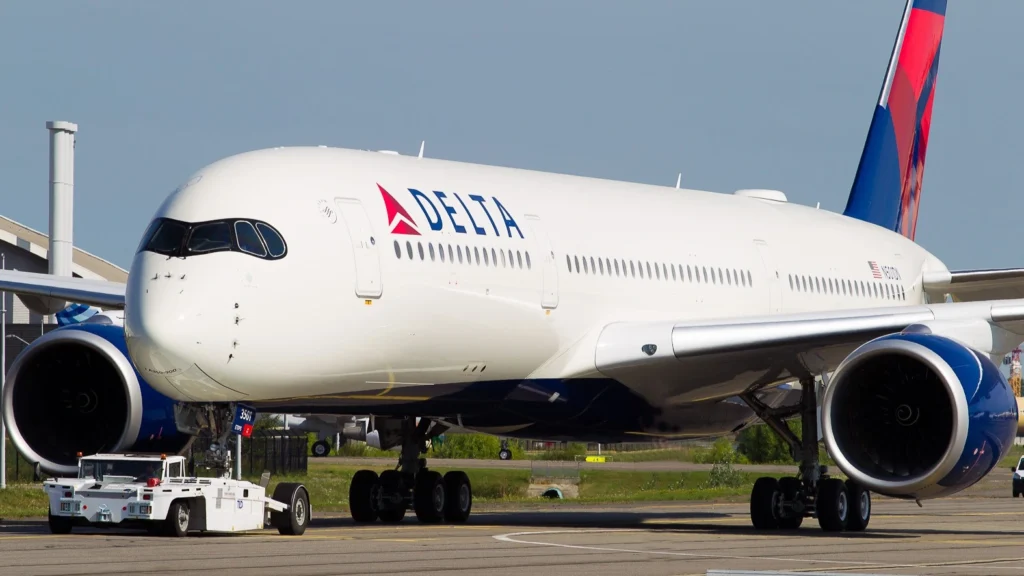
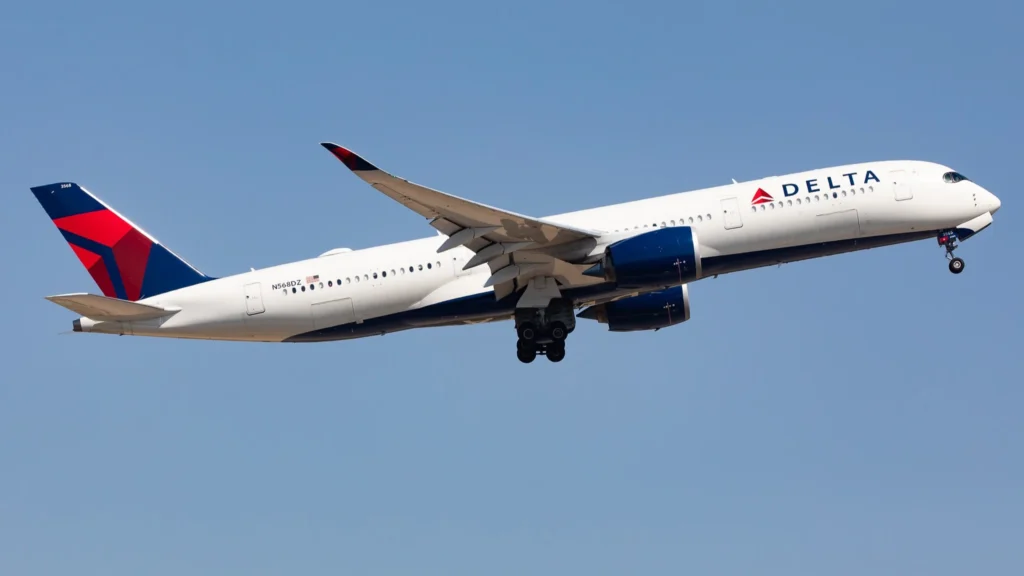
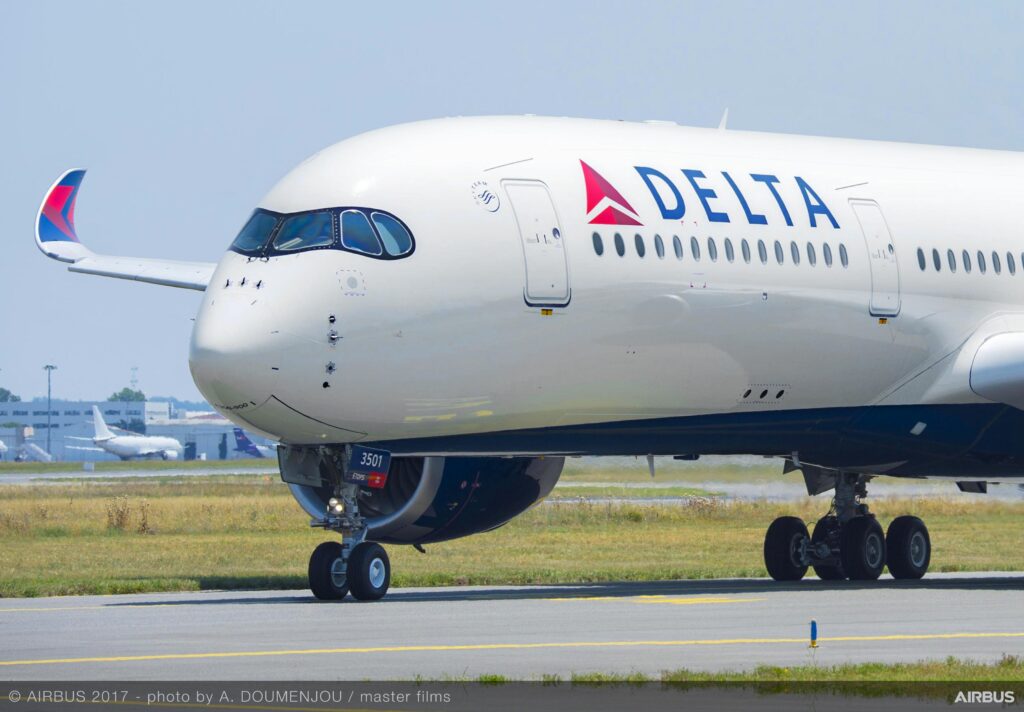
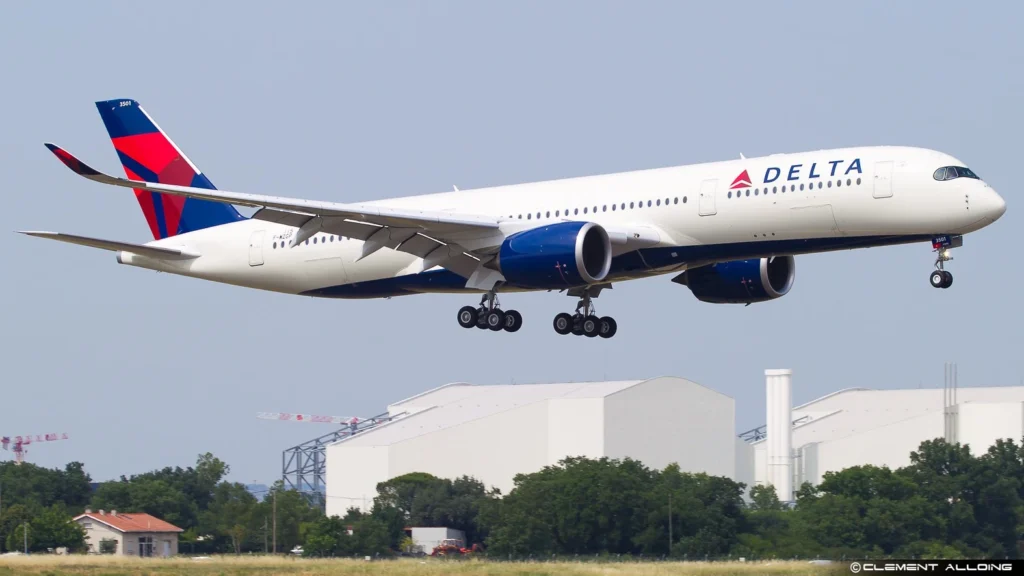
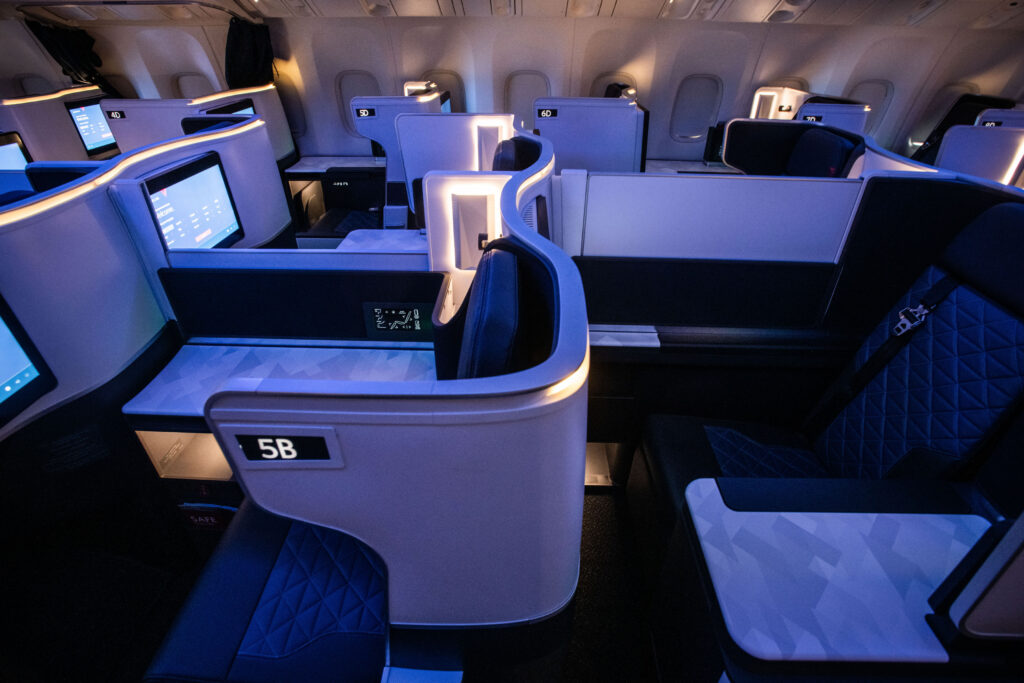
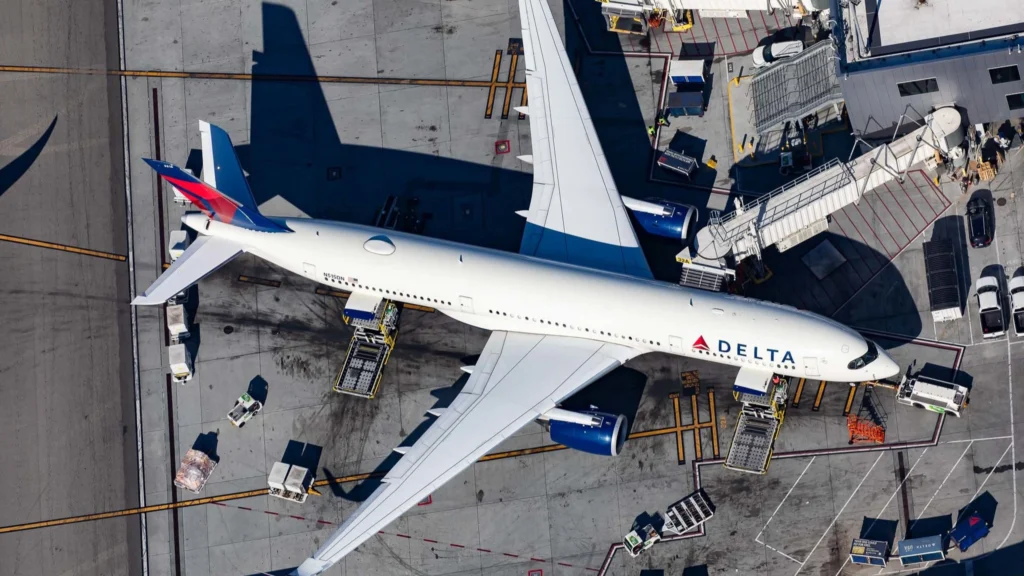
Delta will operate the service with an Airbus A350-900 configured with 275 seats, including 40 Delta One suites and 40 Delta Premium Select seats. The 7,283 mile sector ranks among the longest in the Delta network.
DL318 departs Atlanta at 10:30 PM and arrives in Riyadh at 7:35 PM the following day, blocked at 13 hours and 5 minutes.
The return, DL317, leaves Riyadh at 11:30 PM and reaches Atlanta at 7:05 AM the next morning, blocked at 15 hours and 35 minutes.
The service runs daily for the first week from October 23, then drops to three times weekly on a year round basis. Tickets have been on sale since December 2025.
Operating Costs Against Subsidy Support
A 13 to 15 hour widebody rotation carries heavy fixed costs. Fuel burn, crew pay, maintenance reserves, and aircraft ownership costs apply whether the cabin is full or empty, and Delta operates with some of the highest labour costs in the United States industry.
On the current booking picture, analysts see no realistic path to the route covering its own costs in the opening weeks.
Subsidy payments can absorb a shortfall on a lightly booked route. Covering the full cost of a near empty widebody operating three times a week is a far larger commitment, and the size of any Saudi support has not been made public.
Regional Conditions and Traffic Flows
Unrest across parts of the Middle East has affected demand and routings in the region. Riyadh sits farther from Iran than Doha (DOH) or Dubai (DXB), which places it under less direct operational pressure than those hubs.
That geography could work in Delta’s favour. Travellers heading to or from Saudi Arabia who prefer to avoid connections through airports closer to Iranian airspace have a reason to book a nonstop into Riyadh. So far, that shift has not appeared in the seat map data.
What Happens Next
Delta has not signalled any change to the October 23 start date. The route remains loaded in schedules, the aircraft assignment is confirmed, and seats are on sale.
Carriers do delay or trim new long haul routes when forward bookings underperform, often cutting frequencies or pushing the launch into a stronger season. Whether Delta takes that step depends on how much of the operating cost any Saudi support absorbs.
The next 90 days will show whether late demand materialises or whether the opening flights operate close to empty.
Stay tuned with us. Further, follow us on social media for the latest updates.
Join us on Telegram Group for the Latest Aviation Updates. Subsequently, follow us on Google News
