

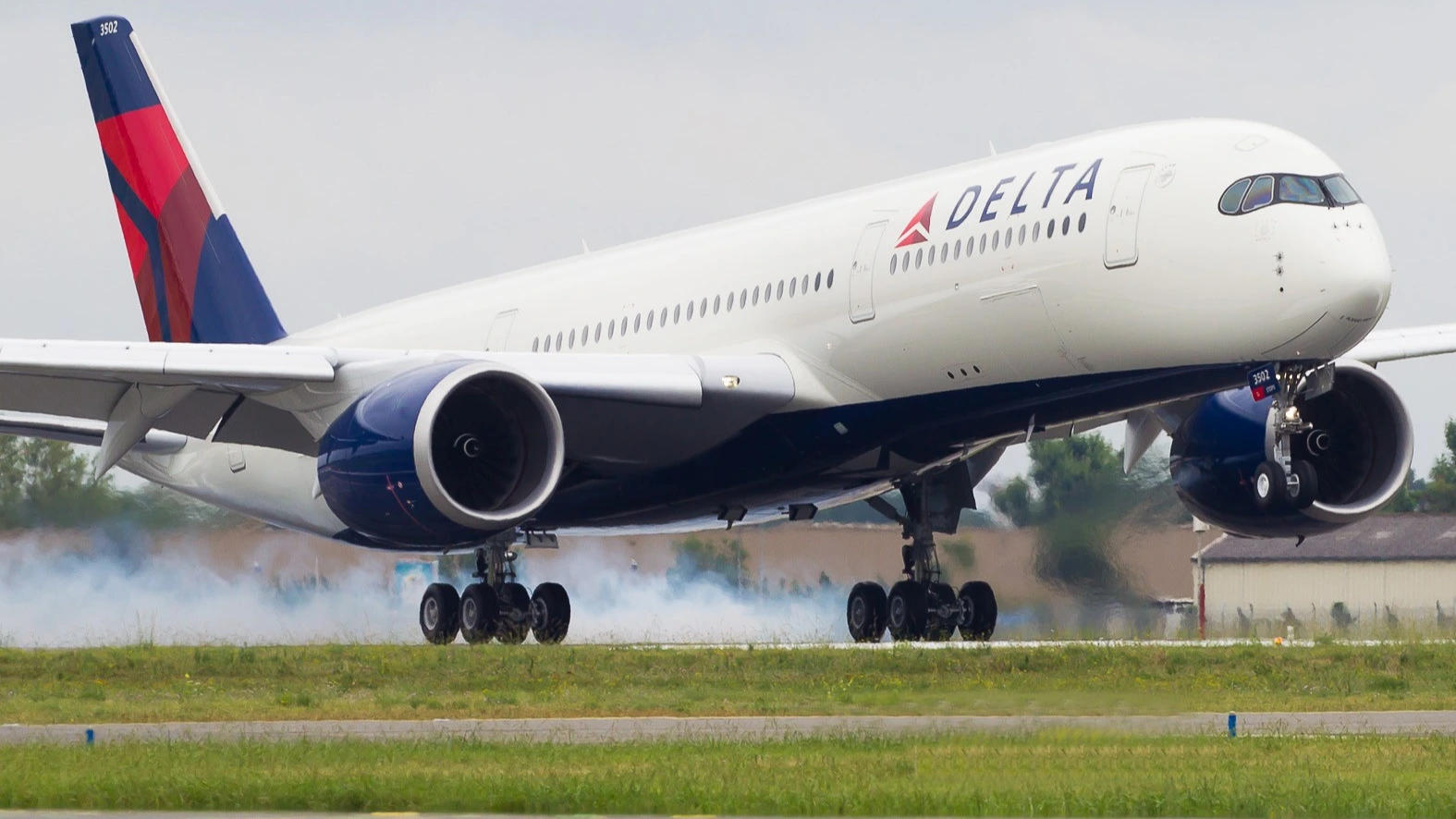
ATLANTA- Delta Air Lines (DL) cancelled a long-haul service from Tokyo Haneda (HND) to Minneapolis-St. Paul (MSP) late in the evening after passengers spent roughly 5.5 hours aboard an Airbus A350 that never left the ground. The cancellation came at 11 p.m. local time, once a technical fault ruled out departure within the crew’s remaining duty limits.
The disruption drew wider attention after a passenger posted a video on Friday, July 10, capturing the cabin announcement about hotel accommodation. Delta told passengers it had not secured enough hotel rooms at Tokyo (HND) for everyone on board, and that priority would go to customers with a health concern or a family travelling with a baby.
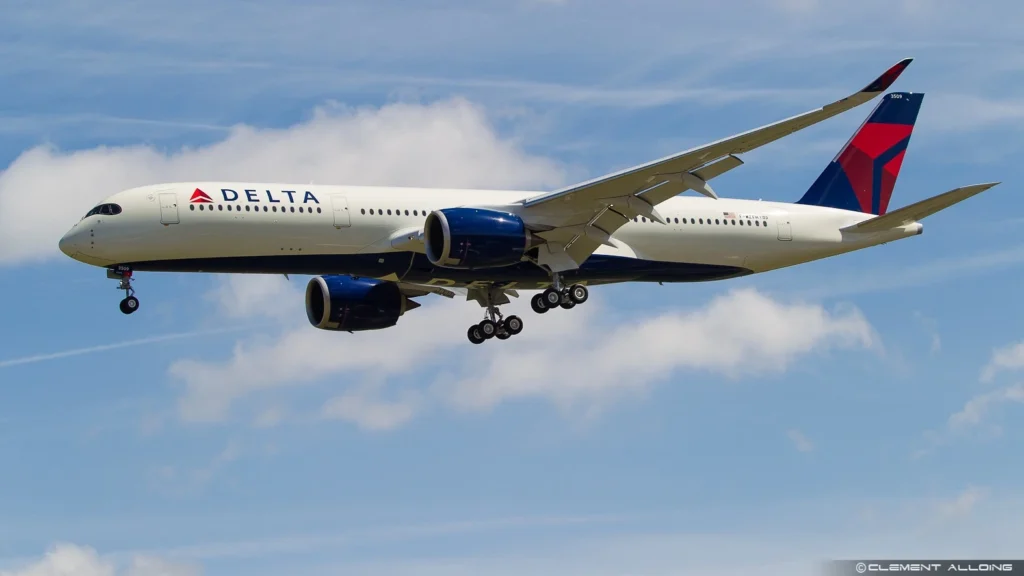
Delta Cancels Tokyo to Minneapolis Flight
Passengers boarded for an afternoon departure and then waited at the gate for one to two hours while the aircraft was fuelled, according to the passenger account shared with View from the Wing.
The Airbus A350 eventually pushed back and taxied, only to sit for a further two hours. When the aircraft was finally in a position to depart, the cockpit crew identified a hydraulic problem.
The aircraft was moved to a remote parking position, where mechanics boarded to assess the fault. The passenger reported being told first that there was a computer problem, then that the computers were serviceable but an aileron was malfunctioning.
During the troubleshooting, passengers were informed the aircraft would now be weight restricted, and a decision had to be made on whether to offload cargo.
View from the Wing noted that the shifting explanations are consistent with a single underlying flight control issue that could be described in several ways, as a computer warning, an aileron fault, or a hydraulic problem, while cautioning that this reading assumes passengers heard the announcements correctly.
With repairs expected to run longer than the operating crew had left within their duty time limits, the flight was cancelled.
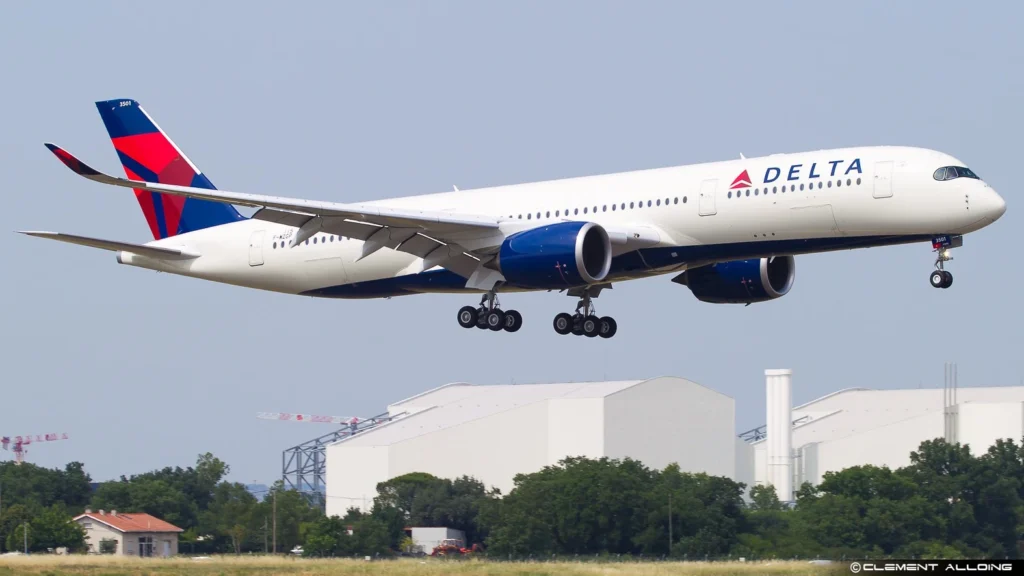
The Hotel Announcement That Went Viral
The passenger video records the crew apologising for the accommodation shortfall. The announcement, as heard in the clip, states:
“Another deep apology that we couldn’t secure enough hotel rooms for every customer on this [flight]. For the customer who has a health concern, family with baby, so please contact Delta for [a hotel] voucher.”
A passenger is then heard responding on the recording:
“So no baby, no hotel?”
“No baby, no hotel. Everyone make babies right now.”
The crew member closed by asking passengers to remain seated until a further announcement.
The passenger’s written summary posted alongside the video described the sequence plainly, noting they sat on the taxiway for 5.5 hours before what should have been a 12-hour flight, that Delta announced the cancellation at 11 p.m., and that passengers would have to clear immigration again and collect their luggage before heading to a hotel.
Duty Limits and Why the Flight Could Not Continue
Flight crew operating long-haul sectors work within regulated duty period limits. Once the projected repair time pushed the departure beyond the point where the crew could legally operate the roughly 12-hour sector to Minneapolis (MSP), the flight was no longer viable on the day.
Because the aircraft never departed Japan, passengers were required to re-enter the country through immigration and reclaim checked baggage before being released for the night.
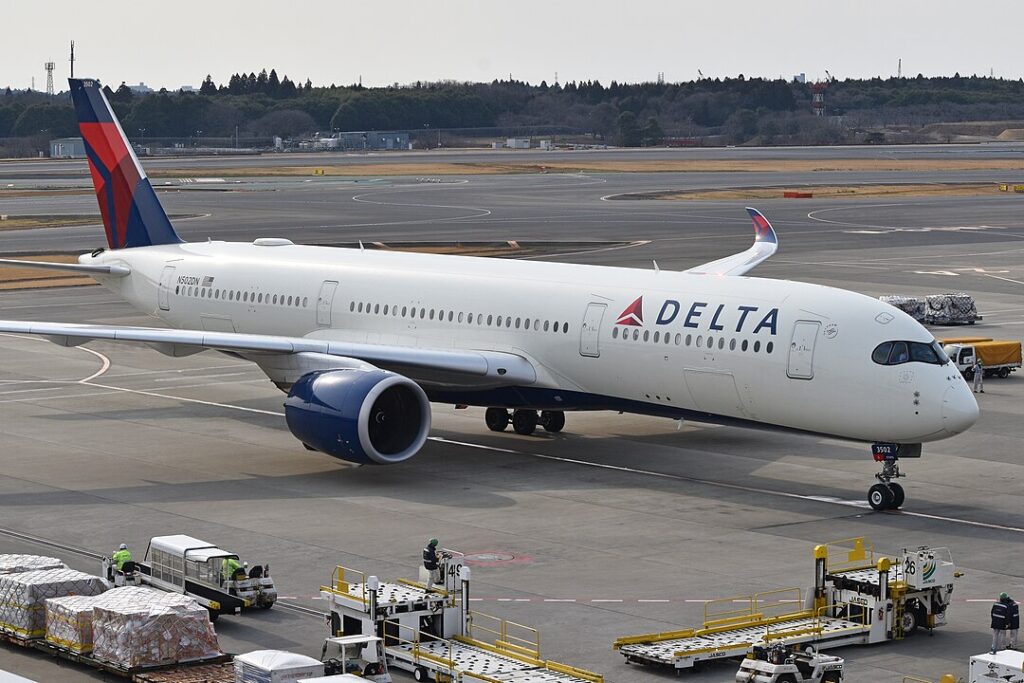
A Familiar Pattern on the Haneda to Minneapolis Route
View from the Wing reported that the incident closely resembles a previous cancellation involving Delta flight 120 (DL120) from Tokyo Haneda (HND) to Minneapolis (MSP) on June 29, which was discussed publicly by passengers at the time.
The outlet also placed the accommodation shortfall alongside other airline hotel failures it has documented. These include a Delta (DL) delay of eight hours after which 200 passengers were sent to a hotel with only 13 rooms, and an American Airlines (AA) mechanical delay in which three passengers were given a single hotel room to share.
Other cases cited include a woman who was made to share a bed with a stranger following a delay, and a Chinese carrier that placed delayed passengers in an S&M-themed hotel and required them to share rooms.
Passenger Guidance on Airline Hotel Vouchers
View from the Wing advised that where passengers have the option, arranging their own hotel is generally preferable to accepting the accommodation an airline provides. In the Haneda case, self-arranged accommodation appears to have been available to passengers who did not qualify for a voucher.
Stay tuned with us. Further, follow us on social media for the latest updates.
Join us on Telegram Group for the Latest Aviation Updates. Subsequently, follow us on Google News
