

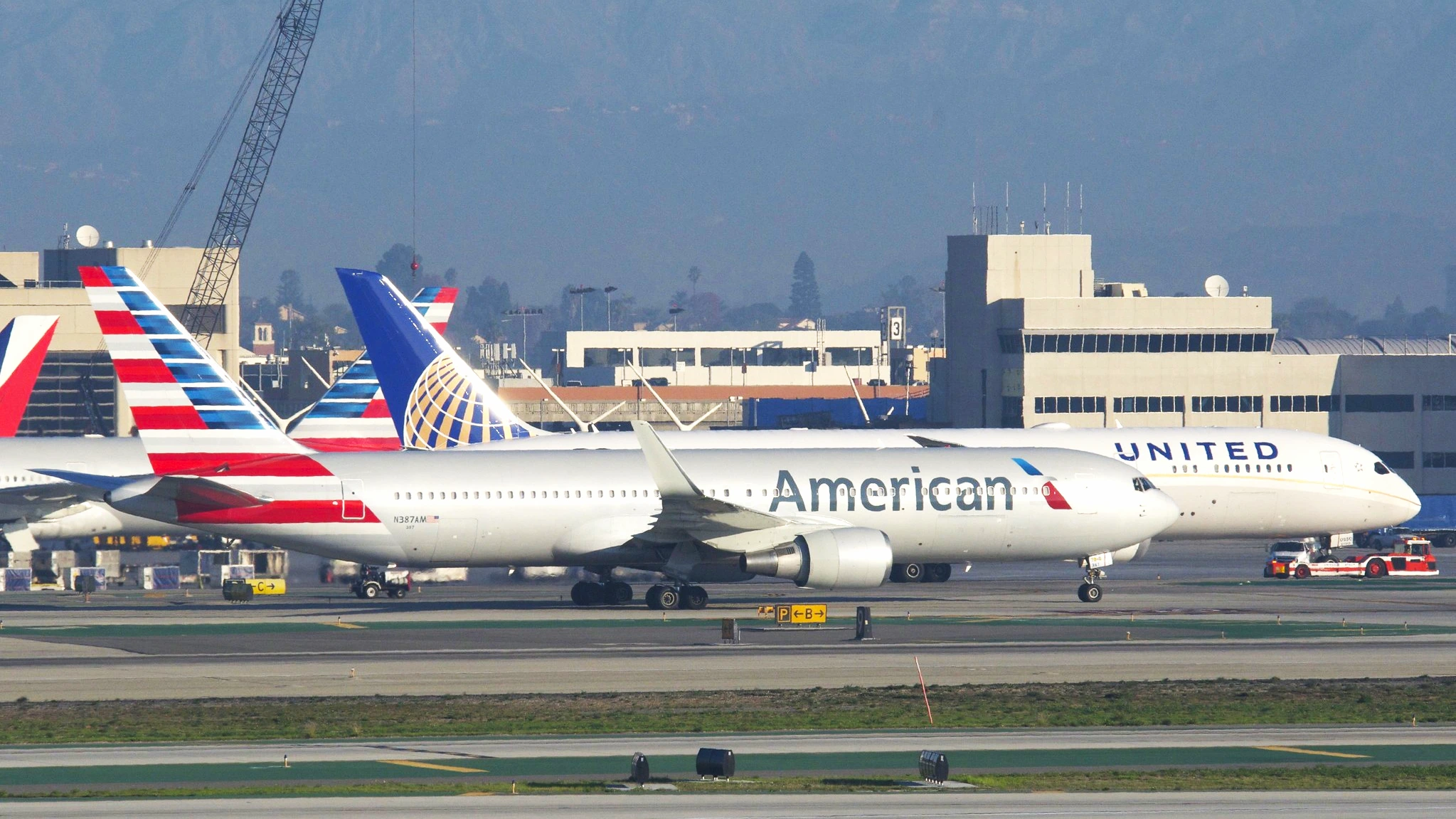
FORT WORTH- American Airlines (AA) will officially regain 3 gates at Chicago O’Hare International Airport (ORD) in October following the city’s latest annual gate reallocation. The decision strengthens the airline’s position after losing gates last year and marks a significant shift in its competition with United.
United Airlines (UA) had sought to expand its dominance at Chicago by increasing scheduled flights to secure additional gates. However, Federal Aviation Administration (FAA) limits and American’s operational recovery have enabled the carrier to regain ground at one of its most important hubs.
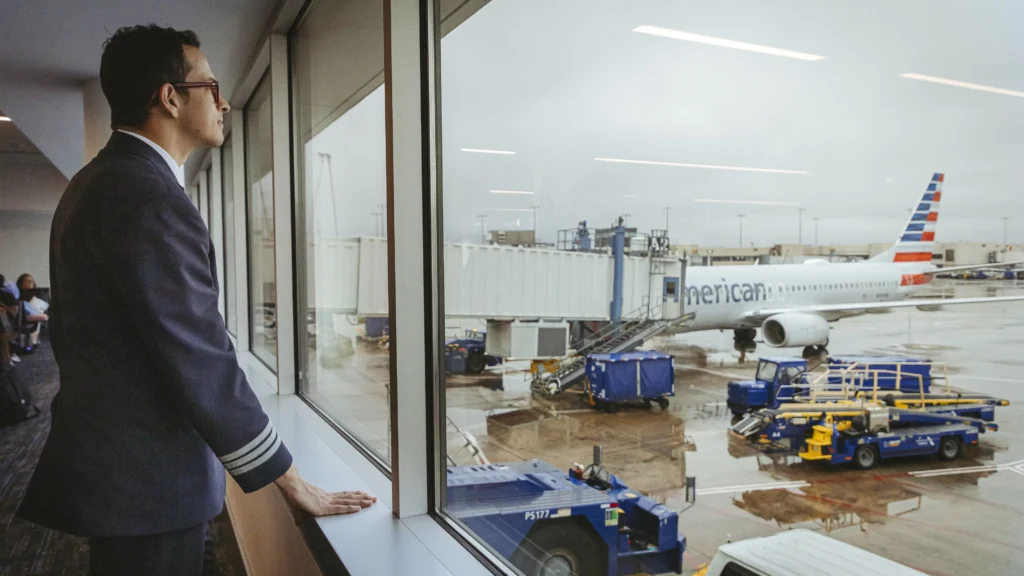
American Airlines Officially Regains Gates at Chicago O’Hare
The City of Chicago has confirmed that American Airlines will regain 3 gates at Chicago O’Hare beginning in October under the airport’s annual gate reallocation process. The allocation is based on each airline’s previous year’s flight operations.
The outcome had been widely expected since April, when reports indicated that American was likely to recover gate space. Updated airport linear frontage maps obtained through a Freedom of Information Act request later confirmed the revised allocation.
Last year, United Airlines gained 5 gates while American Airlines lost 4 after the city conducted the reallocation process earlier than outlined in the airport’s lease agreement. The move was widely viewed as benefiting Chicago’s largest carrier, while American’s legal challenge failed to block the earlier redistribution.
American Airlines began rebuilding its Chicago operations last year after scaling back aggressively during the pandemic. The carrier had retired a significant number of aircraft, limiting its ability to restore service across all of its hubs.
Because Chicago’s recovery was delayed, American lost valuable operational presence during the previous gate allocation cycle. As the airline rebuilt schedules over the past year, it qualified to regain gates under the airport’s allocation formula.
According to View from the Wing, the latest gate allocation officially reflects American’s recovery and restores a stronger competitive position at O’Hare.
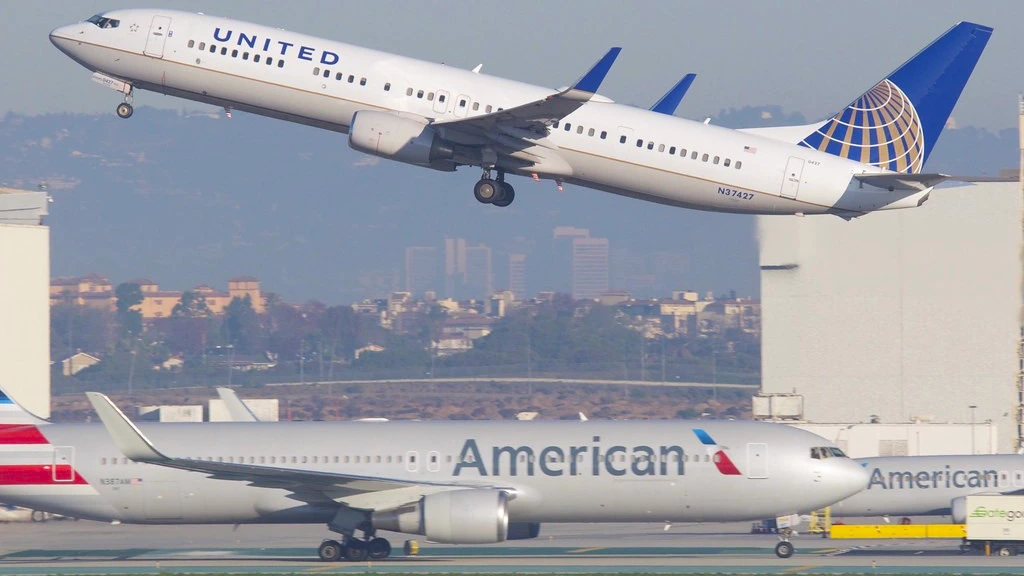
United’s Strategy Did Not Get the Intended Result
United Airlines, led by CEO Scott Kirby, viewed American’s weakened position as an opportunity to reduce its rival’s long-term role in Chicago. Kirby also encouraged financial analysts to question whether American should continue operating Chicago as a major hub.
United significantly increased scheduled flights at O’Hare, a move widely viewed as an effort to secure additional gate access. Reports suggested many of those planned flights would have been unprofitable and exceeded the airport’s practical operating capacity.
The FAA later concluded that both airport infrastructure and air traffic control (ATC) could not safely support the proposed level of operations. As a result, the agency introduced flight caps at O’Hare.
United argued that future gate allocations should be based on airlines’ planned schedules rather than actual operations. Under that approach, American would have lost additional gate access. Federal authorities did not adopt that position, allowing the existing allocation methodology to remain in place.
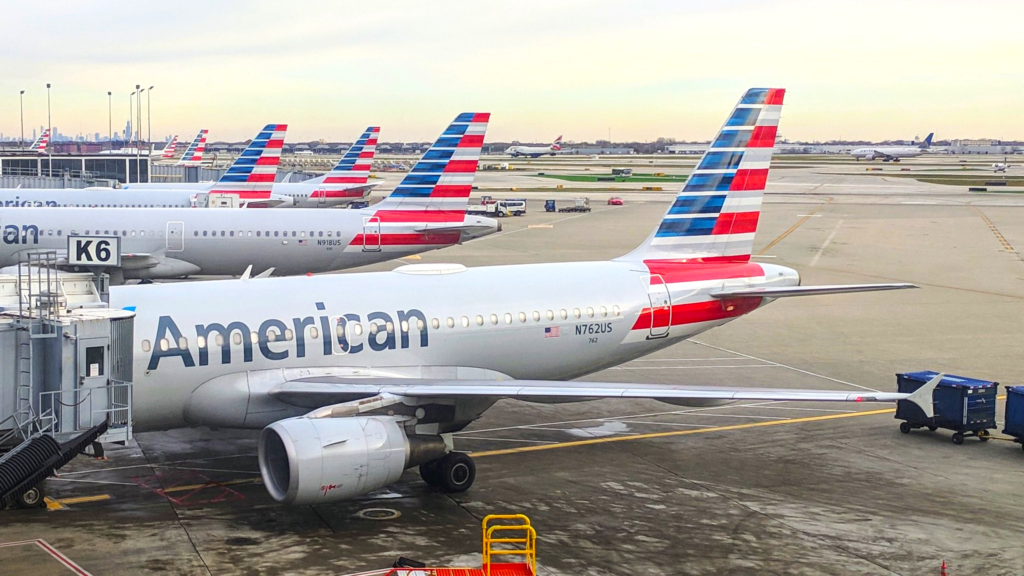
Additional Gate Acquisition
American Airlines also strengthened its position by acquiring two gates previously owned by Spirit Airlines before the carrier ceased operations.
Combined with the latest city allocation, American now holds a net gain of one gate compared with its position before last year’s gate reductions.
The latest changes also confirm that United’s effort to significantly reduce American’s presence at O’Hare did not achieve its intended objective.
United Remains the Largest Airline at O’Hare
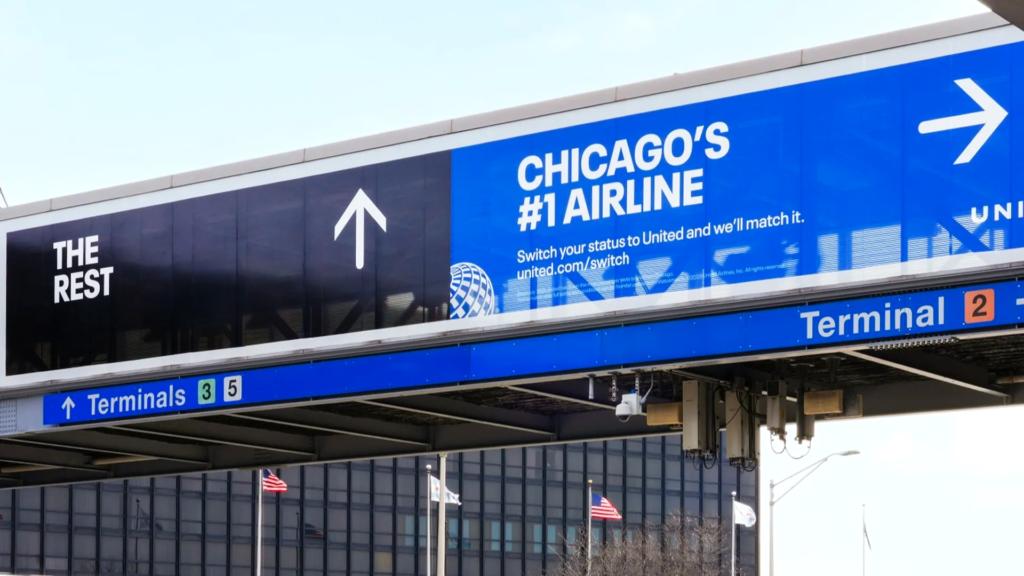
Despite American’s gains, United Airlines continues to hold the largest share of gate space at Chicago O’Hare.
Following the latest allocation, United remains up one gate through the annual redistribution process and retains one additional gate acquired from Spirit Airlines. Overall, United has a net gain of two gates compared with its earlier position, while American records a net gain of one.
United also continues to control more than 40 percent of the airport’s terminal linear frontage, maintaining the largest operational footprint at O’Hare.
The latest outcome narrows the competitive gap while preventing United from further expanding its advantage through the gate allocation process.
American’s Long-Term Strategy
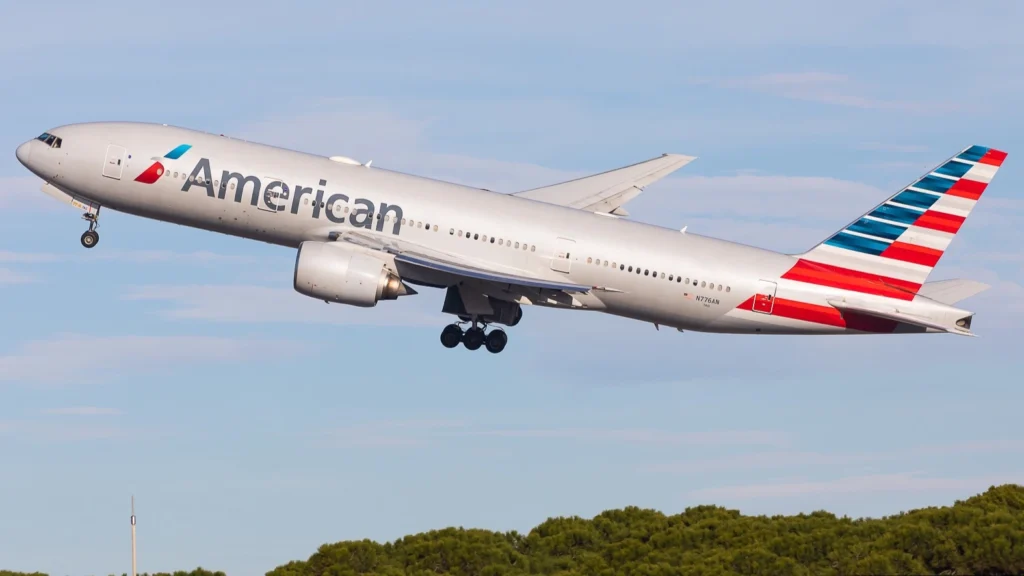
American Airlines continues to invest in Chicago as a strategic hub despite previous setbacks.
The airline is renovating its Admirals Club in Concourse L to improve the customer experience while expanding its operational presence at the airport.
Chicago also plays an increasingly important role in American’s partnership with Citibank. After losing relevance in New York and Los Angeles, the airline’s co-branded credit card spending declined from the industry’s leading position to third place.
Maintaining a strong presence in Chicago helps American remain competitive among higher-spending travelers, supporting long-term revenue growth.
Bottom Line
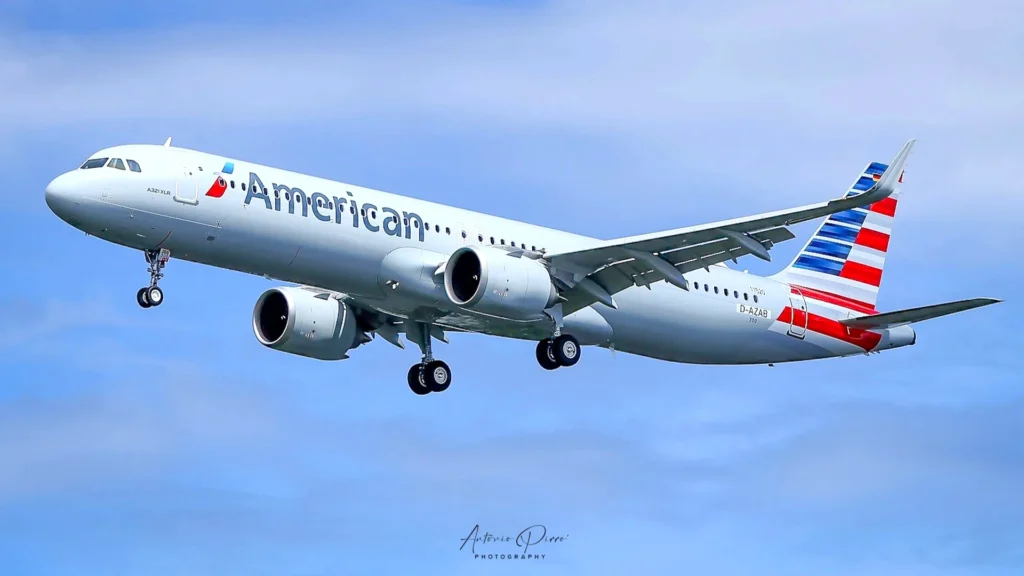
The latest gate reallocation represents a significant operational victory for American Airlines at Chicago O’Hare International Airport.
After losing gates a year ago, the airline has rebuilt its schedules, regained 3 gates through the city’s allocation process, and strengthened its position through additional gate acquisitions.
Although United Airlines remains the airport’s largest carrier, its broader effort to push American out of Chicago did not succeed. American now enters the next phase of its Chicago strategy in a stronger competitive position than before the dispute began.
Stay tuned with us. Further, follow us on social media for the latest updates.
Join us on Telegram Group for the Latest Aviation Updates. Subsequently, follow us on Google News
