

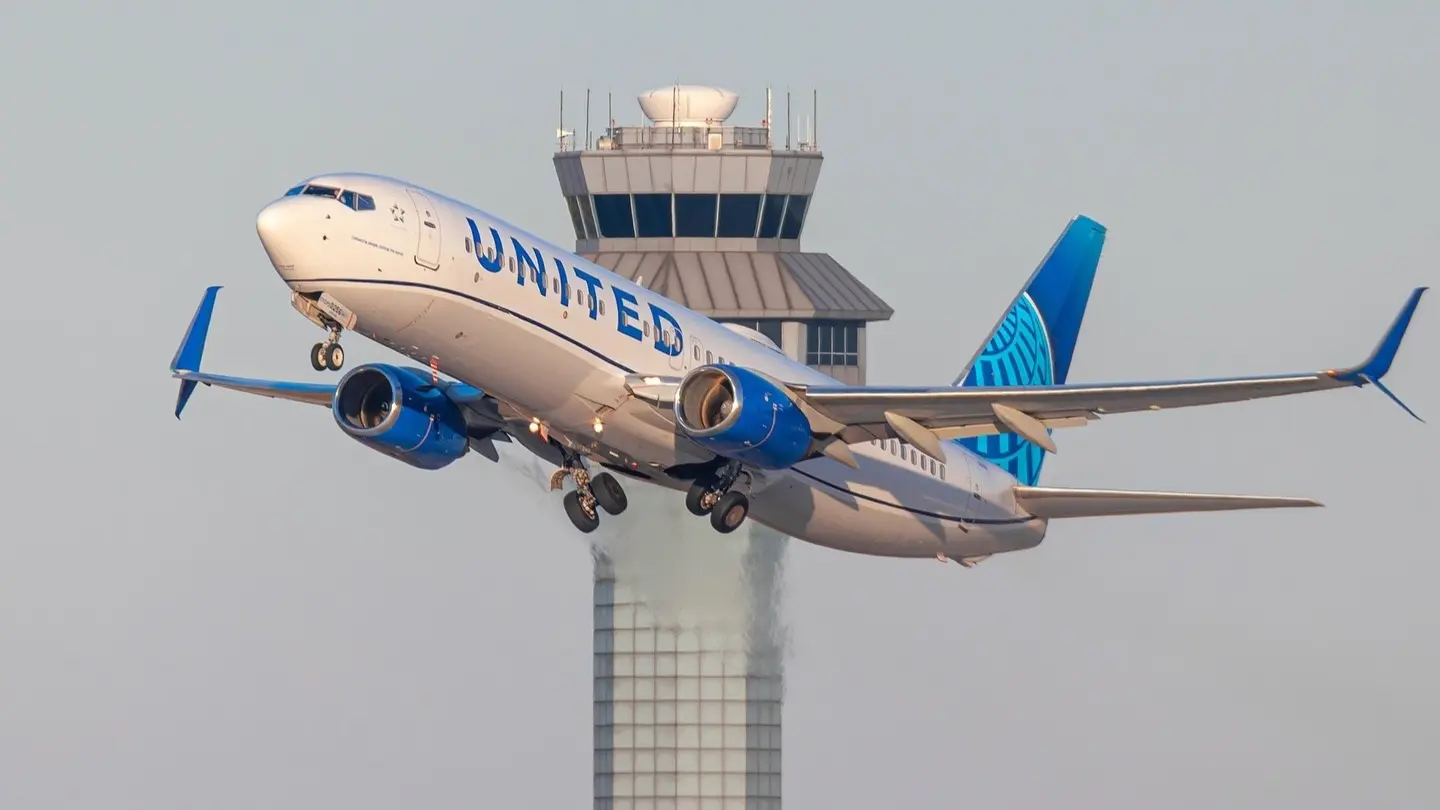
CHICAGO- United Airlines (UA) has slashed over 22,000 flights from its summer and fall schedule at Chicago O’Hare International Airport (ORD) after the Federal Aviation Administration (FAA) imposed strict capacity limits on the hub.
The airline cancelled 11 routes, permanently dropped one destination, and reduced frequencies across its ORD network in response to the regulatory crackdown.
Despite the deep cuts, United Airlines (UA) remains well above 2025 flight levels at O’Hare (ORD), raising questions about whether the FAA will demand further reductions.
The airline’s revised schedule still shows double-digit growth over last year, exceeding even the capacity increase that American Airlines (AA) proposed before it scaled back its own plans at the regulator’s request.
FAA Forces United to Abandon Chicago O’Hare Expansion
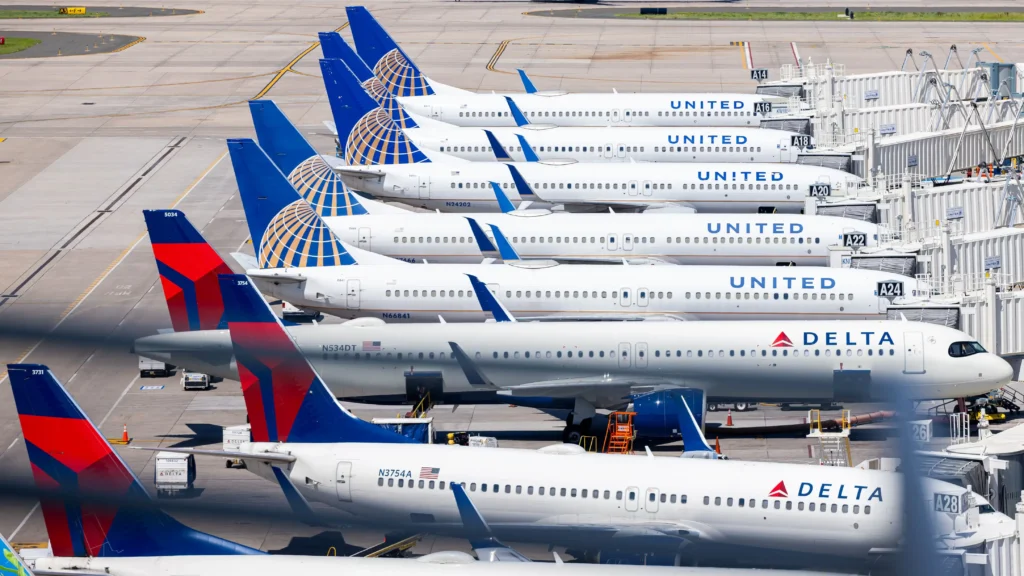
United Airlines had planned a 30% flight boost at Chicago O’Hare for the summer of 2026, but the airport’s infrastructure could not support the surge. The FAA stepped in during May and imposed flight limits, forcing United to pull back its ambitious schedule.
The airline initially cut flights in May, and those reductions have now extended into June with even greater impact as more routes were originally set to launch.
Of the 11 cancelled routes, 10 have been pushed to a near-November start date. One route has been permanently removed from the schedule, according to weekly schedule change filings. Most of these affected routes were new markets for United at O’Hare, part of the carrier’s broader strategy to expand its Chicago hub network.
Beyond the route cancellations, United cut frequencies significantly across its remaining ORD operation.
The combined impact of dropped routes and reduced frequencies amounts to roughly 22,000 fewer flights when measured in both directions from the original selling schedule, Enilria reported.
Summer Schedule Still Shows Double-Digit Growth Over 2025
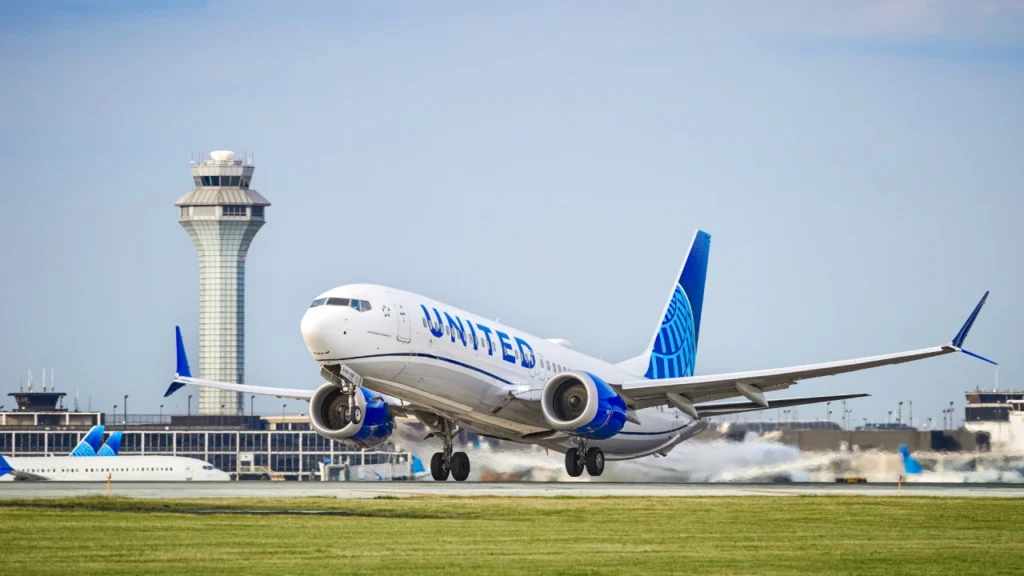
A comparison of United’s planned departures at O’Hare reveals that the revised 2026 schedule remains substantially higher than 2025 levels.
In June, United now plans 19,107 flights, down from the original 22,727 but still 13% above the 16,866 flights operated in June 2025.
July shows a similar pattern with 19,948 flights planned versus 17,321 last year, a 15% increase. August stands at 21,899 flights compared to 17,496 in 2025, reflecting a 25% jump.
September and October follow a comparable trend, with year-over-year growth remaining in double digits.
The FAA appeared to mandate that United maintain flight levels consistent with 2025 volumes, but the airline’s current schedule overshoots that benchmark by a wide margin across every month.
Remaining Growth Exceeds American Airlines
The gap between United’s revised schedule and the FAA’s apparent expectations raises a critical concern.
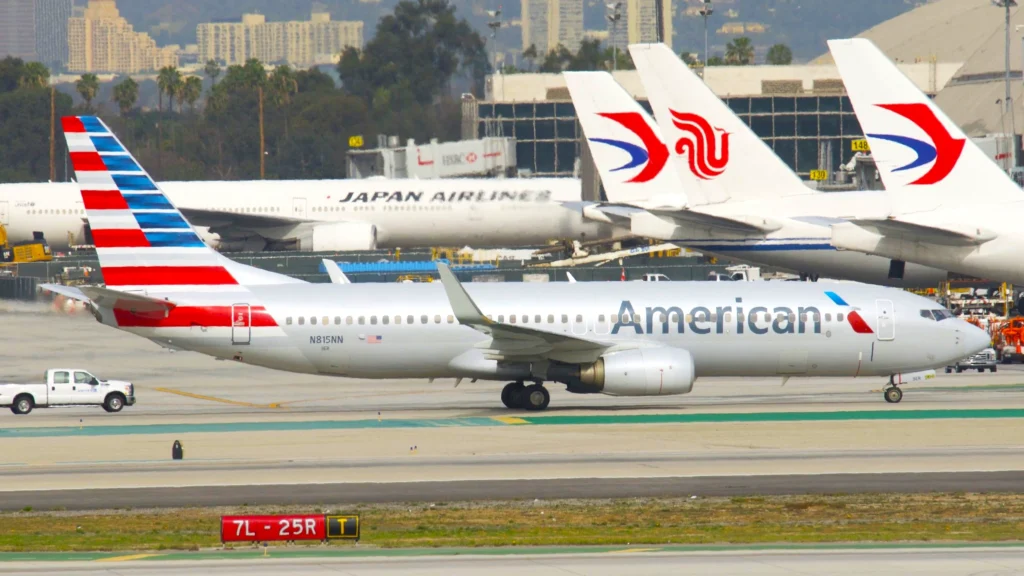
American Airlines (AA) had proposed an 11% flight increase at its own constrained hubs before the FAA intervened and forced the carrier to reduce its plans. United’s remaining growth at O’Hare exceeds that 11% threshold in every month from June through October.
This discrepancy suggests the FAA may require United to make additional cuts. Time has nearly run out for June adjustments, yet the current schedule does not appear deep enough to satisfy the regulator’s requirements.
Industry observers expect further reductions for June and July, with August and fall schedules almost certainly facing additional trimming.
Unanswered Questions on Aircraft and Crew Deployment
The scale of the schedule reduction raises significant operational questions for United Airlines. Removing 22,000 flights from a single hub frees up dozens of aircraft and hundreds of crew members.
The airline has not announced any plans for redeploying these assets to other hubs or routes, nor has it disclosed any workforce reduction measures.
The absence of a clear redeployment strategy adds uncertainty to the situation. Airlines typically redeploy aircraft to other markets or adjust fleet plans when facing capacity restrictions, but United has remained silent on how it intends to absorb the impact of such a large schedule contraction at its second-largest hub.

What Comes Next for United at O’Hare
The situation at Chicago O’Hare remains fluid. United Airlines appears to be testing the limits of the FAA’s enforcement, and a further reduction in flights looks increasingly likely for the summer and fall months. The airline’s schedule still reflects growth that surpasses what the regulator has permitted elsewhere in the industry.
Passengers holding bookings on affected routes should monitor their reservations closely, as additional cancellations and frequency reductions may follow in the coming weeks.
The FAA’s response to United’s current schedule will signal how strictly the agency intends to enforce capacity discipline at congested airports going forward.
Stay tuned with us. Further, follow us on social media for the latest updates.
Join us on Telegram Group for the Latest Aviation Updates. Subsequently, follow us on Google News
