

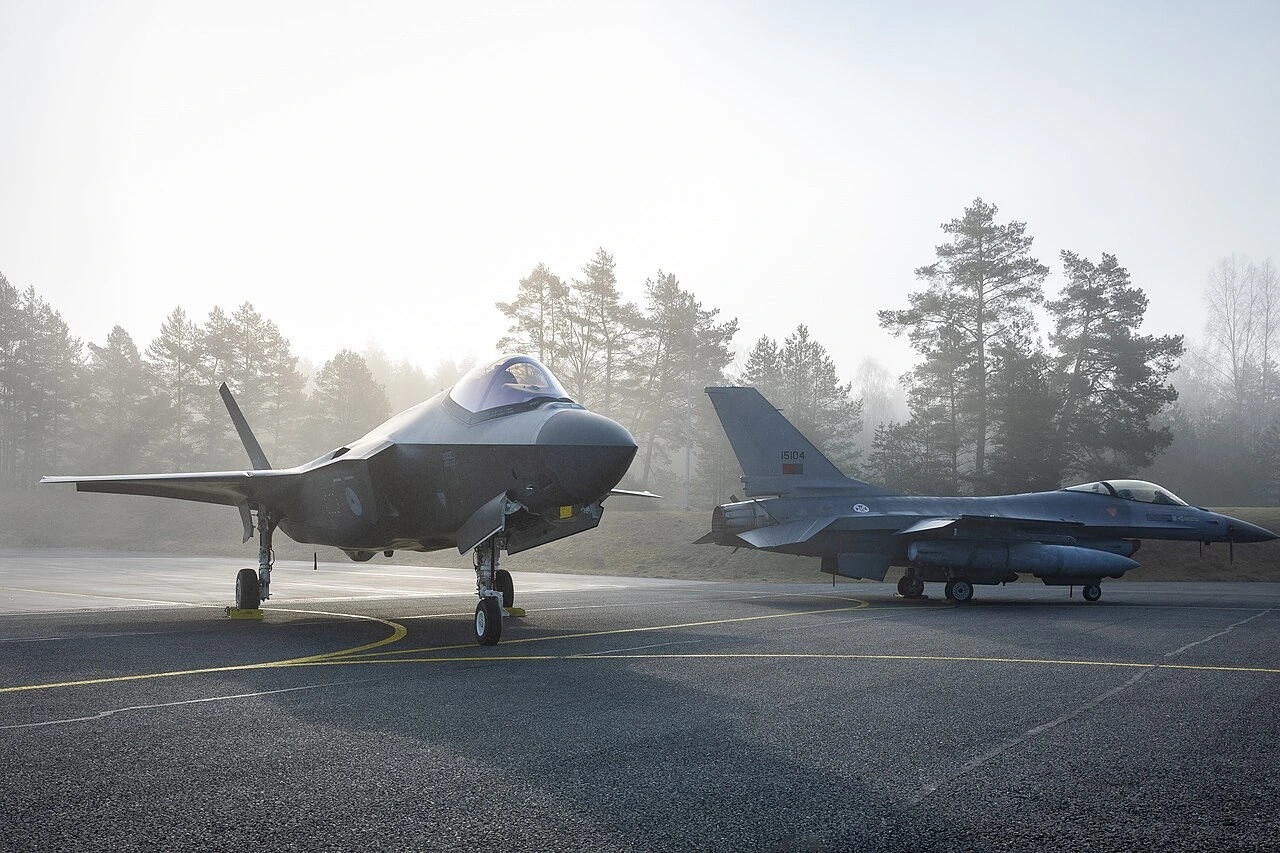
BETHESDA- Lockheed Martin has received a contract modification worth approximately $74.2 million to finalise the integration of European-developed weapons onto F-35 fighter aircraft operated by the United Kingdom and Italy.
The agreement finalises four contract line items covering country-specific weapons systems under the F-35 Block 4 modernization programme.
Awarded by the US Navy and announced on 26 June, the deal runs from system functional review through development test completion on the F-35A conventional take-off and landing variant and the F-35B short take-off and vertical landing aircraft.
It also funds a common tactical data recorder across all three F-35 variants, supporting continued development of critical Block 4 capabilities for the Joint Strike Fighter programme.
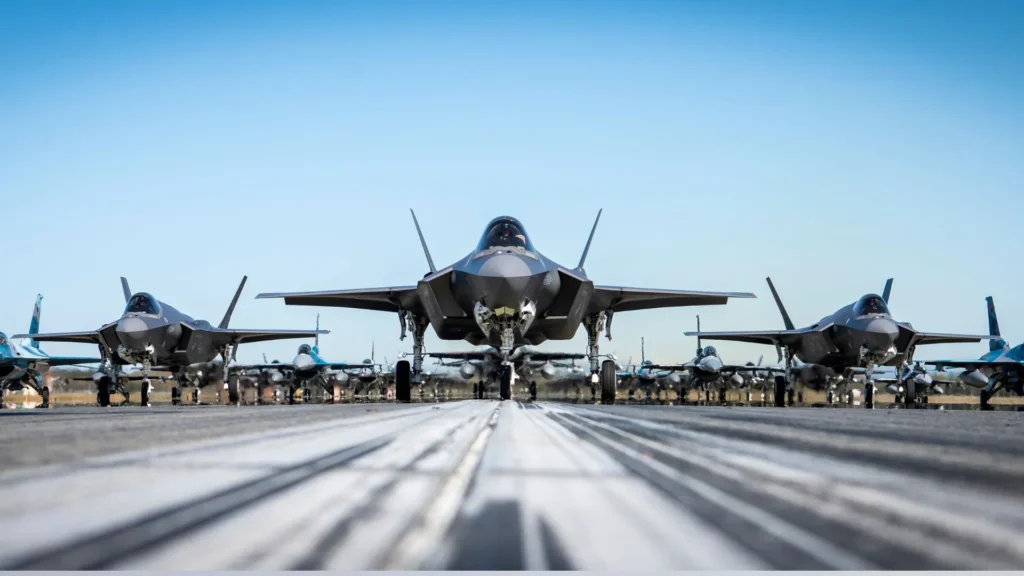
Contract Covers Final Phase of Sovereign Weapons Integration
The contract modification provides the United Kingdom and Italy with unique weapons systems integration from the system functional review stage through to development test completion on both the F-35A and F-35B aircraft.
The work supports continued development of Block 4 warfighting capabilities for the wider Joint Strike Fighter programme.
While the announcement did not name the weapons directly, the work relates to two MBDA-produced systems. These are the Meteor beyond-visual-range air-to-air missile and the company’s Spear 3 air-to-surface weapon.
According to Flight Global, the latest funding marks another step in completing the long-running European weapons integration effort for the F-35.
The agreement allows both NATO allies to field F-35s armed with nationally selected munitions. This approach increases operational flexibility while maintaining full interoperability across coalition operations.
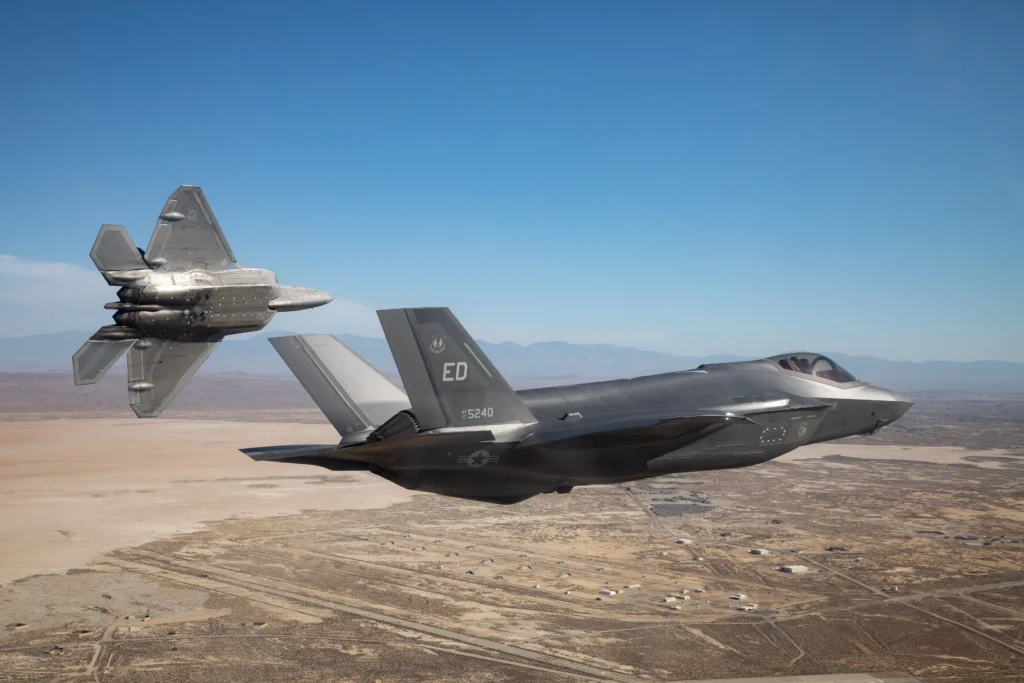
Tactical Data Recorder Added Across All Variants
Beyond the missile work, the contract funds the installation of a common tactical data recorder on the F-35A, F-35B, and F-35C variants.
The recorder captures detailed mission information, including aircraft performance, sensor activity, electronic warfare events, weapons employment, and pilot inputs.
This data supports post-mission debriefing, operational analysis, software verification, and the refinement of future combat tactics. It also feeds the development of upcoming Block 4 software releases.
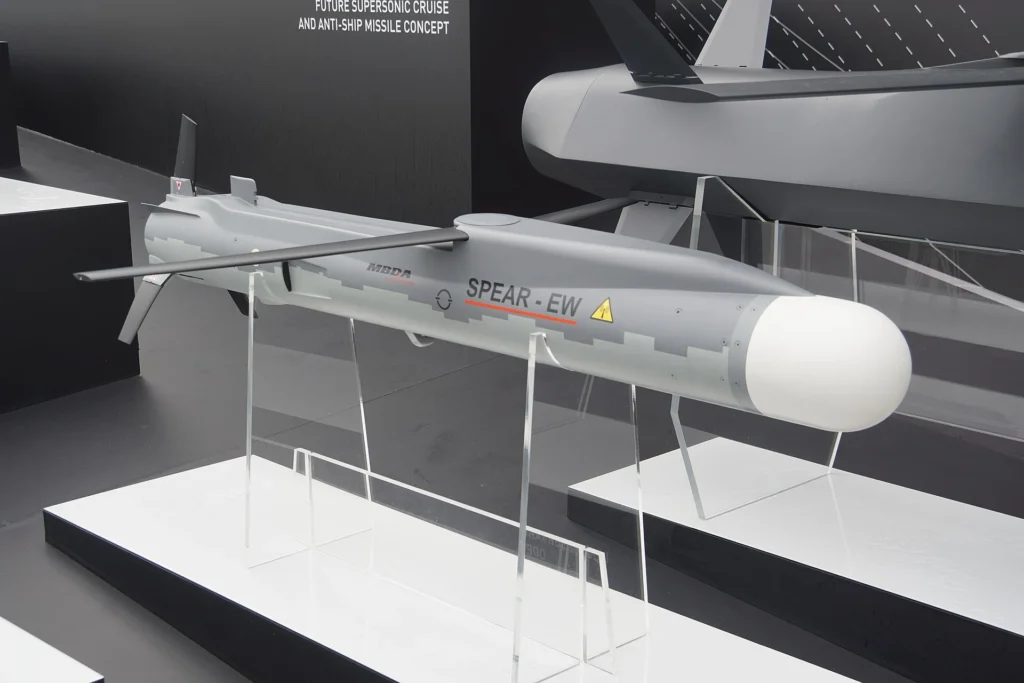
Meteor and Spear 3 Progress Through Flight Testing
Flight testing has already reached several milestones during the integration campaign. Earlier this year, a US Marine Corps F-35B test example completed a first flight carrying four inert Spear 3 miniature cruise missiles inside one of its internal weapons bays, along with a single Meteor round.
That achievement followed initial sorties flown last December. During those flights, a conventional take-off and landing F-35A carried the scramjet-engined Meteor missile.
The tests validate both weapon systems before they progress toward operational service under Block 4.
Italy Expands Role Across Both F-35 Variants
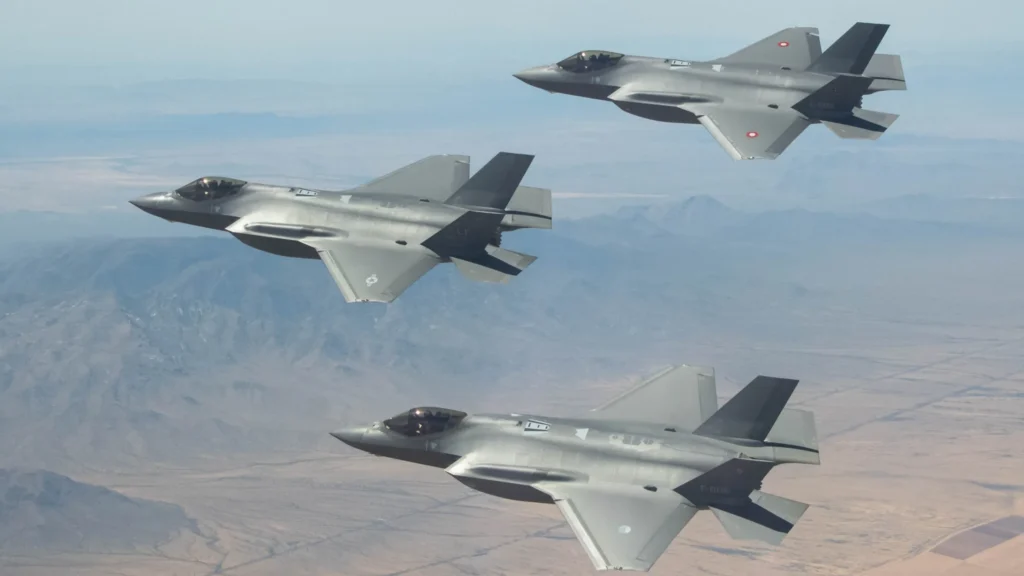
Italy operates both the F-35A and the F-35B, giving it a broader integration footprint than the United Kingdom.
The country is supporting Meteor integration on the F-35A, complementing the UK’s work on the F-35B.
Italy also holds a major industrial role in the programme through its Final Assembly and Check-Out facility at Cameri.
The site assembles aircraft for European operators and serves as a regional maintenance, repair, overhaul, and upgrade centre.
UK Block 3 Plans Faced Significant Delays
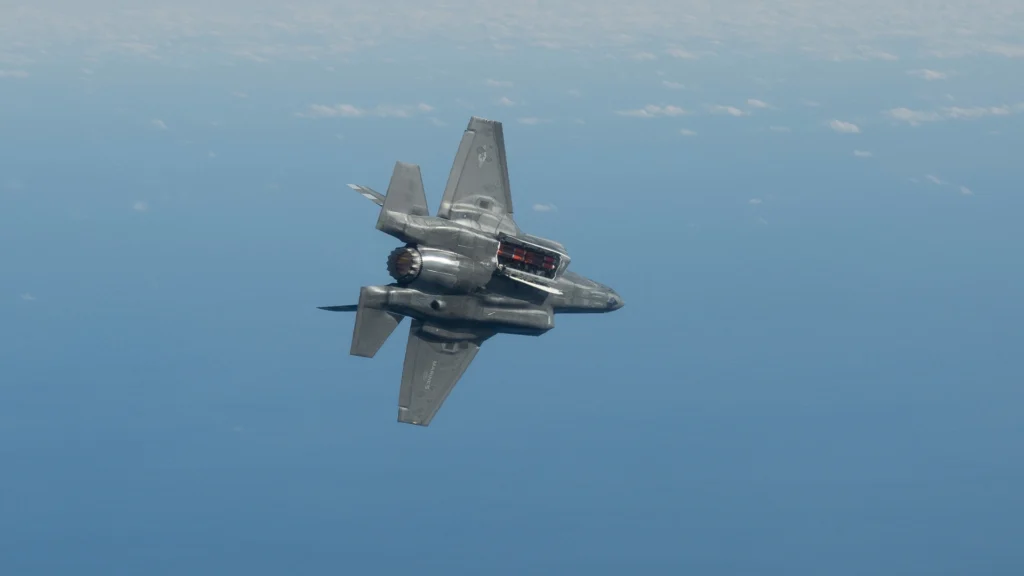
The United Kingdom originally planned for both the Meteor and Spear 3 to be fully operational on its F-35B fleet as part of the F-35 programme’s Block 3 upgrade package. That timeline has been the subject of significant delay, pushing the capability into the later Block 4 phase.
The United Kingdom currently operates a fleet of F-35B aircraft. It has also announced plans to acquire 12 F-35A jets capable of carrying nuclear weapons.
Work Continues Through December 2032
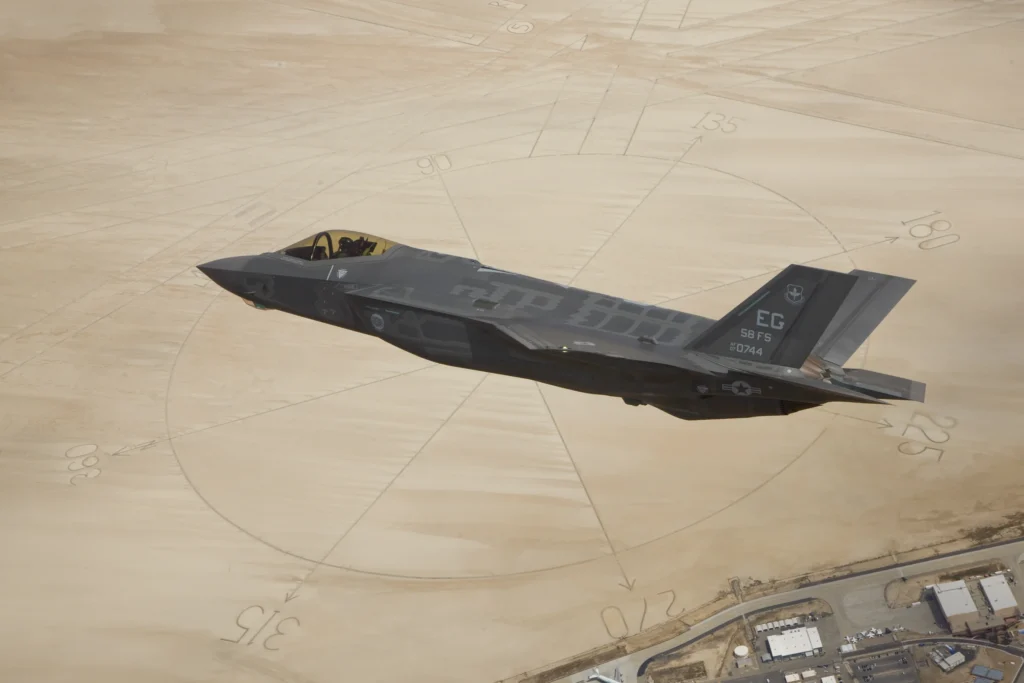
Work under the contract modification is expected to be completed in December 2032. Around 51% of the effort will be carried out in Samlesbury, England, where BAE Systems manufactures the rear fuselage section for every F-35 produced.
A further 24% of the work will take place in Fort Worth, Texas. The remaining effort will be completed at other F-35 programme locations across the United States.
Stay tuned with us. Further, follow us on social media for the latest updates.
Join us on Telegram Group for the Latest Aviation Updates. Subsequently, follow us on Google News
