

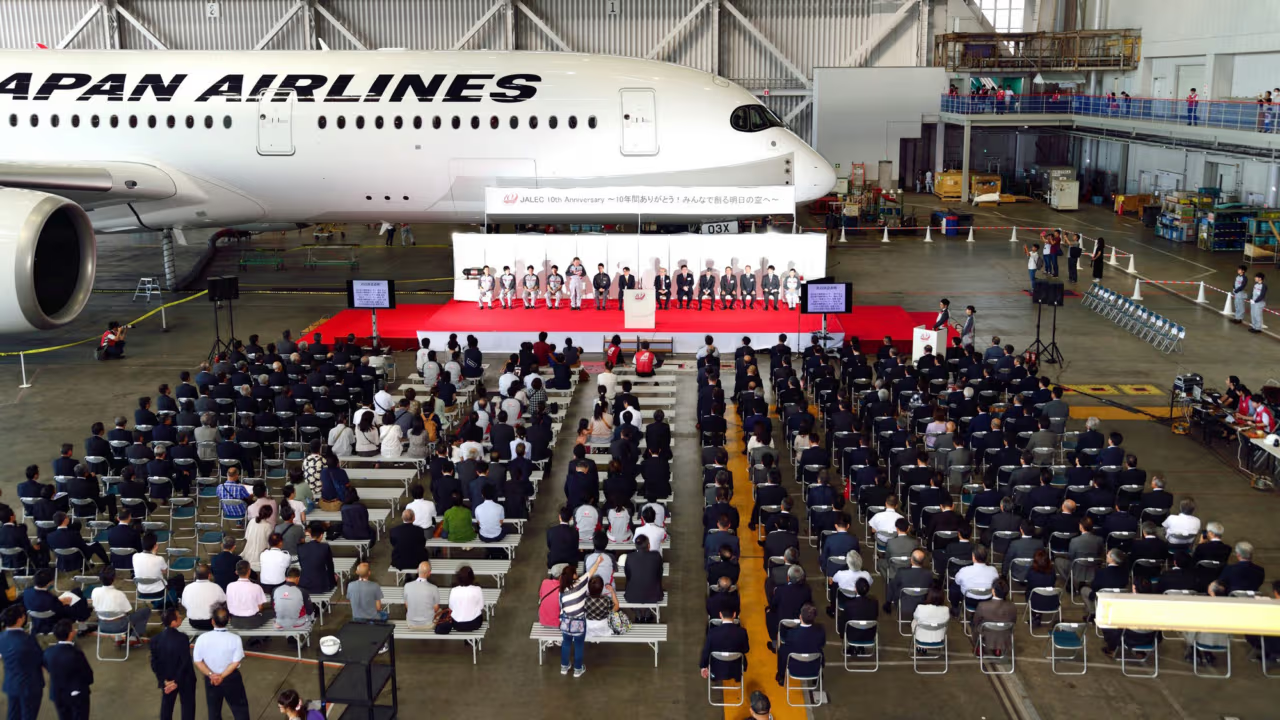
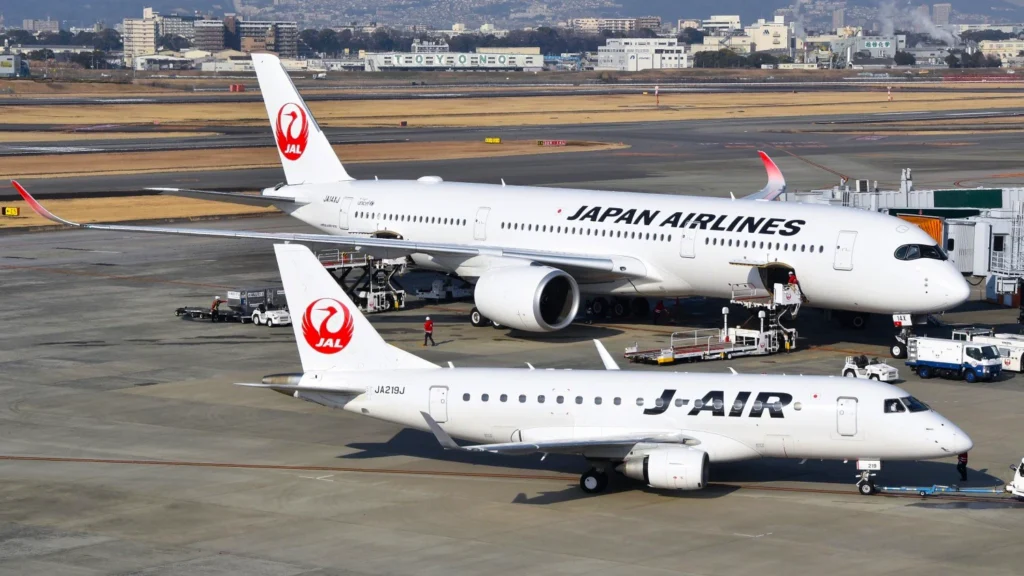
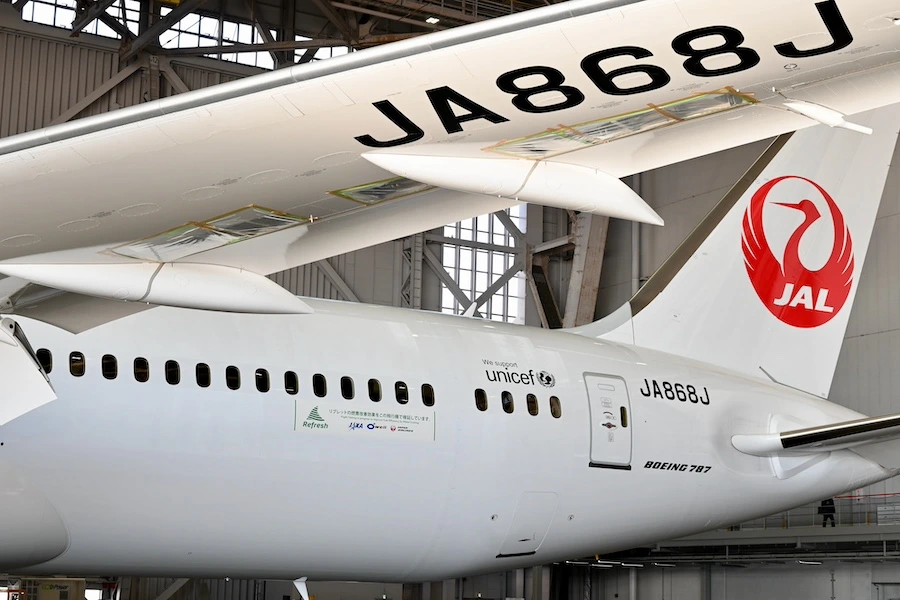
Japan Airlines (JL) is one of Asia’s most respected full-service carriers, known for its punctuality, engineering standards, and commitment to safety. Headquartered in Tokyo, the airline operates an extensive domestic and international network with a fleet that includes the Airbus A350, Boeing 737, 767, 777, and 787 Dreamliner.
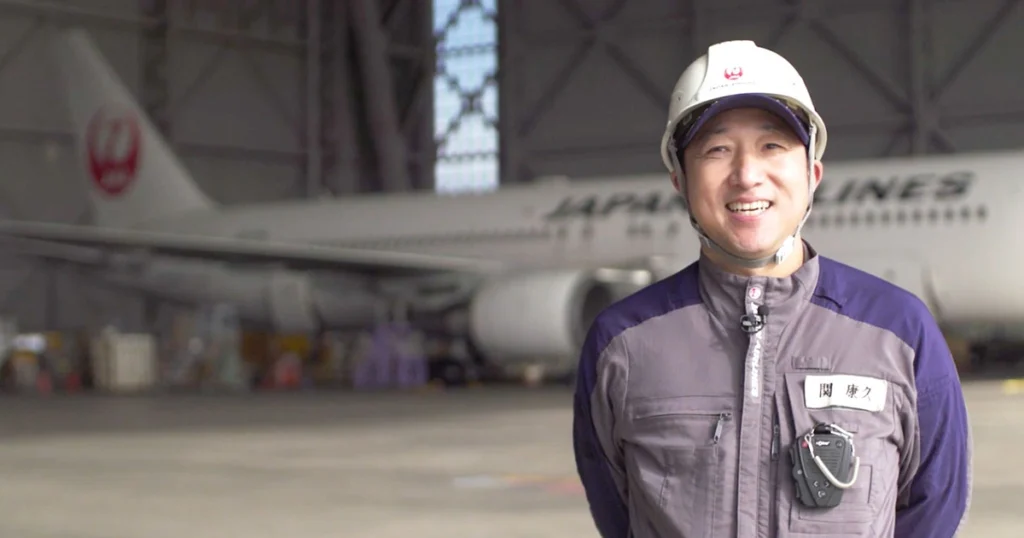
While travellers often associate JAL with exceptional service and reliability, those qualities are built on the work of its engineering teams. Every aircraft undergoes rigorous inspections and maintenance before returning to service, making Aircraft Maintenance Engineers (AMEs) and Technicians indispensable to the airline’s daily operations.
For aviation professionals, a career with Japan Airlines offers the opportunity to work on sophisticated aircraft in one of the world’s most disciplined aviation environments.
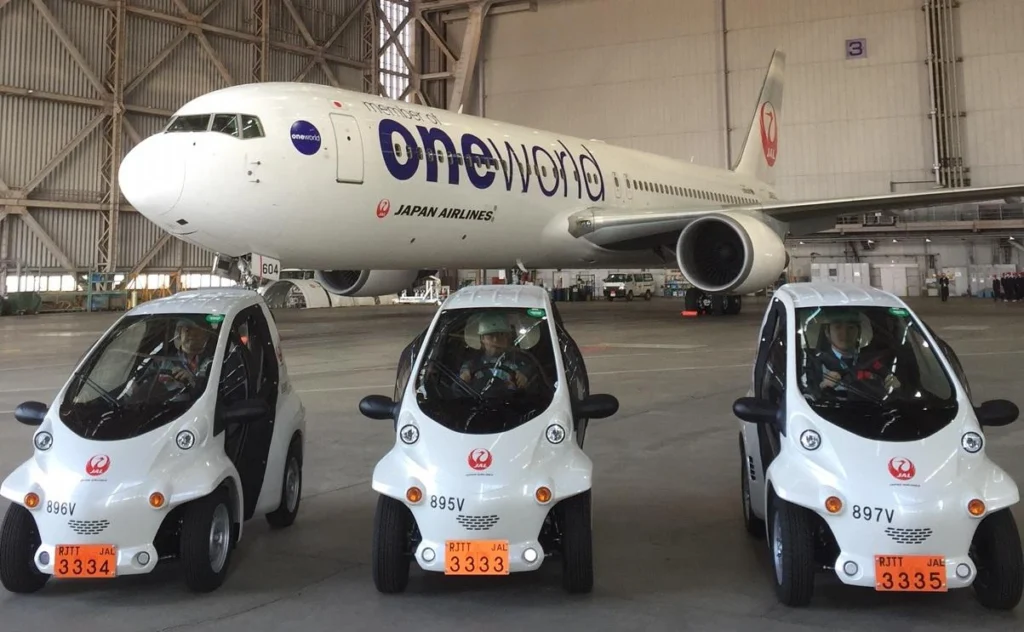
What Do Aircraft Engineers and Technicians Do?
Although they share the same workplace, the responsibilities of engineers and technicians differ significantly.
Aircraft Maintenance Engineer (AME)
An AME is a licensed professional authorised to certify that maintenance work has been completed correctly and that an aircraft is safe to fly.
Typical responsibilities include:
- Planning and overseeing maintenance activities
- Diagnosing mechanical and avionics faults
- Reviewing technical records and inspection findings
- Supervising maintenance teams during major checks
- Certifying aircraft before they return to commercial service
The role demands technical expertise, sound judgement, and strict adherence to aviation regulations.
Aircraft Maintenance Technician
Technicians carry out much of the physical maintenance work required to keep aircraft operating safely and efficiently.
Their duties often include:
- Replacing worn or damaged components
- Performing scheduled inspections
- Servicing hydraulic, electrical, and mechanical systems
- Supporting engineers during troubleshooting
- Maintaining maintenance tools and documentation
They play a crucial role in ensuring aircraft are ready for departure on time.
ALSO READ: Singapore Airlines Engineer and Technician Salary in 2026
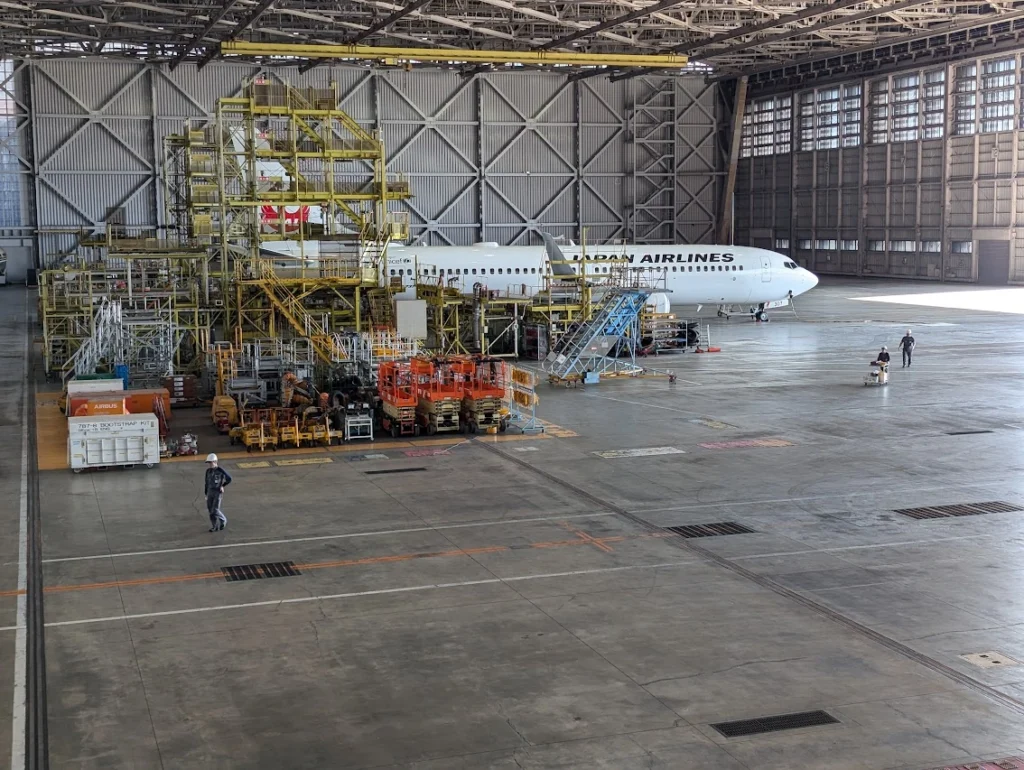
Requirements for Japan Airlines Engineers and Technicians
Japan Airlines maintains high recruitment standards, reflecting the precision expected in Japanese aviation.
Basic Requirements
- A diploma or degree in aircraft maintenance or aerospace engineering
- Strong technical knowledge of aircraft systems
- Ability to work rotating shifts and overnight schedules
- Good communication and teamwork skills
- Commitment to safety and quality procedures
For Aircraft Maintenance Engineers
Applicants generally require:
- A recognised aircraft maintenance licence issued by the relevant aviation authority
- Experience working on commercial aircraft
- Type ratings on aircraft such as the Boeing 787 or Airbus A350 are advantageous
- The ability to inspect and certify maintenance work independently
For Aircraft Maintenance Technicians
Typical expectations include:
- Technical or vocational training in aircraft maintenance
- Practical mechanical aptitude
- Experience in airline or maintenance environments preferred
- Willingness to continue training and progress professionally
Many technicians later obtain licences and move into engineering positions.
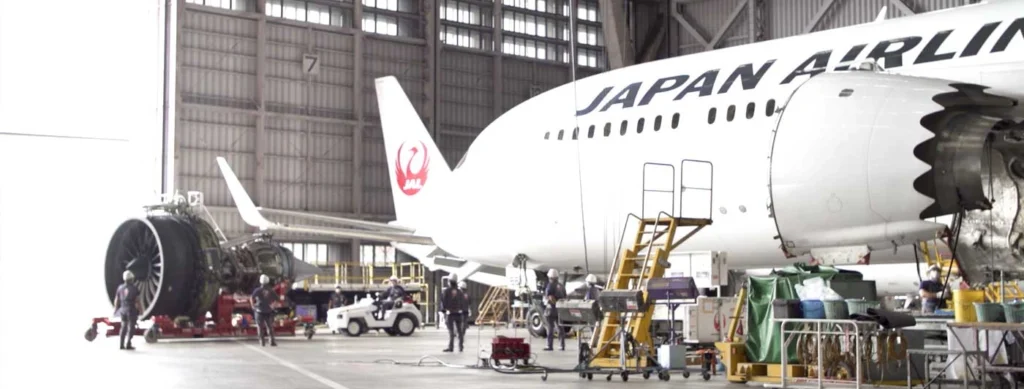
Japan Airlines AME and Technician Salary in 2026
Compensation at Japan Airlines reflects Japan’s highly skilled labour market and emphasis on long-term employment. While starting salaries may appear modest compared with some overseas airlines, steady progression, bonuses, and seniority-based increases often enhance earnings over time.
Licensed Aircraft Maintenance Engineers at JAL commonly begin with annual compensation in the region of ¥7.5 million to ¥9.5 million (approximately US$50,000 to US$63,000). Engineers at this stage are typically fully qualified but still developing broader fleet experience and additional certifications.
As responsibilities increase and engineers gain type ratings on aircraft such as the Airbus A350 or Boeing 787, annual earnings often rise to around ¥10 million to ¥13 million (approximately US$67,000 to US$87,000). These engineers frequently handle complex maintenance activities and hold significant certification responsibilities.
Senior certifying engineers, technical specialists, and maintenance supervisors can earn ¥14 million to ¥17 million per year (approximately US$93,000 to US$113,000), particularly when performance bonuses and shift-related payments are included.
Overall, many Aircraft Maintenance Engineers at Japan Airlines earn between ¥7.5 million and ¥17 million annually (approximately US$50,000 to US$113,000) depending on experience and position.
Aircraft Maintenance Technicians follow a different salary scale but still enjoy competitive compensation within Japan’s aviation sector.
Those entering the profession commonly receive around ¥3.8 million to ¥5 million per year (approximately US$25,000 to US$33,000) while developing practical experience.
After several years working on airline maintenance operations, technicians often progress into the ¥5.5 million to ¥7 million annual range (approximately US$37,000 to US$47,000) as their technical responsibilities expand.
Experienced technicians with specialist skills or leadership responsibilities may earn ¥7.5 million to ¥9 million per year (approximately US$50,000 to US$60,000), particularly when working on advanced fleet programmes or complex maintenance projects.
In general, the salary landscape at Japan Airlines can be summarised as:
- Aircraft Maintenance Engineers: ¥7.5 million to ¥17 million per year (approximately US$50,000 to US$113,000)
- Aircraft Maintenance Technicians: ¥3.8 million to ¥9 million per year (approximately US$25,000 to US$60,000)
For many technicians, obtaining an aircraft maintenance licence remains the most effective way to unlock significantly higher earning potential.
ALSO READ: Qantas Aircraft Maintenance Engineer and Technician Salary in 2026
Benefits and Perks at Japan Airlines Engineering
Beyond salary, Japan Airlines provides a range of employment benefits that contribute to long-term career satisfaction.
Typical advantages include:
- Staff travel privileges and discounted airfare
- Comprehensive health and welfare programmes
- Retirement and pension benefits
- Annual performance bonuses are applicable
- Professional development and technical training
- Opportunities to work on modern Airbus and Boeing aircraft
- Stable career progression within one of Japan’s leading airlines
These benefits help make engineering careers at JAL attractive beyond the monthly pay packet alone.
Bottom Line
Working as an Aircraft Maintenance Engineer or Technician at Japan Airlines in 2026 offers the chance to join an airline renowned for precision, safety, and operational excellence.
Licensed engineers receive considerably higher salaries because they hold certification authority and bear greater responsibility for aircraft airworthiness. Technicians, meanwhile, gain valuable practical experience and often use the role as a stepping stone towards licensing and advancement.
For professionals seeking a technically rewarding career with exposure to advanced aircraft and a culture built around quality, Japan Airlines remains one of Asia’s strongest employers in the aviation engineering sector.
Japan Airlines AME, Technician Salary FAQs
An AME is licensed to inspect, certify, and release aircraft back into service, whereas a Technician primarily performs maintenance tasks and supports engineering operations.
Yes. Many technicians advance by obtaining the necessary maintenance licences, gaining experience, and meeting regulatory requirements to become certifying engineers.
Licence status, aircraft type ratings, years of experience, supervisory responsibilities, specialised technical skills, and the complexity of the fleet being maintained all play significant roles in determining pay.
Stay tuned with us. Further, follow us on social media for the latest updates.
Join us on Telegram Group for the Latest Aviation Updates. Subsequently, follow us on Google News
