

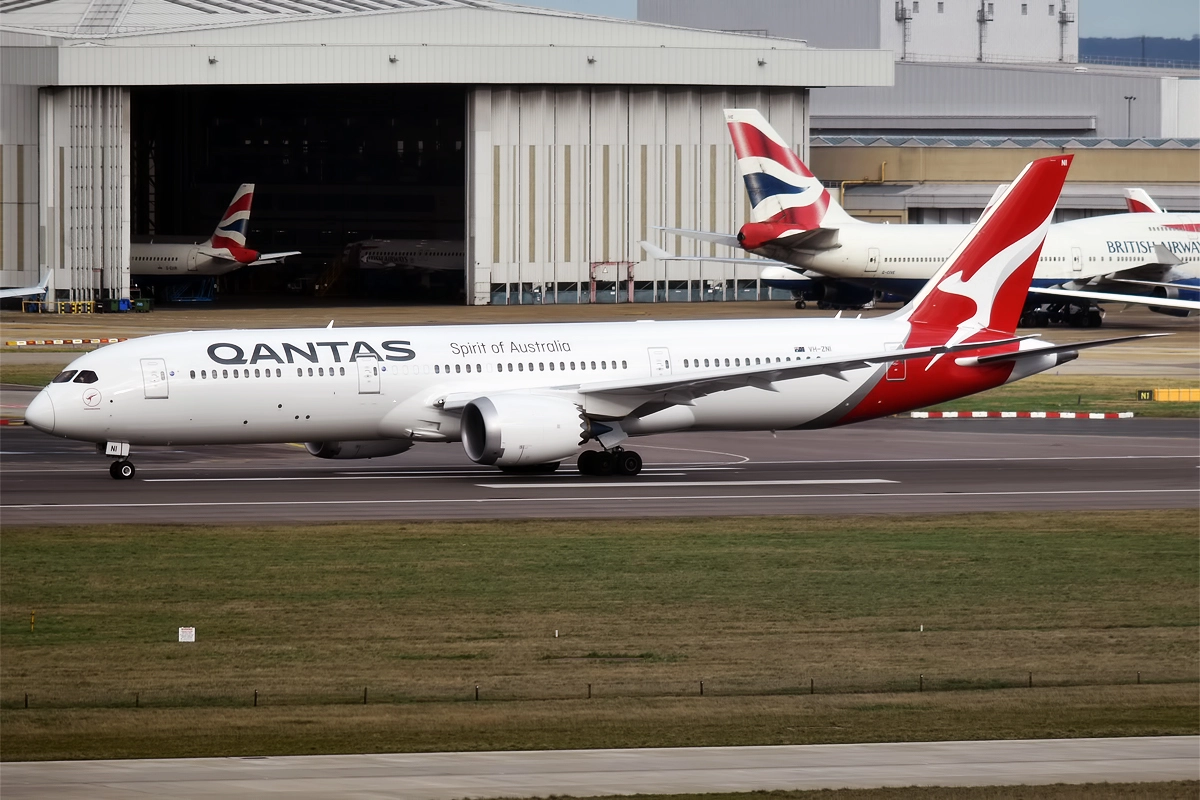
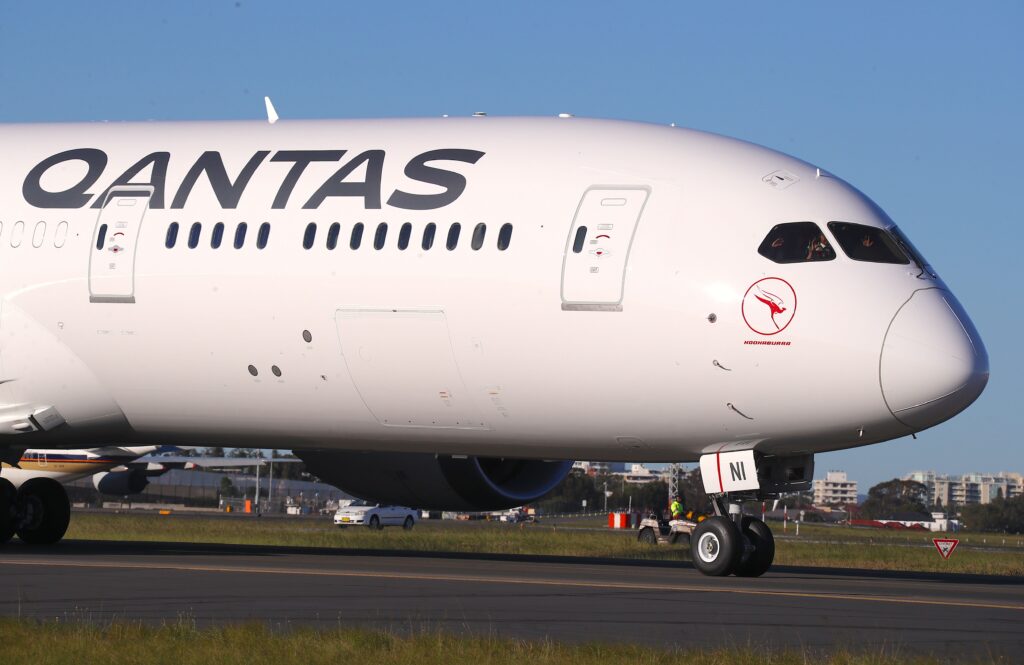
SYDNEY- A Qantas (QF) Boeing 787 made an unscheduled stop at Karratha Airport (KTA) in Western Australia on Tuesday, June 23, while operating flight QF10 from London Heathrow (LHR) to Perth (PER). The aircraft, registered VH-ZNA, diverted for additional fuel after stronger-than-expected headwinds increased consumption on one of the world’s longest nonstop routes.
Karratha Airport (KTA), which mainly serves the mining industry of the Pilbara region, rarely handles long-haul aircraft. The stop lasted about an hour before the Dreamliner continued to Perth (PER), arriving later that afternoon.
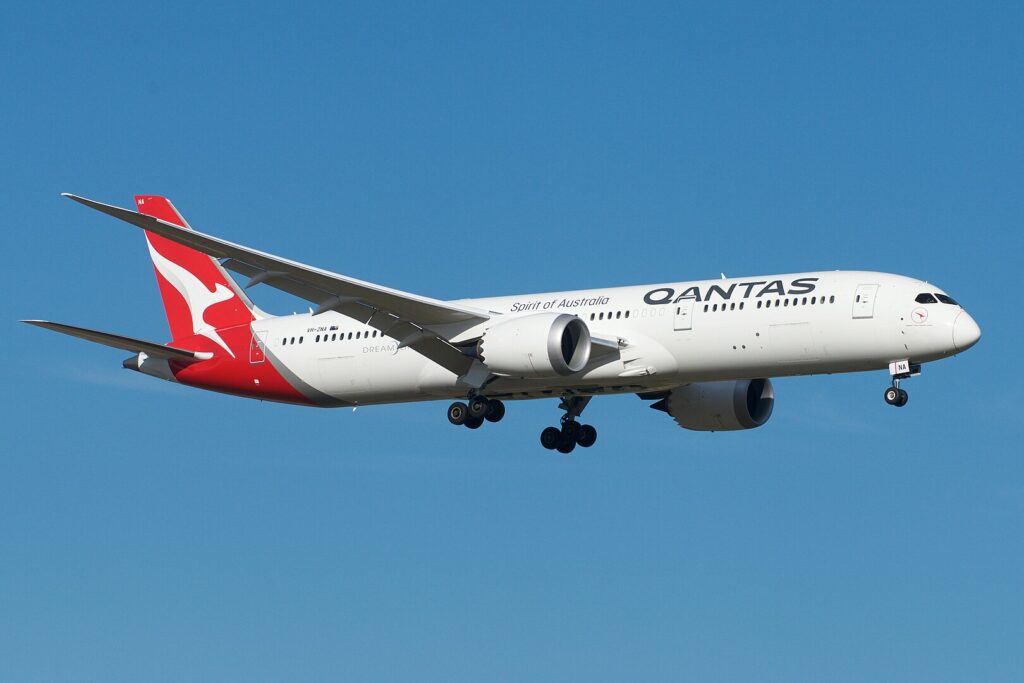
Qantas Boeing 787 Diverts to Karratha for Fuel
Flight QF10 ranks among the longest nonstop services in the world, with the London to Perth journey usually taking more than 17 hours. Qantas introduced the route as a flagship service and an early preview of Project Sunrise, its plan to operate even longer direct flights to Europe and North America.
On this occasion, the flight did not proceed as planned. Qantas confirmed to Australian media that stronger-than-expected headwinds caused the Boeing 787 to burn more fuel than originally calculated. Weather conditions along the route also shifted during the flight.
As a precaution, the crew decided to take on additional fuel before the final leg to Perth. After more than 16 hours in the air, the aircraft landed in Karratha rather than continuing directly to its scheduled destination. The refueling stop lasted roughly one hour, after which the Dreamliner completed the journey.
Karratha sits approximately 1,500 kilometers north of Perth. The city is known primarily as a hub for the raw materials industry, and scheduled flights mostly connect it with other destinations within Australia, AeroTelegraph reported.
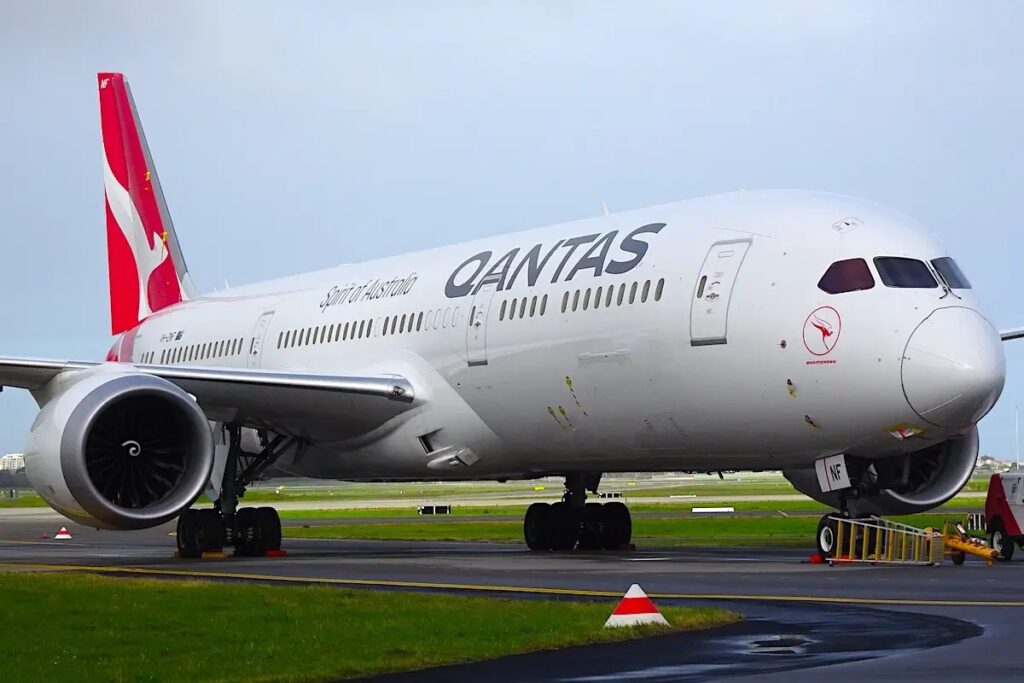
New Airport Status Made the Landing Possible
The ability of the Boeing 787 to land in Karratha, a town of around 15,000 residents, reflects a recent regulatory change.
Only a few weeks before the diversion, the airport received approval to handle larger international aircraft. Authorities also officially designated it as an international alternate airport.
The new status was intended to strengthen aviation infrastructure across Western Australia. Few expected the capability to prove useful so soon after its introduction.
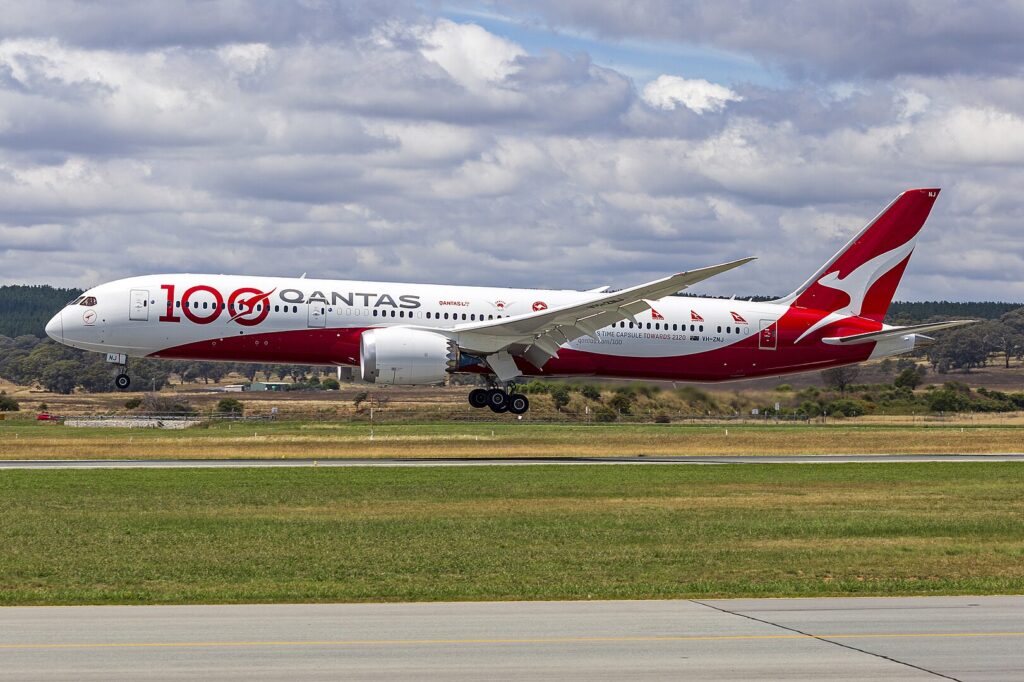
Headwinds and the Reality of Ultra-Long-Haul Flying
The diversion highlights the operational challenges that remain on ultra-long-haul routes. Even modern aircraft such as the Boeing 787 respond to weather conditions, and strong headwinds can significantly raise fuel consumption.
These factors can force adjustments even on carefully planned services. Within the industry, such fuel stops are considered standard precautionary measures that ensure required reserves are maintained throughout the flight.
Project Sunrise and the Airbus A350-1000 ULR
The topic carries added weight given Qantas plans for the future. The airline is developing Project Sunrise, which will use specially equipped Airbus A350-1000 ULR aircraft to fly nonstop from Sydney to London and New York.
These services will involve travel times longer than the current London to Perth route. The A350-1000 ULR offers considerably greater range, which Qantas aims to use to open ultra-long direct connections that no current aircraft in its fleet can operate.
Stay tuned with us. Further, follow us on social media for the latest updates.
Join us on Telegram Group for the Latest Aviation Updates. Subsequently, follow us on Google News
