

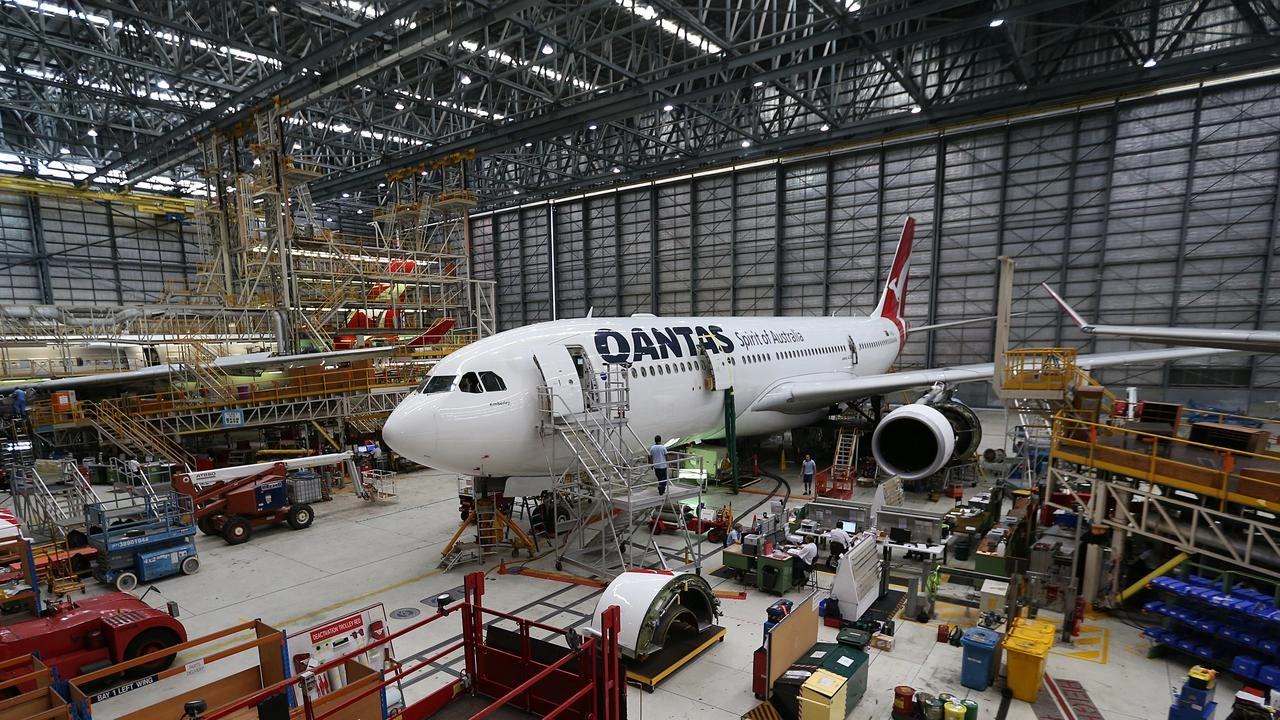
Qantas (QF) is Australia’s flag carrier and one of the oldest airlines in the world, with a strong reputation for safety, engineering reliability, and operational excellence. The airline operates a mixed fleet of Airbus A330s, A380s, Boeing 737s, and 787 Dreamliners, all of which are maintained by a highly skilled in-house engineering workforce.
Behind the scenes, Qantas plays a massive role in ensuring aircraft remain safe, compliant, and efficient. Compared to Middle Eastern airlines, however, the pay structure here is quite different, largely because salaries are taxable and heavily influenced by Australia’s labour agreements and union structures.
For many aviation professionals, working as an Aircraft Maintenance Engineer (AME) or Technician at Qantas remains a respected, stable career choice, even if salary progression is slightly slower than at some global competitors.
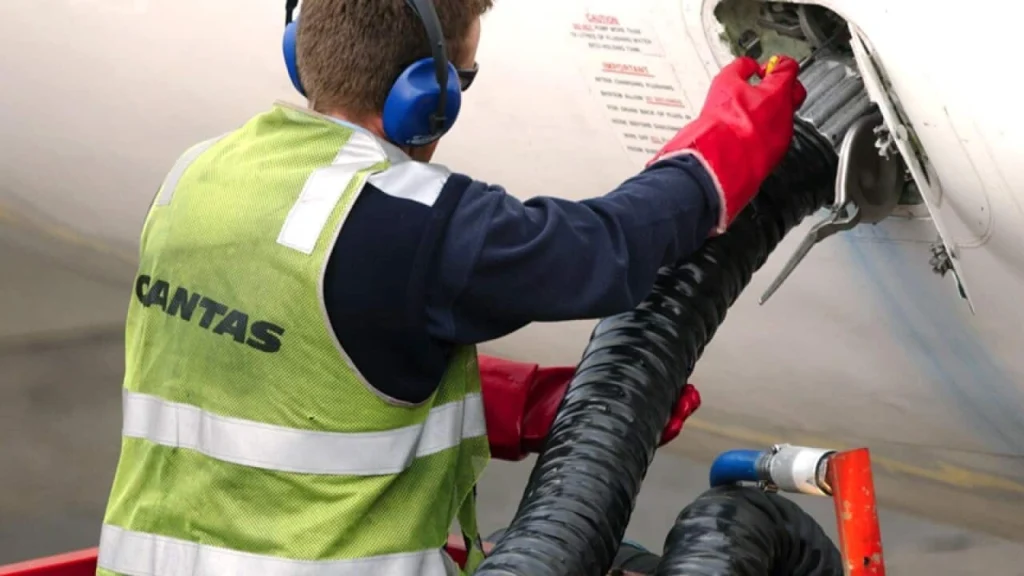
What Do Aircraft Maintenance Engineers and Technicians Do?
At a glance, both roles may sound similar, but the difference lies mainly in certification authority and responsibility.
Aircraft Maintenance Engineer (AME)
An AME at Qantas is a licensed professional who is authorised to certify that an aircraft is safe for flight under CASA regulations.
Their responsibilities include:
- Conducting scheduled and unscheduled maintenance checks
- Diagnosing faults in mechanical and avionics systems
- Supervising technicians and junior staff
- Certifying aircraft for return to service
- Ensuring compliance with strict aviation safety standards
In simple terms, no aircraft departs without an engineer’s sign-off.
Aircraft Maintenance Technician (AMT)
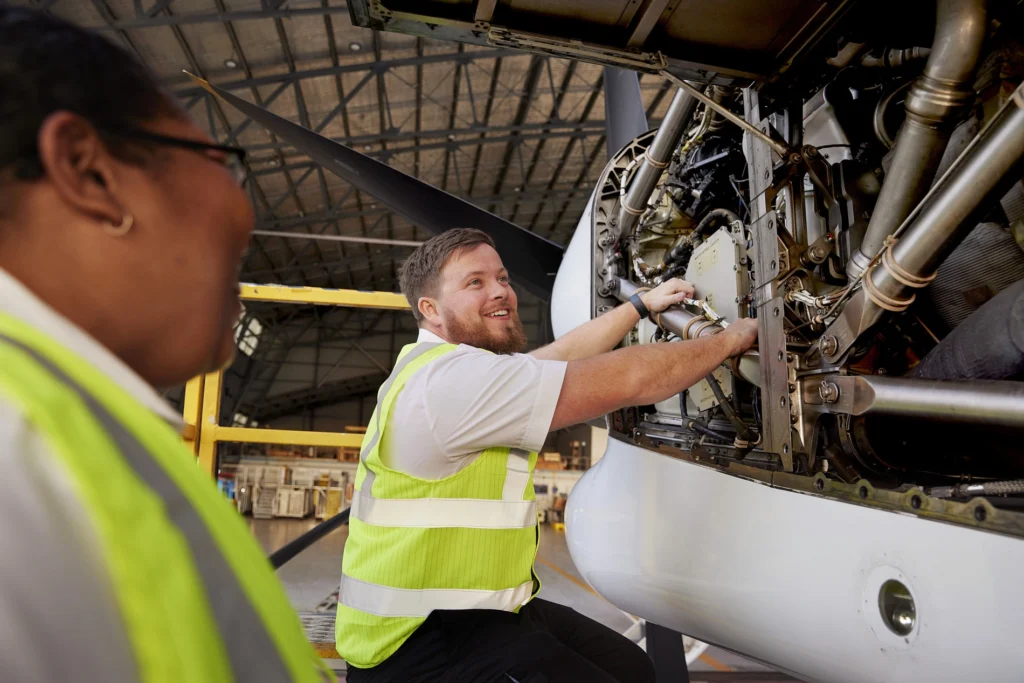
Technicians focus more on the hands-on execution of maintenance tasks.
Typical duties include:
- Performing repairs on aircraft systems and components
- Assisting engineers in troubleshooting issues
- Carrying out routine servicing and inspections
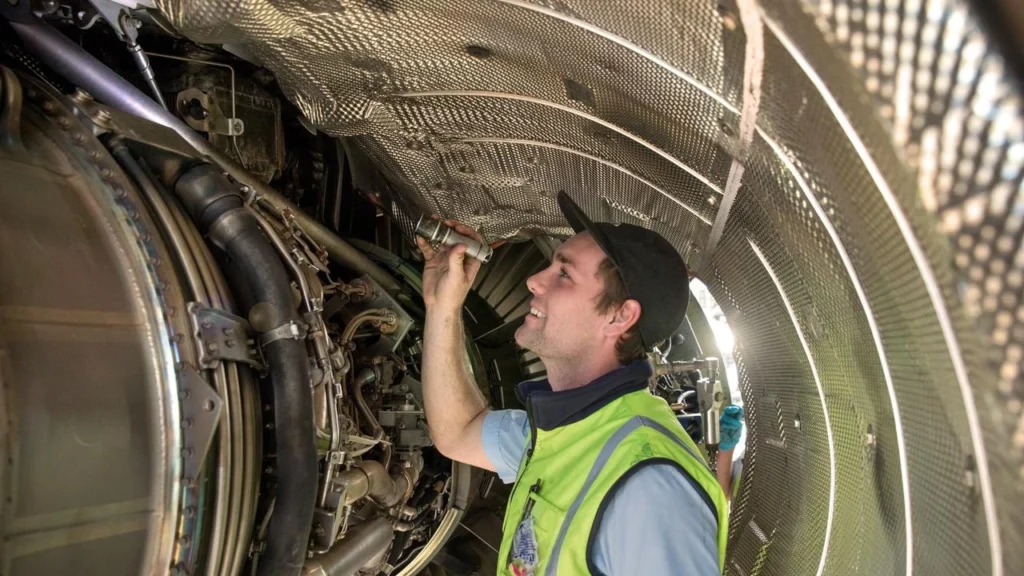
- Working on engines, hydraulics, and electrical systems
- Maintaining tools and safety procedures
They are essential to day-to-day operations, especially in high-utilisation fleets like Qantas’.
Requirements to Join Qantas as an AME or Technician
Getting into Qantas Engineering requires both technical qualifications and relevant experience.
Basic Requirements
- A diploma or degree in aircraft maintenance or aeronautical engineering
- Strong understanding of aircraft systems
- Good English communication skills
- Ability to work shifts, including overnight duties
For Aircraft Maintenance Engineers (AME)
- CASA Part 66 Aircraft Maintenance Licence
- Type rating on aircraft such as Boeing 737, A330, or 787 preferred
- Several years of practical maintenance experience
- Ability to certify aircraft as airworthy
Without a CASA licence, you cannot work as a certifying engineer in Australia.
For Aircraft Maintenance Technicians
- Diploma or vocational training in aircraft maintenance
- Practical experience in aviation maintenance
- Basic certifications or apprenticeship background
- Strong hands-on technical ability
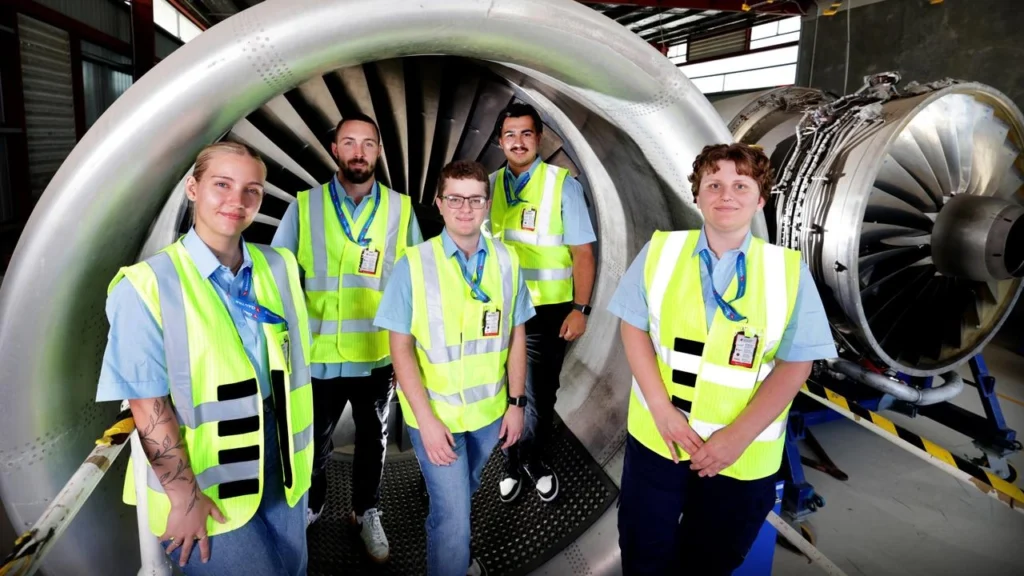
Many technicians join through apprenticeships and gradually move up within the organisation.
Qantas AME and Technician Salary in 2026
Qantas AME Salary
When it comes to salaries at Qantas, the structure is quite different compared to airlines in places like Dubai. Pay is fully taxable in Australia, but base salaries are generally stable and backed by strong union agreements, which means consistent increments over time rather than sudden jumps.
Starting with Aircraft Maintenance Engineers, most entry to mid-level AMEs at Qantas tend to earn somewhere in the region of AUD 95,000 to AUD 110,000 per year. This usually translates to roughly AUD 7,800 to AUD 9,200 per month, before tax.
As engineers gain experience, additional aircraft type ratings, and full certification authority, their earnings increase steadily. More experienced AMEs, particularly those working on widebody aircraft like the A330 or 787, often earn in the range of AUD 115,000 to AUD 130,000 annually, depending on overtime and shift allowances.
Senior engineers or those in supervisory roles can earn slightly higher salaries, sometimes reaching around AUD 135,000 to AUD 145,000 per year, though this varies by location, role, and union agreements. Compared to tax-free regions, the take-home may feel lower, but the stability and structured progression are key advantages.
Qantas Technician Salary
On the technician side, salaries are naturally lower but still fairly solid within Australia’s aviation sector.
Entry-level technicians, particularly those coming out of apprenticeships, typically start at around AUD 55,000 to AUD 65,000 per year. As they gain experience and become more proficient, salaries generally rise to about AUD 70,000 to AUD 85,000 annually.
More experienced technicians, especially those with several years in line maintenance or heavy maintenance roles, can earn in the region of AUD 85,000 to AUD 95,000 per year, sometimes slightly more with overtime.
However, moving beyond this level usually requires transitioning into a licensed AME role. That jump remains the biggest step up in both salary and responsibility within Qantas Engineering.
ALSO READ: Emirates Aircraft Maintenance Engineer and Technician Salary in 2026
Benefits and Perks at Qantas Engineering
One of the strengths of working at Qantas is the overall employment package, which is quite structured and reliable.
Typical benefits include:
- Staff travel benefits and heavily discounted flights
- Annual leave and paid holidays
- Superannuation (retirement contributions)
- Health and wellness programs
- Union-backed job security
- Training and career progression opportunities
While the salaries are taxed, these benefits add stability and long-term value.
Bottom Line
Working as an Aircraft Maintenance Engineer (AME) or Technician (AMT) at Qantas in 2026 offers a stable and well-respected career path within the aviation industry. The airline may not offer tax-free salaries like Middle Eastern carriers, but it makes up for it with structured pay, strong job security, and consistent career progression.
AMEs earn significantly more due to their certification authority, often crossing AUD 120,000 annually, while technicians typically remain in the AUD 60,000 to AUD 90,000 range.
The pathway is clear—technicians who obtain licences can move into engineer roles and see a major jump in both salary and responsibility. It’s not the highest-paying market globally, but it’s one of the more stable ones, which still matters quite a bit in aviation.
Qantas AME and Technician Salary FAQs
An AME is a licensed professional who can certify aircraft as airworthy, while a technician performs maintenance tasks under supervision and does not usually have certification authority.
No, salaries in Australia are subject to income tax, which reduces take-home pay compared to tax-free jobs in the Middle East.
Yes, many technicians progress into AME roles by obtaining a CASA Part 66 licence and gaining the required experience.
Stay tuned with us. Further, follow us on social media for the latest updates.
Join us on Telegram Group for the Latest Aviation Updates. Subsequently, follow us on Google News
