

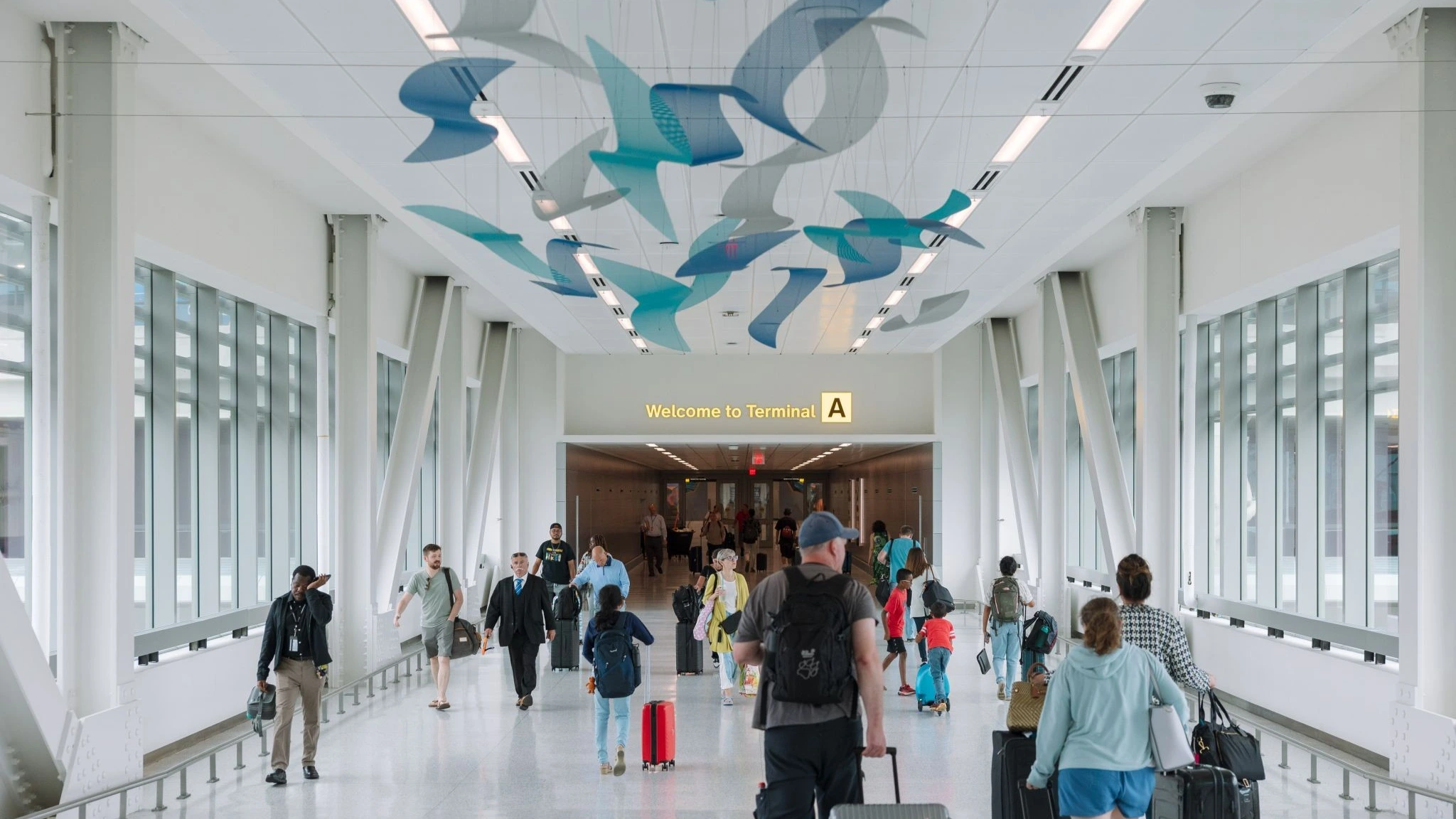
CHICAGO- Flight attendants and airport staff want passengers to reach their destinations safely and on time, yet missed connections remain a common travel challenge.
While weather, air traffic congestion, and operational delays are often unavoidable, travelers can take simple steps to lower the risk.
An anonymous retired United Airlines (UA) flight attendant has shared practical advice on the mistakes that raise connection risks.
Whether passengers transit through Chicago O’Hare International Airport (ORD) or another major hub, careful planning improves the chances of making the next flight on time.
Flight Attendant Reveals the Most Common Connecting Flight Mistakes
Missing a connecting flight can trigger rebooking delays, extra expenses, overnight stays, and disrupted plans.
According to a retired United flight attendant interviewed by Travel + Leisure, many missed connections are unavoidable, but several common mistakes make the situation worse.
The former crew member noted that airline employees often face frustrated passengers during disruptions despite having limited control over weather and congestion delays. Travelers who plan ahead, however, can reduce the avoidable risks.
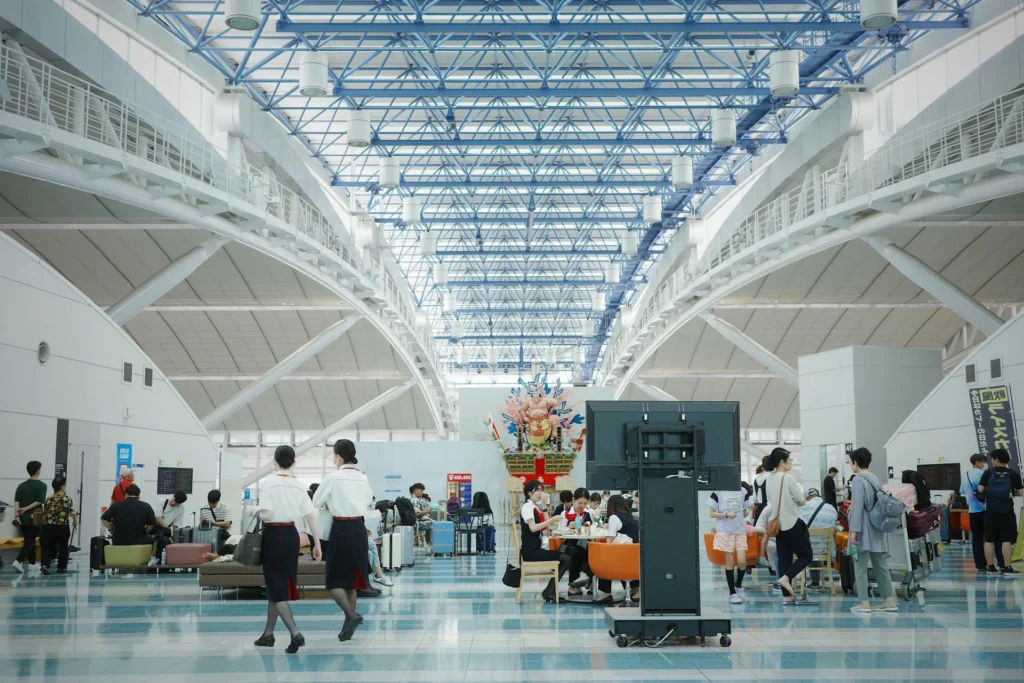
Airline booking platforms may offer itineraries with tight connection windows, but these schedules leave little room for delays.
Large airports can require passengers to walk long distances, change terminals, or use airport trains, and transferring between gates sometimes takes 30 minutes or more.
“Always err on the side of caution,” the source advised, noting that airport maps are available through airline apps and airport websites and can show how long a terminal transfer will take.
As a general guideline, a minimum layover of about 45 minutes is recommended for domestic flights, while international connections often need at least two hours. The ideal time ultimately depends on the size, layout, and passenger volume of the airport.
Booking Flights on Separate Airlines
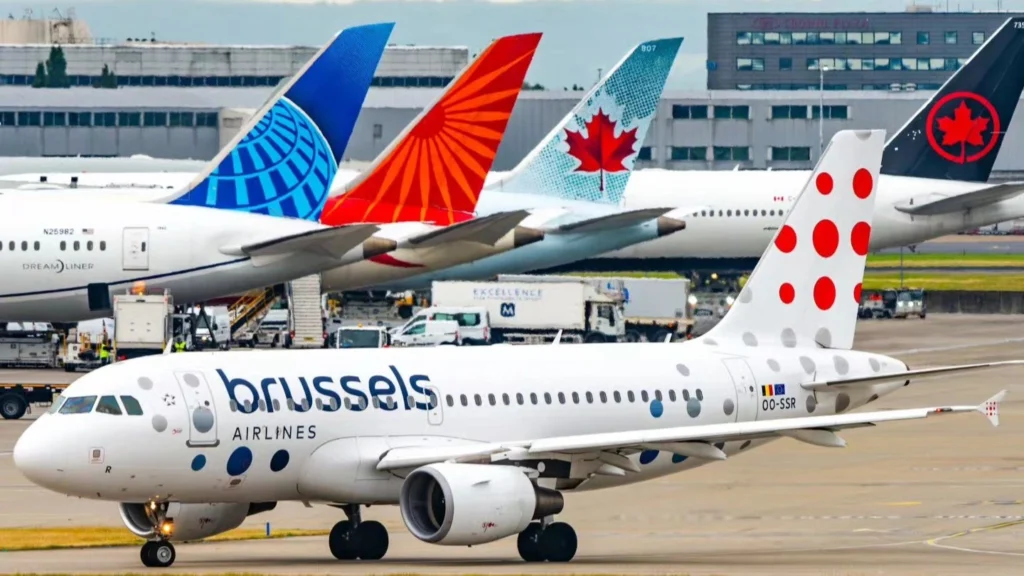
Buying separate tickets on different airlines may look cost-effective, but it creates real challenges during a connection.
Different carriers often operate from separate terminals, increasing the distance between flights, and they generally do not coordinate reservations booked on separate tickets.
Gate agents may extend boarding for passengers arriving on a delayed leg when all segments sit under one reservation. Travelers on separate tickets usually lose this flexibility, because the second airline has no visibility into the incoming itinerary.
Compensation, hotel accommodations, meal vouchers, or rebooking help, though never guaranteed, are also harder to obtain when flights are booked separately.
Selecting Seats in Back of Aircraft
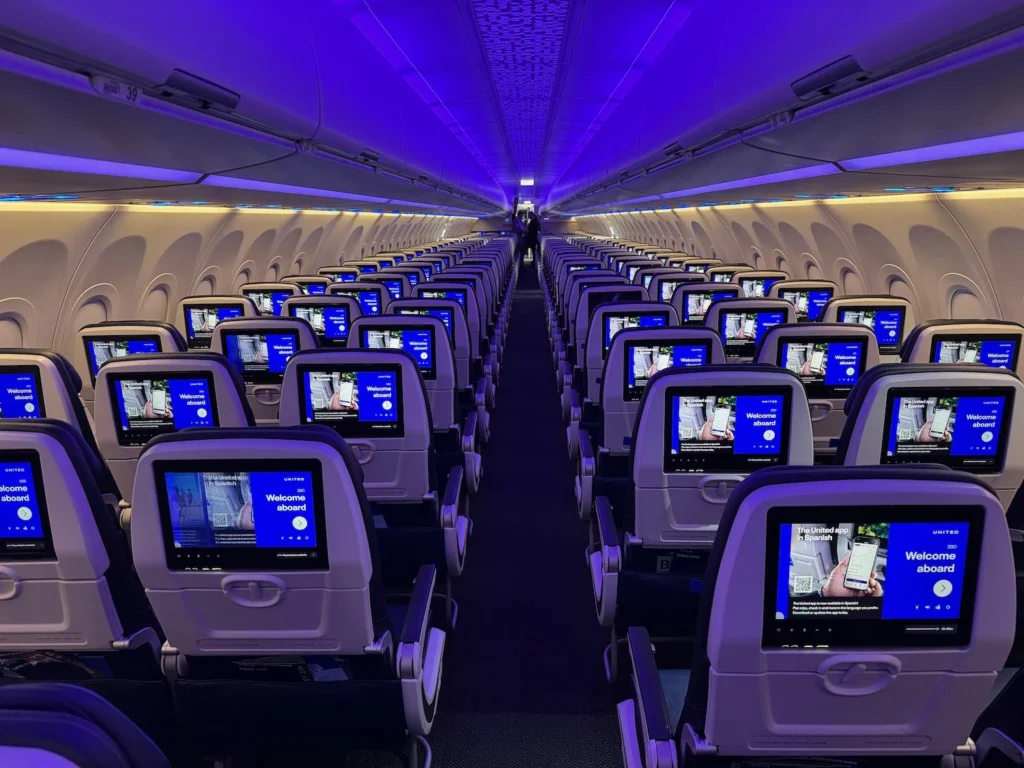
Seat position has a direct impact on the ability to make a tight connection. Passengers near the rear need more time to exit, since deplaning moves row by row, and travelers with limited time can lose valuable minutes before reaching the terminal.
“It may seem like common sense, but you’d be surprised to see the number of passengers barreling down the aisles from the last rows after we pull up to the gate,” the source shared.
Fellow travelers may accommodate an urgent connection, but there is no guarantee, and rushing forward can create congestion or arguments. A seat closer to the front reduces deplaning time and improves the odds of reaching the next gate before boarding closes.
Overlooking Early Morning Flights
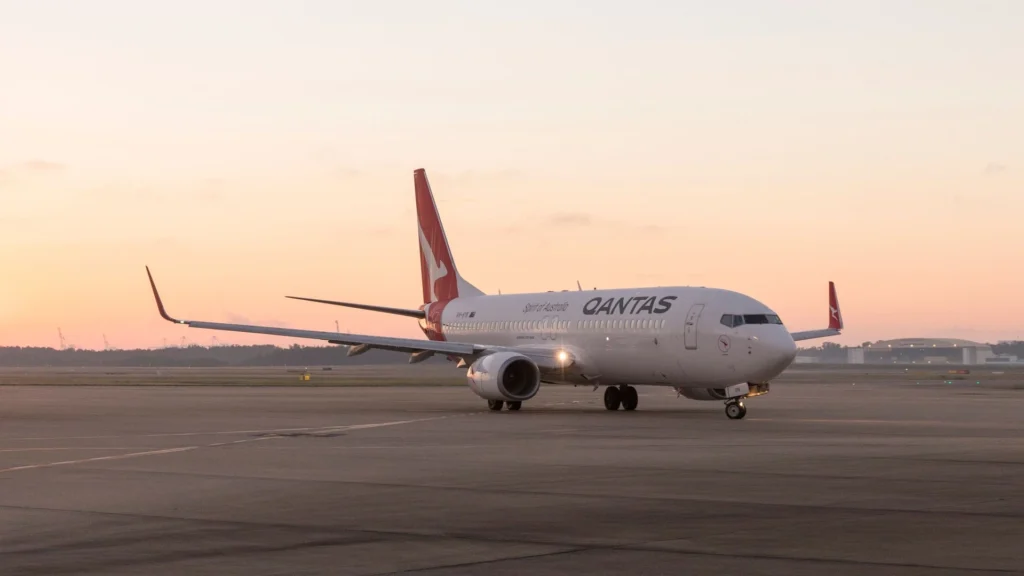
Early morning departures generally face fewer delays than later flights. Because they are usually the first departures on an aircraft’s schedule, they are less likely to inherit delays from earlier operations.
As the day progresses, disruptions tend to build across an airline’s schedule, raising the chance of late arrivals and missed connections.
A later missed flight can also force an overnight stay, and airlines do not always cover hotel or meal costs.
In some cases, checked baggage stays inaccessible until the next day. An early start trades a minor loss of sleep, which a nap or a large coffee can ease, for a far smoother travel day.
Checking Luggage
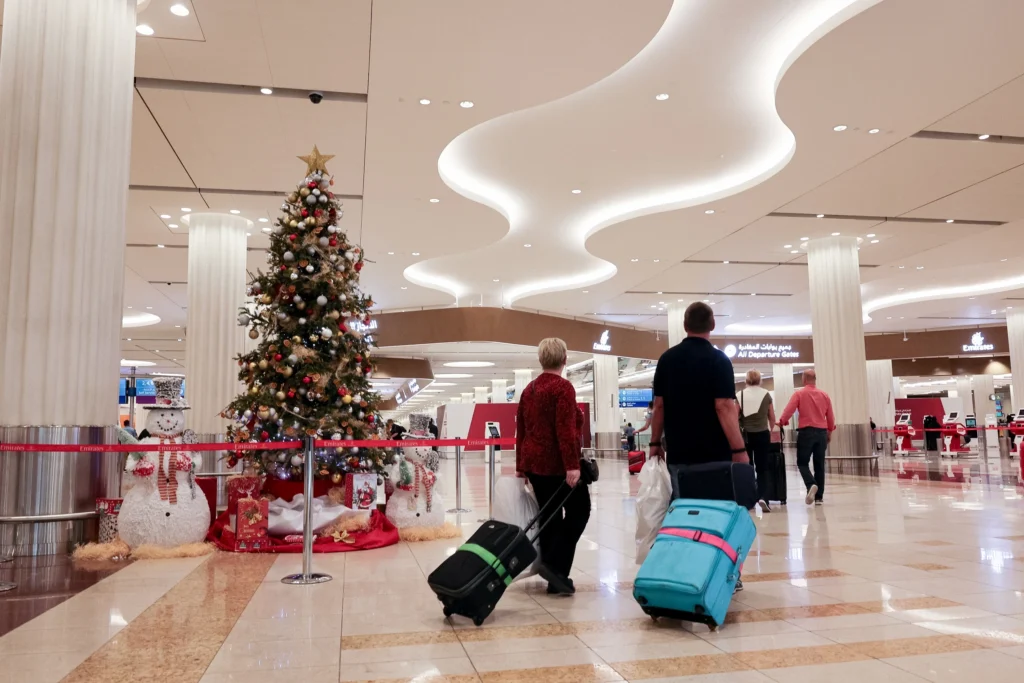
Traveling with only carry-on baggage simplifies connections and keeps personal belongings within reach throughout the journey. It also removes the risk of a checked bag missing the next flight during a transfer.
“Gate-checking bags gets a bad rap,” the source said. Overhead bin space may be limited on smaller aircraft, but many gate-checked bags are returned at the jet bridge on arrival, which is often faster than a trip to baggage claim after a disruption.
When possible, packing light adds useful flexibility during unexpected schedule changes.
Stay tuned with us. Further, follow us on social media for the latest updates.
Join us on Telegram Group for the Latest Aviation Updates. Subsequently, follow us on Google News
