

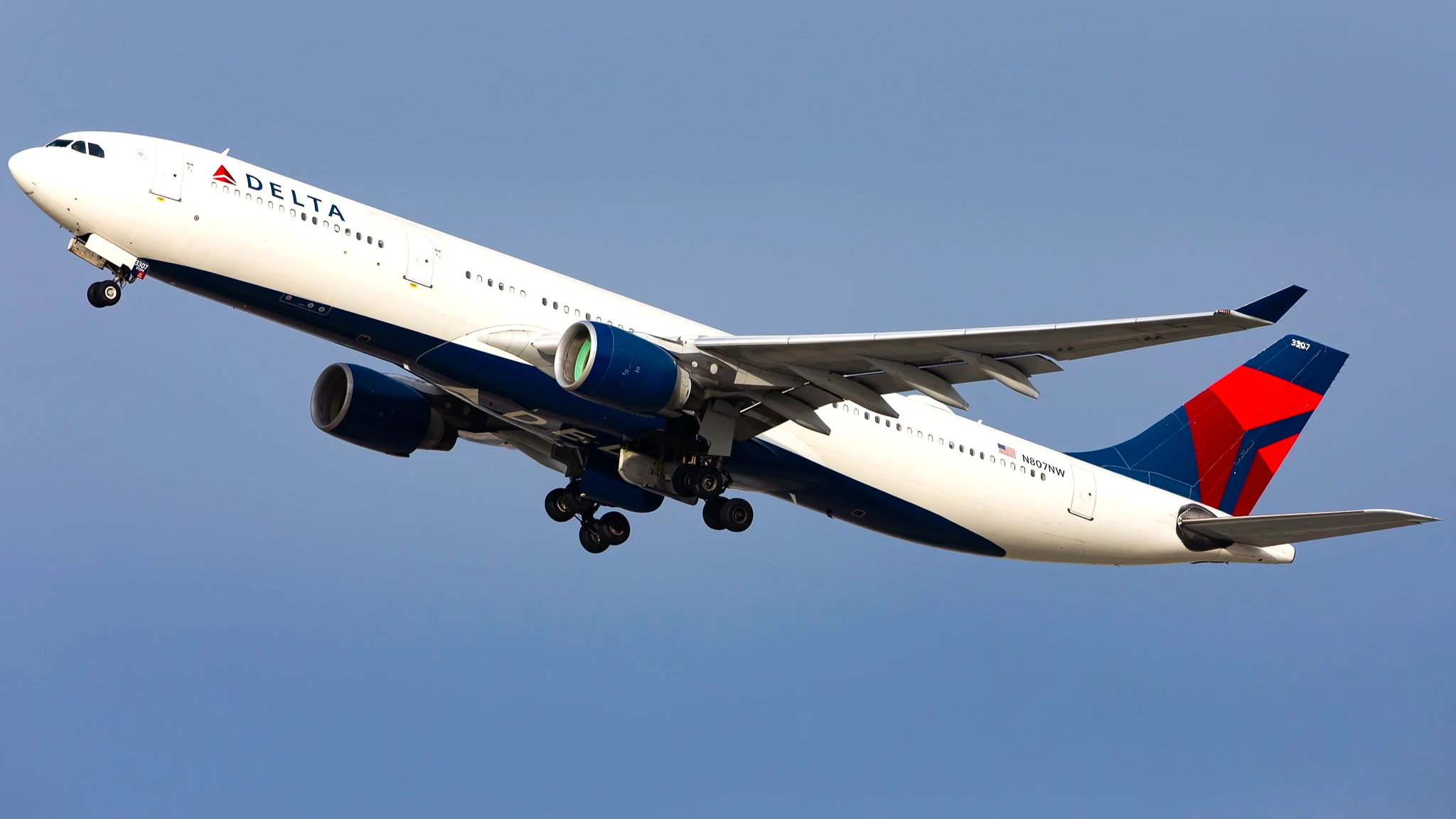
ATLANTA- Delta Air Lines (DL) flight attendant Princilla lives in Accra, Ghana (ACC), while her assigned base is New York JFK. She recently moved back to Ghana after previously living and working from Seattle and transferred her base to New York.
Princilla has been making the Accra to New York commute for about a month. Her experience shows how airline employees can live far from their bases, while seniority, reserve duty, limited flight options, standby travel, and commuting costs can make an international commute difficult.
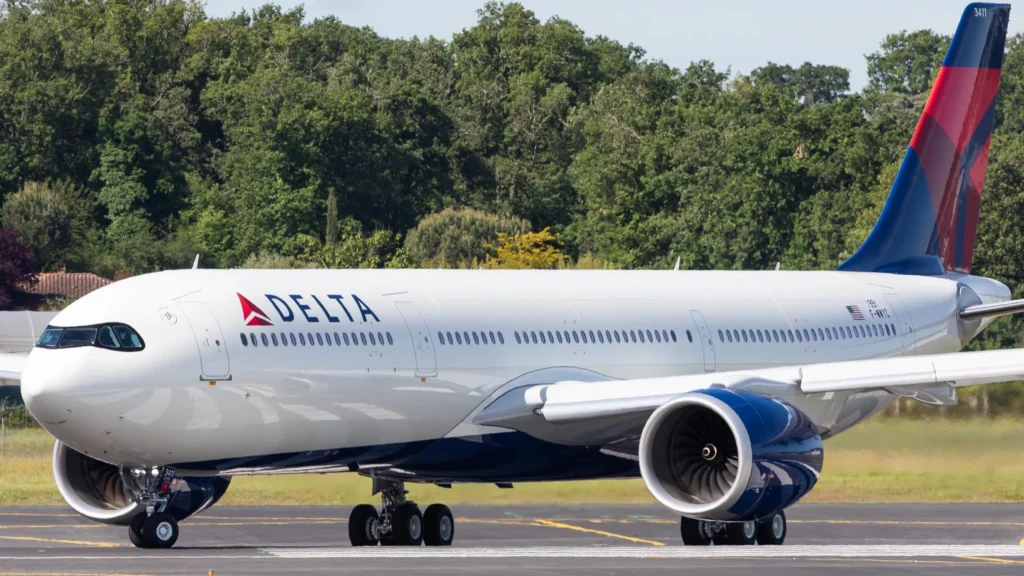
How Accra to New York Commute Works
Princilla recently shared a roughly 15 minute video explaining how she manages her job at Delta while living in Accra. She is still relatively junior, which limits her control over her schedule and can result in reserve assignments.
When she is on reserve, she can be assigned a trip when the airline needs additional crew, including during irregular operations or when other flight attendants call out. Her reserve periods can last six consecutive days, and she must be in New York during that time.
That requirement makes reliable commuting essential.
According to the account reported by OMAAT, Delta’s commuting policy requires flight attendants to leave enough buffer so that two possible flights could still get them to their base in time to report.
Because of that, Princilla generally needs to reach New York about two days before she is scheduled to work.
Princilla travels on a non-revenue, space available basis. This can make employee commuting inexpensive compared with buying a normal ticket, but it does not guarantee a seat on a particular flight.
Accra is also a difficult place from which to commute to New York because the route has limited nonstop options.
The source notes that there is only one daily flight between Accra and New York, leaving much less room for error than a market such as London to New York, where commuters can choose from many nonstop flights each day.
For Princilla, a missed standby opportunity can therefore create a much larger problem because there are fewer later flights that could get her to New York in time.
Her Commute Costs About $1,100 to $1,200 a Month
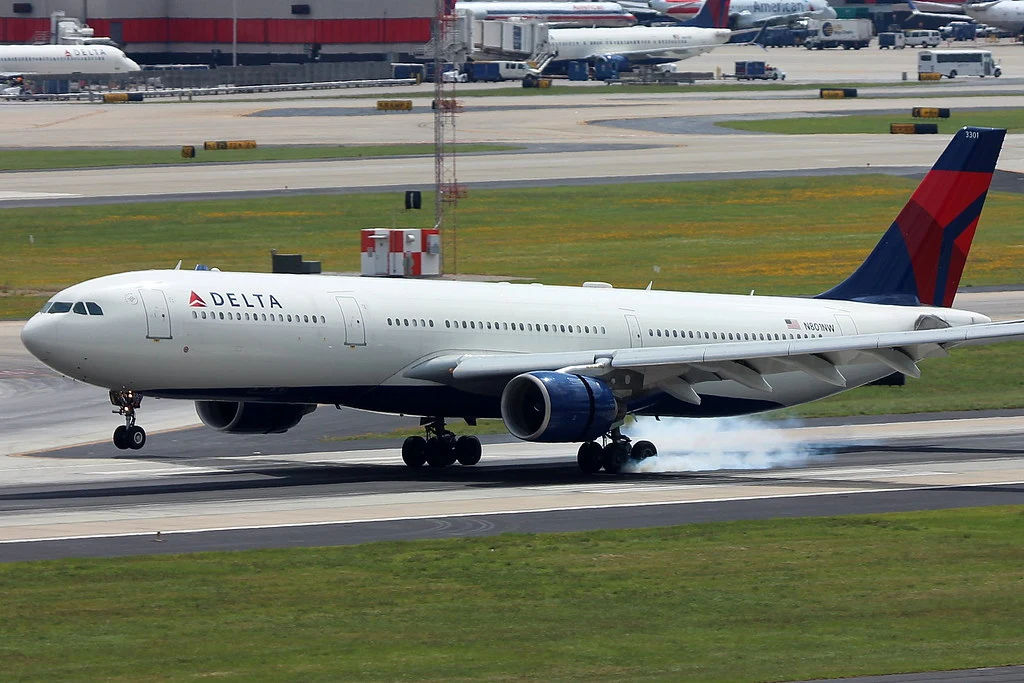
Princilla estimates that her commuting expenses total roughly $1,100 to $1,200 per month, or approximately $13,200 to $14,400 annually.
Her reported costs include more than $250 in taxes and fees when traveling between Accra and New York on employee travel. Most of those charges reportedly come from Ghana rather than the United States.
These are government and airport-related fees rather than a normal commercial fare retained by Delta.
She also pays about $375 per month for a New York crash pad, a shared accommodation used by airline crew members who only need a place to stay for a limited number of days.
Transportation to and from the crash pad costs her another $250 per month.
Princilla initially planned to make the commute about four times a month, but she has so far been commuting roughly twice per month, which reduces both the financial and physical burden.
The lower cost of living in Accra may also offset some of the commuting expense compared with living in New York.

Positive Space Travel
Princilla has also questioned why international employee commuting cannot include some positive-space travel, even if only once a month.
Positive space means a traveler receives a confirmed seat. Standby travel, by contrast, depends on available capacity and does not guarantee transportation on a specific flight.
Her argument is that airlines can allow employees to live almost anywhere, but the practical process of commuting to a distant base can still involve significant uncertainty and planning.
There is, however, a clear business trade-off. A guaranteed seat for an employee could prevent the airline from selling that seat to a revenue passenger. Giving employees positive-space commuting would therefore impose a direct cost on the airline.
Frustrating International Fees
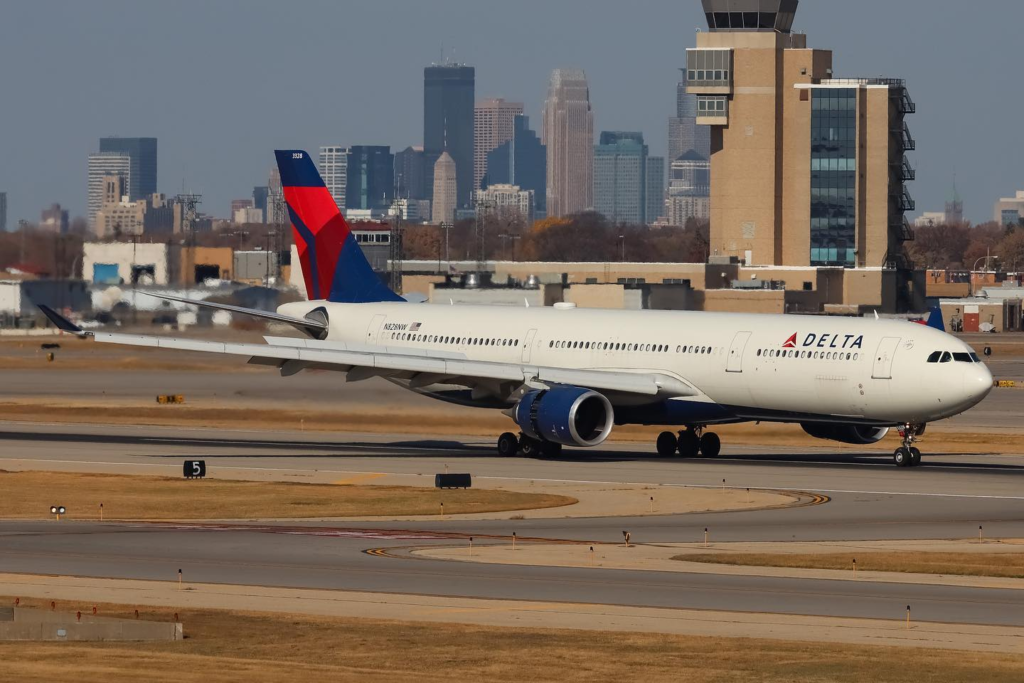
Princilla also hopes the international fees associated with employee commuting can be reduced or eliminated. Domestic commuting can be much cheaper, while international travel can carry substantial government-imposed charges.
Those fees are not simply an additional airline fare. They can include taxes, airport charges, and other government-related costs associated with international travel.
The source also compares the employee travel cost with a Delta SkyMiles award example of $268 round-trip before taxes and fees, illustrating that the government charges can make up a significant part of the overall cost.
Because fares, award prices, and taxes can change, the $268 figure is best treated as the example reported in the source rather than a current fixed price.
How Unusual Is This Commute?
Airline employees commuting between continents are uncommon, but the practice is not unheard of. Some pilots and flight attendants at major U.S. airlines live in Europe, Asia, Australia, and other regions while working from bases in the United States.
Princilla’s situation is particularly difficult because of her combination of low seniority, reserve duty, route limitations, and commuting costs.
A senior pilot, for example, may have enough schedule control to bid for a long international pairing and work only a few trips each month.
The source gives the example of a senior United captain who could potentially structure a schedule around a San Francisco-Singapore route and have more than 20 days free in a month.
A junior flight attendant does not have the same flexibility. Reserve assignments can require her to remain available at base for several consecutive days.

Significant Cost for Junior Flight Attendant
The estimated annual commuting expense is also much more meaningful at a junior employee’s income level.
Spending close to $15,000 per year on commuting represents a substantial share of income for someone earning roughly $40,000 to $50,000. The same cost would represent a much smaller percentage of income for a senior airline captain earning around $400,000.
This makes seniority important not only for schedule control but also for the economics of long-distance commuting.
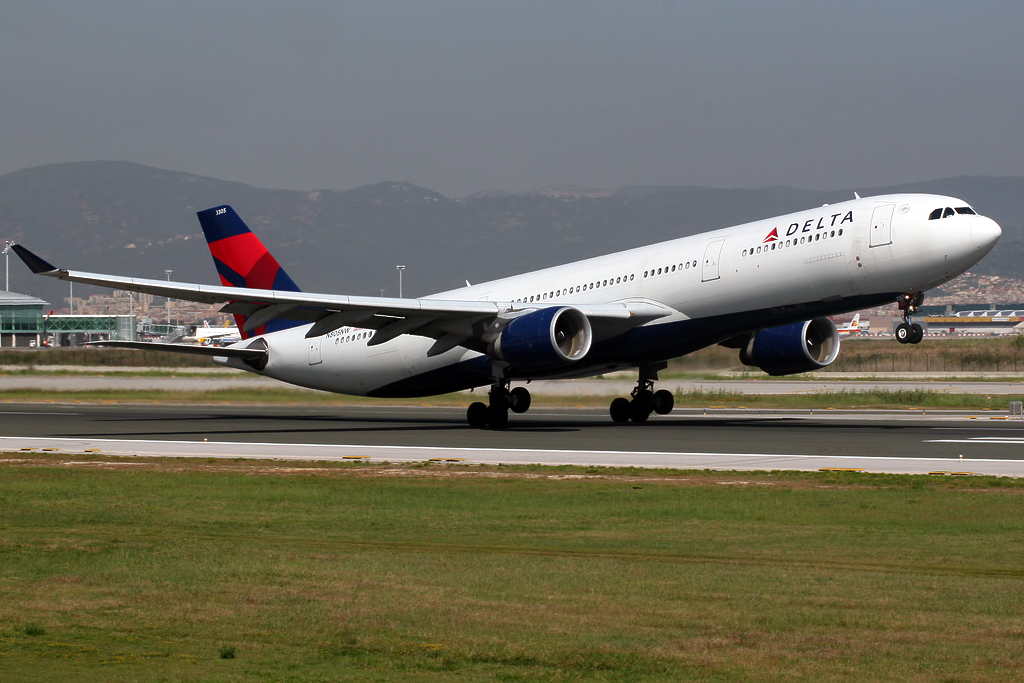
Fatigue May Be Biggest Long Term Issue
The financial cost is only one concern. Repeated international travel can add long travel days, standby uncertainty, airport transfers, disrupted sleep, and additional time away from home.
Those demands come on top of the irregular schedule already associated with flight attendant work.
Princilla had been using this arrangement for only about a month when she described it, so it remains unclear whether she can maintain the commute over the long term.
Her relatively low seniority and need to position herself in New York before reserve duty make the routine particularly demanding.
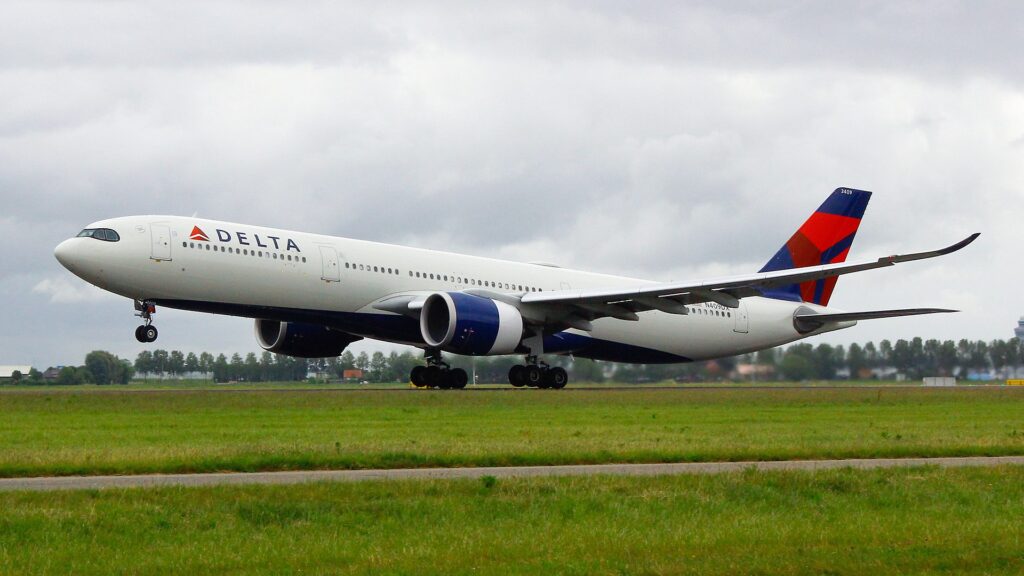
Different Kind of Airline Commute
Princilla’s situation is also different from an AirAsia employee who reportedly commutes by plane every workday between Penang and Kuala Lumpur.
That example involves a much shorter regional journey at a far higher frequency. Princilla’s commute is less frequent but significantly longer, with an international journey between Ghana and the United States required several times a month.
Both cases demonstrate how airline employees can build unusual commuting arrangements around their work, but the practical challenges depend heavily on distance, flight frequency, schedule control, and seniority.
Bottom Line
A junior Delta flight attendant is living in Accra while remaining based in New York, creating an unusual international work commute. She generally travels to New York about 2 days before duty because she needs enough standby options to protect against missed flights.
The arrangement costs about $1,100 to $1,200 per month, including international taxes and fees, a New York crash pad, and local transportation. She originally expected to make the commute four times a month but has been doing it roughly twice a month.
International airline commuting is possible, but Princilla’s combination of limited seniority, six-day reserve periods, limited Accra-New York flight options, and high commuting costs makes her situation especially demanding.
The key long-term question is whether the benefits of living in Ghana outweigh the financial, logistical, and physical demands of repeatedly commuting to New York.
Stay tuned with us. Further, follow us on social media for the latest updates.
Join us on Telegram Group for the Latest Aviation Updates. Subsequently, follow us on Google News
