

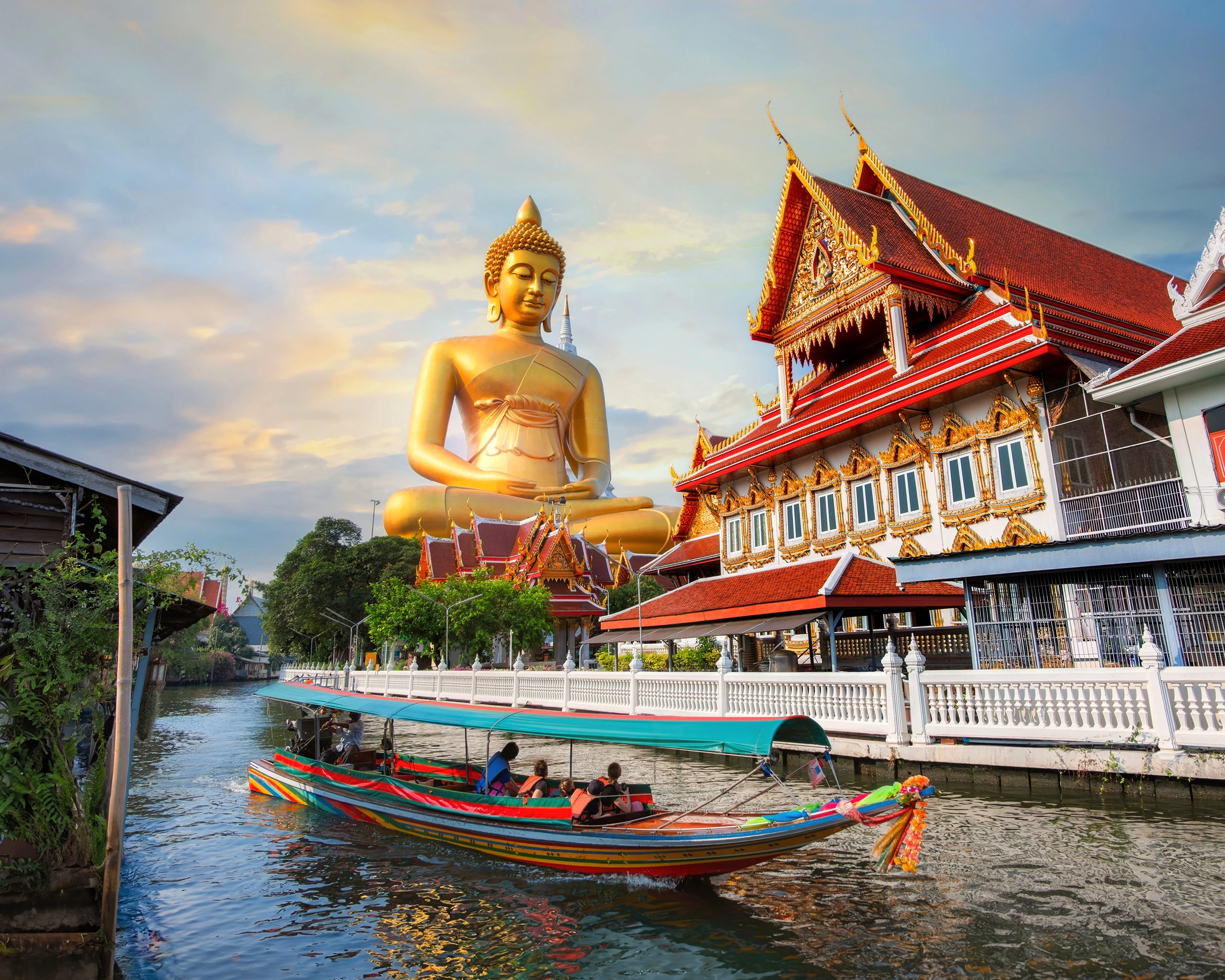
For decades, the global tourism conversation revolved around a familiar cast of characters. Paris. London. New York. Maybe Rome on a good day. But the latest international visitor rankings tell a very different story.
Asia now dominates the world’s busiest travel corridors, Middle Eastern aviation hubs continue to rewrite the rules of connectivity, and some of the biggest tourism success stories are cities that rarely headline traditional bucket lists.
According to Euromonitor International’s 2025 Top 100 City Destinations Index, these are the ten cities that welcomed the highest number of international arrivals over the past year, as reported by World Atlas. The list reveals where travelers are actually going—not necessarily where travel magazines say they should.
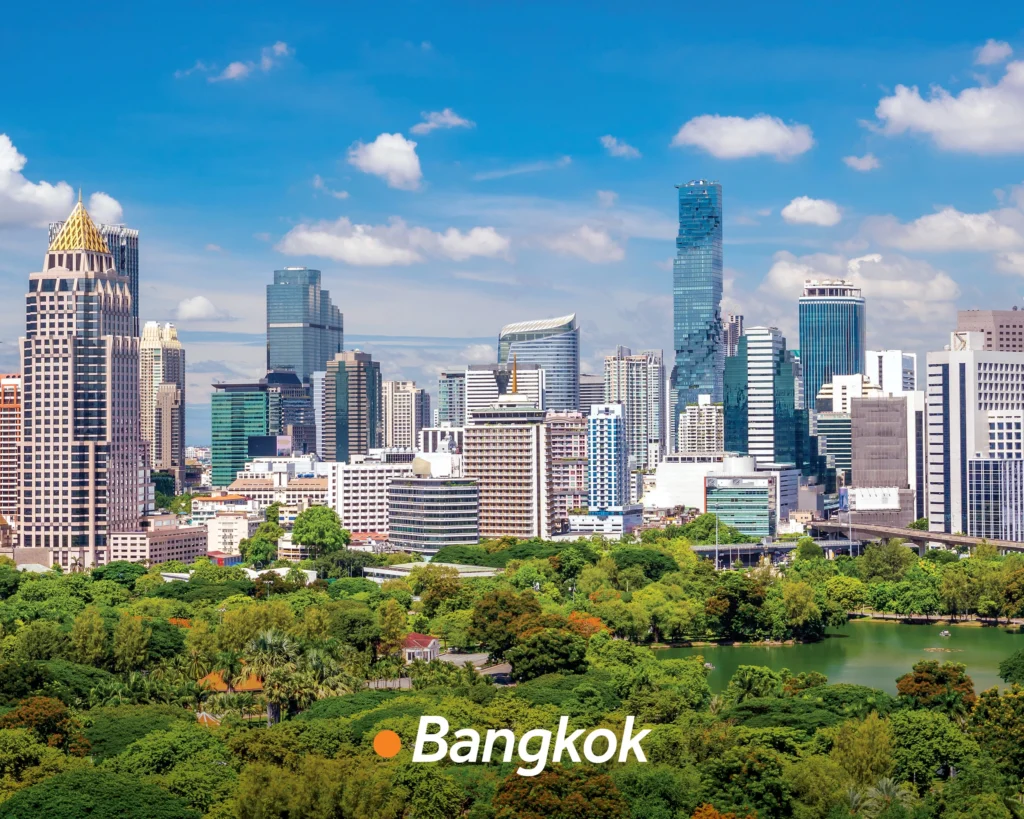
1. Bangkok, Thailand — 30.3 Million Visitors
No city attracted more international travelers in 2025 than Bangkok.
The Thai capital crossed the 30-million-visitor mark, comfortably maintaining its lead over every other destination on the planet. Its appeal is remarkably broad: world-famous street food, centuries-old temples, luxury shopping districts, vibrant nightlife, and easy access to the rest of Southeast Asia.
What makes Bangkok’s performance even more impressive is that arrivals actually declined slightly compared to the previous year. Despite that dip, no rival city came close to matching its volume.
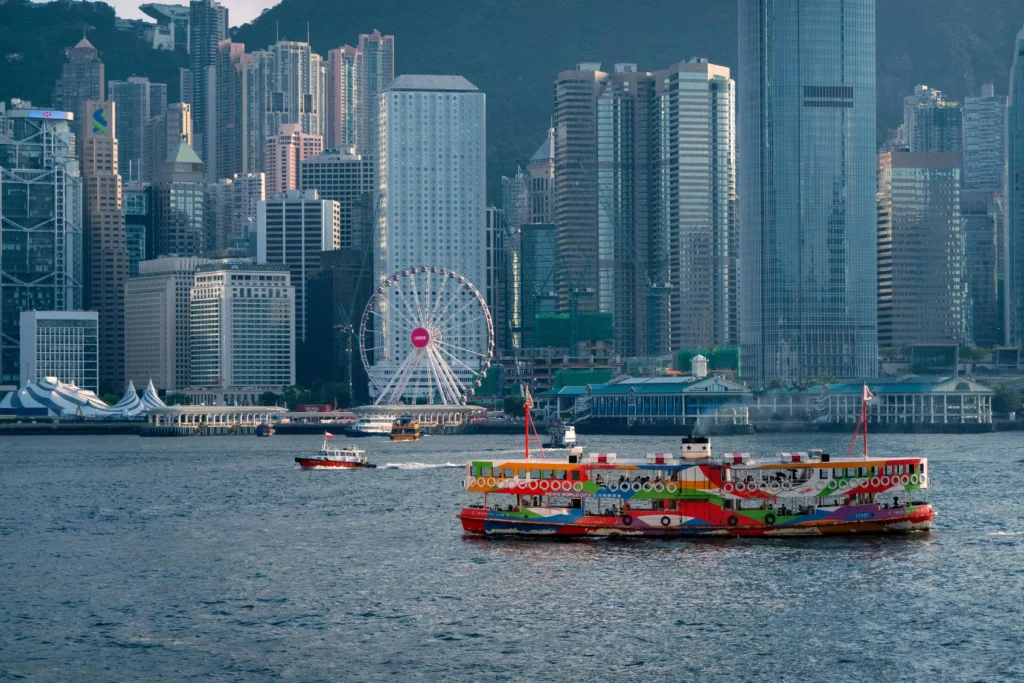
2. Hong Kong — 23.2 Million Visitors
Hong Kong’s tourism recovery is one of the biggest stories in global travel.
After years of disruption, the city surged back into the upper tier of international tourism rankings. Visitors continue to be drawn by its unique combination of modern skyscrapers, mountain landscapes, bustling markets, and a globally renowned food scene.
The city’s position as both a financial center and a gateway into Greater China continues to fuel strong international traffic.
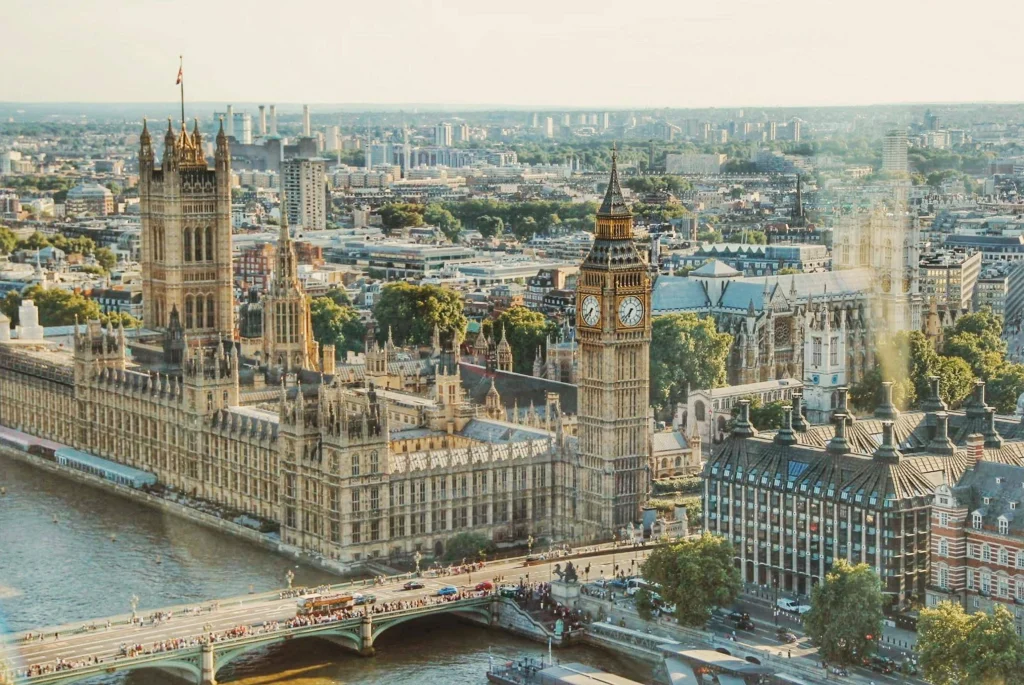
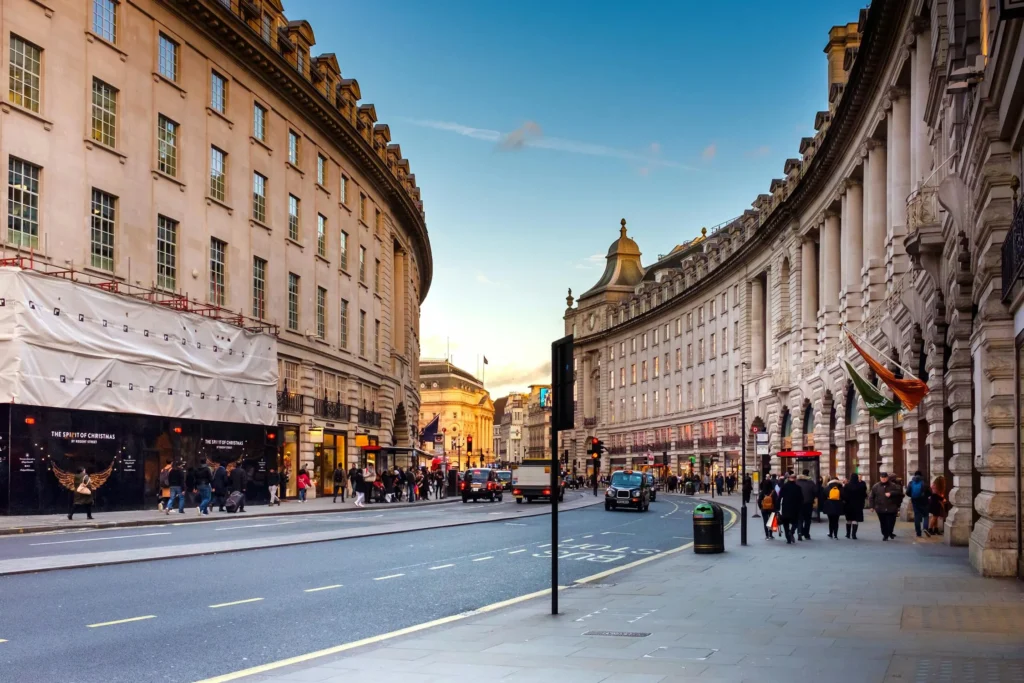
3. London, United Kingdom — 22.7 Million Visitors
London remains the most visited city in Europe and the highest-ranked Western destination on the list.
Few cities can compete with its concentration of world-class attractions. Historic landmarks, royal heritage, globally recognized museums, theater districts, and a vast international airport network make London one of the most resilient tourism markets anywhere.
The city’s enduring appeal lies in its ability to attract first-time visitors and repeat travelers in equal measure.
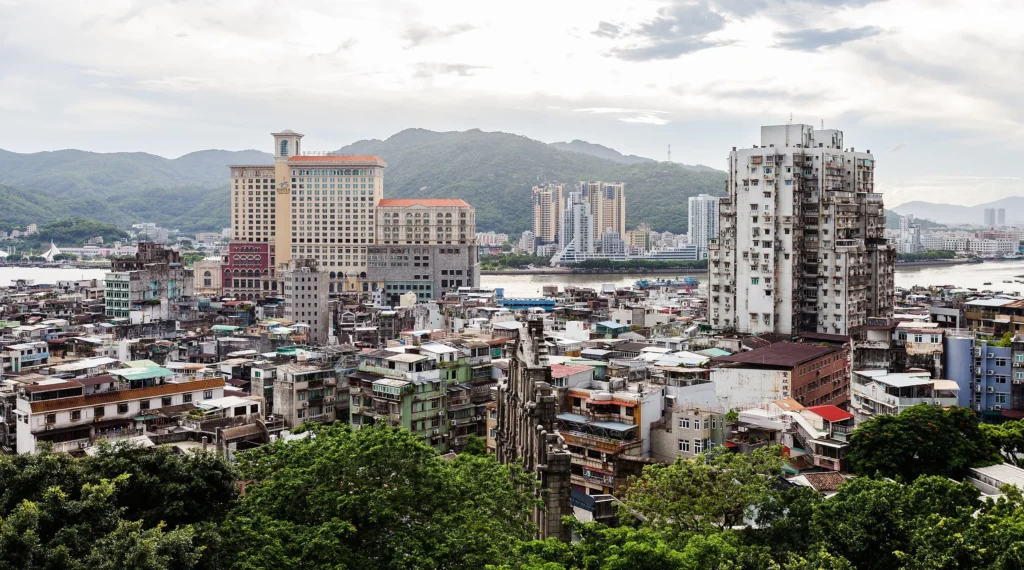
4. Macao, China — 20.4 Million Visitors
Macao recorded the fastest growth among the world’s ten most visited cities.
Often compared to Las Vegas for its enormous gaming industry, the former Portuguese territory has evolved into a broader tourist destination. Historic architecture, UNESCO-listed districts, entertainment complexes, and luxury resorts continue to attract millions of visitors each year.
Much of its traffic originates from neighboring regions, particularly mainland China and Hong Kong.

5. Istanbul, Turkey — 19.7 Million Visitors
Straddling Europe and Asia, Istanbul occupies a position unlike any other major city.
Its historic significance alone would make it a tourism powerhouse. Visitors can explore iconic landmarks such as the Hagia Sophia, the Blue Mosque, and the Grand Bazaar, all within a relatively compact area.
Combined with expanded air connectivity and favorable visa policies, Istanbul has become one of the fastest-rising global tourism destinations.

6. Dubai, United Arab Emirates — 19.5 Million Visitors
Dubai’s transformation from a desert trading center into a global tourism giant remains one of the most remarkable urban success stories of the modern era.
The city has built its reputation on ambition. Home to record-breaking skyscrapers, luxury resorts, massive shopping destinations, and one of the world’s busiest aviation hubs, Dubai continues to attract travelers from virtually every continent.
Its strategic location at the crossroads of Europe, Asia, and Africa also makes it one of the world’s most important transit gateways.

7. Mecca, Saudi Arabia — 18.7 Million Visitors
Unlike the other cities on this ranking, Mecca’s visitor economy is driven almost entirely by religion.
As Islam’s holiest city, it welcomes millions of pilgrims annually for Hajj and Umrah. The scale of these religious journeys places Mecca among the busiest international destinations in the world year after year.
Major investments in transportation infrastructure and accommodation capacity have further increased its ability to host growing numbers of visitors.
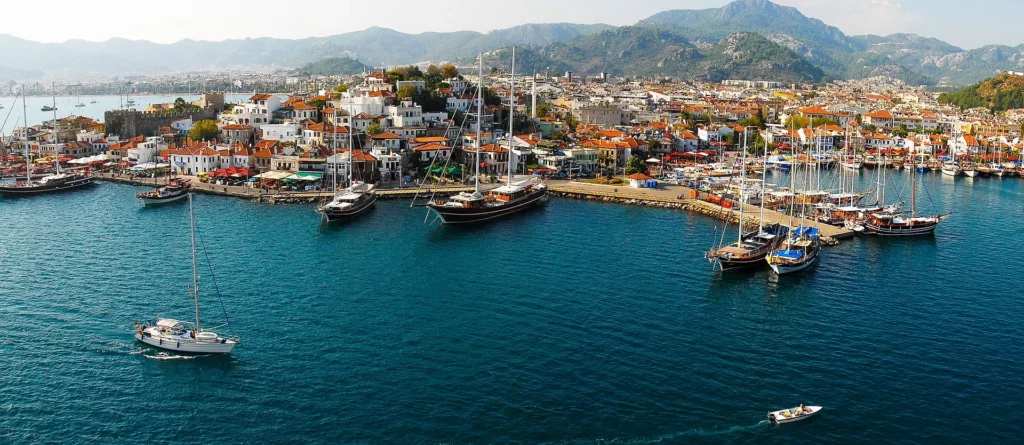
8. Antalya, Turkey — 18.6 Million Visitors
Turkey claims a second spot in the global top ten thanks to Antalya.
Located on the country’s Mediterranean coast, Antalya has become one of Europe’s most popular beach destinations. Travelers are attracted by its turquoise waters, luxury resorts, warm climate, and well-preserved historic districts.
Its continued growth highlights the strength of resort-focused tourism, particularly among European travelers seeking value and sunshine.

9. Paris, France — 18.3 Million Visitors
Perhaps the biggest surprise in the rankings is Paris.
Widely regarded as one of the world’s most iconic travel destinations, the French capital sits outside the top five and lands in ninth place for international arrivals.
That does not mean Paris has lost its appeal. The city remains one of the most admired destinations globally, helped by attractions such as the Eiffel Tower, the Louvre, and the Seine riverfront. The ranking simply illustrates how rapidly tourism flows are shifting toward Asia and major aviation hubs.
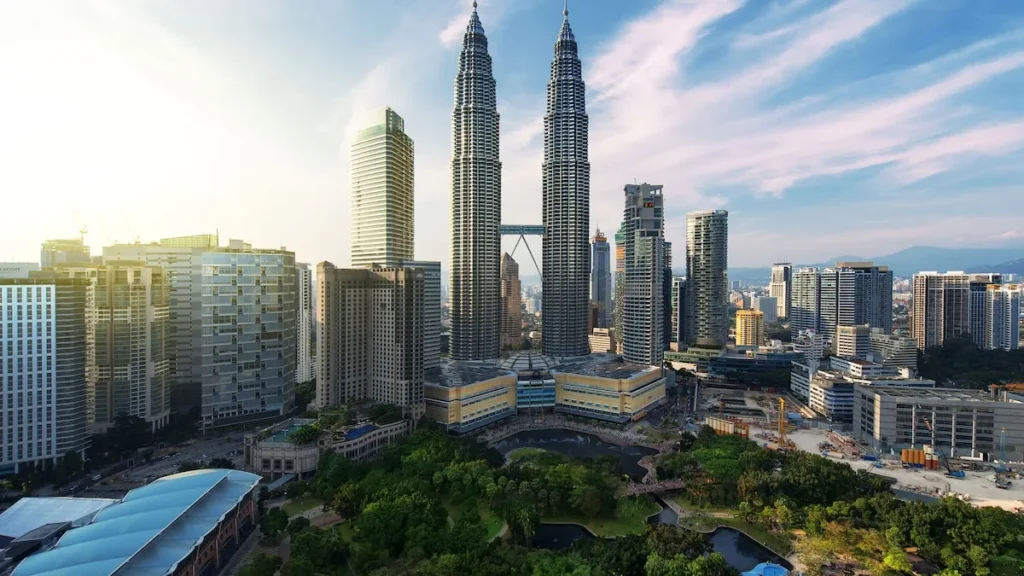
10. Kuala Lumpur, Malaysia — 17.3 Million Visitors
Rounding out the top ten is Kuala Lumpur.
Malaysia’s capital has steadily grown into one of Asia’s most important tourism centers thanks to its affordability, multicultural food scene, modern infrastructure, and extensive air connections.
The city’s skyline, dominated by the Petronas Twin Towers, has become one of the most recognizable urban images in Southeast Asia, helping attract millions of visitors each year.
Bottom Line
Before declaring one city “better” than another, it’s worth understanding what these numbers actually measure.
International arrivals count border crossings rather than individual tourists. A traveler making multiple trips during the year may be counted several times.
Major airline hubs benefit enormously from transit traffic, while pilgrimage destinations attract visitors for reasons entirely different from leisure tourism.
In other words, these rankings measure movement, not necessarily popularity.
Stay tuned with us. Further, follow us on social media for the latest updates.
Join us on Telegram Group for the Latest Aviation Updates. Subsequently, follow us on Google News
