

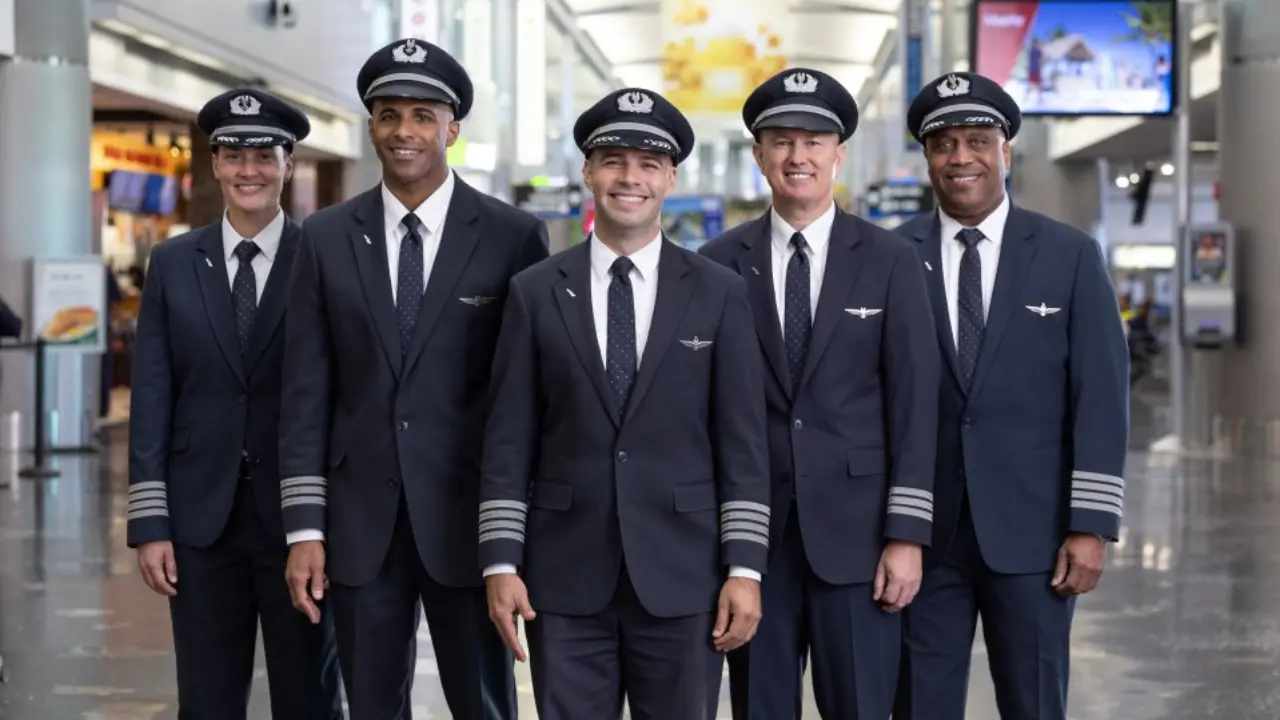
FORT WORTH- American Airlines (AA) has drawn criticism from some frequent flyers after deadheading pilots began appearing ahead of passengers on first-class upgrade lists. While the practice is highly visible on American, similar and often more generous policies exist at United Airlines (UA), Delta Air Lines (DL), and Alaska Airlines (AS).
The Airline places eligible deadheading pilots at the top of the airport upgrade queue as part of its 2023 pilot contract. Because these upgrades are processed at the airport, passengers can often see the changes happen in real time, creating a level of visibility that is uncommon at competing airlines.
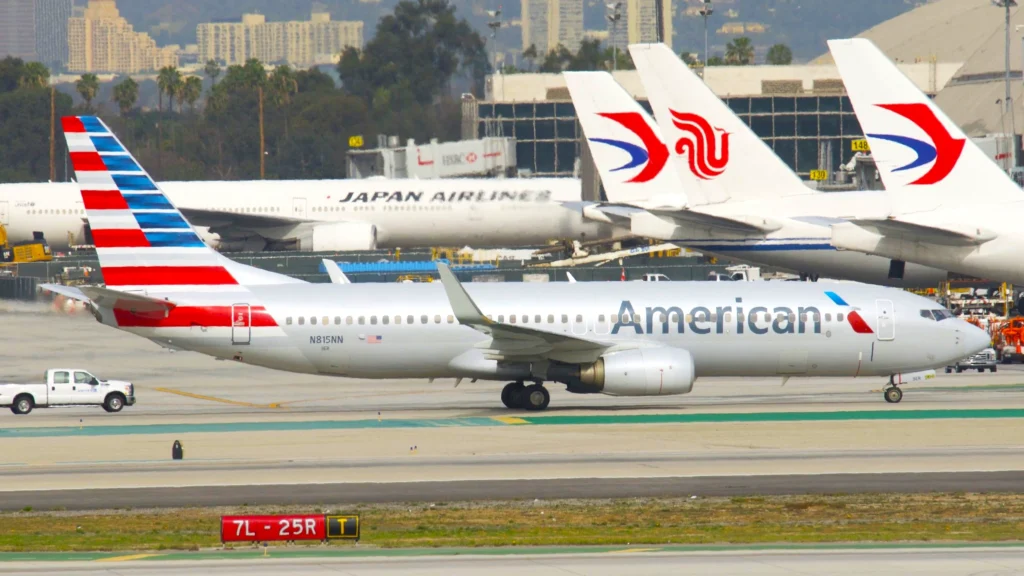
American Airlines Deadheading Pilot Upgrade Policies
Deadheading occurs when a pilot travels as part of a work assignment to operate another flight. The pilot is on duty and is being repositioned by the airline rather than traveling for personal reasons.
Premium cabin accommodations for deadheading pilots have become a standard practice among major US airlines through collective bargaining agreements.
While some customers view these upgrades as reducing their chances of receiving a first-class seat, airlines and pilot unions generally consider them an operational benefit for working crew members.
The debate has intensified as loyal customers question whether premium cabin availability should prioritize paying passengers or airline employees traveling on company business.
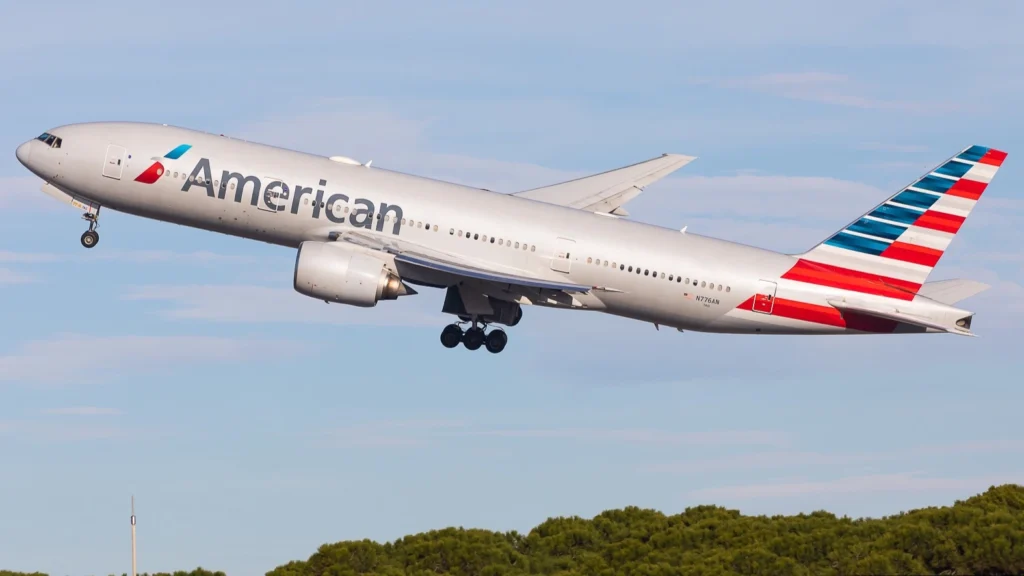
American Airlines’ Deadheading Pilot Policy
American Airlines implemented changes to its deadheading procedures following the ratification of its pilot contract in 2023.
According to an internal Airport Excellence Advisory effective December 2, 2023, pilots traveling under A1DP and A3DP status are automatically placed at the top of the upgrade list at check-in.
Key details of the policy include:
- Deadheading pilots are assigned dedicated A1DP or A3DP priority status.
- Eligible pilots display on the upgrade list with the Upgrade Priority Code UPG0.
- Pilots checking in through Travel Planner or the American Essentials app are automatically added to the upgrade list.
- Pilots checking in through the American Airlines mobile app or AA.com may require manual placement on the upgrade list by a Customer Care representative using the UPG priority code.
- Once entered into the system, the priority code is automatically updated to UPG0.
- Revenue customers whose upgrades have already cleared before a deadheading pilot is added to the list do not lose their confirmed upgrades.
For domestic flights, American Airlines generally books deadheading pilots in economy class. Premium cabin access is awarded from any remaining upgrade inventory available at the airport.

Customer Complaints
American Airlines receives more public criticism largely because customers can see the process unfold.
Passengers often monitor available first-class seats and track their position on the airport upgrade list. When a deadheading pilot is added ahead of them, the change becomes immediately visible.
This creates the perception that a pilot has directly taken a seat that a customer expected to receive.
According to View from the Wing, the visibility of American’s process is the primary reason the airline receives more complaints than competitors, even though several rival carriers provide pilots with stronger upgrade protections.
By contrast, customers at other airlines often experience the same outcome differently. Instead of seeing a pilot move ahead on a list, they simply find that upgrade inventory never becomes available in the first place.
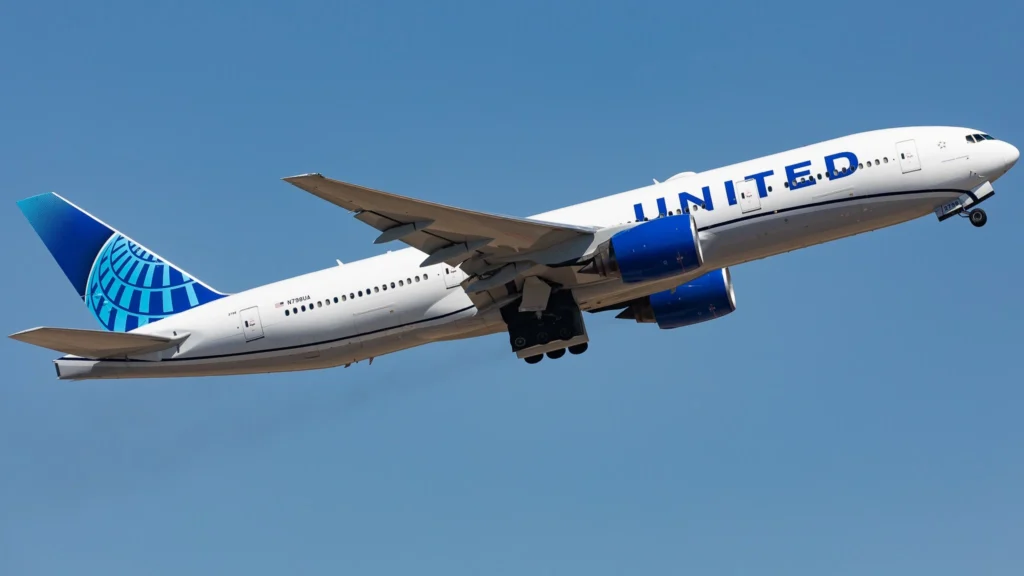
United Airlines Offers Pilot Upgrade Benefits
United Airlines expanded premium cabin accommodations for deadheading pilots during the pandemic. The policy helped secure union support for keeping pilots active and current while avoiding furloughs.
These provisions were later incorporated into the airline’s 2023 collective bargaining agreement.
Under United’s system:
- Deadheading pilots may receive first-class seating at the time of booking when seats are available.
- If first class is unavailable, pilots can be automatically prioritized ahead of upgrade-eligible passengers when seats later open.
- The exception generally applies when the deadhead booking is created within three hours of departure, in which case normal upgrade procedures are followed.
- Long-haul flights may receive additional premium cabin accommodations based on operational requirements.
United’s policy can also affect passengers after booking.
In certain situations, the airline may oversell premium cabins to accommodate a deadheading pilot. If the premium cabin becomes oversold due to aircraft substitutions or operational changes, complimentary upgrade passengers can be downgraded before deadheading pilots.
Pilots assigned to premium cabins generally retain priority over passengers traveling on complimentary upgrades.
Because these decisions are often managed through automated booking systems, customers usually do not see a pilot move ahead of them. Instead, they simply encounter fewer upgrade opportunities.
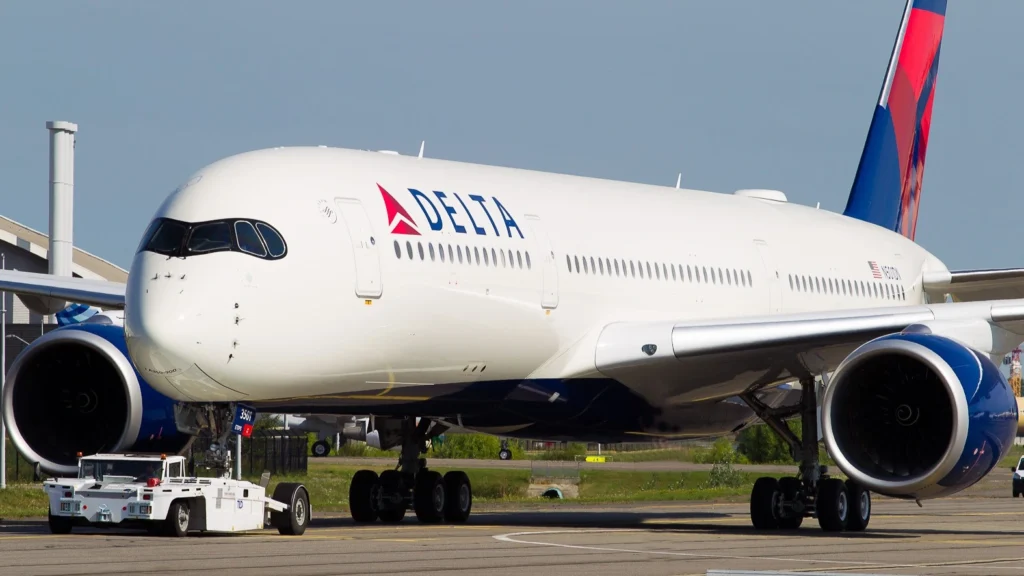
Delta Air Lines Also Prioritizes Deadheading Pilots
Delta Air Lines maintains similar protections for deadheading pilots through its contractual agreements.
For international and transoceanic operations, deadheading pilots may receive business class seating or first class when no business cabin exists.
On domestic routes, pilots may receive Comfort Plus seating when available at booking. First-class accommodations can also be provided for flight segments lasting 3 hours or longer before a working assignment, as well as qualifying redeye operations.
If the required seat class is unavailable when the deadhead booking is created, Delta can automatically move the pilot into a higher cabin before processing passenger upgrades.
Like United, much of this process occurs behind the scenes, limiting customer visibility.
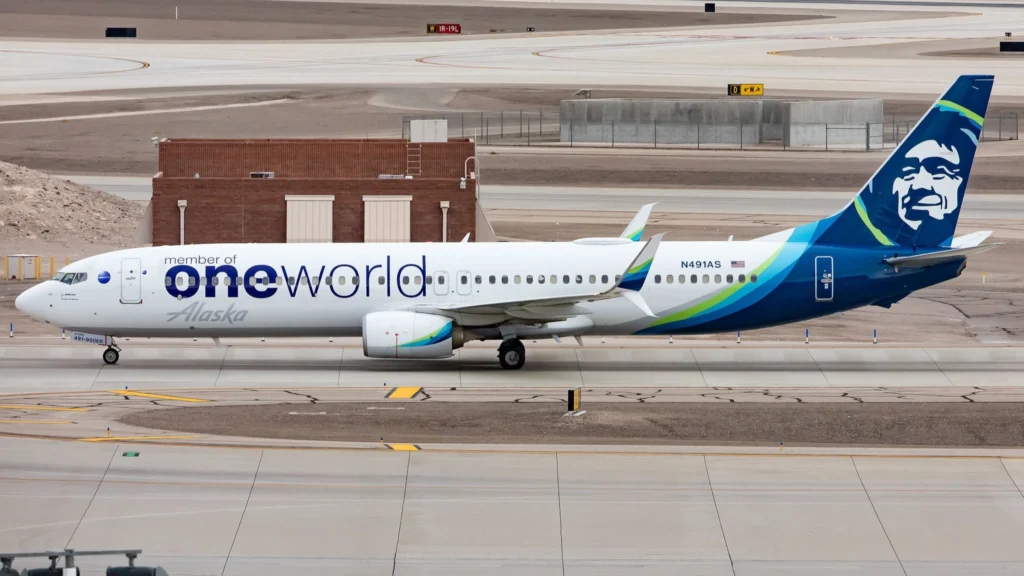
Similar Industry Practices
Alaska Airlines (AS) also provides priority accommodations for deadheading pilots through negotiated labor agreements.
Although procedures differ from carrier to carrier, the broader industry trend remains consistent.
Major airlines increasingly prioritize working crew members traveling on operational assignments when premium cabin inventory becomes available.
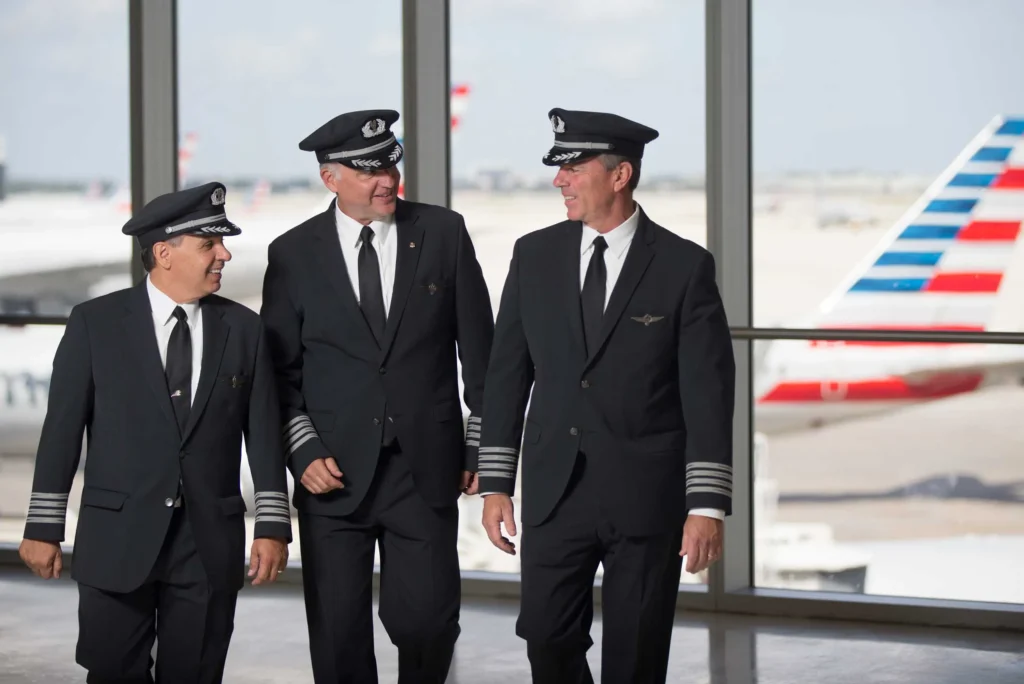
Are First Class Seats Necessary For Pilot Rest?
One of the most common arguments supporting premium cabin accommodations is that pilots should be well-rested before operating flights.
However, deadheading travel is generally considered duty time rather than designated rest time. Pilot rest requirements are governed separately through Federal Aviation Administration (FAA) regulations and contractual duty limits.
In many cases, a deadheading pilot would otherwise spend those duty hours working in the cockpit rather than resting in a premium cabin.
As a result, the debate is less about regulatory rest requirements and more about contractual benefits negotiated between airlines and pilot unions.
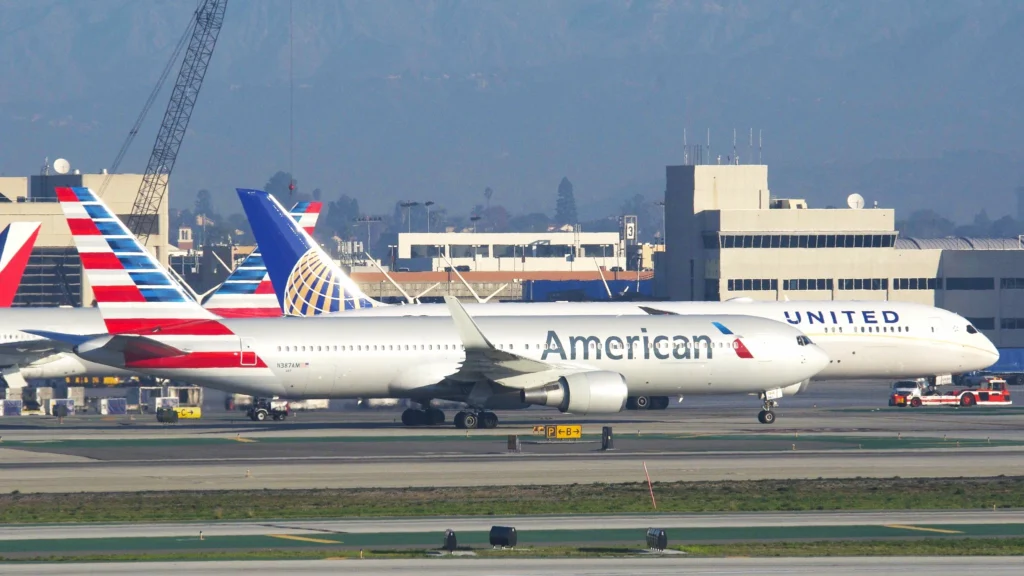
Industry Standard
The controversy surrounding American Airlines is largely driven by visibility rather than uniqueness.
American’s policy is arguably less generous than those used by United Airlines, Delta Air Lines, and some other competitors because domestic deadheading pilots typically begin in economy class and rely on airport upgrade inventory for premium seating.
However, because American processes many of these upgrades at the gate, passengers can watch a pilot move to the top of the list and receive a first-class seat.
At other airlines, the same outcome often occurs through automated systems long before customers have visibility into available inventory.
The result is that American Airlines receives a disproportionate share of criticism for a practice that has become common across much of the US airline industry.
Stay tuned with us. Further, follow us on social media for the latest updates.
Join us on Telegram Group for the Latest Aviation Updates. Subsequently, follow us on Google News
