

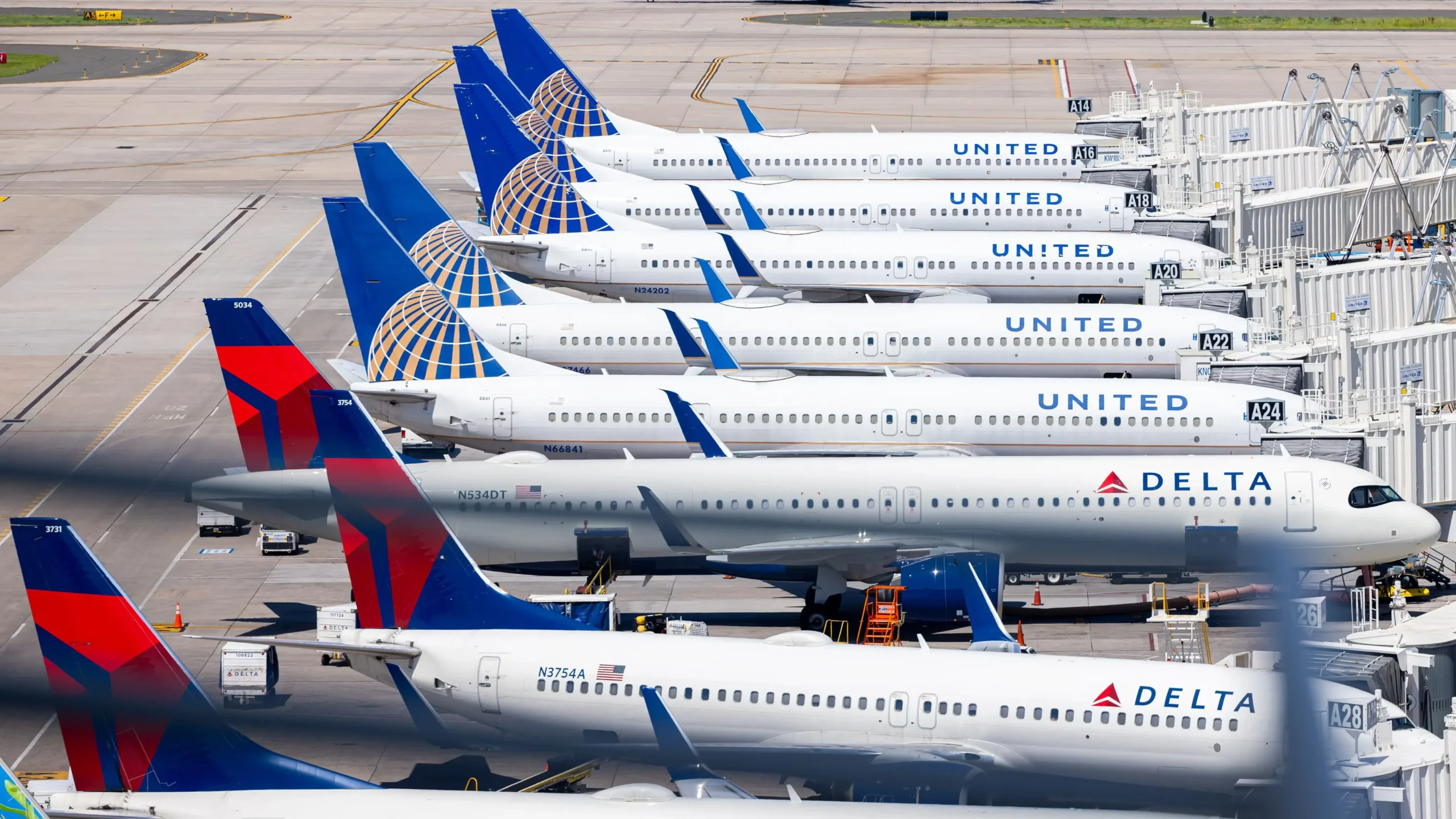
The global airline industry has entered a new phase of financial strength, with publicly traded carriers collectively reaching a market capitalization of $44.91 billion as of December 2025. Leading this surge is Delta Air Lines (DL), headquartered in Atlanta (ATL), which currently holds the highest valuation among global airlines.
The strong valuation trend highlights how major carriers are recovering from past disruptions while adapting to rising costs and shifting passenger demand. Airlines such as Ryanair (FR) and United Airlines (UA) are also securing top positions, reinforcing the dominance of North America and Europe in global aviation markets.
Top 10 Airlines by Market Cap
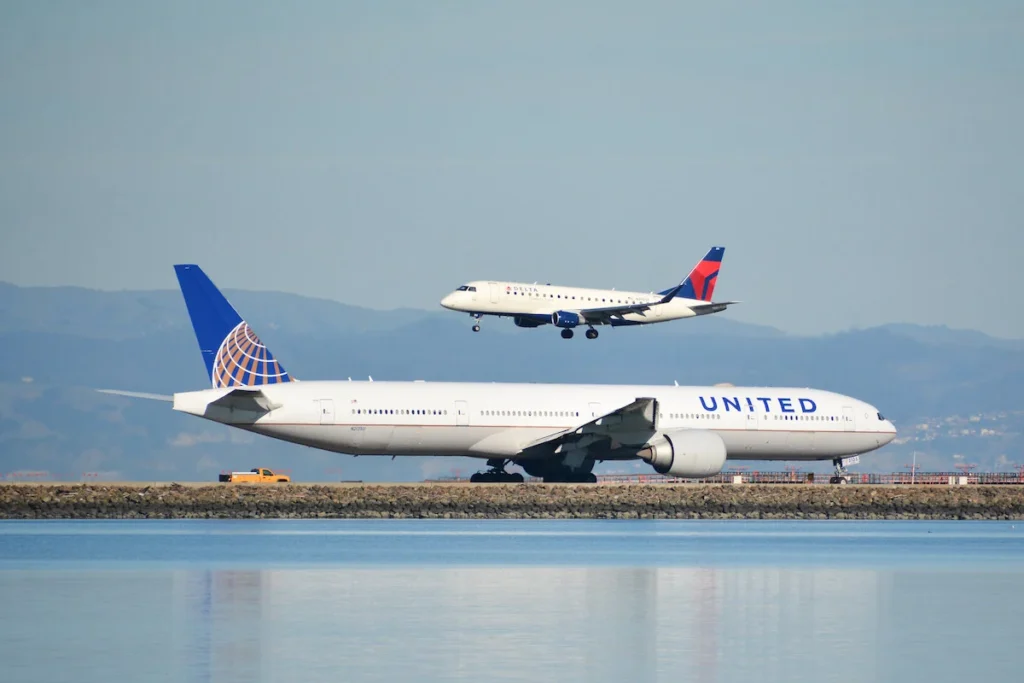
Delta Air Lines leads the global airline market by capitalization, reaching a valuation of $45.77 billion.
The airline benefits from strong domestic demand in the United States and a well-optimized international network. Its financial performance reflects steady passenger growth and improved operational efficiency.
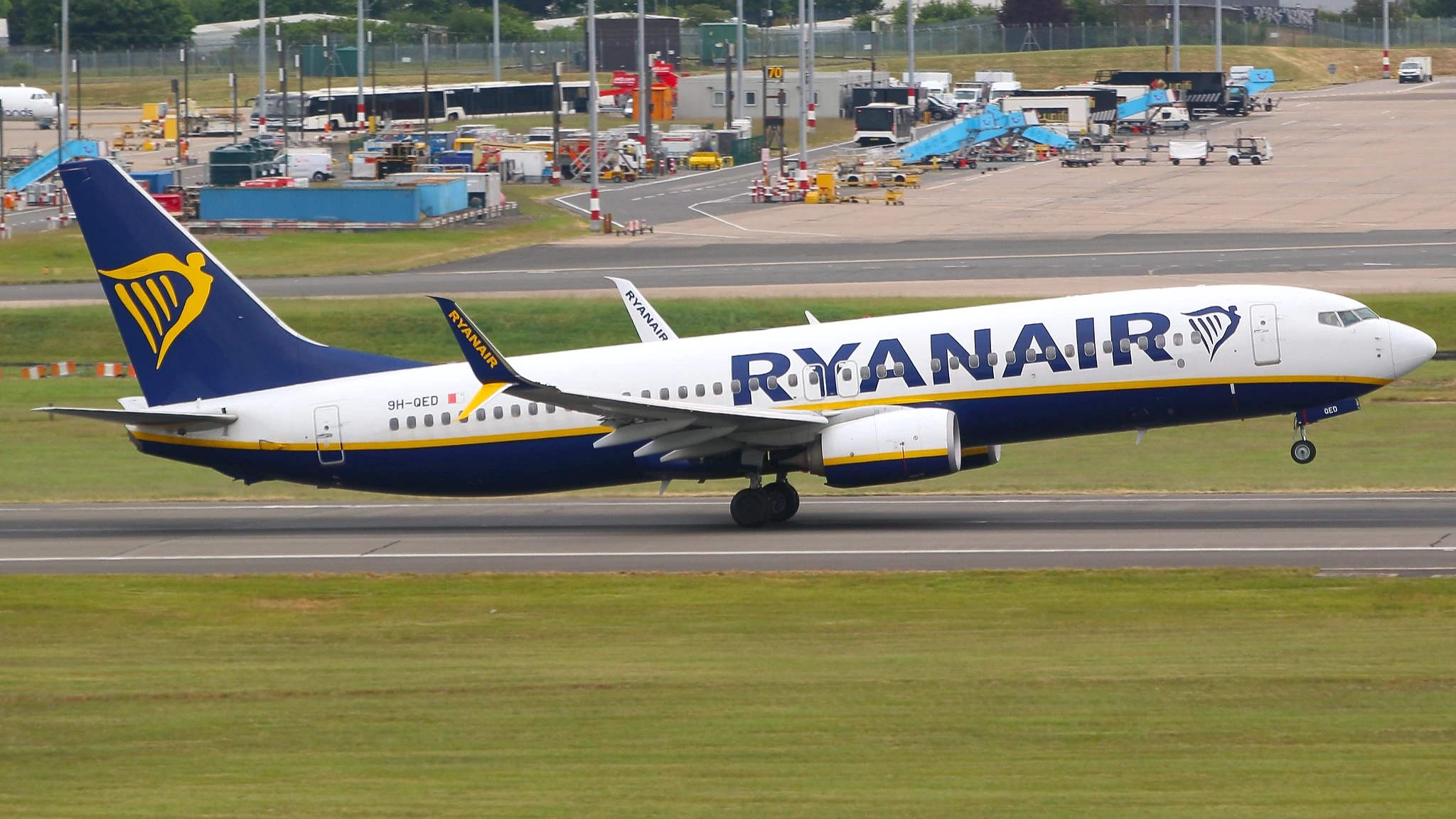
Ryanair ranks second with a market cap of $36.91 billion. The airline’s low-cost model continues to outperform traditional carriers in Europe. It has expanded aggressively across regional routes, maintaining high load factors and competitive pricing.
United Airlines Holdings follows closely with $34.77 billion in market value. Its extensive domestic and international operations have positioned it as a key player in long-haul travel recovery. The airline has also invested in fleet modernization to improve fuel efficiency.
International Consolidated Airlines Group (IAG), based in Spain, holds a valuation of $23.59 billion.
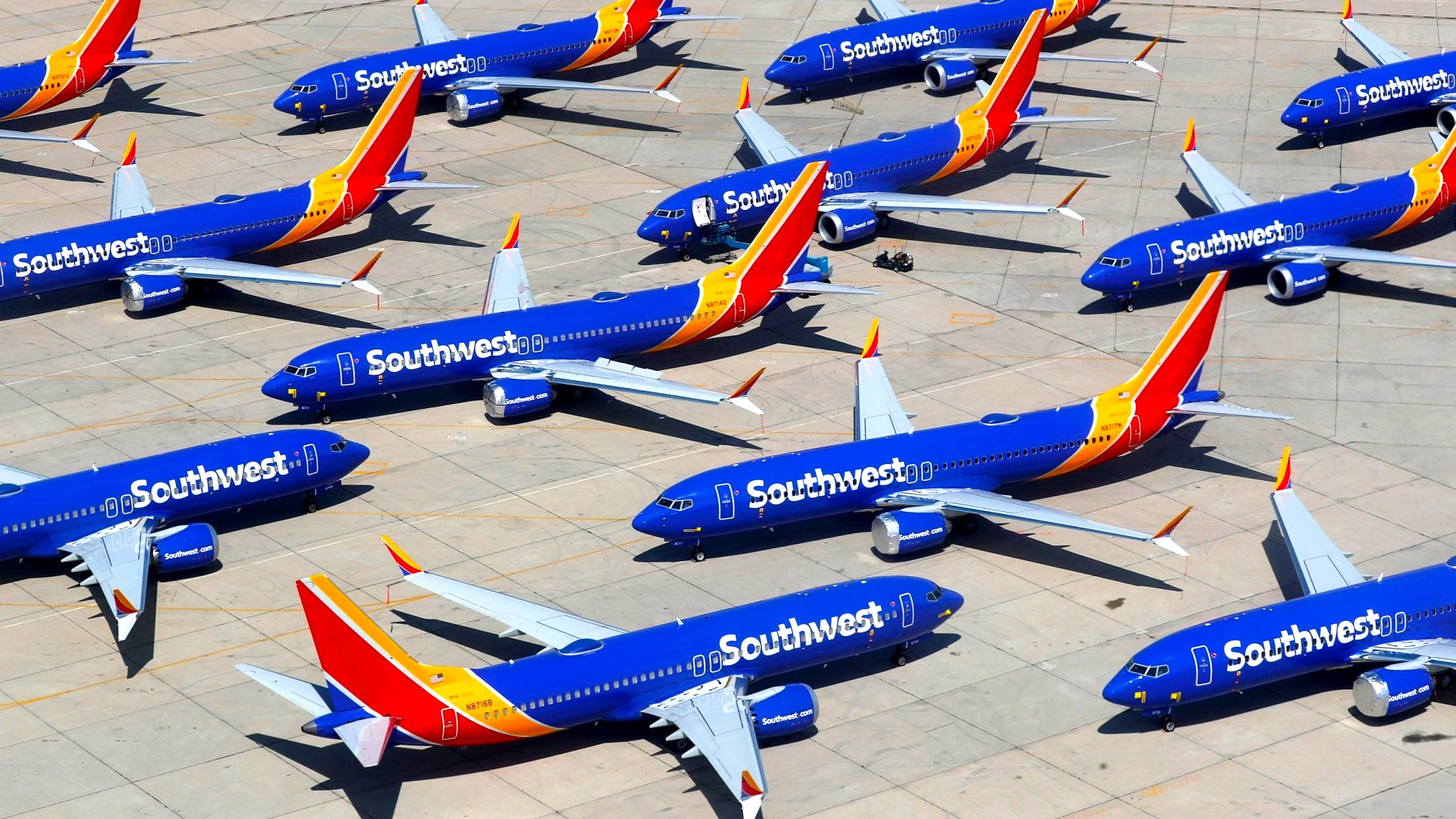
The group owns major carriers, including British Airways and Iberia, benefiting from diversified route networks. Southwest Airlines stands at $21.33 billion, driven by its strong domestic presence and consistent operational model.
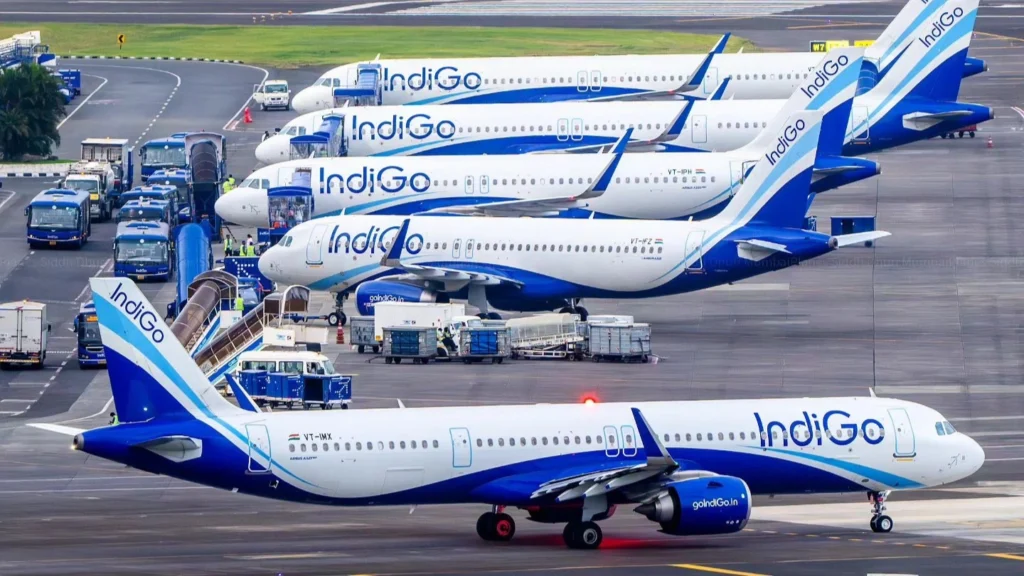
InterGlobe Aviation, the parent company of IndiGo, ranks sixth with $20.67 billion. As India’s largest airline, it continues to dominate domestic travel demand.
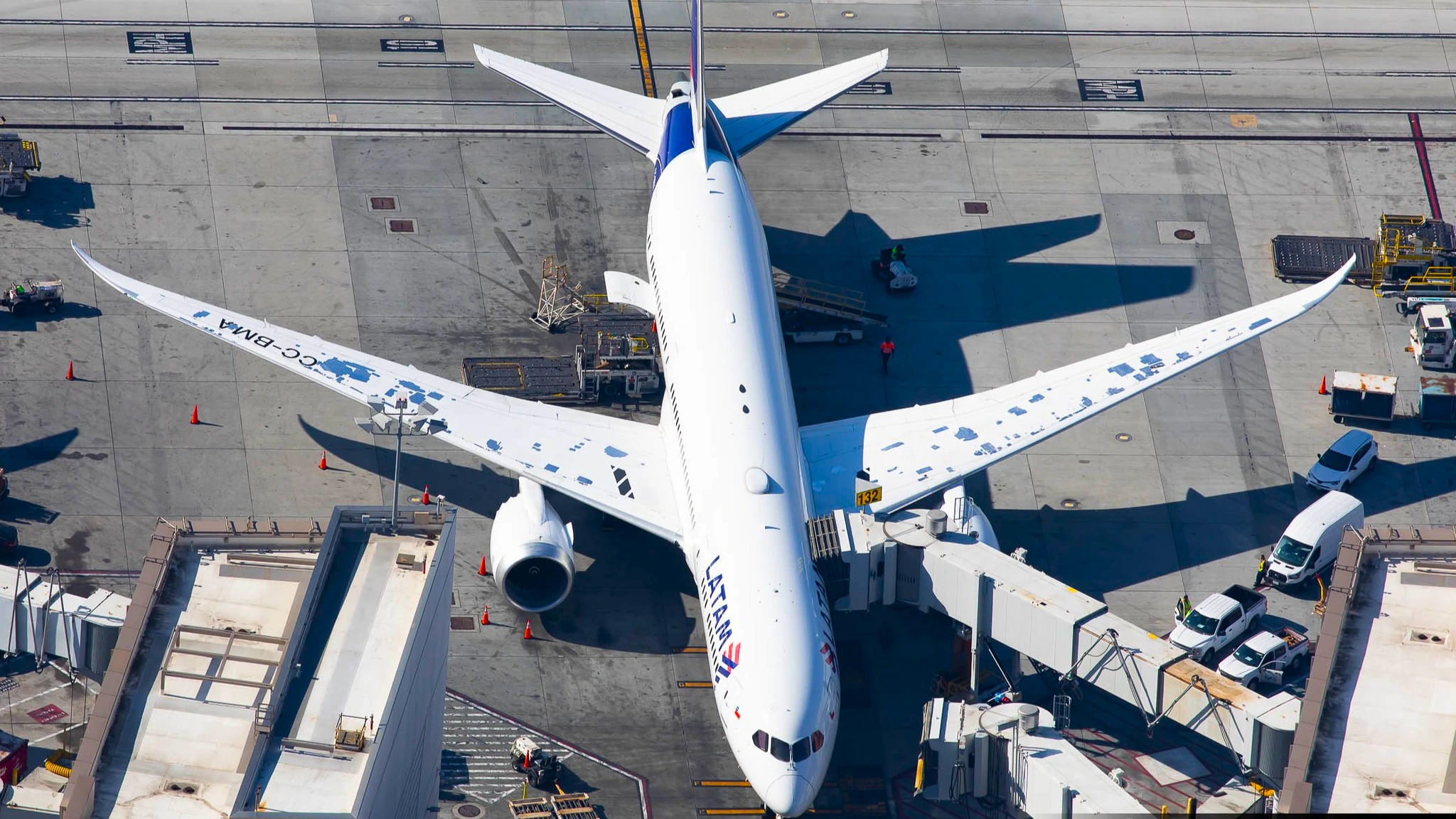
Air China, China Southern Airlines, LATAM Airlines, and China Eastern Airlines complete the top ten rankings.
| Rank | Airline Name | Market Cap ($bn) | Country |
|---|---|---|---|
| 1 | Delta Airlines | 45.77 | USA |
| 2 | Ryanair Group | 36.91 | Ireland |
| 3 | United Airlines Holdings | 34.77 | USA |
| 4 | International Consolidated Airlines (IAG) | 23.59 | Spain |
| 5 | Southwest Airlines | 21.33 | USA |
| 6 | InterGlobe Aviation (IndiGo) | 20.67 | India |
| 7 | Air China | 20.09 | China |
| 8 | China Southern Airlines | 17.53 | China |
| 9 | LATAM Airlines | 16.10 | Chile |
| 10 | China Eastern Airlines | 15.74 | China |
Source: Data Explained
Market Drivers of the Rankings
Several factors contribute to the rising market capitalization of global airlines. Strong passenger demand, particularly in domestic markets, remains a key driver. The United States has recorded some of the highest travel volumes in aviation history between 2024 and 2025.
Airlines have also focused on cost optimization and revenue diversification. Ancillary services, premium seating options, and loyalty programs have boosted profitability. These strategies have strengthened investor confidence and supported higher valuations.
Fleet modernization plays a critical role in improving operational efficiency. Airlines are investing in fuel-efficient aircraft to reduce costs and meet environmental regulations. This approach helps mitigate the impact of fluctuating fuel prices, which remain a major concern.
Low-cost carriers continue to reshape the competitive landscape. Airlines like Ryanair have demonstrated how efficient operations and high aircraft utilization can drive profitability. This model has gained traction across multiple regions.
China’s aviation market is also showing signs of recovery. After prolonged travel restrictions, domestic travel demand has rebounded steadily. This growth has supported the valuations of major Chinese carriers.
Top Airlines by Market Cap: Regional Leaders
The United States dominates the global airline market capitalization rankings. Delta Air Lines, United Airlines, and Southwest Airlines are among the top performers. This dominance stems from a large domestic market and strong consumer demand.
High passenger volumes and advanced aviation infrastructure support sustained growth in the U.S. Airlines benefit from frequent business travel and a well-developed network of hubs. These factors contribute to consistent revenue generation.
Europe also maintains a strong presence in the rankings. Ryanair’s success reflects a broader shift toward low-cost travel in the region. Budget airlines have captured a significant share of the market by offering affordable and reliable services.
Spain’s International Consolidated Airlines Group represents the strength of legacy carriers adapting to changing market conditions. By restructuring operations and expanding strategic partnerships, these airlines have improved financial performance.
Asia remains a critical region for aviation growth. Chinese airlines, including Air China and China Southern Airlines, are benefiting from increasing domestic demand. The region’s expanding middle class continues to drive air travel growth.
India has emerged as a key market with InterGlobe Aviation’s strong position. The country’s aviation sector is expanding rapidly due to rising incomes and increased connectivity. IndiGo’s dominance reflects efficient operations and strong demand.
Market Limitations
Market capitalization provides valuable insights but does not present a complete picture of the airline industry. Only publicly traded companies are included in such rankings. Many major global carriers are excluded due to their ownership structures.
Airlines like Emirates and Ethiopian Airlines operate extensive global networks but are not publicly listed. As a result, they do not have measurable market capitalizations. This limits the scope of comparative analysis.
Stock market behavior also influences airline valuations. Market cap fluctuates based on investor sentiment and economic conditions. External factors such as geopolitical tensions can significantly impact stock performance.
Fuel prices remain one of the largest cost variables for airlines. When oil prices rise, operating expenses increase sharply. This often leads to declining stock prices, regardless of passenger demand.
Currency fluctuations and regulatory changes also affect financial performance. Airlines operating across multiple regions must manage complex financial risks. These factors contribute to volatility in market valuations.
Bottom Line
The global airline industry is expected to maintain steady growth in the coming years. Increasing demand for air travel, particularly in emerging markets, will support expansion.
Airlines are likely to continue investing in fleet upgrades and digital transformation.
Sustainability will play a central role in future strategies. Airlines are under pressure to reduce carbon emissions and adopt greener technologies. Investments in sustainable aviation fuel and next-generation aircraft will shape long-term growth.
Competition among airlines will remain intense. Low-cost carriers will continue to challenge traditional airlines, particularly on short-haul routes. Legacy carriers are expected to adapt by enhancing customer experience and optimizing operations.
Technological advancements will further improve efficiency. Automation, data analytics, and artificial intelligence are being integrated into airline operations. These innovations will help reduce costs and improve service quality.
Investor confidence in the airline industry remains strong despite ongoing challenges. The current market capitalization trends indicate resilience and adaptability.
Stay tuned with us. Further, follow us on social media for the latest updates.
Join us on Telegram Group for the Latest Aviation Updates. Subsequently, follow us on Google News
