

Global long-haul air travel continues to expand as airlines deploy widebody fleets on routes that stretch across continents and oceans. New scheduling data for 2026 highlights which carriers dominate this demanding segment, where flights typically last between six and 16 hours or exceed 3,000 miles in distance.
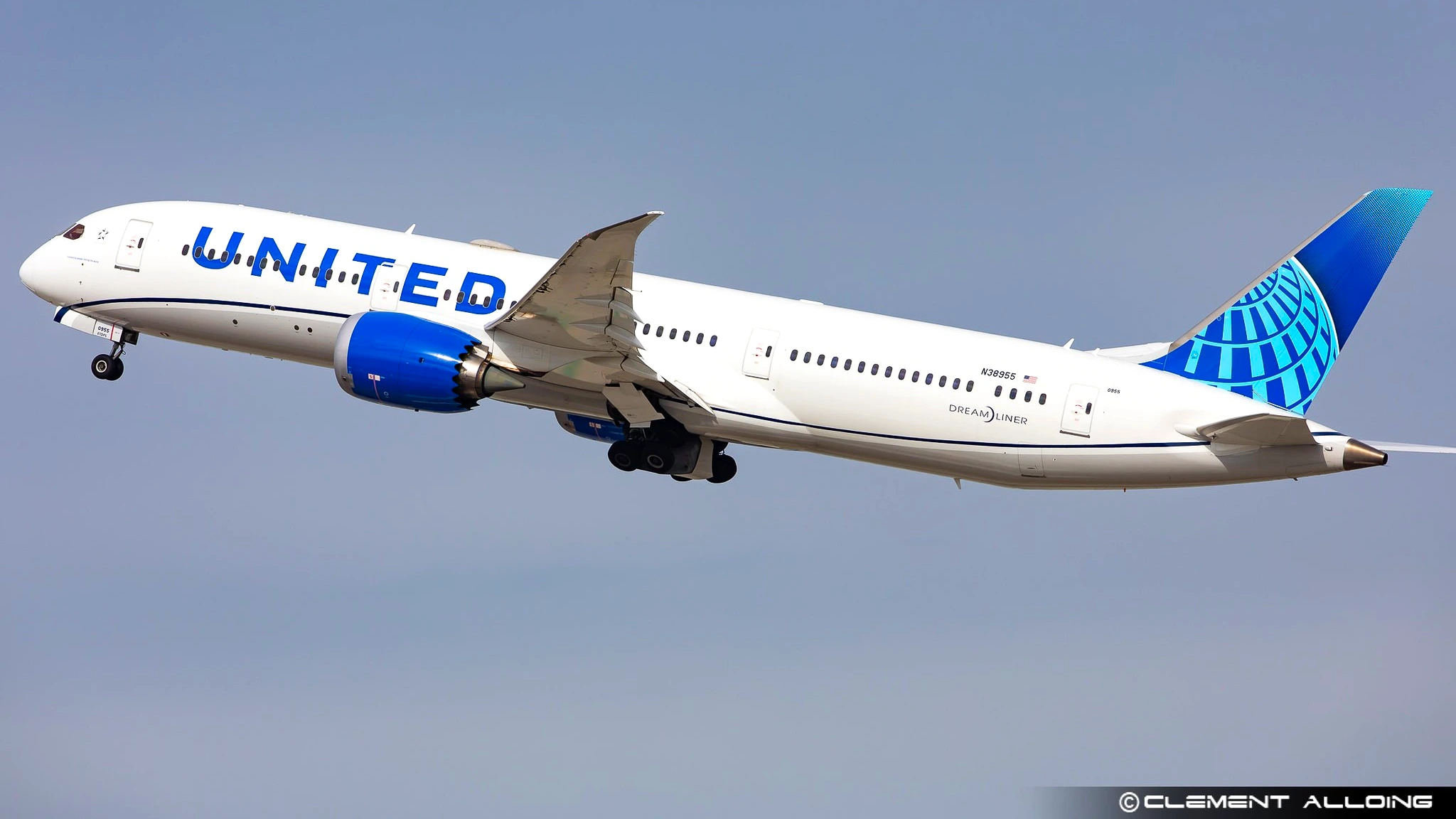
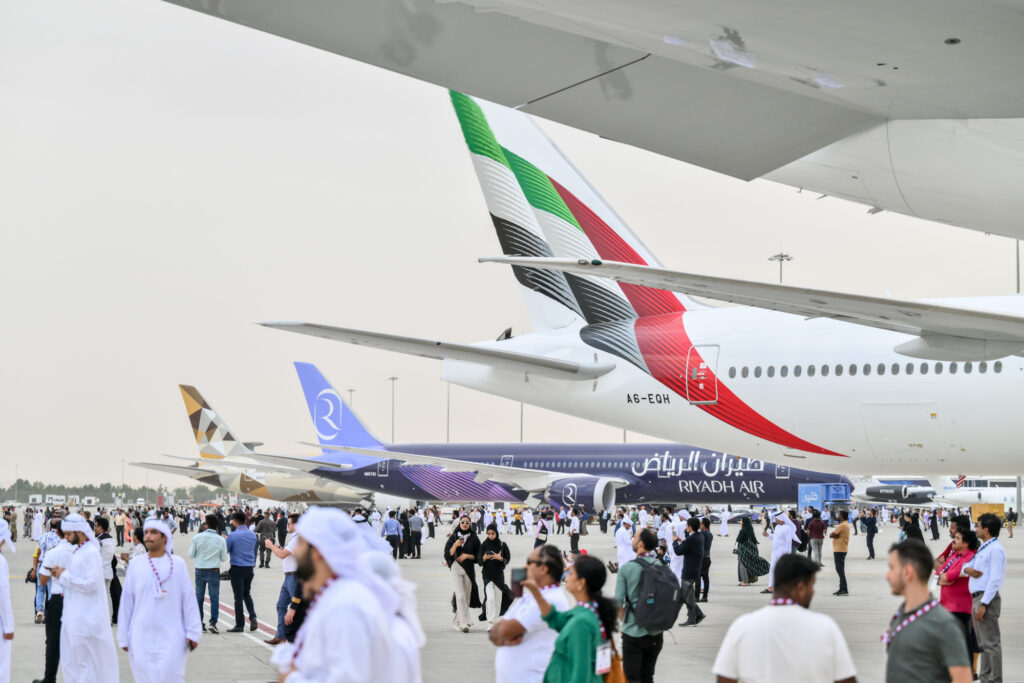
According to Cirium analytics, United Airlines (UA) leads the world in long-haul flying, narrowly surpassing Emirates (EK) in total scheduled round-trip services. Much of United’s long-haul activity flows through major hubs such as Chicago O’Hare (ORD), while Emirates concentrates its global network through Dubai (DXB), underscoring two very different operational models.
Top 10 Airlines with the Most Long-Haul Flights
Long-haul flying has no single global definition, but most airlines align with industry standards that focus on distance or duration.
Flights exceeding 3,000 miles or lasting more than six hours generally fall into this category, demanding advanced aircraft performance and high operational reliability.
These services require long-range jets capable of sustained operations without refueling stops. Airlines must also manage crew duty limits, maintenance planning, and passenger comfort across extended flight times, making long-haul networks resource-intensive.
United Tops the List
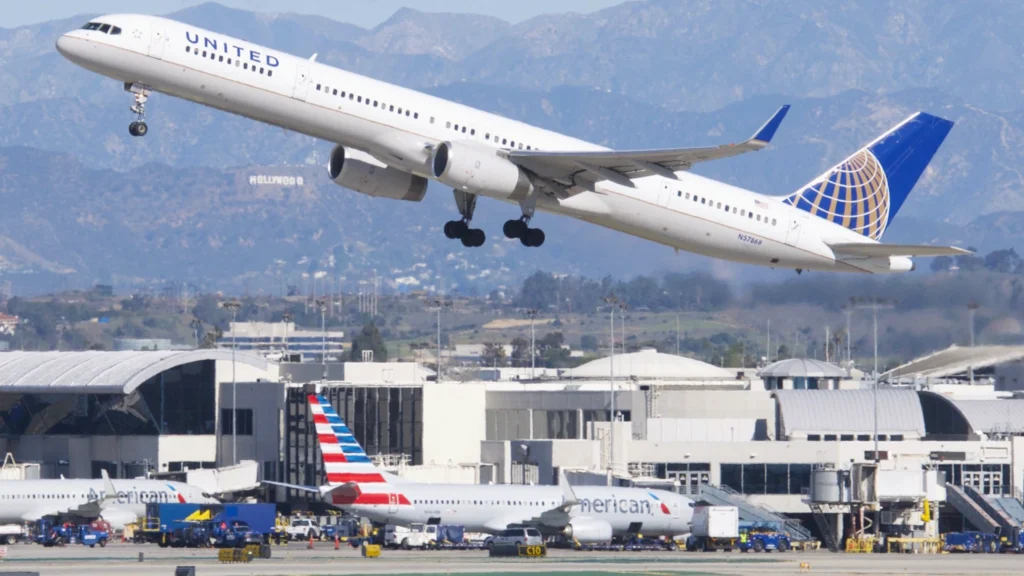
Data from January to June 2026 shows United operating 50,003 long-haul round-trip flights, the highest worldwide.
Despite this lead, long-haul services represent only six percent of United’s total operations, reflecting its strong domestic focus.
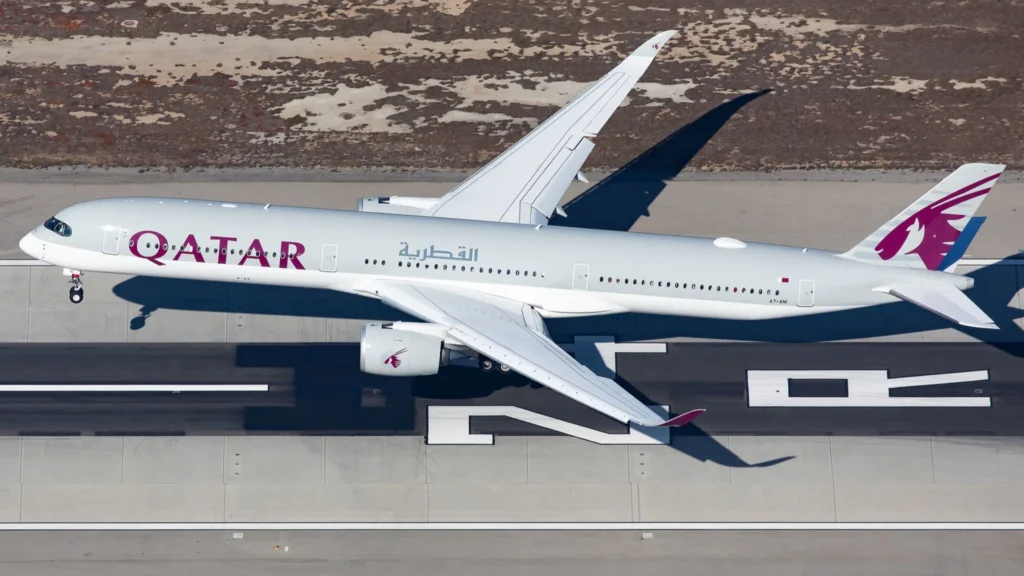
Emirates follows closely with 48,709 long-haul round-trips, but these flights account for 45 percent of its entire schedule. Qatar Airways ranks third with 38,450 round-trips, supported by a hub-centric strategy through Doha (DOH), while Delta Air Lines and British Airways complete the top five.
Outside the top tier, American Airlines ranks sixth with 29,863 long-haul round-trips, though such flights form just two percent of its overall network.
Air France, Turkish Airlines, Lufthansa, and Etihad Airways round out the top ten, each balancing long-haul frequency with network breadth and fleet diversity.
| Rank | Airline | Long-Haul Roundtrips (Jan–Jun 2026) | % of Total Operations |
|---|---|---|---|
| 1 | United Airlines | 50,003 | 6% |
| 2 | Emirates | 48,709 | 45% |
| 3 | Qatar Airways | 38,450 | 33% |
| 4 | Delta Air Lines | 36,840 | 3% |
| 5 | British Airways | 33,649 | 18% |
| 6 | American Airlines | 29,863 | 2% |
| 7 | Air France | 27,069 | 17% |
| 8 | Turkish Airlines | 26,686 | 10% |
| 9 | Lufthansa | 21,958 | 10% |
| 10 | Etihad Airways | 21,793 | 31% |
Data: Cirium shared by Simple Flying
Fleet And Demand
The rise in long-haul flying reflects sustained growth in international travel demand.
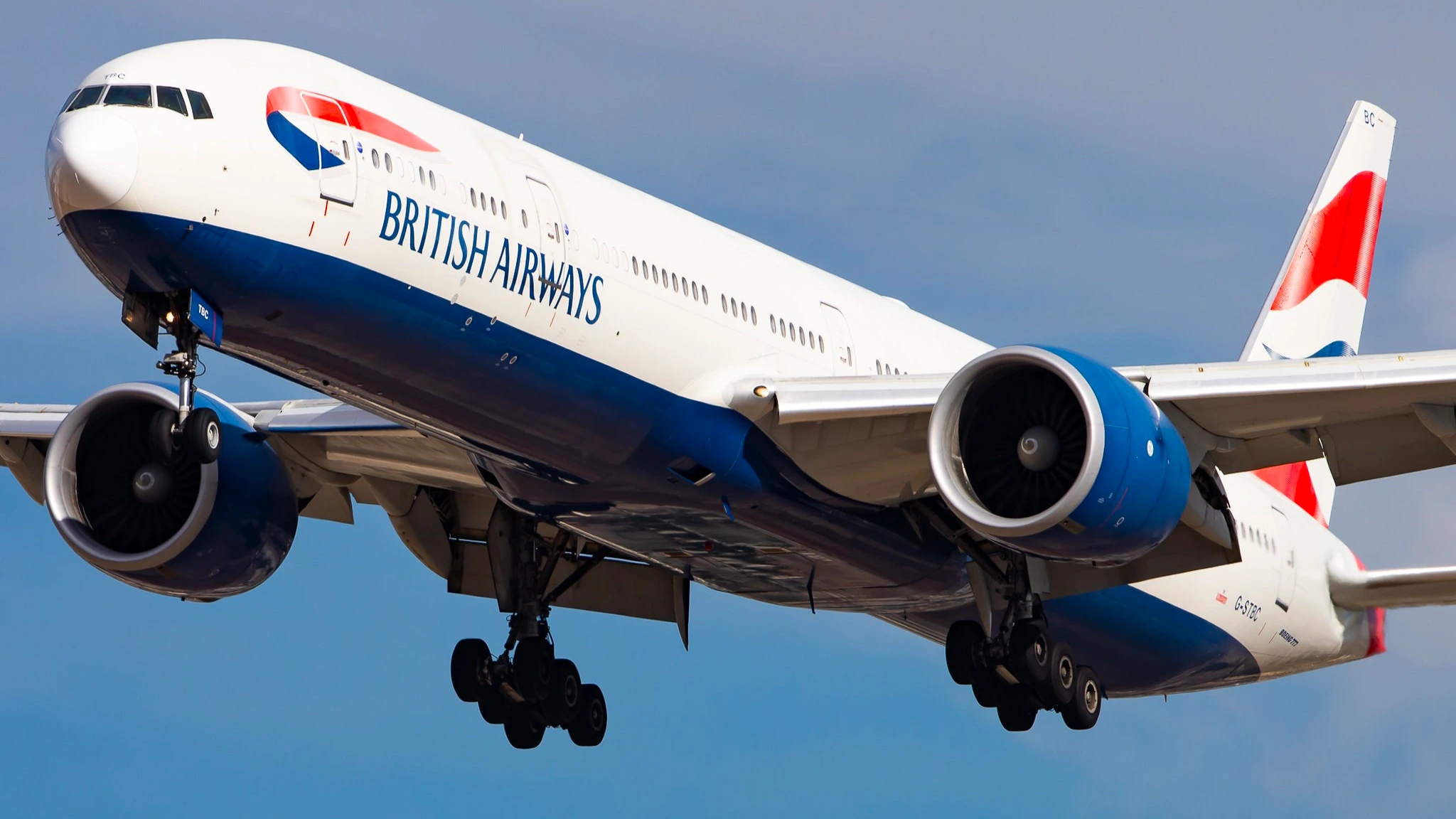
Airlines increasingly rely on fuel-efficient widebody aircraft such as the Boeing 787 Dreamliner and Airbus A350 to serve these routes profitably.
Fleet strategy plays a central role, as some carriers prioritize frequency on core markets while others focus on serving a wide range of destinations.
Lufthansa’s mixed long-haul fleet and Turkish Airlines’ expansive global reach illustrate how different approaches can still yield significant long-haul scale.
Bottom Line
Long-haul flying remains a defining measure of global airline strength in 2026.
While United leads in total flights, Middle Eastern carriers continue to dominate in network concentration, highlighting contrasting strategies in an expanding long-haul market.
Stay tuned with us. Further, follow us on social media for the latest updates.
Join us on Telegram Group for the Latest Aviation Updates. Subsequently, follow us on Google News
