

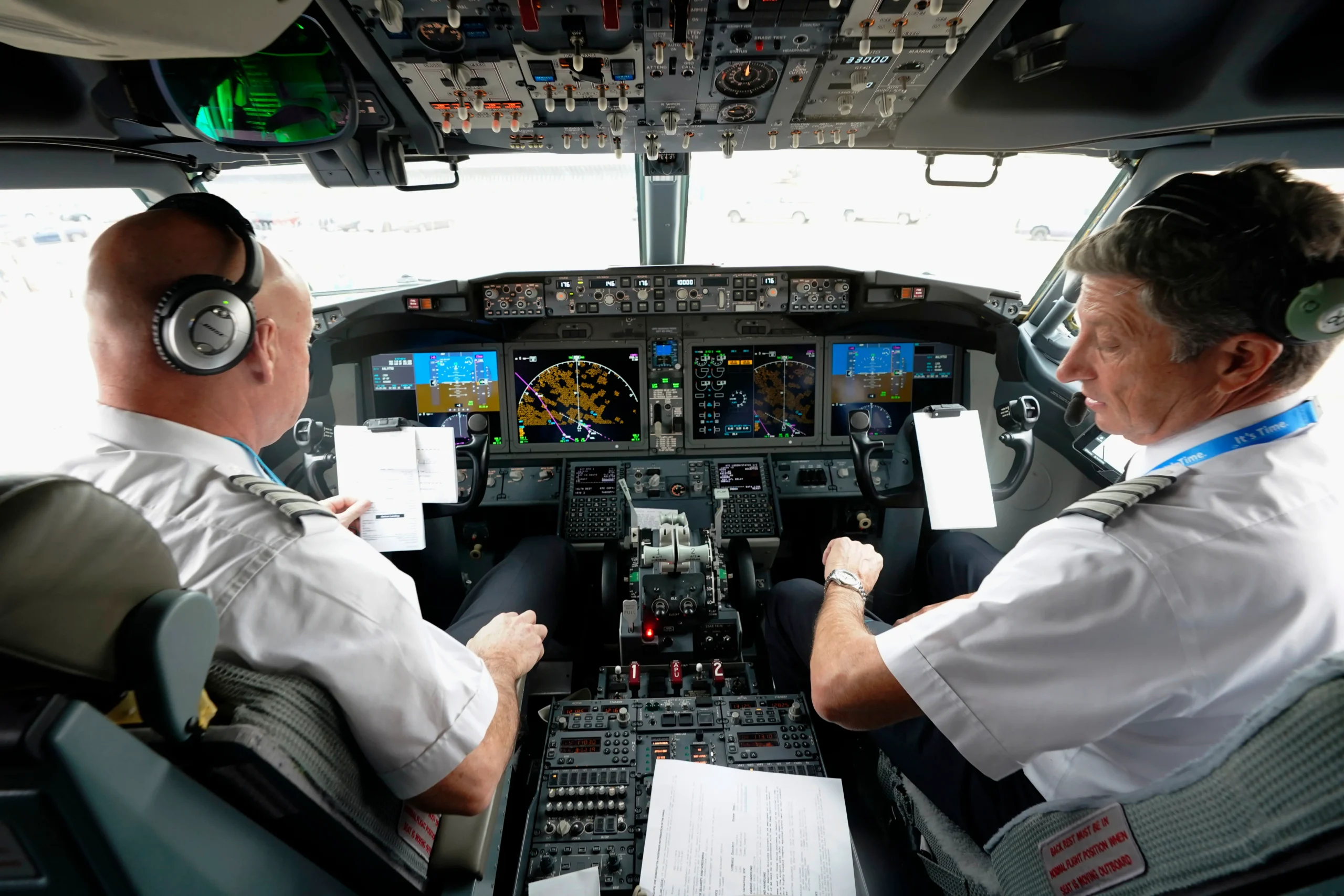
NEW YORK- U.S. aviation regulators and carriers continue to strengthen cockpit security as American Airlines (AA) begins activating Installed Physical Secondary Barriers across selected aircraft.
The deployment reflects a wider shift in U.S. aviation safety standards introduced after years of regulatory development.
Southwest Airlines (WN) previously led the operational use of these barriers, while American Airlines focused on large-scale crew training before activation across its fleet.
American Airlines Cockpit Safety Rollout Update
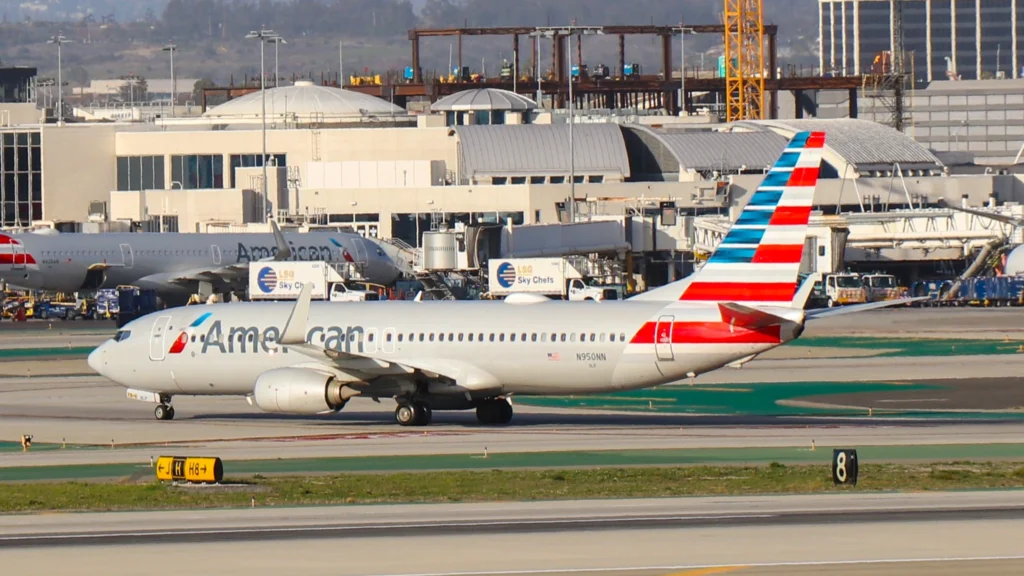
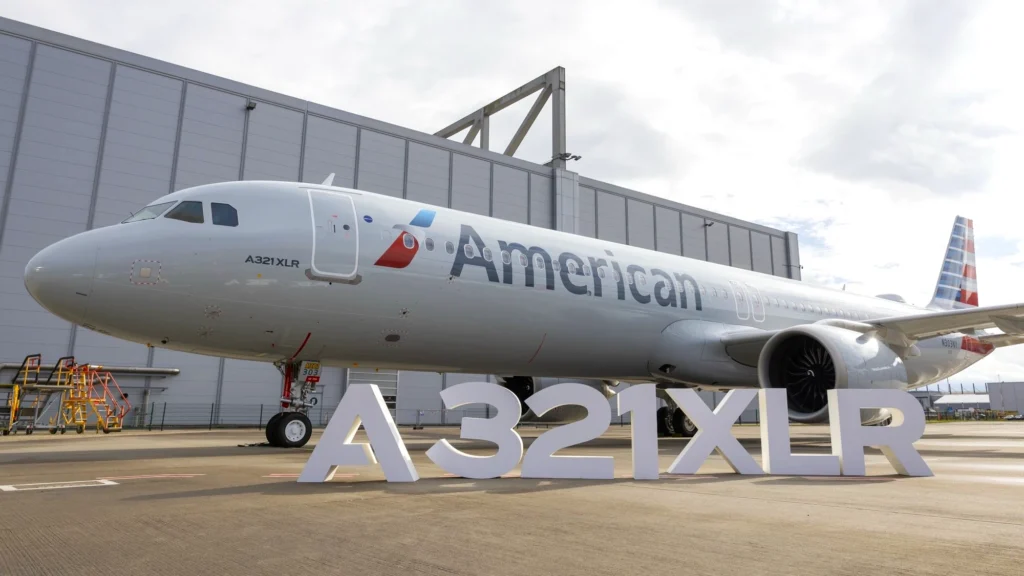
American Airlines has started deploying Installed Physical Secondary Barriers (IPSB) across its newly delivered aircraft from June 18. The system adds a secondary protective layer between the reinforced cockpit door and the passenger cabin.
The IPSB allows controlled access to the flight deck while maintaining a protective boundary during in-flight movements.
Flight crews now use the system instead of temporary barricades such as beverage carts, which were previously adopted as an interim safety measure.
The airline trained thousands of pilots and flight attendants before enabling operational use. This structured approach aimed to ensure consistent procedures across long-haul and domestic fleets, PYOK flagged.
How the IPSB System Works
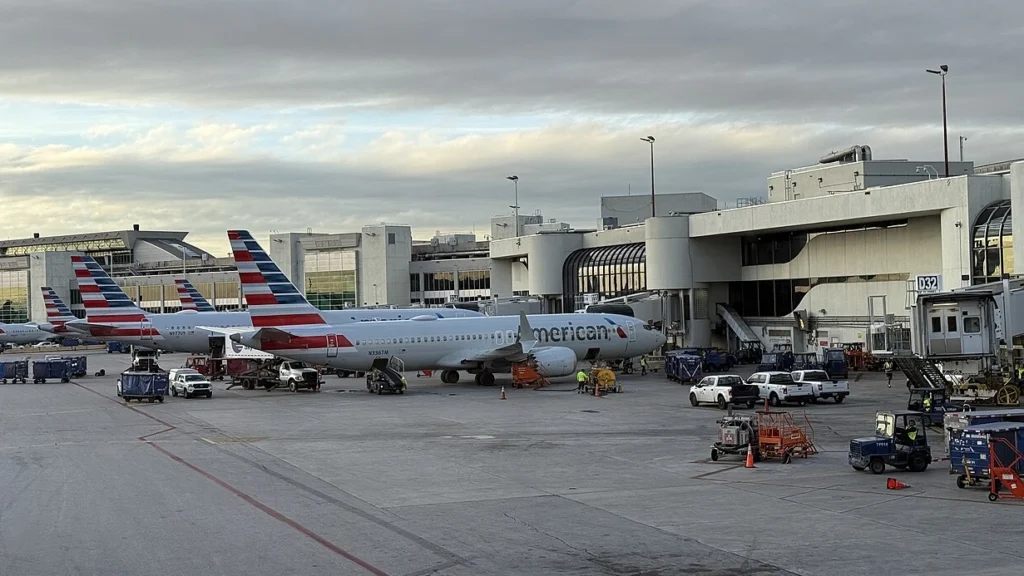
The Installed Physical Secondary Barrier functions as a retractable gate system positioned between the cockpit and main cabin.
It deploys when pilots need to briefly open the flight deck door, such as during rest breaks.
Once activated, the barrier locks in place and restricts access to the cockpit entry area.
The design does not aim to be fully impenetrable but instead delays any attempted intrusion long enough for the cockpit door to be secured again.
The concept evolved from post-9/11 aviation security reforms that first mandated reinforced cockpit doors across global airlines. Later safety discussions focused on reducing exposure during brief door-opening windows.
Regulatory Timeline Shift Extended
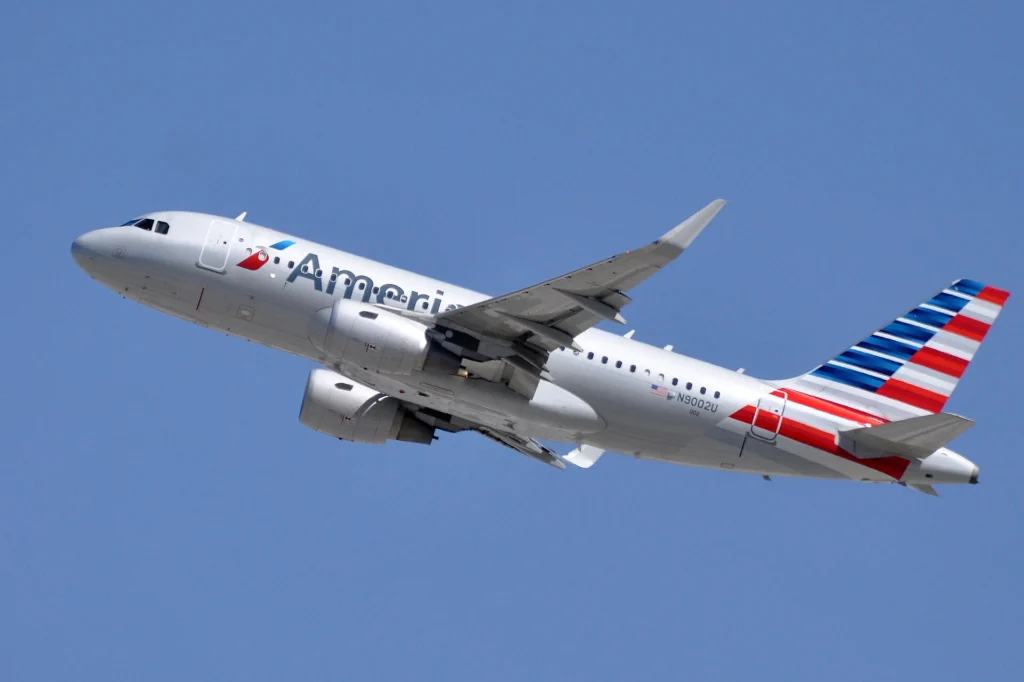
U.S. regulators mandated IPSB installation on all newly built aircraft from August 2025 under Federal Aviation Administration (FAA) rules.
However, certification delays and industry-wide training requirements pushed airlines to request additional time for full activation.
American Airlines initially received aircraft with installed but inactive barriers, which remained secured in a non-operational state during training phases.
The airline later aligned with updated compliance timelines to begin activation in mid-2026.
Southwest Airlines moved earlier by activating IPSBs on new deliveries in 2025, becoming the first U.S. carrier to integrate them into daily operations. Other airlines continue phased adoption based on fleet renewal cycles.
Fleet Integration Status Expanded
The IPSB rollout currently applies only to newly manufactured aircraft entering service after the regulatory cutoff.
Older aircraft across American Airlines’ fleet will not require retrofitting under existing FAA rules.
As a result, full network-wide deployment will take several years.
Airlines continue to integrate the system gradually as new aircraft replace older models in long-term fleet modernization programs.
Stay tuned with us. Further, follow us on social media for the latest updates.
Join us on Telegram Group for the Latest Aviation Updates. Subsequently, follow us on Google News
