

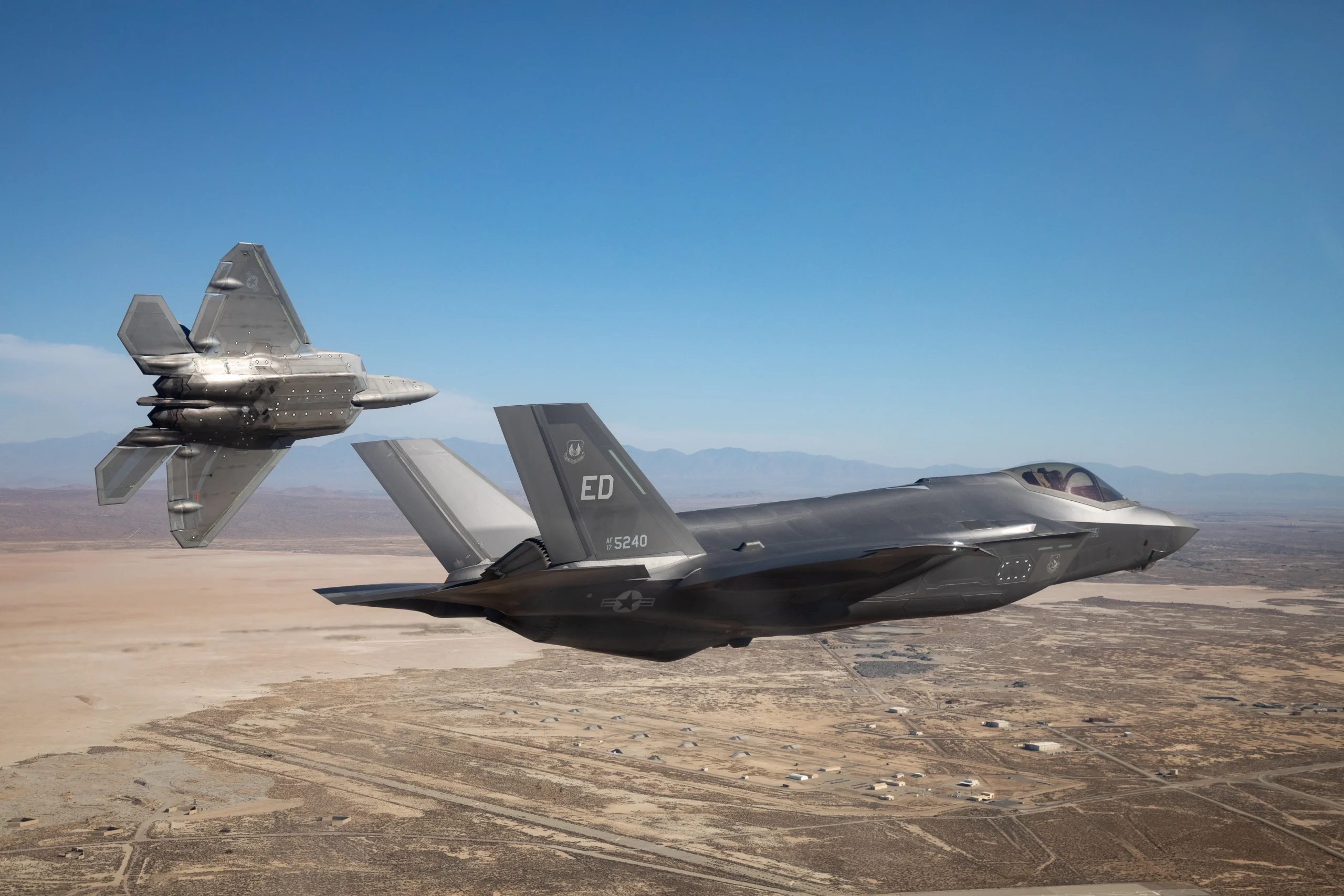
WASHINGTON, D.C.- The US Air Force’s F-35A recorded the highest full mission-capable rate among all F-35 variants in fiscal 2025, yet only 28.5 percent of the jets could perform all assigned missions at any given time, according to a new Government Accountability Office (GAO) report. The figure sat well below the service’s 65 percent target.
The GAO tied the worsening trend to software limitations, spare parts shortages, corrosion, depot capacity constraints, and rising sustainment costs. The Joint Program Office (JPO) estimates that fixing readiness will require an additional $13.7 billion through fiscal 2031.
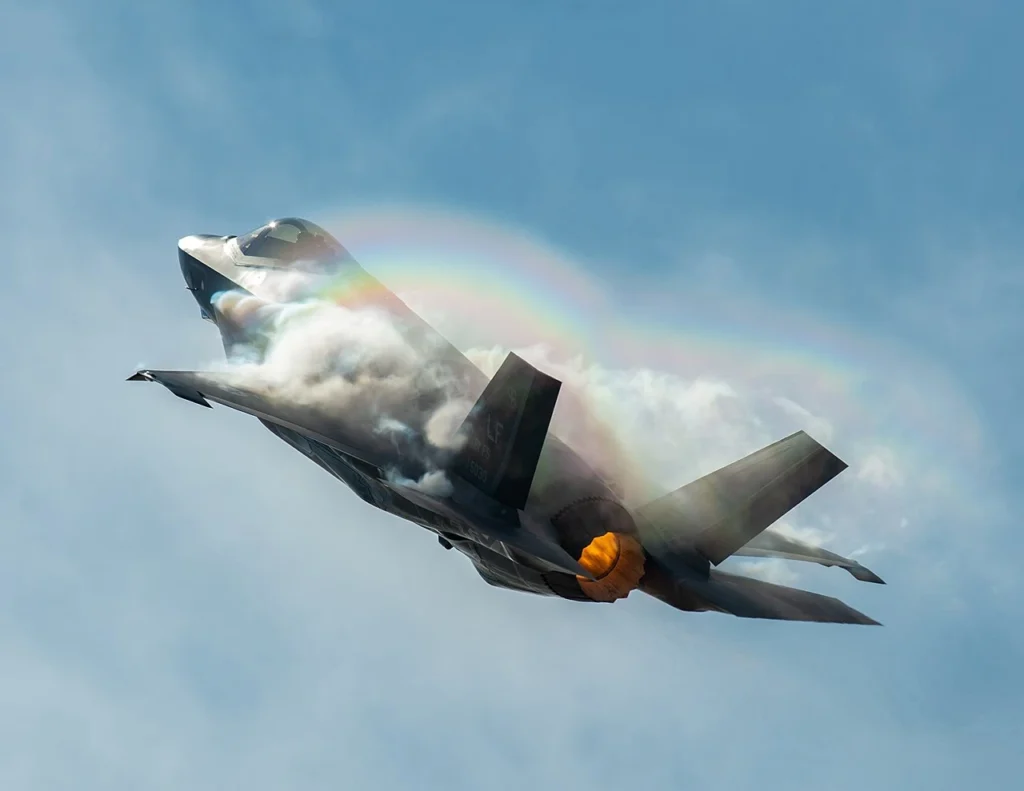
F-35s Mission Readiness Across Fleet
Fleet-wide mission capable rates, which measure whether a jet can perform at least one assigned mission, fell from 66.8 percent in fiscal 2021 to 44.1 percent in fiscal 2025.
Full mission-capable rates, which measure the ability to perform every assigned mission, dropped from 38.1 percent to 24.6 percent over the same period.
GAO stated that since 2020, the F-35 has missed the military’s minimum readiness goals by wide margins, with performance trending down across most of the fleet.
According to Air & Space Forces, the findings reinforce long-standing concerns about F-35 sustainment and availability as the fleet keeps expanding.
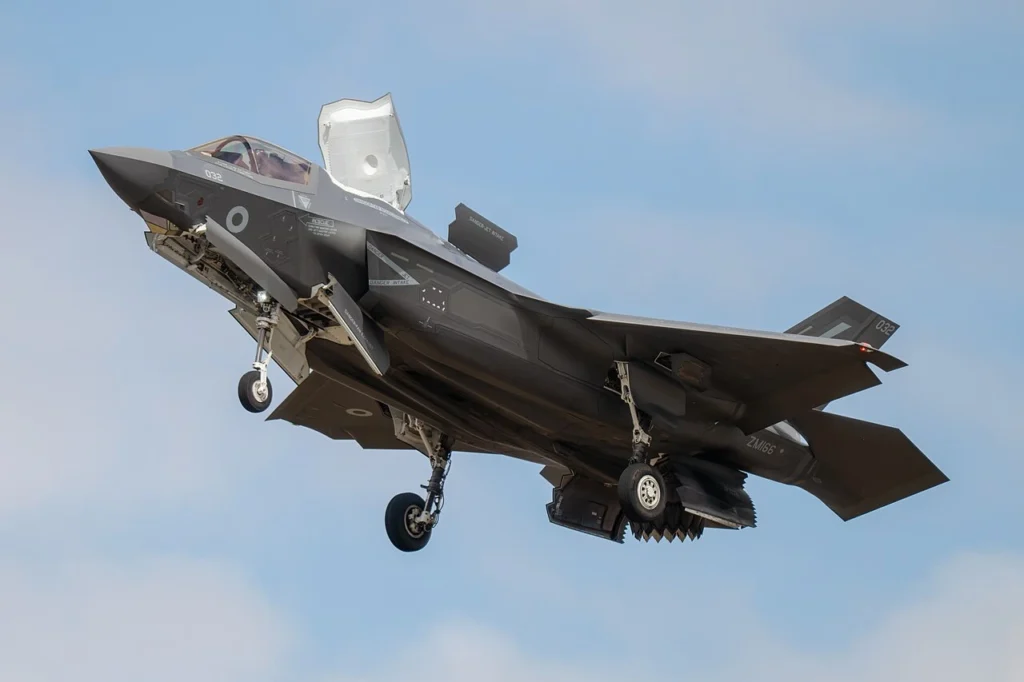
Air Force F-35A Leads but Trends Downward
The F-35A posted the strongest full mission-capable rate of any variant in fiscal 2025, yet its own numbers declined sharply across 6 years.
The fiscal 2025 result was less than half the service’s 65 percent objective. GAO linked part of the slide to newly accepted aircraft that arrived before they could fly all missions, a result of ongoing software limitations.
F-35A Full Mission-Capable Rates
| Fiscal Year | Rate |
|---|---|
| 2020 | 54.0% |
| 2021 | 50.0% |
| 2022 | 43.5% |
| 2023 | 36.4% |
| 2024 | 36.2% |
| 2025 | 28.5% |
Mission-capable performance followed the same path. The Air Force led all services in 2020 and 2021, then fell behind the Marine Corps and Navy variants by 2025.
F-35A Mission-Capable Rates
| Fiscal Year | Rate |
|---|---|
| 2020 | 71.4% |
| 2021 | 68.8% |
| 2022 | 56.0% |
| 2023 | 51.9% |
| 2024 | 51.5% |
| 2025 | 38.6% |
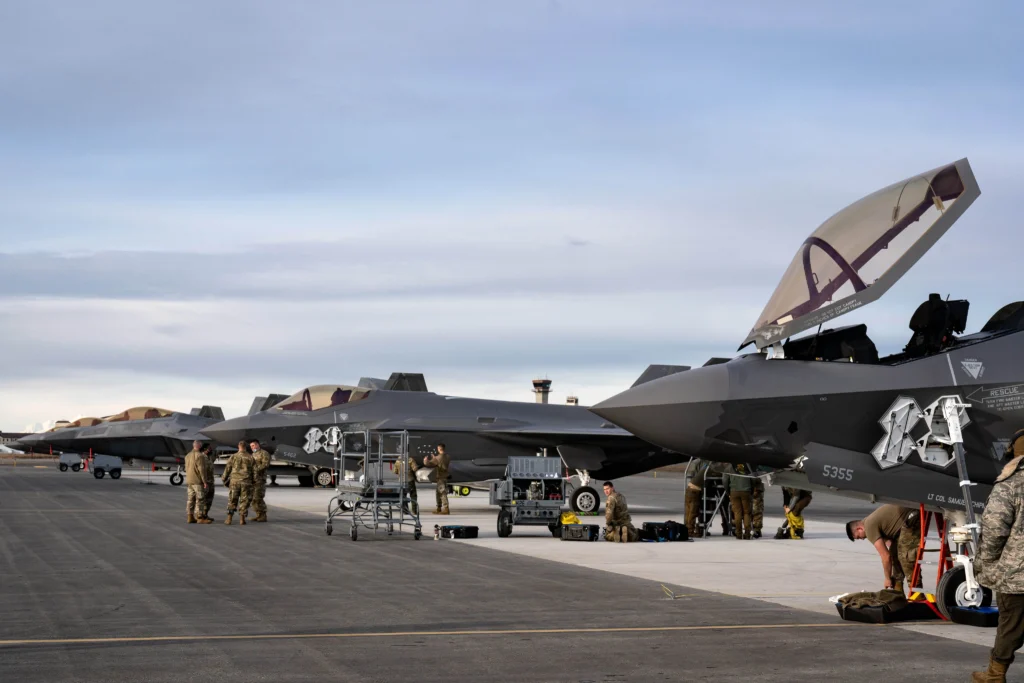
Every Variant Misses Its Targets
The Marine Corps and Navy posted higher mission-capable rates than the Air Force in fiscal 2025, but no service reached its readiness goals.
The Air Force jets are the simplest and least expensive of the three variants, which has historically supported their stronger full mission-capable numbers.
Fiscal 2025 Full Mission-Capable Rates
| Variant | FY2025 Rate |
|---|---|
| F-35A (Air Force) | 28.5% |
| F-35B (Marine Corps) | 16.2% |
| F-35C (Marine Corps) | 22.0% |
| F-35C (Navy) | 15.3% |
Fiscal 2025 Mission-Capable Rates
| Variant | FY2025 Rate |
|---|---|
| F-35A (Air Force) | 38.6% |
| F-35B (Marine Corps) | 53.9% |
| F-35C (Marine Corps) | 64.2% |
| F-35C (Navy) | 54.2% |
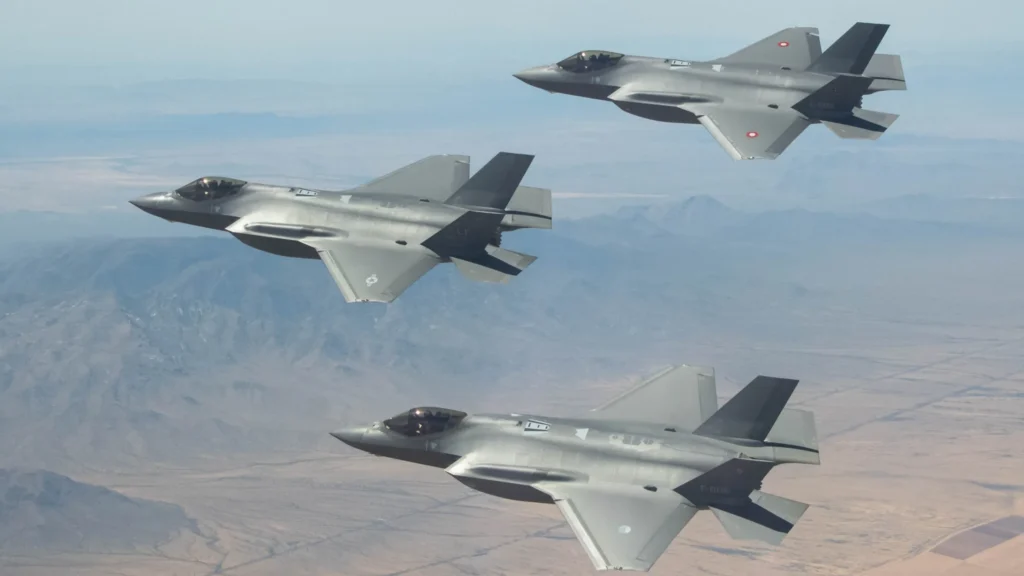
Underinvestment and Technology Refresh 3
JPO officials told auditors the military prioritized buying aircraft early in the program’s life cycle instead of building the repair, depot, and logistics infrastructure a growing fleet needs.
They acknowledged the program historically underinvested in sustainment, leaving a support system that cannot fully meet current fleet requirements.
Officials warned that readiness will worsen as more aircraft enter service unless significant changes are made.
Technology Refresh 3 (TR-3), the major hardware and software upgrade for newer F-35s, continues to weigh on readiness. TR-3 problems previously triggered a yearlong suspension of deliveries.
Deliveries resumed after an interim software release became available, but the aircraft were initially limited to basic training flights. Many TR-3 jets still cannot fly combat missions, which pulls down full mission-capable rates across the fleet.
Spare parts shortages continue to limit availability across all services. The Pentagon’s Global Support Solution (GSS) manages F-35 sustainment by sharing parts among domestic and international operators, but suppliers struggle to secure alternative sources for canopies and other specialized components.
Corrosion, supplier constraints, and the introduction of new aircraft configurations have added high technical complexity to sustainment work and increased maintenance demands.
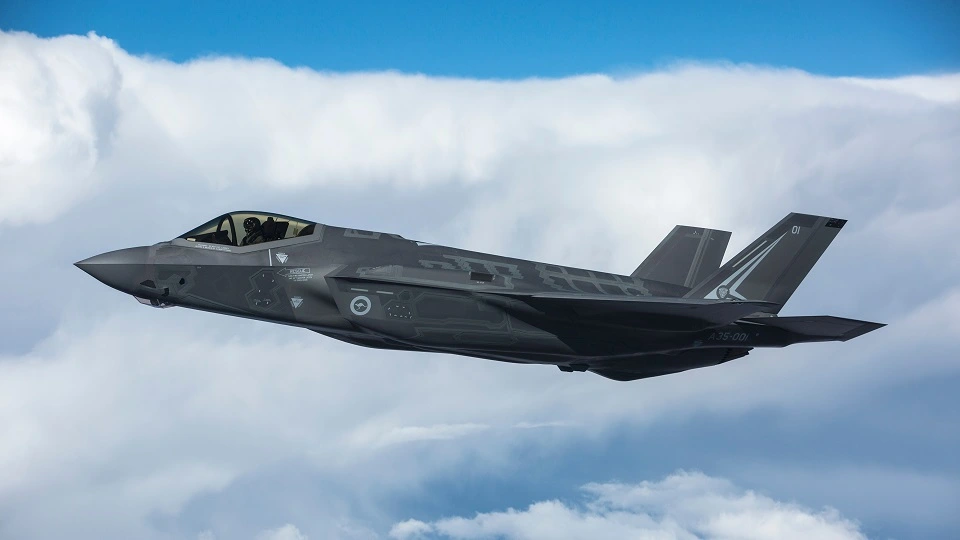
Combat Performance and Global Support Solution
Recent deployments have shown the F-35’s combat effectiveness when support resources are concentrated.
Douglas Birkey, Executive Director of the Mitchell Institute for Aerospace Studies, pointed to Operation Epic Fury as proof that the aircraft performs at a very high level when supplied with adequate spare parts, experienced maintainers, and focused readiness support.
Birkey noted that sustaining that level of support for deployed jets strains the broader fleet and lowers readiness elsewhere.
He warned that years of underinvestment in spare parts and maintenance funding have contributed heavily to the challenges now facing both the F-35 and the wider Air Force inventory.
The JPO launched the GSS Reset to reverse the decline, aiming for 80 percent mission-capable rates and 65 percent full mission-capable rates by 2030.
The initiative expands spare parts and consumable inventories, increases depot repair capacity, accelerates repair turnaround, improves parts allocation, streamlines maintenance processes and staffing, and introduces new maintenance tools and practices. Officials believe the changes could lift availability if fully funded and successfully executed.
Funding in Doubt
The JPO estimates the reset will need an additional $13.7 billion through fiscal 2031. About $7.3 billion would go to depot-level spare parts and materials, $3.1 billion to depot expansion and repair capacity, and $3.3 billion to maintenance and fuel.
Roughly $2.2 billion would be invested across fiscal 2026 and 2027, with about half directed to spare parts. The remaining $11.5 billion would begin in fiscal 2027 to cover broader sustainment shortfalls, an acknowledgment that the original budgeting left the services short.
The Air Force believes it can fund its share, while the Navy and Marine Corps remain uncertain. Officials conceded that inadequate funding would blunt the planned improvements and raise future costs, though the JPO stayed optimistic that later budgets would largely cover the bill. GAO identified funding uncertainty as one of the initiative’s most significant risks.
Data Access and Working Capital Fund
GAO said the GSS Reset does not address the military’s limited access to critical technical data needed to repair aircraft independently.
Much of that data remains controlled by contractors, which restricts the military repair network.
A planned working capital fund would let the JPO stock larger inventories, shorten procurement timelines, and hedge against inflation, but GAO estimates it will not be operational before October 2028.
JPO and Lockheed Martin Effort
The JPO said it concurs with GAO’s findings and supports its recommendations on sustainment performance, financial oversight, and program risk.
The office said the GSS Reset remains focused on meeting 2030 readiness goals while maintaining accountability for every sustainment dollar.
Lockheed Martin said it continues to work with the JPO and industry partners to improve availability, adding that it has invested more than $2 billion in advanced funding to accelerate spare parts across the global fleet.
Growing Fleet
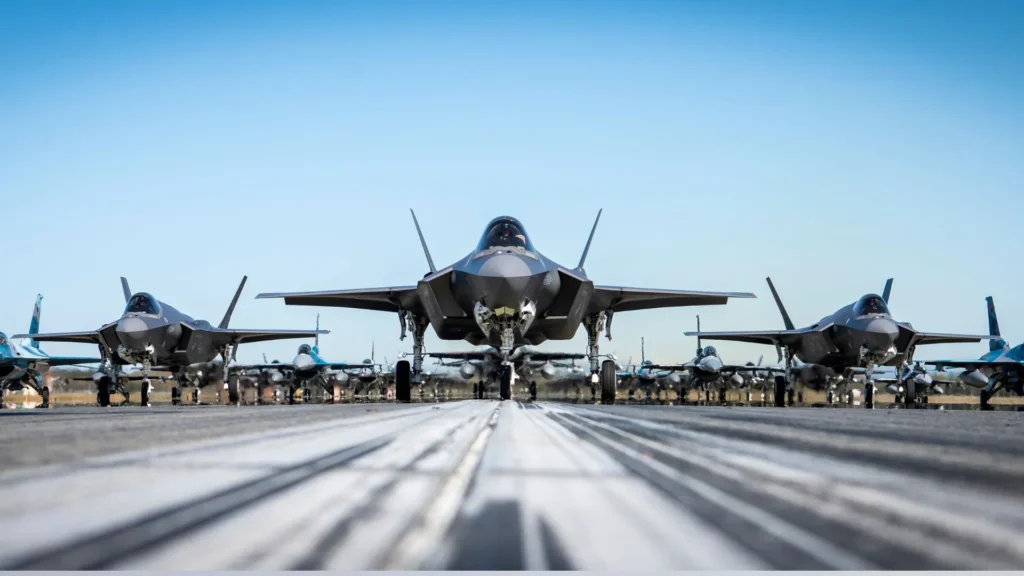
The Air Force operates more than 500 F-35As, the largest share of the US military’s 800+ F-35s. The Air Force, Navy, and Marine Corps plan to buy roughly 1,700 more through the mid-2040s.
GAO concluded readiness can recover if the program fixes parts shortages, depot limits, maintenance inefficiencies, and funding gaps, but cautioned that execution risks remain.
Without sustained investment and structural change, the F-35 may keep falling short of required readiness despite its proven combat capability.
Stay tuned with us. Further, follow us on social media for the latest updates.
Join us on Telegram Group for the Latest Aviation Updates. Subsequently, follow us on Google News
