

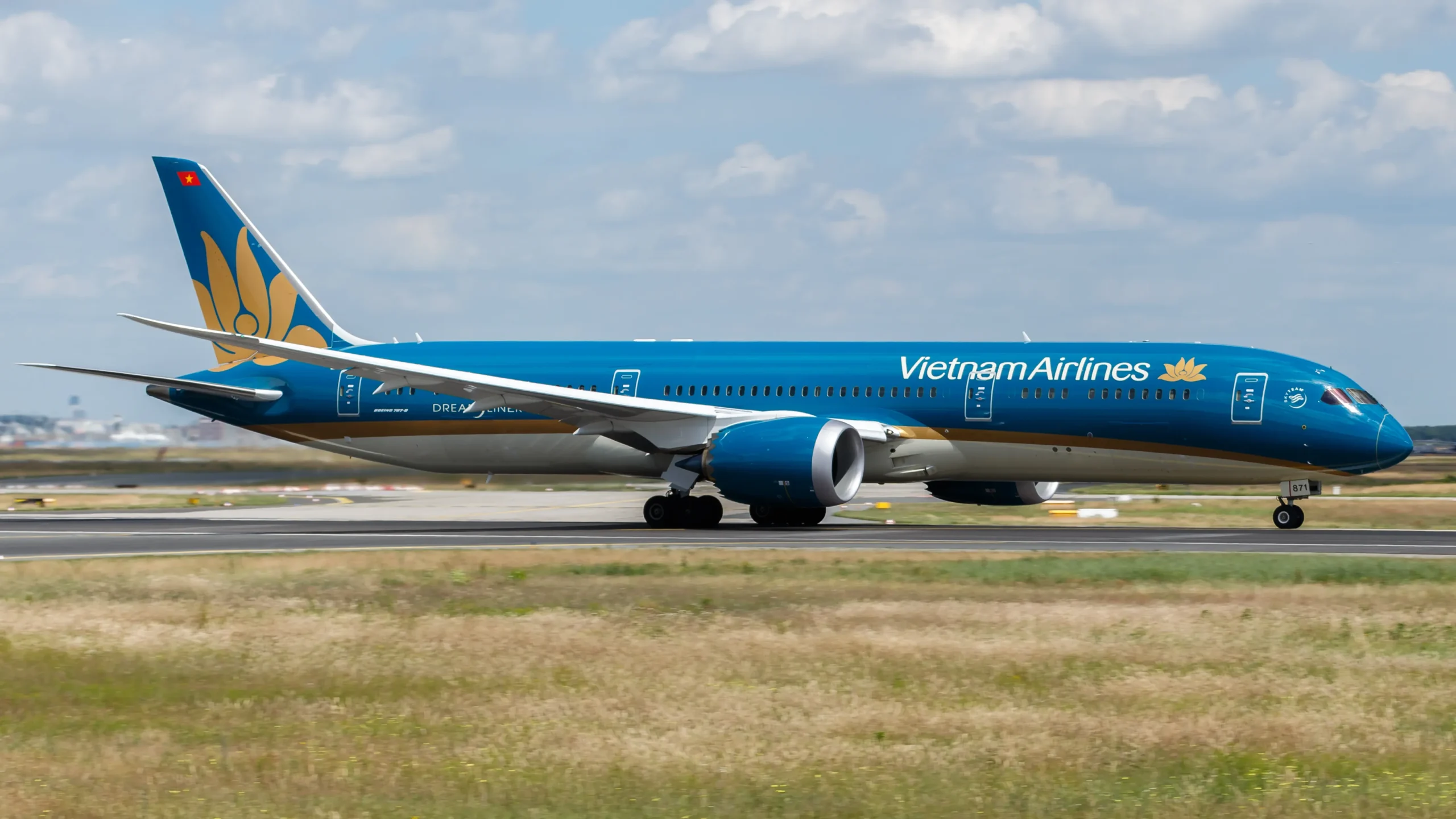
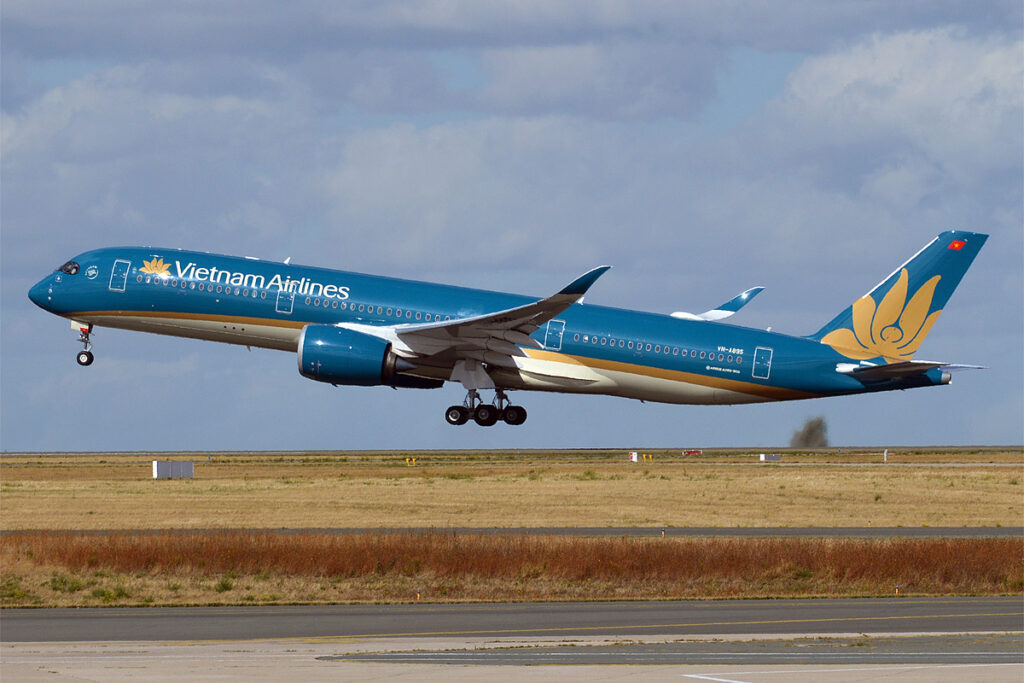
MUNICH- A Vietnam Airlines (VN) Boeing 787-9 suffered a serious runway overrun while departing Munich Airport (MUC) for Hanoi (HAN) on Saturday, August 15, 2026. The aircraft became airborne despite overrunning the runway before returning safely to Germany.
The incident involved Vietnam Airlines (VN) flight VN34 from Munich Airport (MUC) to Noi Bai International Airport, Hanoi (HAN). Although no injuries have been reported, the aircraft sustained visible damage, including a tail strike and tire-related issues, prompting an emergency return.
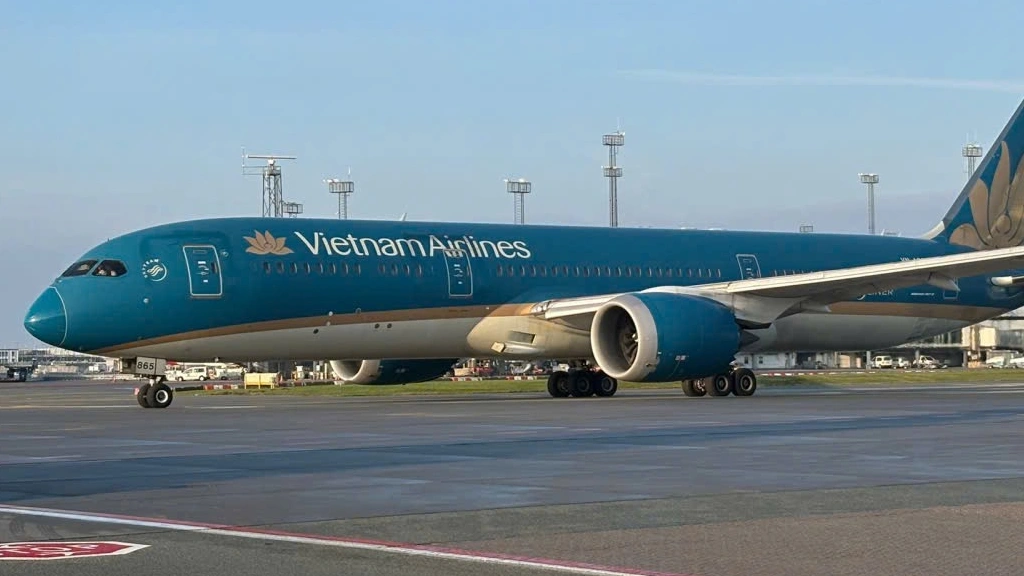
Vietnam Airlines 787 Incident During Munich Departure
Vietnam Airlines flight VN34 departed Munich at approximately 1:57 p.m. local time aboard a 10-year-old Boeing 787-9 Dreamliner registered as VN-A867. The aircraft was operating a scheduled long-haul service from Munich to Hanoi.
The crew began the takeoff roll on Munich Airport’s Runway 26L, which measures approximately 4,000 meters (13,123 feet). The runway is among the longest used by commercial aircraft and normally provides ample distance for a fully loaded Boeing 787 operating an intercontinental flight.
Video footage from the airport shows the aircraft accelerating normally during its takeoff roll. However, instead of rotating at the expected point, the aircraft continued accelerating almost to the end of the runway.
The aircraft subsequently overran the paved surface, striking runway edge lights before becoming airborne. Large clouds of dust were visible behind the aircraft, while the tail appeared to contact the ground, indicating a tail strike during rotation.
Despite the runway excursion, the crew successfully climbed away from the airport and immediately declared an emergency.
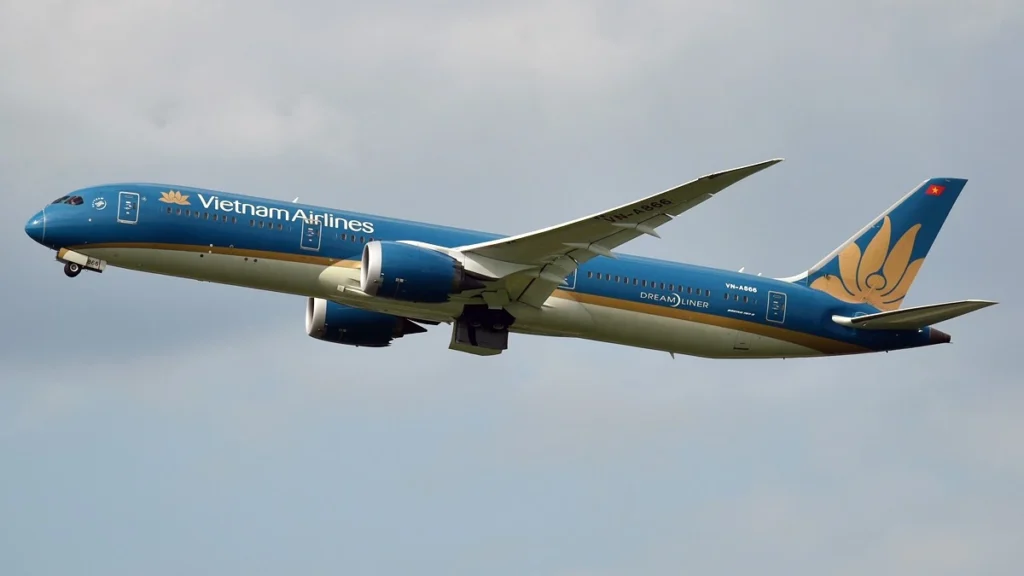
Emergency Return After Tire Pressure Warning
After departure, the Boeing 787 climbed to approximately 10,000 feet before the flight crew reported an indication of abnormal tire pressure.
The aircraft remained in the vicinity of Munich for roughly 90 minutes. During this period, the crew likely reduced the aircraft’s landing weight before attempting a return. Aviation authorities have not yet confirmed whether fuel was burned off or jettisoned.
Before landing, the aircraft performed two low passes over the runway, allowing observers and airport personnel to visually inspect the landing gear and assess any external damage.
On the third approach, the aircraft landed safely on Runway 26R at approximately 3:57 p.m., nearly two hours after its initial departure.
Following touchdown, the aircraft became disabled on the runway, leading to an extended runway closure while emergency teams inspected the aircraft and removed it from the active runway.
Images taken after landing showed substantial damage to multiple tires along with evidence of the tail strike sustained during departure.
According to OMAAT, the aircraft is expected to remain out of service while engineers conduct a detailed structural inspection and maintenance assessment.

Investigation Expected to Focus on Takeoff Performance
Authorities have not yet identified the cause of the incident, and an official investigation is expected to examine every stage of the departure.
Video evidence does not immediately suggest any obvious abnormality during the early part of the takeoff roll. The aircraft appeared to accelerate with flaps properly deployed and without visible engine issues. However, the rotation occurred unusually late, leaving almost no remaining runway.
Flight tracking information available publicly also contains a gap during the takeoff sequence, preventing analysts from reviewing detailed speed and altitude data for the critical moments of departure.
Aviation investigators typically examine several factors following runway overrun events. These include takeoff performance calculations, aircraft weight and balance, environmental conditions, runway conditions, aircraft system performance, and crew actions.
One possible area of investigation could involve the takeoff performance data entered before departure. Incorrect performance calculations have contributed to similar incidents in the past, although there is currently no evidence confirming that such an error occurred in this case.
Investigators will also evaluate whether any technical malfunction or operational issue delayed the aircraft’s rotation despite the available runway length.
Until official findings are released, the precise cause of the runway overrun remains unknown.
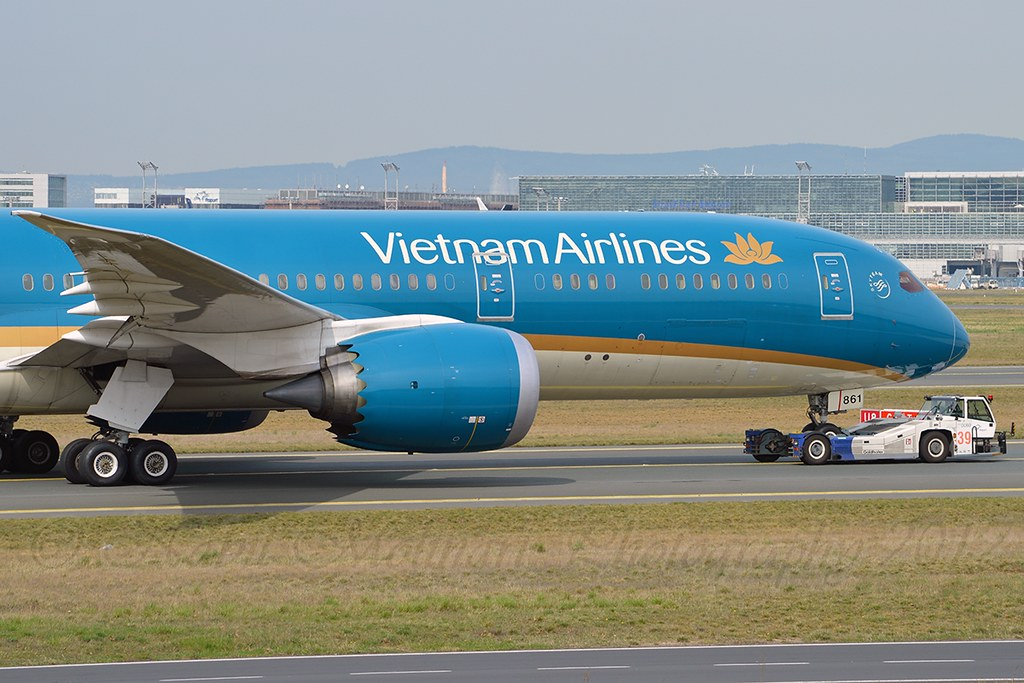
Aircraft Likely to Remain Grounded
Tail strikes on composite aircraft such as the Boeing 787 require detailed structural inspections. Engineers must examine the fuselage, pressure bulkhead, empennage, landing gear, and other critical components for hidden damage.
The damaged tires and runway impact will also require thorough maintenance inspections before any repair work begins.
Depending on the extent of structural damage, the aircraft could remain grounded for weeks or longer while repairs are completed and regulatory approvals are obtained.
Investigation Continues
The Vietnam Airlines Boeing 787 incident at Munich represents a rare runway overrun involving a modern long-haul aircraft operating from one of Europe’s longest commercial runways. Although the aircraft sustained significant damage during departure and later returned with landing gear issues, the flight crew successfully landed the aircraft without reported injuries.
Authorities are expected to conduct a comprehensive investigation to determine why the aircraft failed to rotate at the expected point despite the available runway length. The findings will help establish the sequence of events and identify any operational or technical factors that contributed to the incident.
Stay tuned with us. Further, follow us on social media for the latest updates.
Join us on Telegram Group for the Latest Aviation Updates. Subsequently, follow us on Google News
