

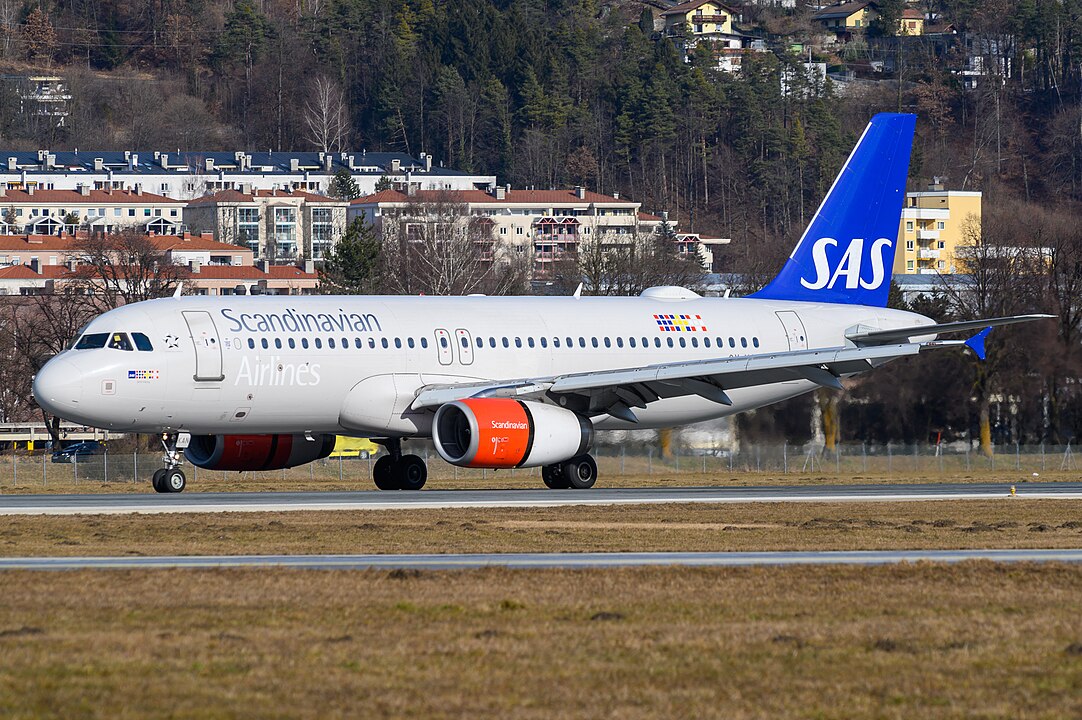
STOCKHOLM— Scandinavian Airlines (SK), also known as SAS, faced a serious crew incident this week after one of its pilots tested positive for cocaine during a routine screening at Nice Côte d’Azur Airport (NCE). The case has triggered criminal proceedings and is set to cost the pilot his licence.
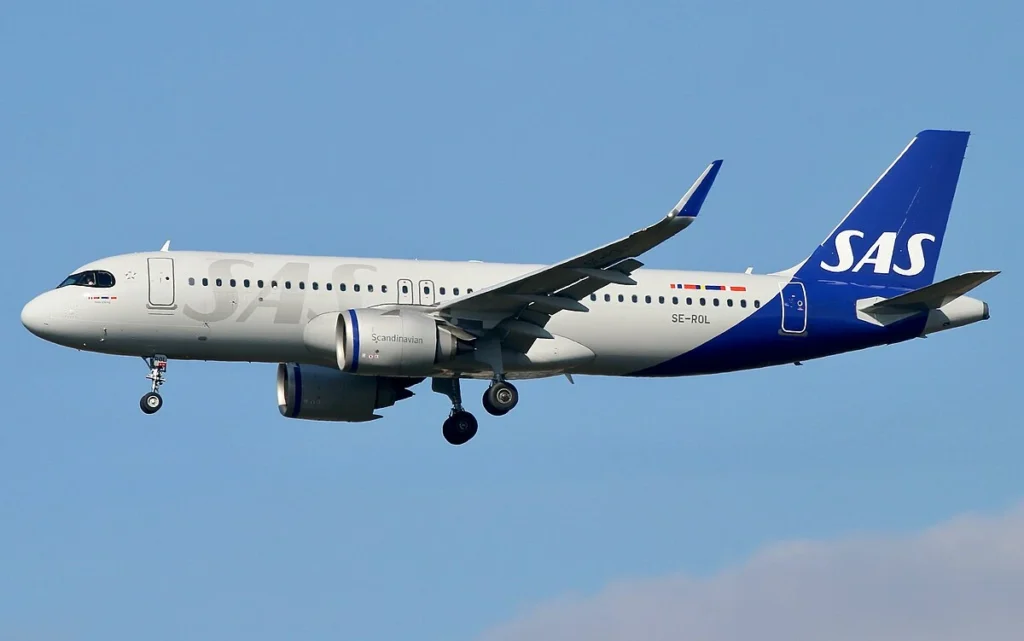
The Airbus A320-251N had arrived from Copenhagen Airport (CPH) on Wednesday, June 10, 2026, operating flight SAS67W without any technical issues. French aviation police were waiting on the tarmac, and within hours the pilot was in custody.

SAS Pilot Tests Positive for Cocaine at Nice
The aircraft took off from Copenhagen at 12:02 PM, twenty minutes behind schedule, and landed at Nice three minutes after its planned arrival time, at 2:53 PM. Passengers disembarked normally and were unaware of the operation underway.
Waiting for the crew was the Air Transport Gendarmerie, the military police unit responsible for monitoring aviation personnel. Under Ordinance No. 2022-830 of June 1, 2022, these officers are authorized to carry out random alcohol and drug tests on pilots and cabin crew. The checks follow the same principles applied to road traffic and are designed to limit disruption to airline crews and operations.
The pilot, a man of about 45 with roughly twenty years of flying experience, was required to comply. The screening returned a positive result for cocaine. Officers took him into custody at the air transport brigade immediately afterward.
Sentencing Through a Simplified Procedure
The pilot, who had held an excellent record until this point, appeared before the court on Thursday, June 11.
He chose the Complaint of Guilty Prior to Trial (CRPC), a faster and more discreet route than a standard criminal court hearing. This simplified procedure allows a person who admits guilt to be sentenced quickly, with the judge proposing and approving the penalty.
Still in his pilot’s uniform shortly after leaving custody, he received a ten-month suspended prison sentence and a one-year ban from flying over French territory.
Licence Suspension Expected From the DGAC
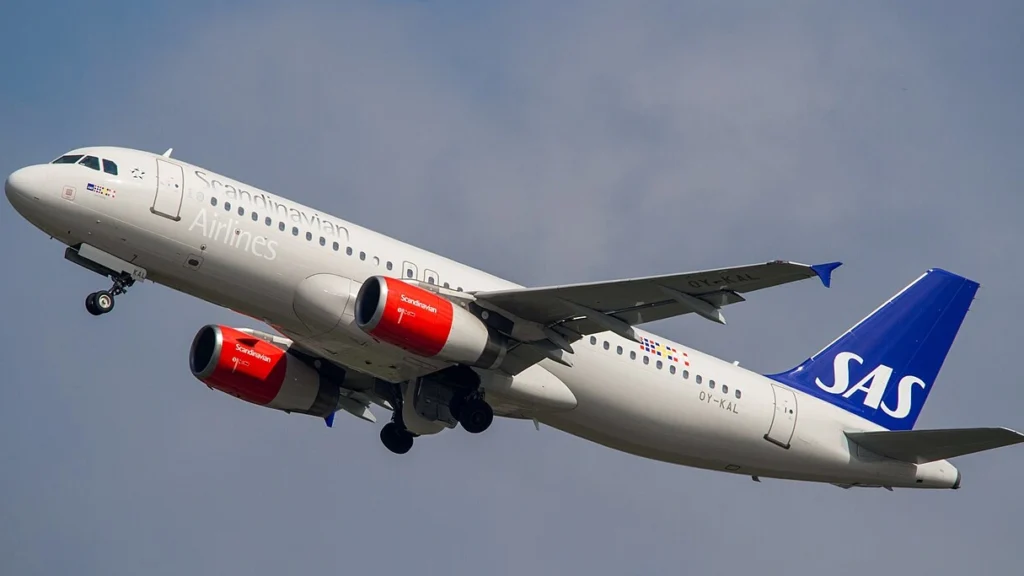
The DGAC (French Civil Aviation Authority) is expected to suspend the pilot’s licence, and his airline is also set to take its own action.
French law provides for administrative measures such as the detention and suspension of licences or authorizations to practice, in addition to criminal penalties. Refusing a test is treated as a separate offence.
His lawyer, Nice-based criminal attorney Sophie Jonquet, told Nice-Matin that her client does not dispute the result of the check. She added that the specific circumstances of the case had been examined closely and must be assessed in full.
Similar Incident
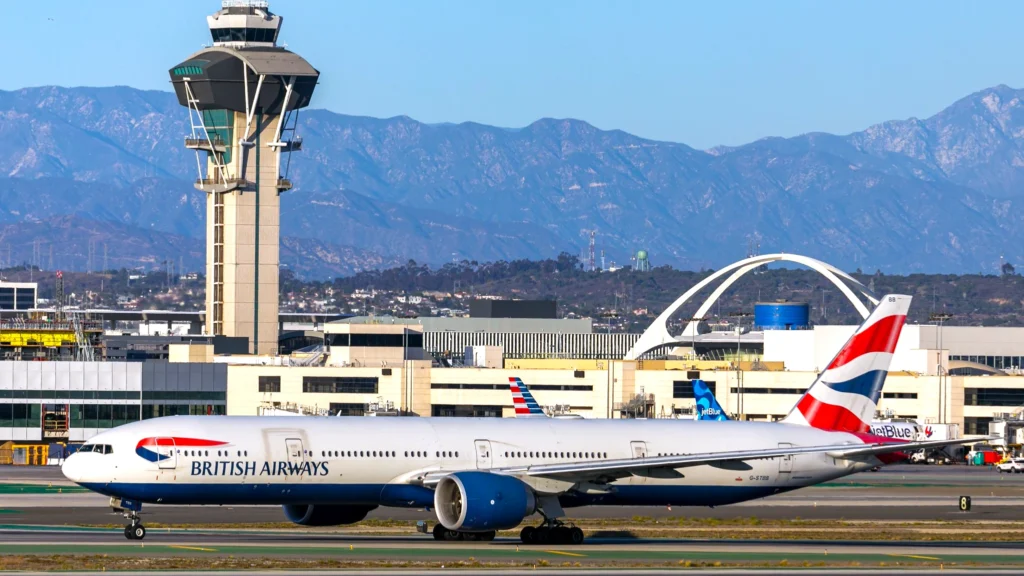
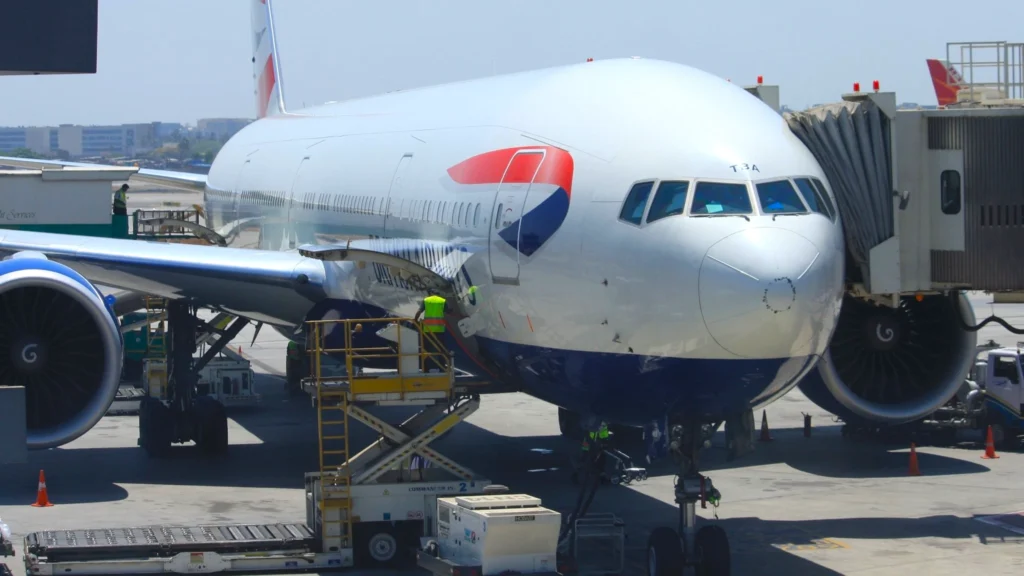
British Airways (BA) faced another drug smuggling incident after cocaine valued at £100,000 ($131,000) was found inside a lavatory aboard a Boeing 777 that arrived at London Gatwick Airport (LGW) from Orlando International Airport (MCO).
The discovery follows a comparable case in which a separate British Airways (BA) Boeing 777 was held at Cancun International Airport (CUN) for 24 hours after Mexican authorities located suspected cocaine blocks concealed in onboard luggage.
Cocaine Found Aboard British Airways Boeing 777
The cocaine surfaced at London Gatwick after the British Airways Boeing 777 was unexpectedly directed to a maintenance hangar following its overnight service from Orlando, Florida.
According to The Sun, an engineer found the drugs hidden behind a panel inside one of the aircraft’s lavatory waste bins. This unscheduled maintenance decision likely disrupted the smugglers’ plan to retrieve the narcotics between flights.
Security experts believe the cocaine was placed during the aircraft’s turnaround in Orlando by someone holding legitimate access to the plane, such as cleaning staff. The operation apparently depended on accomplices at Gatwick who held security clearance, allowing them to recover the cocaine and bypass standard customs inspections.
Rising Concerns About Airport Security
These consecutive incidents point to potential security vulnerabilities within airline operations and airport screening systems. The concealment method, hiding contraband inside aircraft lavatories and luggage, suggests smugglers are exploiting insider access points across international aviation networks.
The situation raises questions about security protocols at both departure and arrival airports. At Orlando, the placement of drugs onboard indicates either security lapses or the involvement of airport personnel with legitimate access. At London Gatwick, the plan again relied on individuals with security clearance to retrieve the drugs and circumvent customs procedures.
Stay tuned with us. Further, follow us on social media for the latest updates.
Join us on Telegram Group for the Latest Aviation Updates. Subsequently, follow us on Google News
