


WASHINGTON— Northrop Grumman says efforts to accelerate production of the B-21 Raider stealth bomber could encourage the U.S. Air Force to expand the size of its future bomber fleet beyond the long-standing target of 100 aircraft.
Northrop Grumman Chief Executive Kathy Warden said the company is increasing manufacturing capacity for the next-generation bomber while working closely with the Air Force to improve production rates.
The comments come as Pentagon officials and lawmakers openly discuss the possibility of purchasing significantly more B-21 aircraft in the coming years.
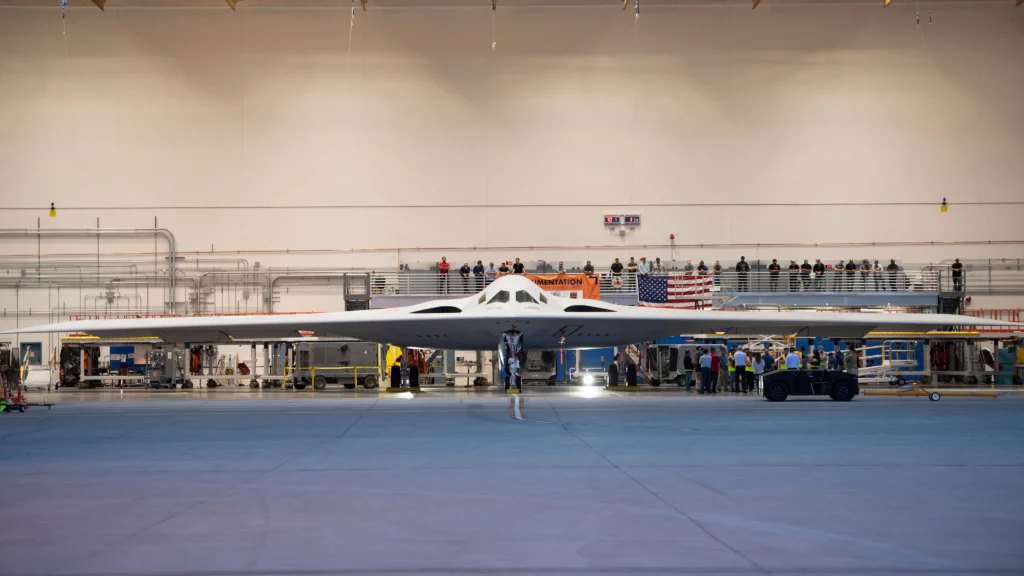
B-21 Raider Production Plans
Speaking at the Bernstein Strategic Decisions Conference on May 28, Warden said Northrop’s ability to produce B-21 bombers faster could directly influence how many aircraft the Air Force ultimately decides to buy.
The Air Force currently maintains an official requirement for “at least 100” Raiders, a figure that has remained unchanged since 2015.
However, military leaders increasingly believe that the number may no longer meet future operational demands given evolving security challenges and expanding mission requirements.
Northrop Grumman builds the B-21 at Air Force Plant 42 in Palmdale, California. The company and the Air Force announced earlier this year that they had agreed on a plan to increase B-21 production capacity by 25% using $4.5 billion from the 2025 reconciliation funding package.
Warden also confirmed that Northrop is investing an additional $2.5 billion of company funding to support expanded production infrastructure.
Most of that investment will go toward new manufacturing facilities and long-term industrial upgrades designed to improve output efficiency.
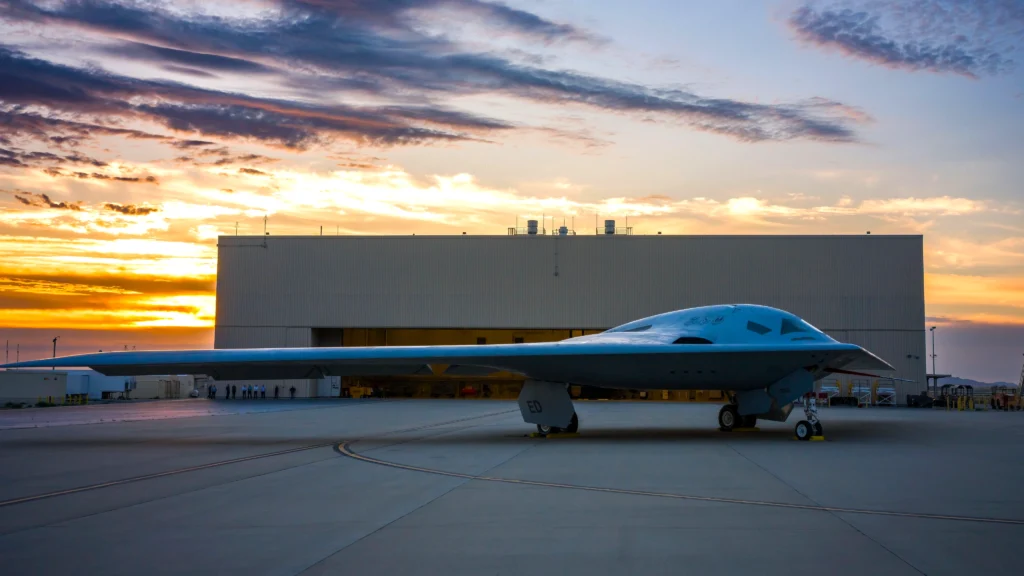
Air Force Expansion
Senior U.S. defence officials have recently signaled growing support for a larger B-21 fleet. Defense Secretary Pete Hegseth told lawmakers in April that the Air Force would need “a lot more” than 100 Raiders in the future.
The House Armed Services Committee has also raised concerns that the current acquisition target may not adequately support the National Defense Strategy.
A draft version of the fiscal 2027 National Defense Authorization Act would require the Pentagon to submit a report by December 2026 evaluating the total number of B-21s needed for both nuclear and conventional missions.
Strategic Command Commander Adm. Richard Correll recently suggested the Air Force may require as many as 145 B-21 bombers. Military planners are also reportedly evaluating the possibility of opening a second production line to support higher procurement rates.
The Air Force expects the first operational B-21 to arrive at Ellsworth Air Force Base in South Dakota in 2027. Two Raiders are currently undergoing flight testing at Edwards Air Force Base in California.
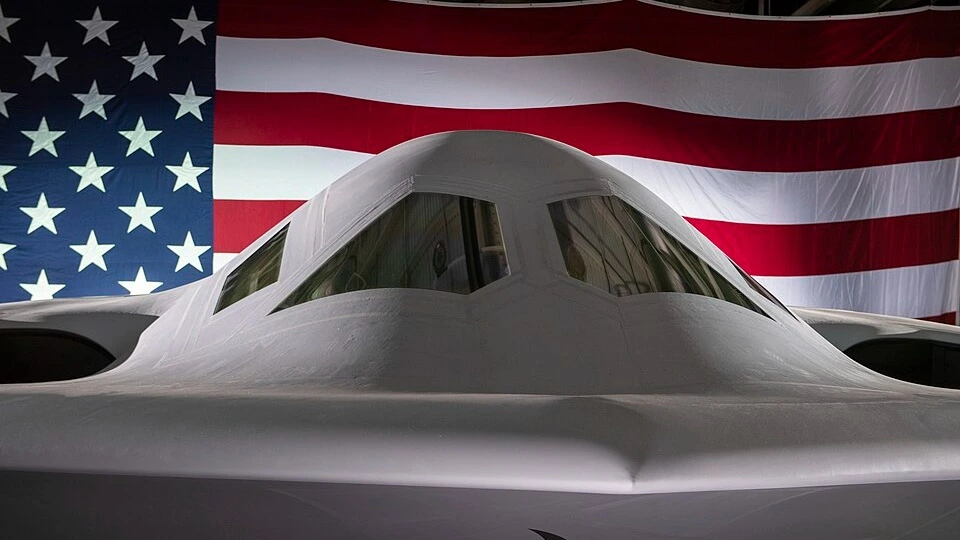
Stealth Bomber Capability
The B-21 Raider is considered a sixth-generation bomber platform designed for penetrating strike operations deep inside contested enemy territory. The aircraft combines advanced stealth shaping, long-range strike capability, open systems architecture, and extensive data-sharing functions.
The bomber will carry both nuclear and conventional weapons while integrating with future unmanned systems and network-centric combat operations. Its digital architecture is designed to support rapid software updates and future mission enhancements over several decades of service.
Despite progress in testing and production, Northrop recently disclosed a $477 million first-quarter loss on the B-21 programme.
Company officials attributed much of the charge to manufacturing process changes intended to support higher production rates.
Warden acknowledged that the programme experienced some production-related “learning” issues that required rework but expressed confidence that risks are steadily declining as testing and manufacturing continue to mature, Air and Space Forces flagged.
Stay tuned with us. Further, follow us on social media for the latest updates.
Join us on Telegram Group for the Latest Aviation Updates. Subsequently, follow us on Google News
