


FLORIDA- The US Air Force seeks additional industry sources to produce the Stand-in Attack Weapon (SiAW) or an equivalent system compatible with the F-47 fighter and B-21 Raider stealth bomber.
A sources sought notice on SAM.gov outlines requirements for the all-up-round missile, logistics elements, trainers, flyout model, and system verification.
This market research initiative gauges vendor capabilities amid rising munitions demands. It supports Northrop Grumman’s lead role while exploring production scalability for contested environments.
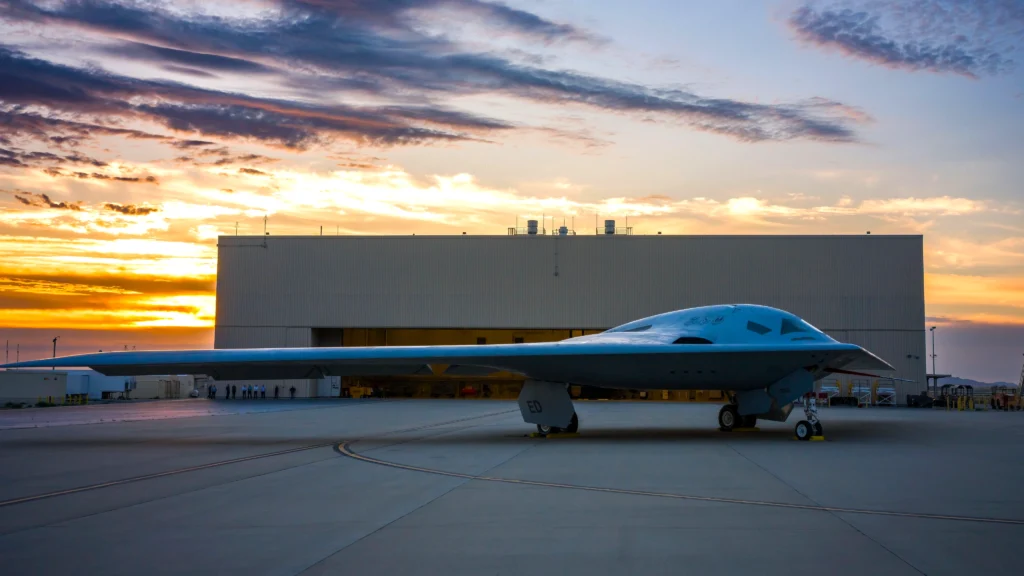
US Air Force Advanced Stand-in Attack Weapon Research
The Air Force Life Cycle Management Center’s weapons office at Eglin Air Force Base, Florida (VPS), posted the notice on SAM.gov as a Request for Information (RFI).
This market research tool identifies firms ready to deliver systems with capabilities similar to or better than SiAW, without issuing a formal solicitation. Responses must arrive by March 19, enabling the service to evaluate industry depth.
Reported by Defense News, the SiAW functions as a supersonic air-to-ground missile that rapidly strikes mobile targets in contested areas.
These targets include integrated air defense systems, ballistic missile launchers, GPS jammers, and antisatellite systems. The design ensures high lethality with a high probability of kill against diverse threats.
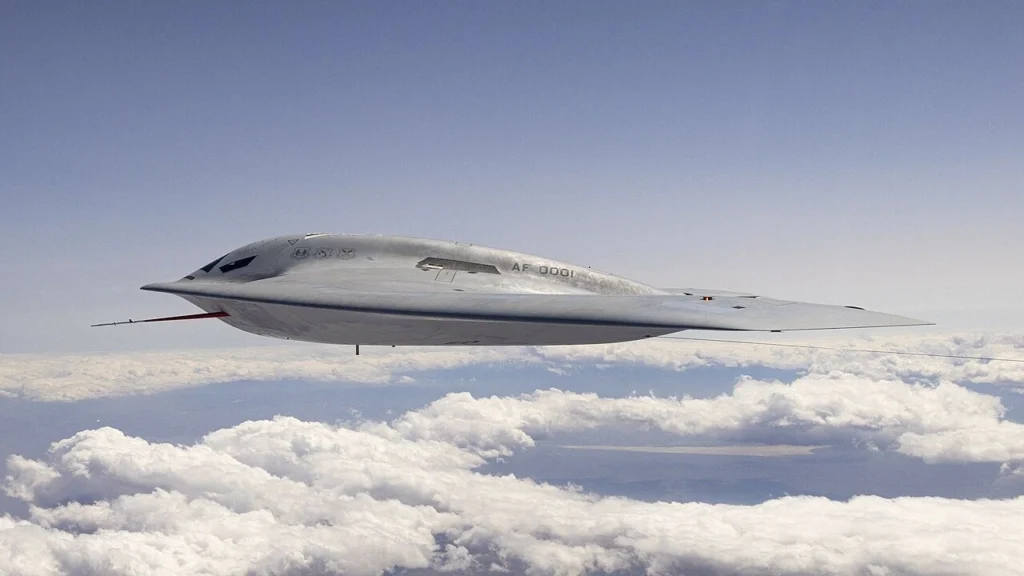
Compatibility drives the effort. The notice requires integration with the F-35 Lightning II (initial platform), F-16 Fighting Falcon, Boeing’s F-47 Next-Generation Air Dominance fighter, and B-21 Raider stealth bomber.
This marks the first public Air Force acquisition document naming the F-47 for a specific weapon system. The Air Force previously confirmed F-35 as the SiAW’s starting platform and indicated B-21 compatibility.
Northrop Grumman secured a $705 million contract in September 2023 to develop and test SiAW, after an initial phase that engaged Lockheed Martin and L3Harris. The firm delivered the first SiAW test missile in November 2024.
It then completed a successful F-16 separation test in December 2025, confirming safe release from existing fighters.
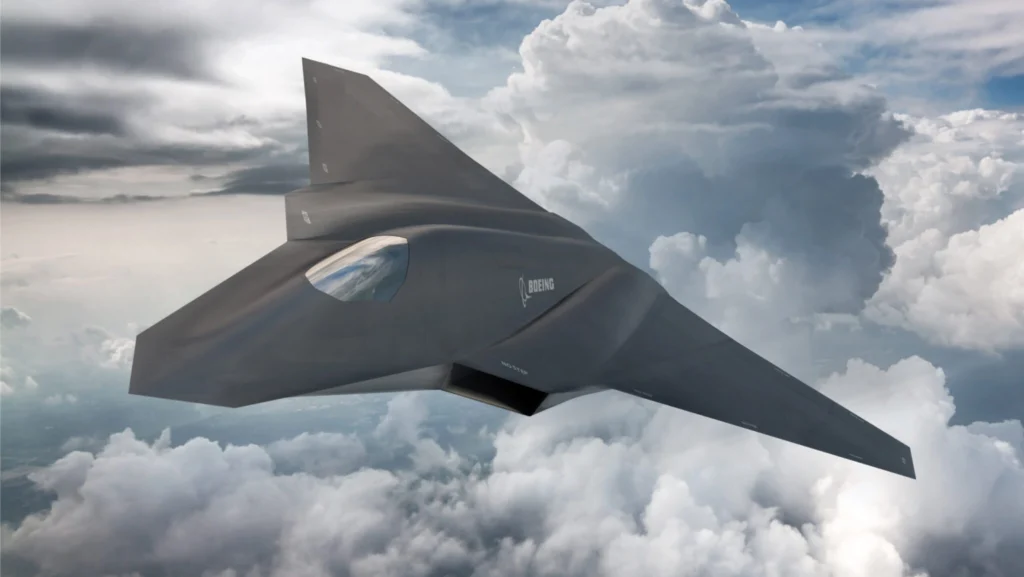
Integration with Future US Combat Aircraft
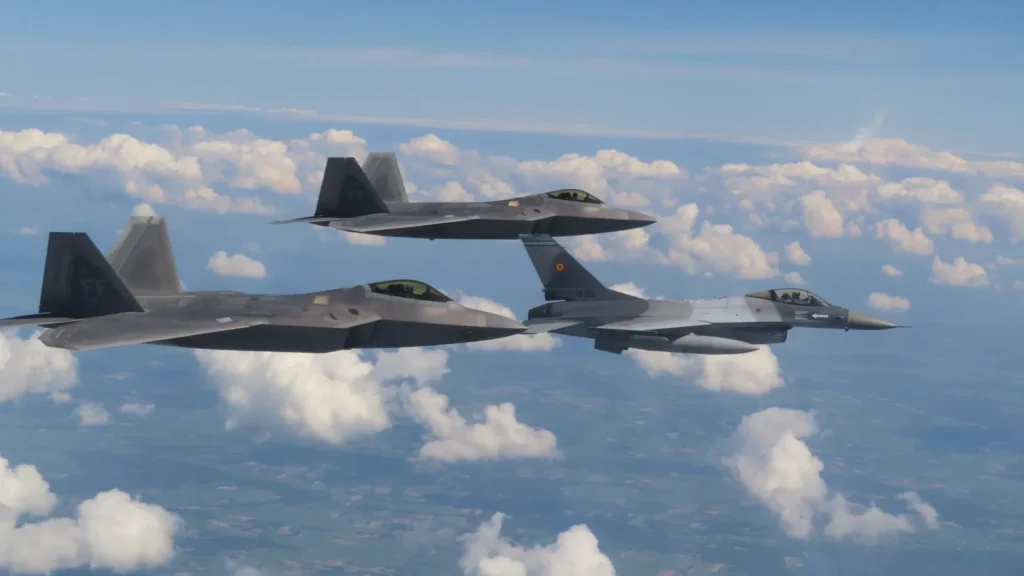
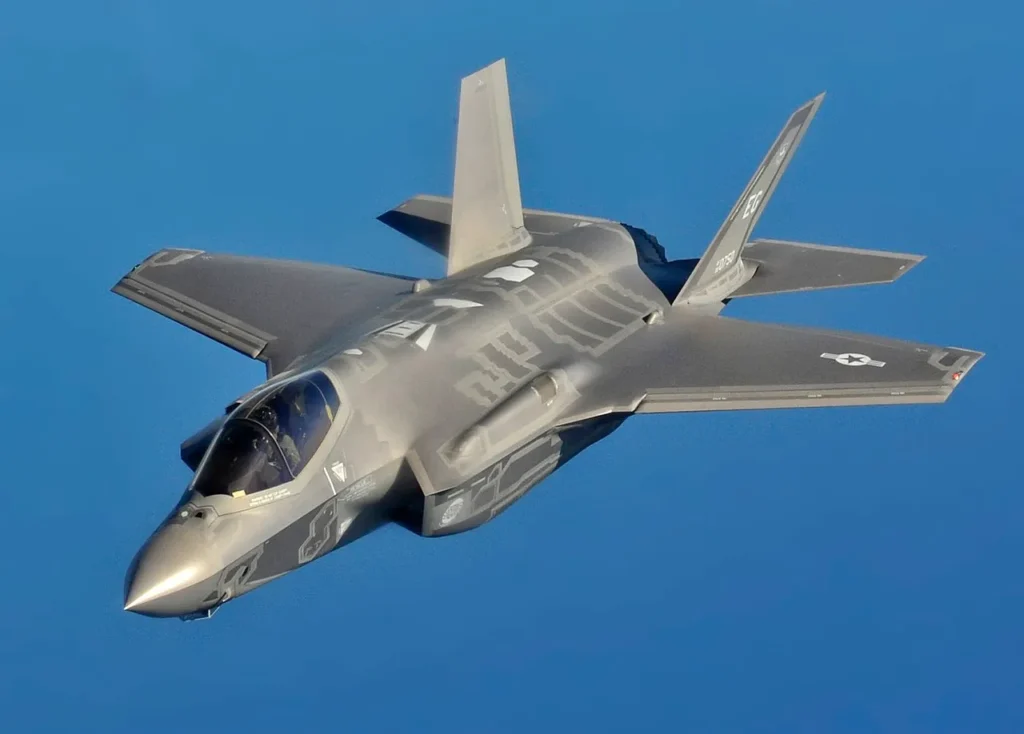
The sources sought notice lists platform compatibility requirements for several aircraft. These include the F-35 Lightning II, F-16 Fighting Falcon, Boeing F-47 Next-Generation Air Dominance fighter, and the B-21 Raider stealth bomber.
This document marks the first time the F-47 fighter has appeared by name in a public US Air Force acquisition document linked to a specific weapon system.
The F-35 is expected to be the first aircraft to carry the missile, while the B-21 bomber may also integrate the weapon as part of its long-range strike capability.
Key Technical Requirements
The Stand-in Attack Weapon is designed as a supersonic air-to-ground missile capable of striking high-value mobile targets in heavily contested environments.
Target categories include integrated air defense systems, ballistic missile launchers, GPS jammers, and antisatellite capabilities. These targets typically operate within advanced electronic warfare environments that challenge conventional precision weapons.
The Air Force outlined several core performance requirements. The missile must provide an extended standoff range so aircraft can engage targets without entering heavily defended airspace.
The system must also include an advanced anti-radiation seeker capable of targeting frequency-agile radar systems and low-probability-of-intercept sensors. Precision navigation using GPS and inertial guidance with strong anti-jamming protection is also required.
Additional requirements include robust electronic counter-countermeasures and the ability to reattack a target if the first strike fails.
Production Capacity and Program Timeline
The SiAW program advances through a Middle Tier Acquisition Rapid Prototyping phase to accelerate delivery.
The notice envisions a 48-month performance period from award, targeting first production lots in 2030. Fiscal 2026 budgets fund prototype development through the first quarter of fiscal 2027.
Vendors must provide open architecture standards for future upgrades. Production targets reach up to 600 all-up-rounds per year, each with a 15-year service life.
This capacity addresses stockpiles strained by operations like Epic Fury against simulated Iranian forces, as noted in a Center for Strategic and International Studies report published Thursday. That report highlights risks to munitions reserves and industrial base limits.
Industrial Capacity Concerns
The outreach to industry comes as the US military reviews the resilience of its munitions supply chain and production capacity.
Concerns about munitions stockpiles and industrial base readiness have grown following Operation Epic Fury against Iran.
A report from the Center for Strategic and International Studies highlighted the importance of expanding missile production capacity to support potential high-intensity conflicts.
The Air Force did not explain why it is seeking additional vendors capable of producing a SiAW equivalent. The notice also does not indicate whether the effort could affect the existing Northrop Grumman program.
Stay tuned with us. Further, follow us on social media for the latest updates.
Join us on Telegram Group for the Latest Aviation Updates. Subsequently, follow us on Google News
