

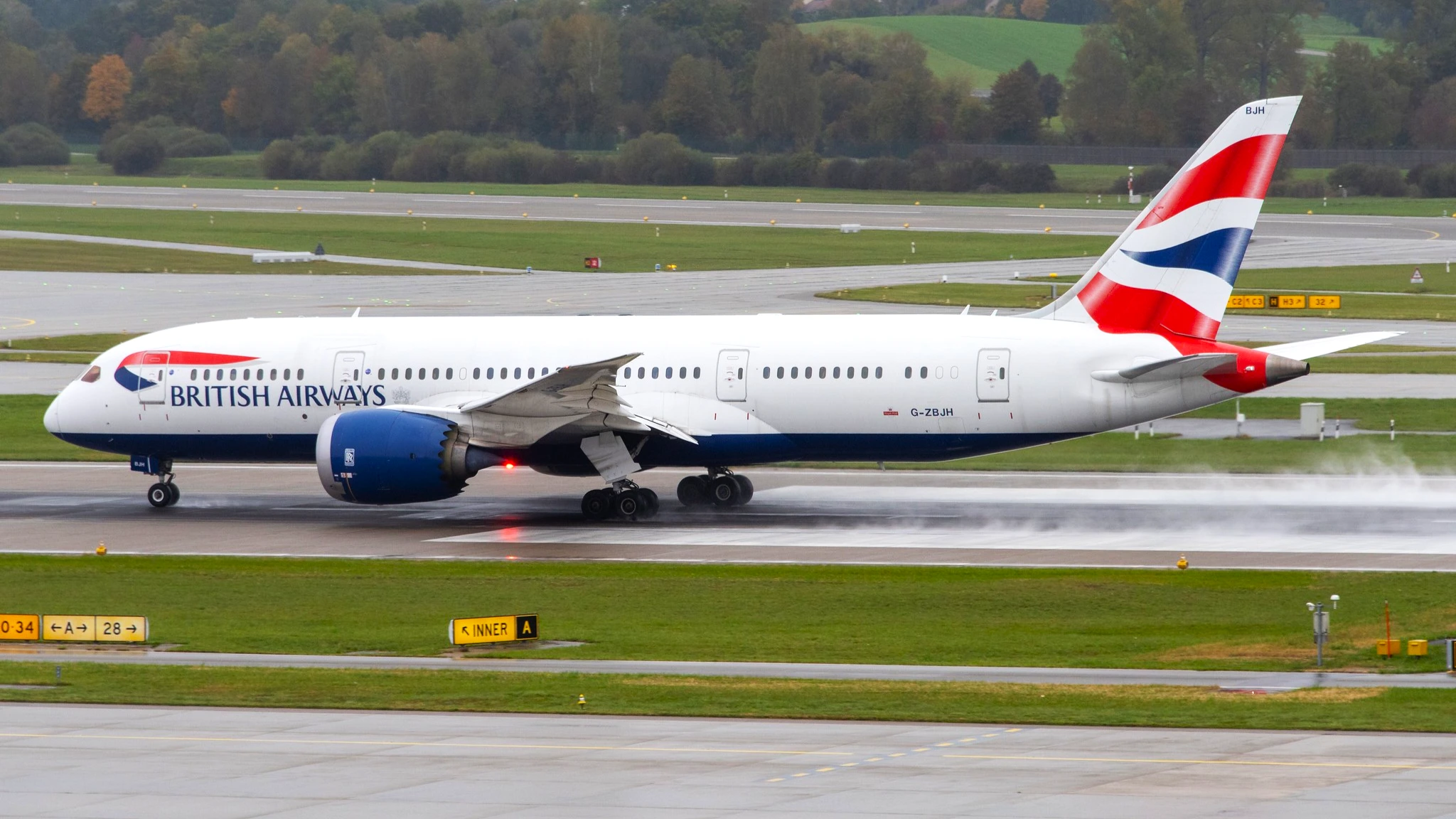
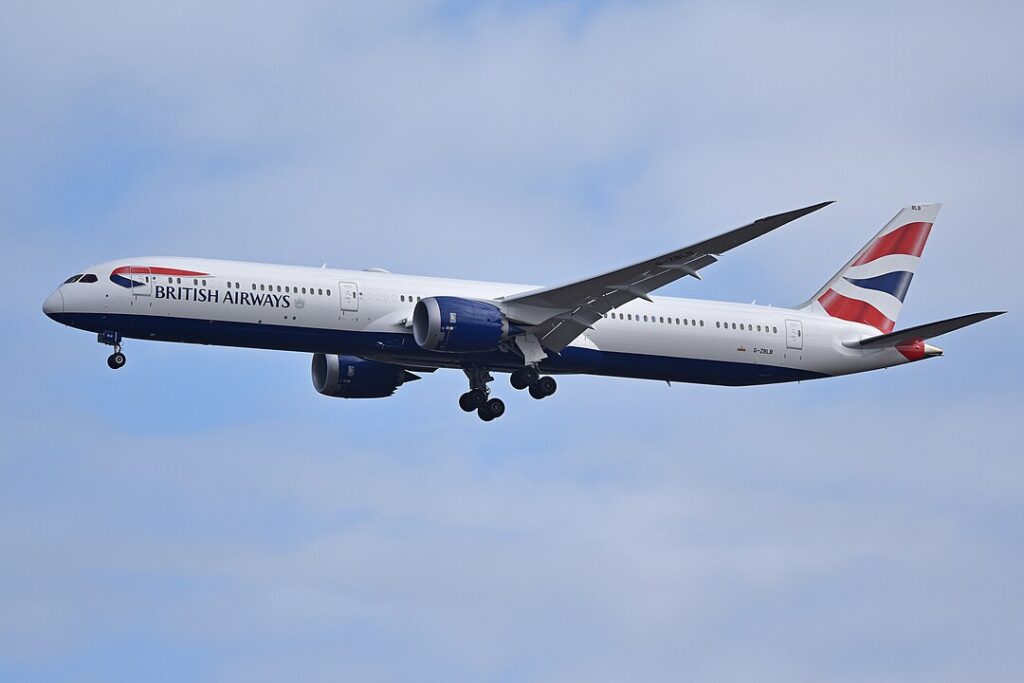
NEW YORK— A British Airways (BA) Boeing 787-10 pilot and a New York John F. Kennedy International Airport (JFK) air traffic controller engaged in a tense radio exchange over low visibility terminology on May 9, 2026, before a scheduled departure to London Heathrow Airport (LHR).
The flight, operating as Speedbird 18A, was taxiing for departure when the pilot repeatedly asked whether Low Visibility Operations (LVO) were in force. The JFK controller stated he did not understand the question, exposing a terminology gap between International Civil Aviation Organization (ICAO) phraseology and Federal Aviation Administration (FAA) procedures.
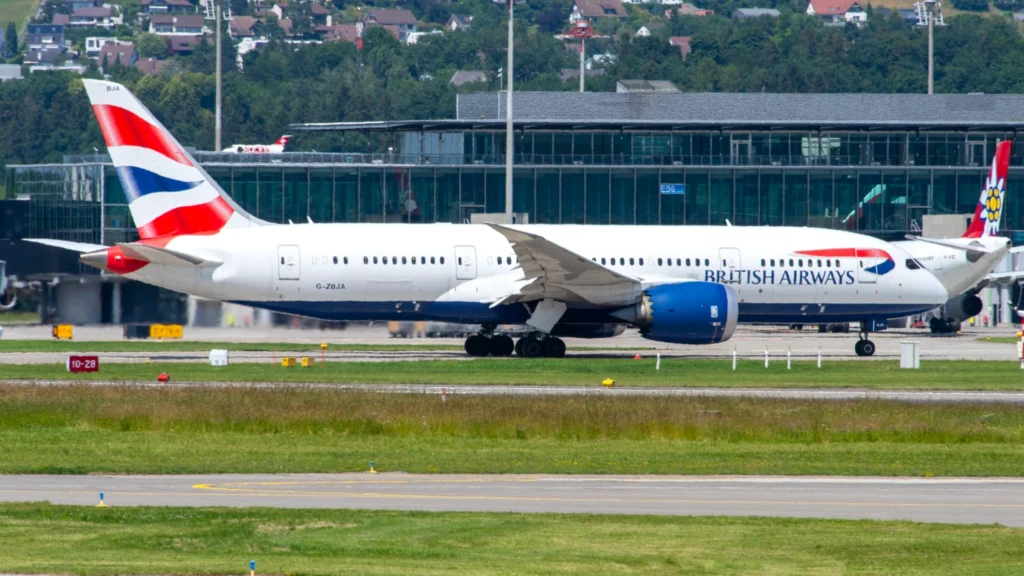
British Airways Pilot and JFK ATC Clashes
The incident occurred at approximately 11:30 PM local time on May 9, 2026, when visibility at JFK had deteriorated, and the Runway Visual Range (RVR) sat at 1,000 feet, OMAAT flagged.
As the British Airways crew prepared for departure, the pilot sought confirmation that low-visibility procedures were active.
According to the audio captured by the YouTube channel You can see ATC, the pilot opened with, “Kennedy, Speedbird 18A heavy, are you declaring LVOs?” The controller responded that he did not understand the question.
The pilot then explained that an RVR reading of 1,000 feet meant low visibility, and asked the controller to confirm whether LVO procedures were in force, citing ICAO as the standard terminology.
The controller replied that he was not declaring anything. The pilot pressed further, repeating that ICAO defines LVO as the standard term and that British Airways could not depart with visibility under 1,000 feet without confirmation.
The controller again stated he did not understand what the pilot was saying, and ultimately answered “No, sir” when the question was posed once more.
Despite the exchange, the British Airways aircraft still lacked sufficient RVR when its takeoff slot arrived. The crew taxied clear of the runway and held until visibility improved, after which the departure proceeded normally.
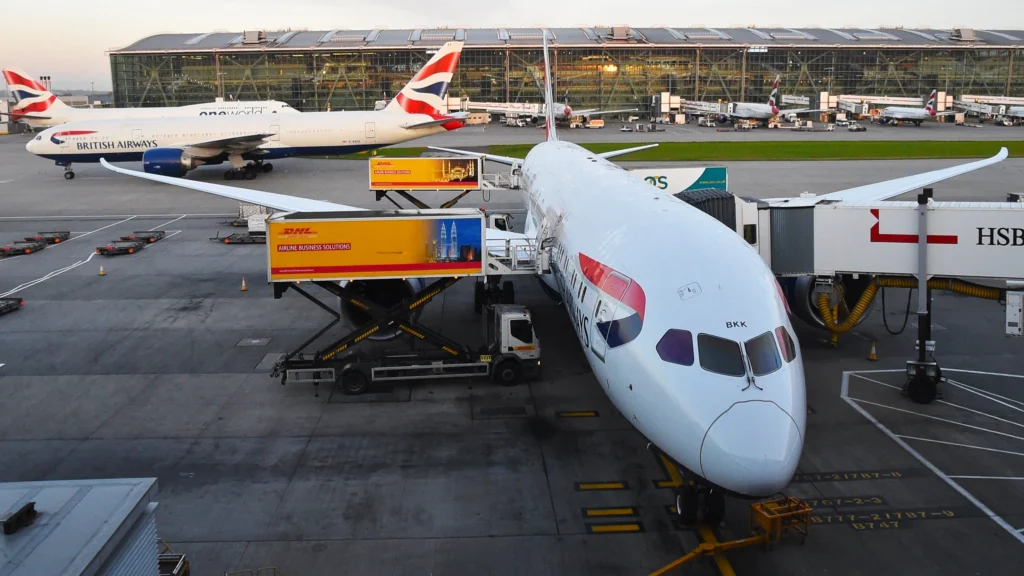
Why the Terminology Gap Exists
The disconnect highlights a real procedural divide between ICAO recommendations and FAA practice. ICAO sets global recommendations but does not hold regulatory authority over individual states. Within the FAA system, LVO is not part of the standard lexicon used by controllers.
Instead, the United States uses Surface Movement Guidance and Control System (SMGCS) procedures, which are referenced on taxi charts when RVR drops below 1,200 feet.
FAA Order 7110.65 directs controllers to protect Instrument Landing System (ILS) critical areas when conditions fall below 800 feet ceiling and two statute miles visibility. A separate FAA advisory circular guides airports to implement SMGCS procedures below 1,200 feet RVR.
Under this framework, US-based crews and controllers operate on the assumption that published Category II and Category III minimums apply unless ATC, NOTAMs, or the ATIS explicitly indicate otherwise. There is no FAA requirement to broadcast “LVO in force” on the ATIS or over the radio.
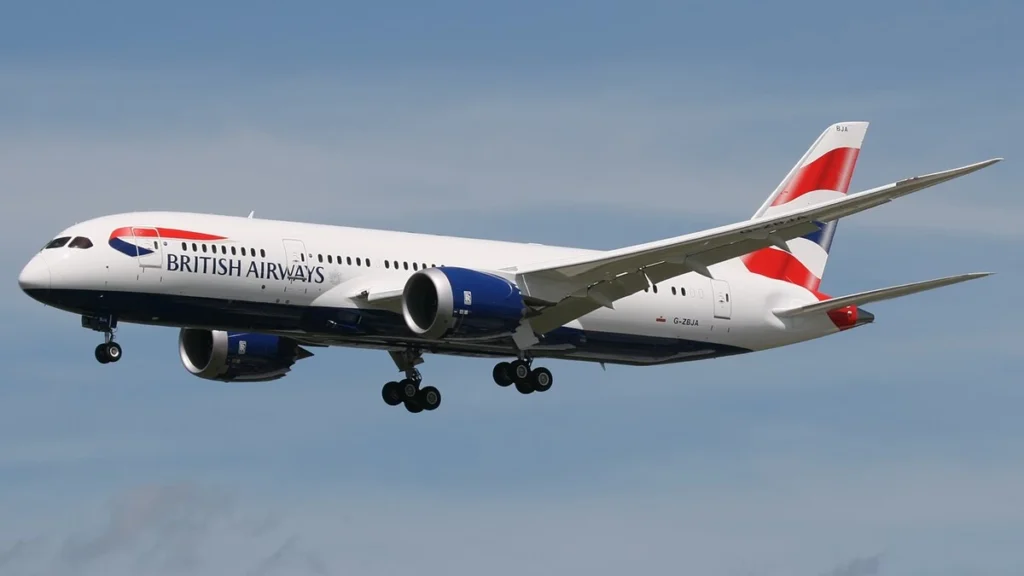
ICAO Phraseology Versus FAA Practice
The exchange reflects an ongoing debate within the aviation community about whether US controllers should adopt ICAO terminology when handling international carriers. Foreign operators arriving at or departing from US airports often expect phraseology consistent with global standards used across Europe, Asia, and other regions.
Some industry observers have argued that the JFK controller, known for using non-standard phrases on frequency, could have done more to clarify the request.
Others have suggested that the British Airways pilot should have framed the question in terms a US controller would recognize, such as asking directly about SMGCS procedures or the status of ILS critical area protection.
A separate distinction also exists between LVO and Low Visibility Procedures (LVP). LVP applies to the airfield operator, while LVO relates to the aircraft operator, adding another layer of complexity to the exchange.
Outcome of the Departure
After holding short of the runway and waiting for visibility to improve, the British Airways Boeing 787-10 was eventually cleared for takeoff and departed JFK for London Heathrow without further incident.
The exchange has since circulated widely among aviation enthusiasts and professionals, drawing strong opinions on both sides regarding standard phraseology, controller training, and pilot communication discipline.
The recording adds to a series of recent JFK ATC interactions that have attracted attention online, where the same controller has previously used unconventional phrasing on the frequency.
Stay tuned with us. Further, follow us on social media for the latest updates.
Join us on Telegram Group for the Latest Aviation Updates. Subsequently, follow us on Google News
