

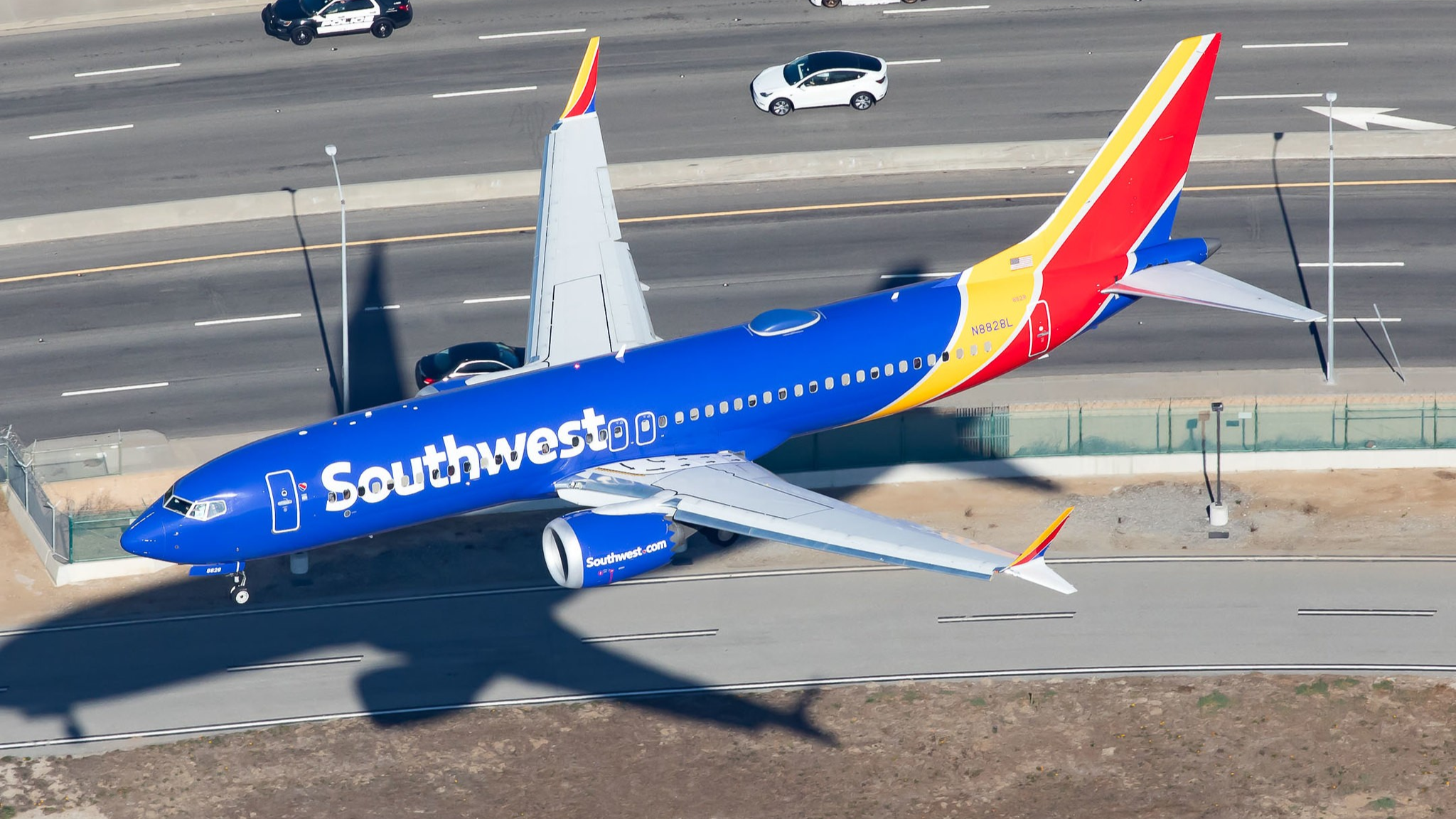
DALLAS- Southwest Airlines (WN) recently defeated a passenger lawsuit tied to the Boeing 737 MAX, despite none of the plaintiffs having actually flown the aircraft and the carrier reporting no incidents with it. Now, the airline’s own pilots’ union is taking Boeing to court over the same jet.
While passengers sued because they might have had to fly the 737 MAX, around 10,000 Southwest pilots based out of Dallas Love Field (DAL) and other hubs are suing because they weren’t allowed to.
The union alleges Boeing misled it into the 2016 collective bargaining agreement and is pursuing claims for fraudulent misrepresentation, negligent misrepresentation, tortious interference with contractual rights, and fraud.

Why Southwest Pilots Are Targeting Boeing in Court
The 737 MAX grounding spawned numerous lawsuits after two fatal crashes killed 346 people. The shareholder lawsuit against Boeing may ultimately deliver the largest payout of all the MAX-related litigation.
Against that backdrop, the Southwest Airlines pilots’ union argues it deserves compensation too.
The union claims Boeing marketed the 737 MAX as a safe and reliable continuation of the existing 737 family, while failing to disclose that the larger LEAP-1B engines shifted the aircraft’s center of gravity, reduced stability, altered handling, and increased pitch-up and stall risk.
Pilots lost millions of dollars in wages because Boeing falsely represented that the MAX was safe, airworthy, and essentially the same as earlier 737s, the union contends.
The Maneuvering Characteristics Augmentation System (MCAS) was developed to make the MAX feel like prior 737s and avoid mandatory simulator training.
The system relied on a single angle-of-attack sensor, creating a single-point failure mode. If that sensor delivered bad data, MCAS could push the nose down even when no stall existed.
2016 Contract Dispute Behind Lawsuit
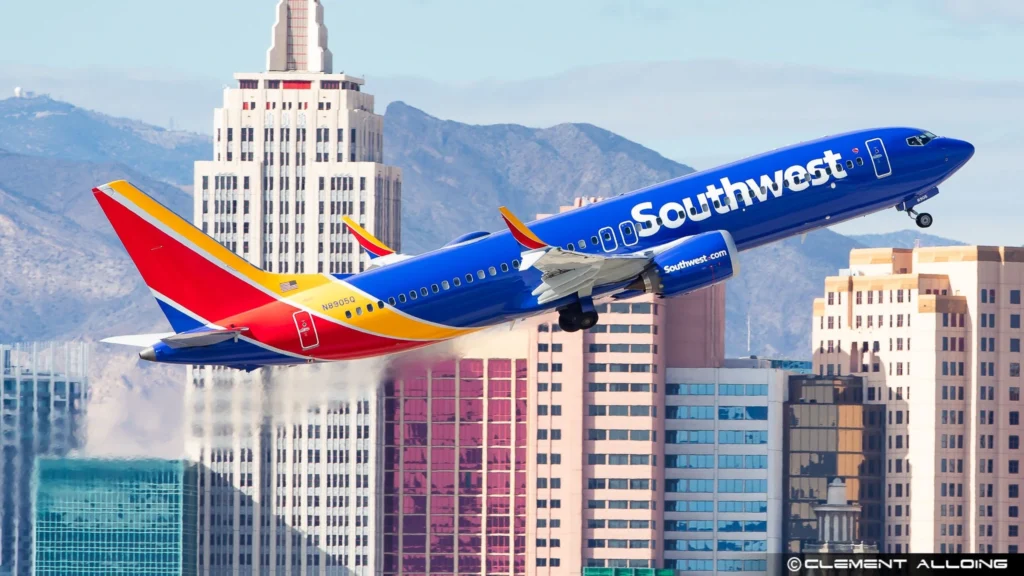
Southwest and its pilots’ union were locked in a contract dispute over whether pilots could be required to fly the MAX without fresh negotiations, since the variant was not expressly listed as an aircraft type.
The carrier leaned on Boeing’s marketing position that the MAX was just another 737 variant rather than a distinct type.
Tensions ran high enough that around 800 Southwest pilots picketed the carrier’s 2016 shareholder meeting over the issue.
The union now claims Boeing assured them the MAX held no surprises, operated like earlier 737s, and required no additional training, while hiding MCAS and other key differences.
As reported by View from the Wing, the pilots argue they would not have agreed to include the 737 MAX in the 2016 contract, or would have bargained for different contingencies, had Boeing been transparent about the aircraft’s actual design.
Legal Hurdles Facing the Pilots’ Union
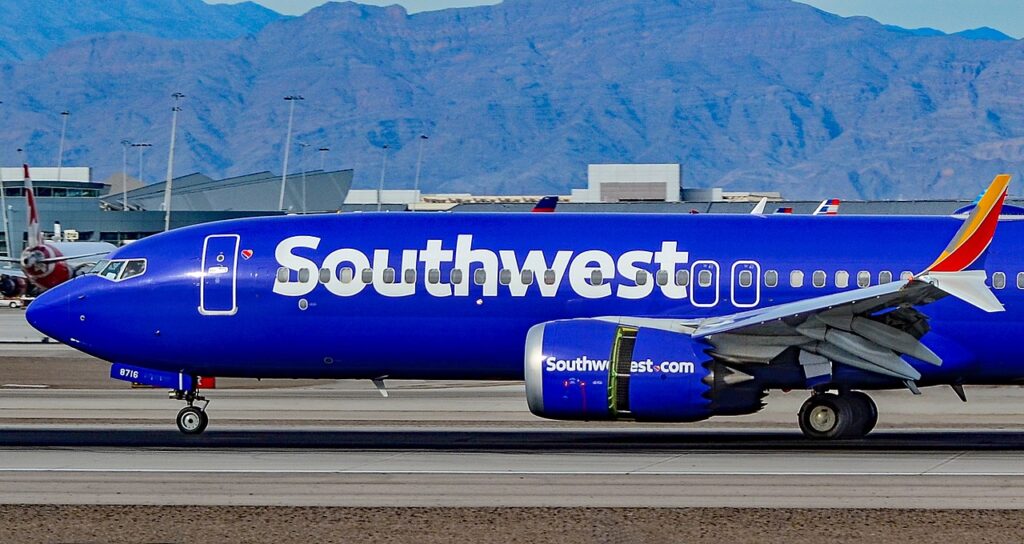
The case is solid on the point that the 737 MAX had real issues. That alone, however, does not make Boeing responsible for lost pilot wages.
The union must connect Boeing’s design decisions and statements to Southwest pilots, then to the 2 crashes, the grounding, Southwest’s schedule changes, and finally to individual pay outcomes under the carrier’s seniority bidding system.
Much of the harm also flowed from actions by the FAA, foreign regulators, and Southwest’s own fleet and scheduling choices, which Boeing will argue acted as intervening causes.
The manufacturer is also expected to challenge whether the union actually relied on its statements when agreeing to the 2016 contract, since the union’s negotiating position was shaped by Southwest’s economics, labor leverage, and pattern bargaining.
On the other hand, certifying an aircraft with hidden safety-critical defects naturally invites a grounding.
Boeing may further argue that the earlier 2006 contract already required pilots to fly the MAX, meaning the union could not have been fraudulently induced into accepting it in 2016.
That argument has not gotten the case dismissed, though it remains strong on the merits.
Boeing’s defense team is also likely to dismiss promotional language such as “safe,” “reliable,” “time-tested,” “minimal risk,” “legacy of the 737 family,” and “maximum reliability” as puffery and optimism rather than specific statements on which the union could legally rely.
The company will further argue it owed no duty to disclose defects to Southwest pilots, since any such obligation ran to regulators and is not the same thing.
Boeing’s Mounting Financial Toll From MAX
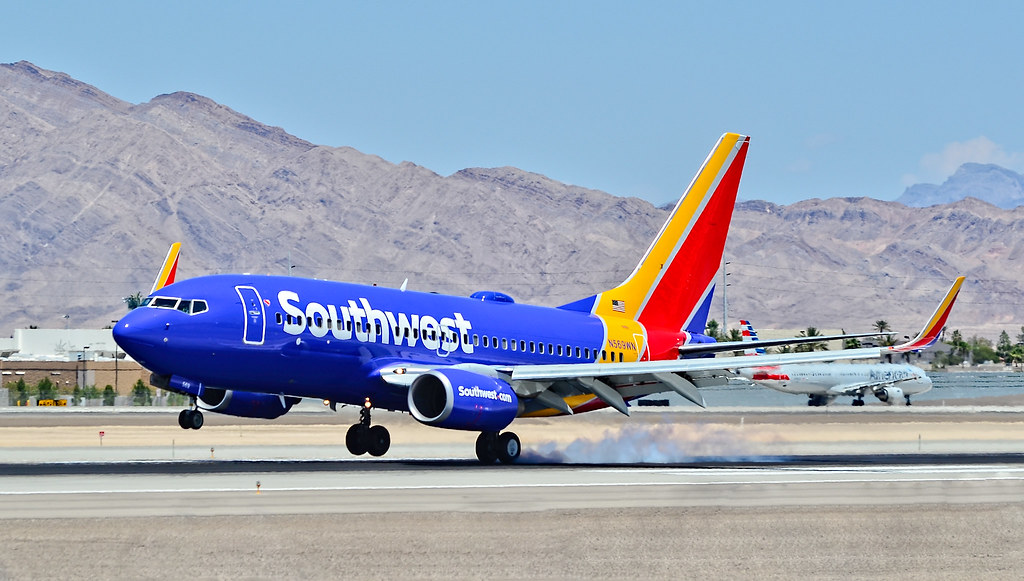
By 2021, Boeing had paid out $1.77 billion to airlines worldwide for financial losses caused by the 737 MAX grounding.
The grounding itself stretched roughly 20 months, stripping flying time from schedules and shrinking pilot paychecks across the industry.
The bottom line is that Boeing did bad things, but may not have carried special obligations to Southwest’s pilots, and under Texas tort law, the direct damages were caused by others.
It also remains striking that the largest payouts in MAX-related cases tend to flow to entities other than the actual victims of the two crashes.
Stay tuned with us. Further, follow us on social media for the latest updates.
Join us on Telegram Group for the Latest Aviation Updates. Subsequently, follow us on Google News
