

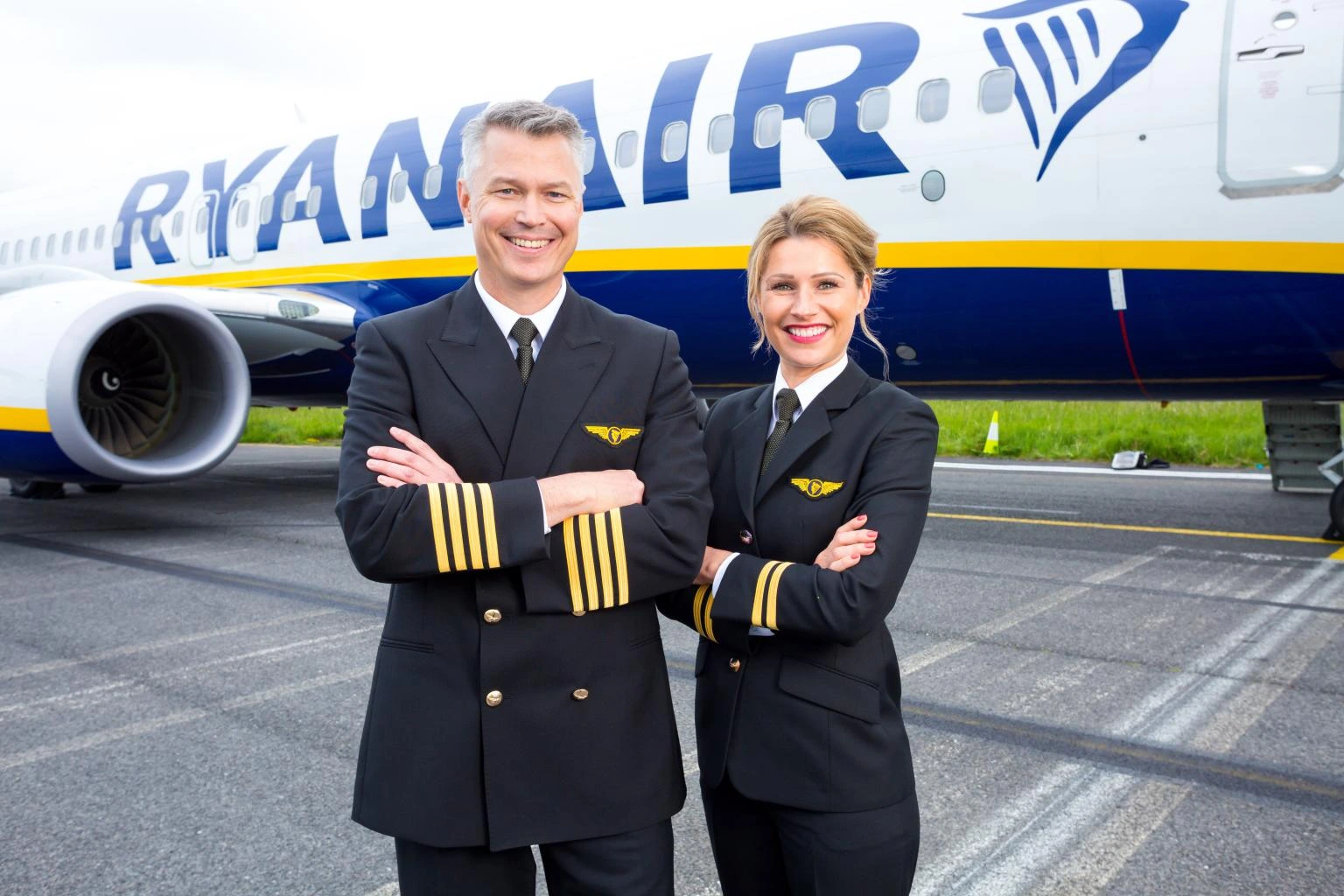
DUBLIN- Ryanair (FR) is facing a major legal challenge in the United Kingdom after hundreds of current and former pilots filed a lawsuit claiming they are owed holiday pay and other employment benefits.
The case has been lodged in London’s Commercial Court and follows key legal rulings that have questioned the airline’s long-standing contractor-employment model.
The lawsuit involves former Ryanair (FR) pilot Richard Phillips and 261 other claimants. While the case is being heard in London, it could have wider implications for pilots recruited through employment agencies across the aviation industry. The airline’s primary hub is Dublin Airport (DUB).
Ryanair Faces Expanding Legal Battle Over Pilot Employment
The legal action was filed in London’s Commercial Court against Ryanair, aviation recruitment agencies Storm Global and Brookfield Aviation International, and Dublin-based tax consultancy Scanlon Associates.
The dispute centers on Ryanair’s historical practice of hiring many pilots through third-party recruitment agencies rather than employing them directly. Under this arrangement, the airline maintained that contractor pilots were self-employed workers instead of employees, meaning they were not entitled to statutory employment benefits such as paid annual leave or sick pay.
Richard Phillips, a former Ryanair pilot, is leading the group claim alongside 261 other pilots. The law firm representing the claimants, Claims Compensation Group (CCG), argues that these pilots should receive backdated holiday pay, pension contributions, and other employment protections that employees are legally entitled to receive.
CCG has also encouraged additional pilots who worked for Ryanair or other airlines through recruitment agencies to come forward, stating they may also have been underpaid. The firm has not disclosed the estimated financial value of the current lawsuit.
Previous Court Rulings Strengthened Pilots’ Position
The latest legal challenge follows an important Court of Appeal ruling in the United Kingdom involving Ryanair pilot Jason Lutz.
The Court of Appeal determined that Lutz was employed by Ryanair while operating flights for the airline rather than working as a genuinely self-employed contractor. Ryanair later sought permission to appeal the decision to the UK Supreme Court, but that request was rejected.
According to Claims Compensation Group, this judgment effectively removed one of the airline’s primary legal defenses regarding agency-employed pilots. The firm described the ruling as having “closed the door on the agency defence in aviation.”
The case also reflects a broader shift in employment law concerning gig economy and contractor workers. In 2021, the UK Supreme Court ruled that Uber drivers should be classified as workers entitled to core employment rights rather than self-employed contractors. That decision has influenced similar employment status disputes across multiple industries.
Similar Employment Cases Emerging Across Europe
Ryanair has also faced comparable legal setbacks outside the United Kingdom.
In January, Germany’s Berlin-Brandenburg State Social Court ruled that Ryanair pilots based in Germany should be treated as employees for social security purposes. The court described elements of the airline’s corporate structure as a legal fiction that obscured the true employment relationship between the airline and its pilots.
These decisions suggest that European courts are increasingly scrutinizing employment arrangements involving agency pilots and contractor models used within the aviation sector.
While each country’s employment laws differ, the outcomes indicate a broader trend toward recognizing employment rights for workers who operate under conditions similar to direct employees.
Legal Case Comes During Financial Pressure
The lawsuit arrives as Ryanair navigates a challenging financial period.
The airline recently reported that profit after tax fell 34 percent to €593 million during the April to June quarter. Ryanair attributed the weaker performance to higher jet fuel costs and softer passenger demand following disruption linked to the conflict involving Iran.
To stimulate bookings during the peak summer travel season, the airline said it had been forced to lower fares. Investor sentiment has also weakened, with Ryanair’s share price declining more than 16 percent so far this year.
The outcome of the pilot lawsuit could have wider implications beyond Ryanair if courts continue to redefine employment relationships for airline crew hired through recruitment agencies. A successful claim may encourage similar legal actions by agency-employed pilots across the aviation industry.
Stay tuned with us. Further, follow us on social media for the latest updates.
Join us on Telegram Group for the Latest Aviation Updates. Subsequently, follow us on Google News
