

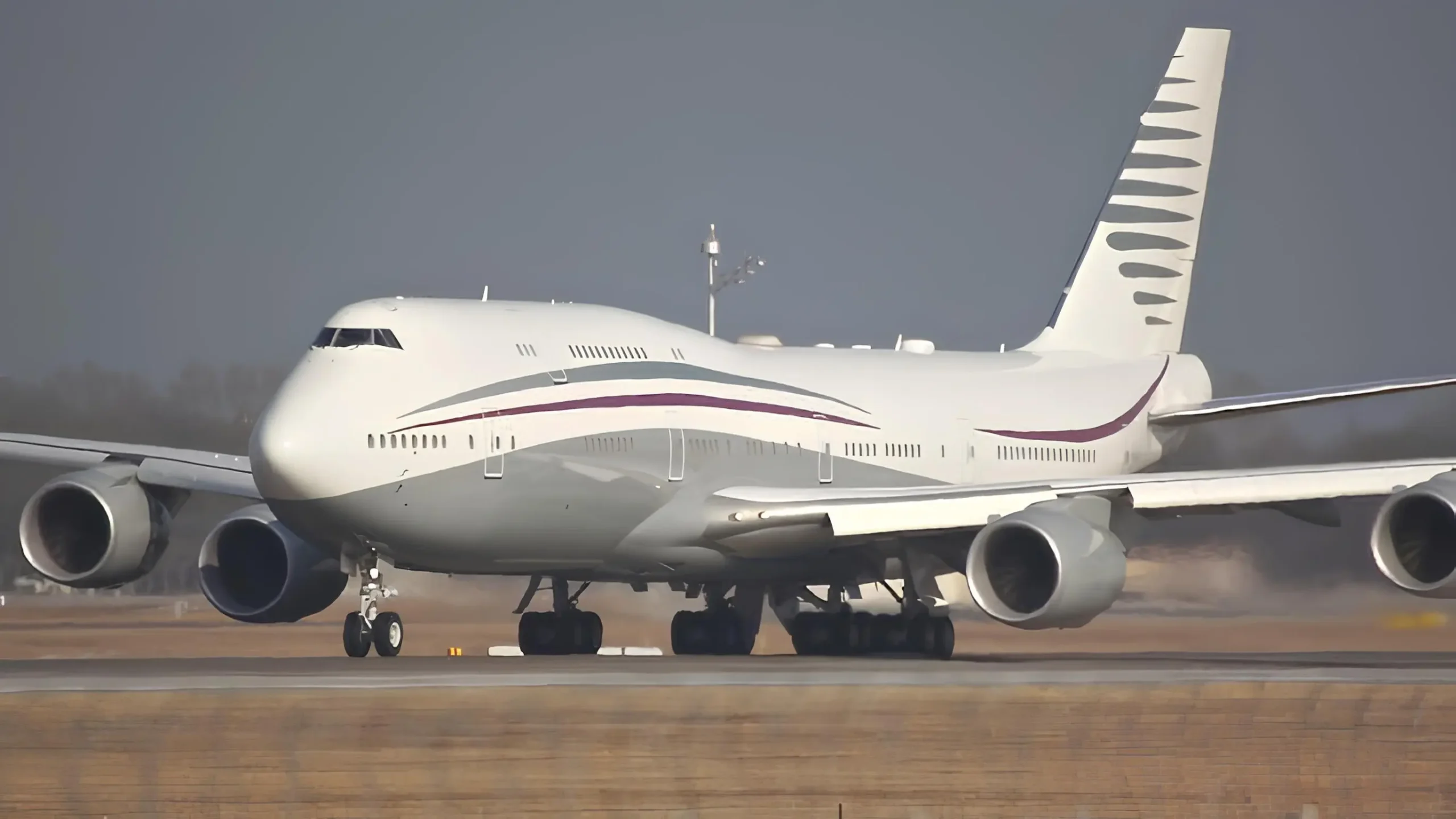
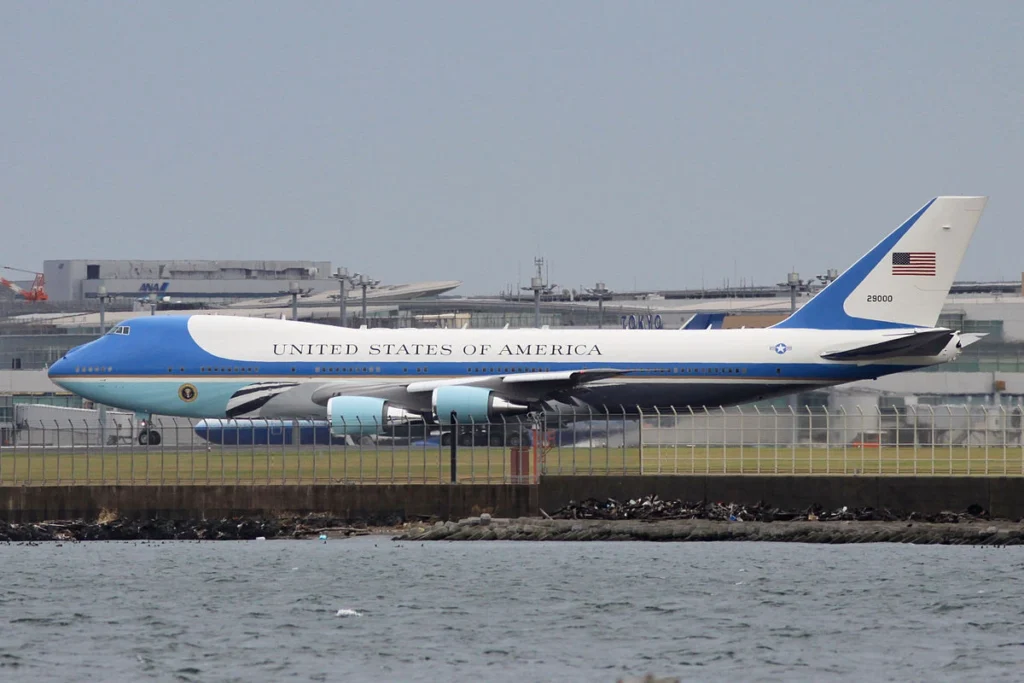
WASHINGTON, D.C.- The United States Air Force (USAF) has completed all modifications and testing on the new VC-25B Bridge aircraft, a Boeing 747-8 Intercontinental that will serve as a temporary Air Force One.
The aircraft, originally gifted by Qatar’s rulers to the United States in 2024, is now in its final painting phase before entering operational service this summer from Joint Base Andrews (ADW).
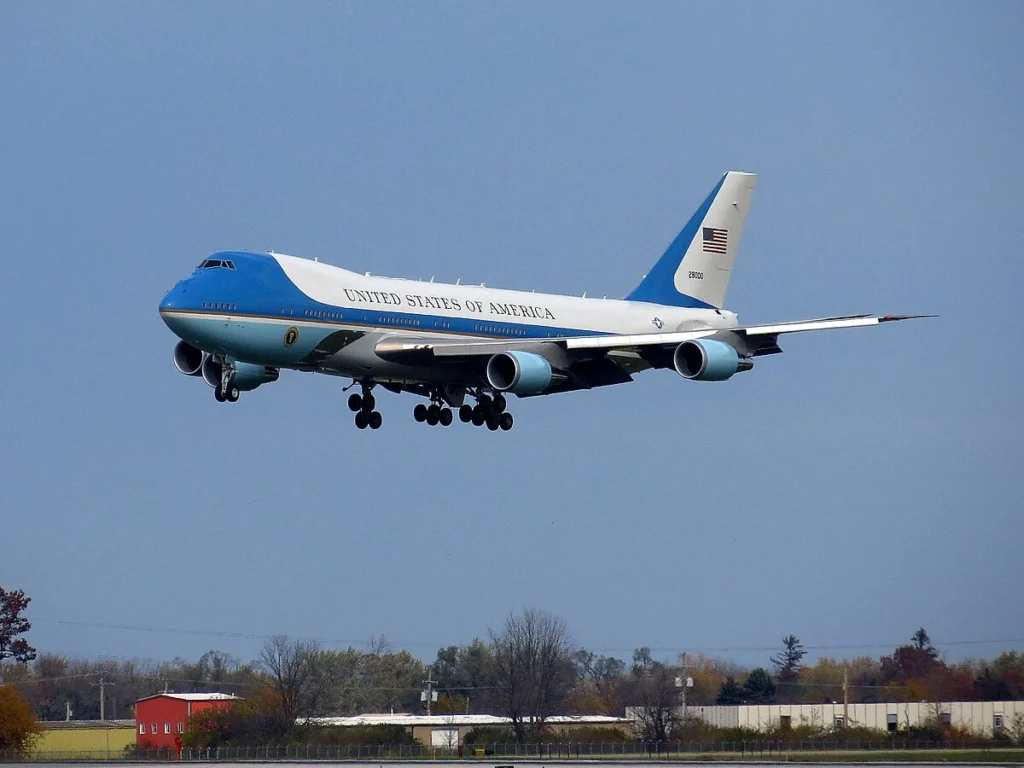
The Bridge jet is a stopgap solution designed to relieve the aging VC-25A fleet, which has been in presidential service since the George H.W. Bush administration.
The permanent VC-25B replacement program, managed by Boeing, has faced significant delays and cost overruns, with its entry into service now projected for 2028.
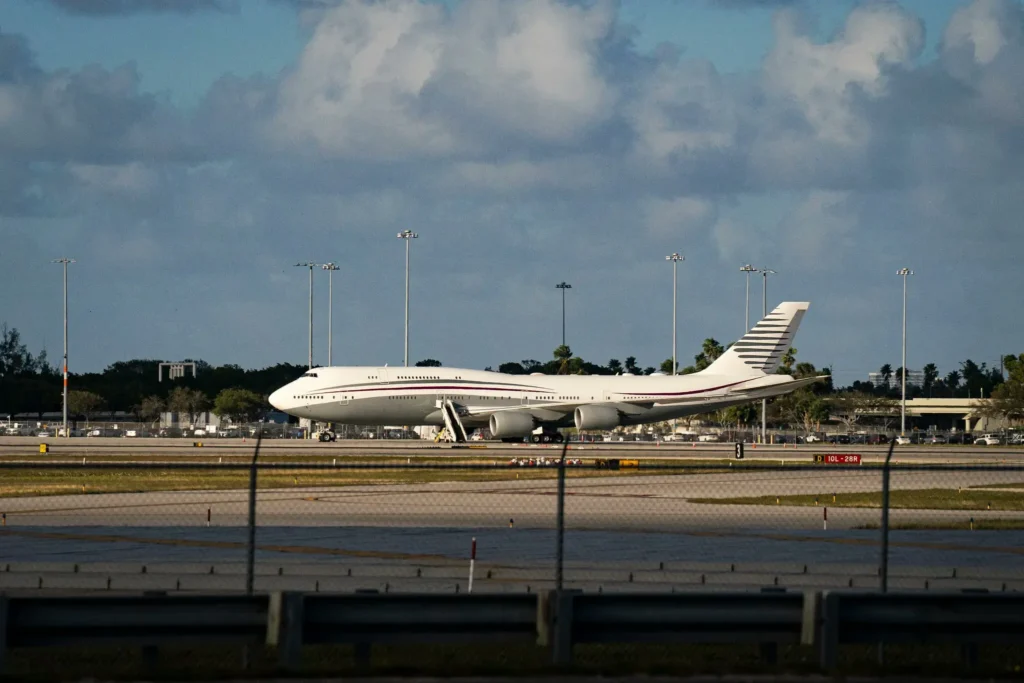
USAF VC-25B Completes Testing
The Air Force announced the milestone on May 1, 2026, crediting the rapid turnaround to the Direct Reporting Program Manager (DRPM) structure. Under this approach, Gen. Dale R. White oversees several of the service’s largest programs and reports directly to Deputy Secretary of Defense Steve Feinberg.
White described the Bridge program as a prime example of what happens when clear accountability is assigned to a single individual and all stakeholders align behind one mission outcome.
The Pentagon officially accepted the jet in May 2025, and the Air Force did not announce the start of work until September 2025, meaning the entire modification and testing process took less than a year.
By contrast, the White House and Boeing reached a deal to develop the permanent VC-25B in 2018, and that project remains incomplete. The Bridge aircraft likely had fewer requirements than its full-specification counterpart, which contributed to the faster timeline.
L3Harris Confirmed as Modification Contractor
For the first time, the Air Force confirmed that defense contractor L3Harris was responsible for modifying the Bridge aircraft. L3Harris, which already provides secure communications capabilities aboard the current VC-25A, carried out the work.
The Air Force noted that L3Harris has extensive experience with self-protection systems and VIP aircraft customization. Boeing contributed technical data to support the required structural modifications.
However, exact details of the modifications remain undisclosed, including whether the Bridge aircraft now includes all assured communications for nuclear command and control, in-flight refueling capability, and self-defense systems matching the VC-25A, Air and Space Forces reported.
Security Screening and Foreign Aircraft Concerns
The Air Force also addressed security concerns surrounding the acceptance of a previously owned foreign aircraft. Elite specialists from multiple government agencies conducted thorough inspections to detect any technical hazards.
Critics had raised questions about the security risk of integrating a jet gifted by a foreign nation into the presidential fleet. The Air Force stated that the rigorous screening process has set the benchmark for integrating used airframes into the secure military inventory.
Air Force Chief of Staff Gen. Kenneth S. Wilsbach called the VC-25B Bridge program a testament to the service’s ability to innovate and rapidly evolve to ensure continuity of government under any conditions.
Cost and Budget Details Remain Unclear
The total cost of the Bridge aircraft modifications has not been publicly disclosed. Air Force Secretary Troy E. Meink said last summer that the service used excess funding from its delayed new nuclear missile program, describing those funds as early to need.
He had previously indicated the effort would cost less than $400 million, but did not confirm a final figure.
The Air Force did not include any funding for the Bridge project in its fiscal year 2027 budget request, suggesting the modification work was fully funded through prior allocations.
New Paint Scheme Replaces Kennedy-Era Livery
When the Bridge aircraft rolls out, it will feature a completely new look. The Air Force revealed a redesigned paint scheme for its entire executive airlift fleet in February 2026.
The iconic light blue-and-white livery, used since the Kennedy administration, has been replaced with white, red, gold, and dark blue.
The new color scheme aligns with the preference of President Donald Trump and resembles the livery on his personal Boeing 757 aircraft.
Stay tuned with us. Further, follow us on social media for the latest updates.
Join us on Telegram Group for the Latest Aviation Updates. Subsequently, follow us on Google News
