

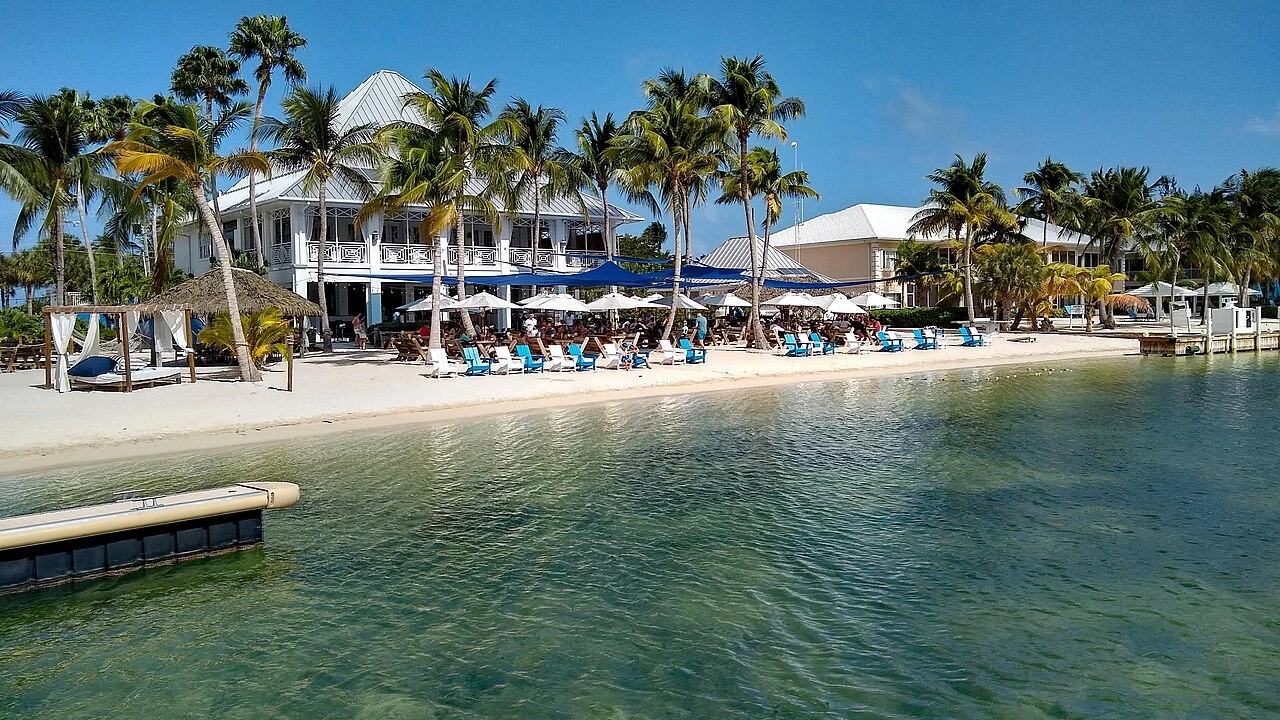
The Americas are often associated with diversity of cultures, landscapes, and economies. But when it comes to the cost of living in 2026, one trend stands out clearly – the most expensive places to live are heavily concentrated in island economies and highly developed nations.
According to the latest data from Numbeo, several countries and territories across North America and the Caribbean rank among the costliest in the world.
What drives these high costs isn’t always the same. In some cases, it’s geography – small islands relying heavily on imports. In others, it’s economic strength, urbanisation, and high wages. Housing shortages, tourism-driven pricing, and infrastructure costs also play a major role.
In fact, global data shows that Bermuda tops the entire world in cost of living, with prices significantly higher than even major global cities like New York. Meanwhile, across the Caribbean, island nations dominate the rankings due to import dependence and limited local production.
Most Expensive Countries to Live in the Americas
Here are the top 10 most expensive countries to live in the Americas in 2026.
1. Bermuda
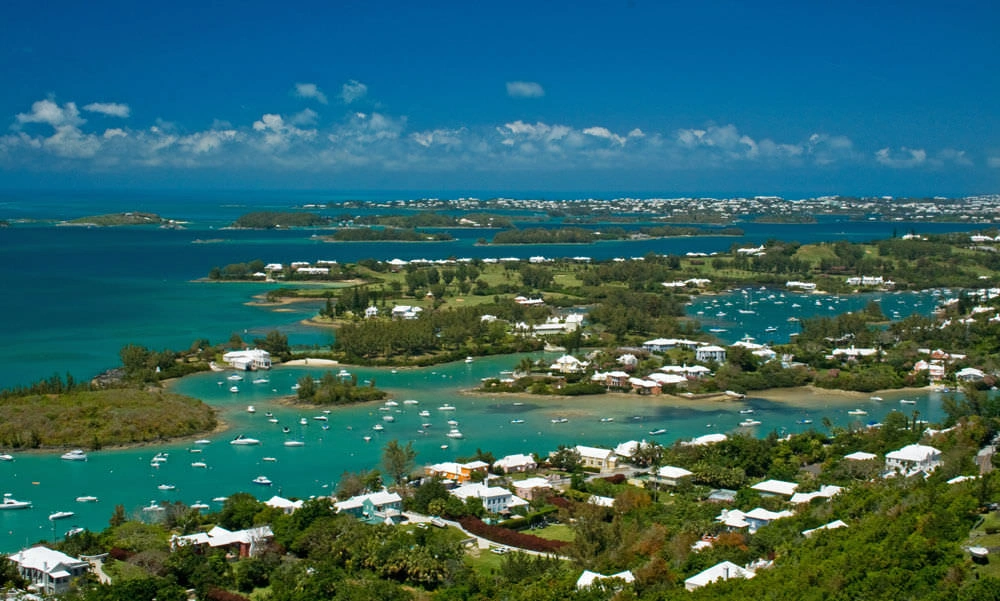
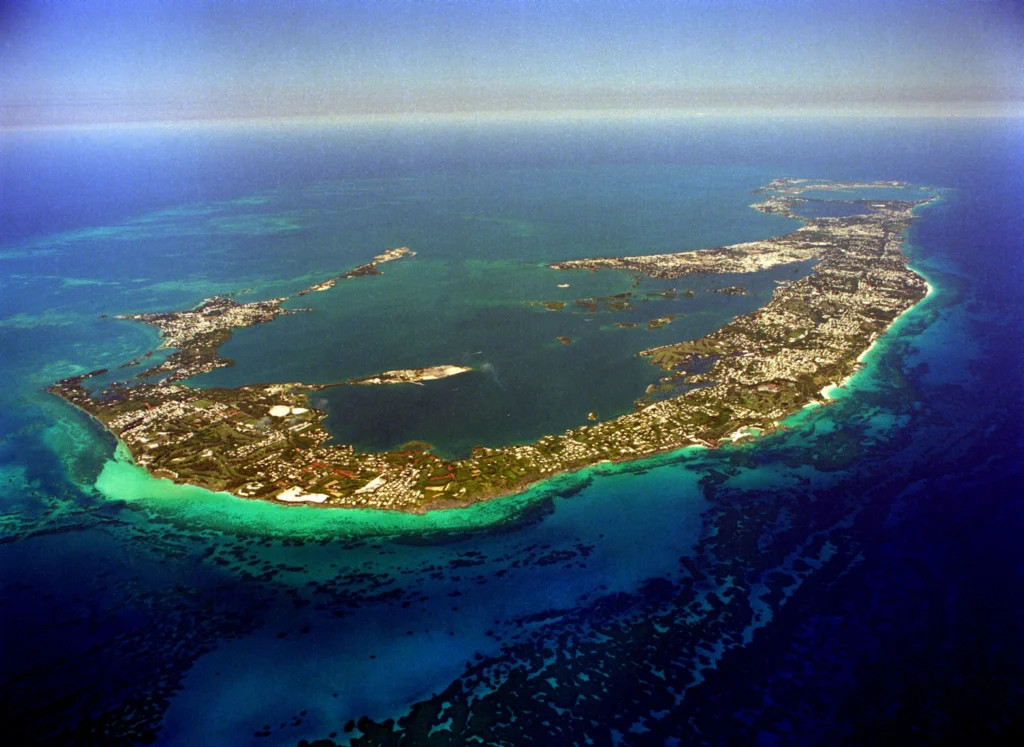
Bermuda is not just the most expensive place in the Americas; it is the most expensive place to live in the world in 2026.
The reasons are quite clear. Bermuda is a small island with extremely limited land availability, which makes housing incredibly expensive. Real estate prices are among the highest globally, and renting is equally costly.
On top of that, the island relies almost entirely on imports. Food, fuel, construction materials—almost everything must be shipped in. This drives up the cost of groceries and daily essentials significantly.
Bermuda is also a major financial hub, attracting high-income professionals. While salaries are strong, they rarely fully offset the extreme cost of living. Simply put, life here is luxurious—but very expensive.
2. Cayman Islands
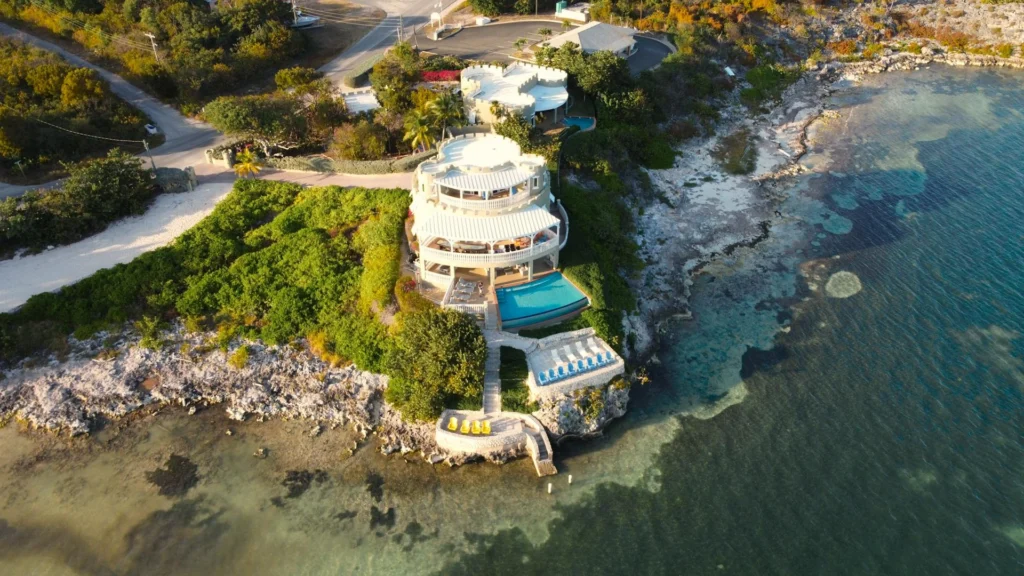
The Cayman Islands follows closely behind.
Like Bermuda, the Cayman Islands are heavily dependent on imports, which pushes up the price of almost everything. Even basic groceries can cost significantly more than in mainland countries.
Housing is another major expense. With limited space and high demand, especially from expatriates working in finance, property prices remain elevated. The Cayman Islands are also known for their tax-neutral environment, which attracts wealth but also drives up living costs.
Despite the high expenses, the islands offer a high standard of living, safety, and strong economic opportunities.
3. US Virgin Islands
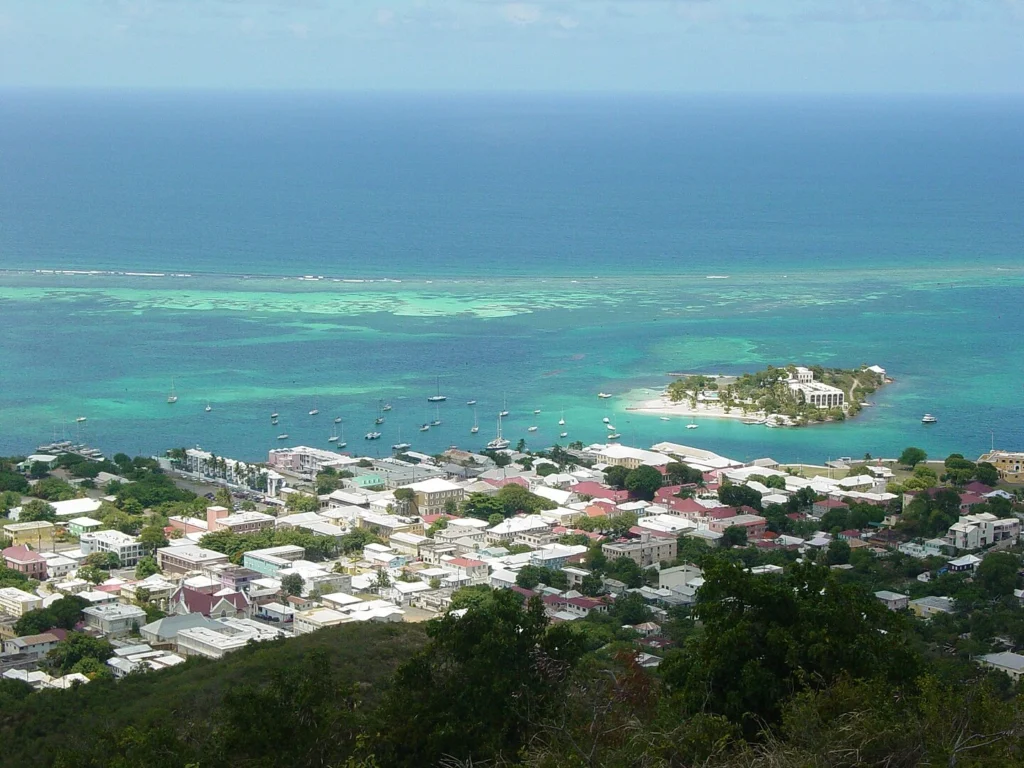
The United States Virgin Islands ranks third and is another example of how island economies drive costs upward.
Due to geographic isolation, most goods must be imported, making groceries and fuel expensive. Housing is also costly, particularly in popular areas such as St. Thomas and St. Croix.
Tourism plays a major role in the economy, and pricing often reflects international demand. While residents benefit from a tropical lifestyle, the cost of maintaining that lifestyle is notably high.
4. Bahamas
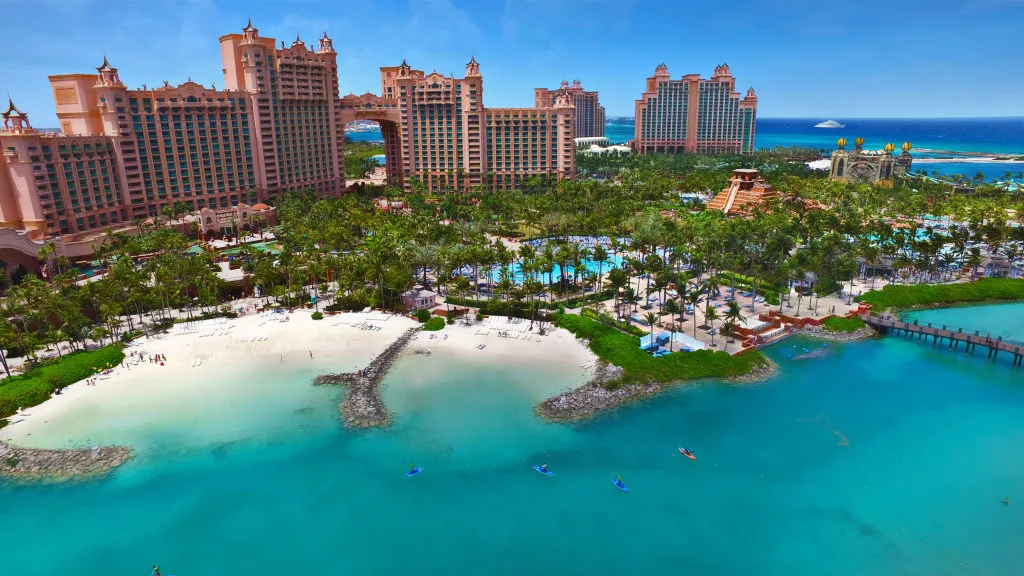
The Bahamas is one of the most expensive independent countries in the region.
The Bahamas relies heavily on imports, which increases the cost of food, fuel, and everyday goods. Housing is also expensive, especially in Nassau and other tourist-heavy areas.
Tourism significantly influences pricing, with many services geared towards international visitors. While the country offers a relaxed lifestyle and a strong tourism sector, affordability can be a real challenge for residents.
5. Grenada
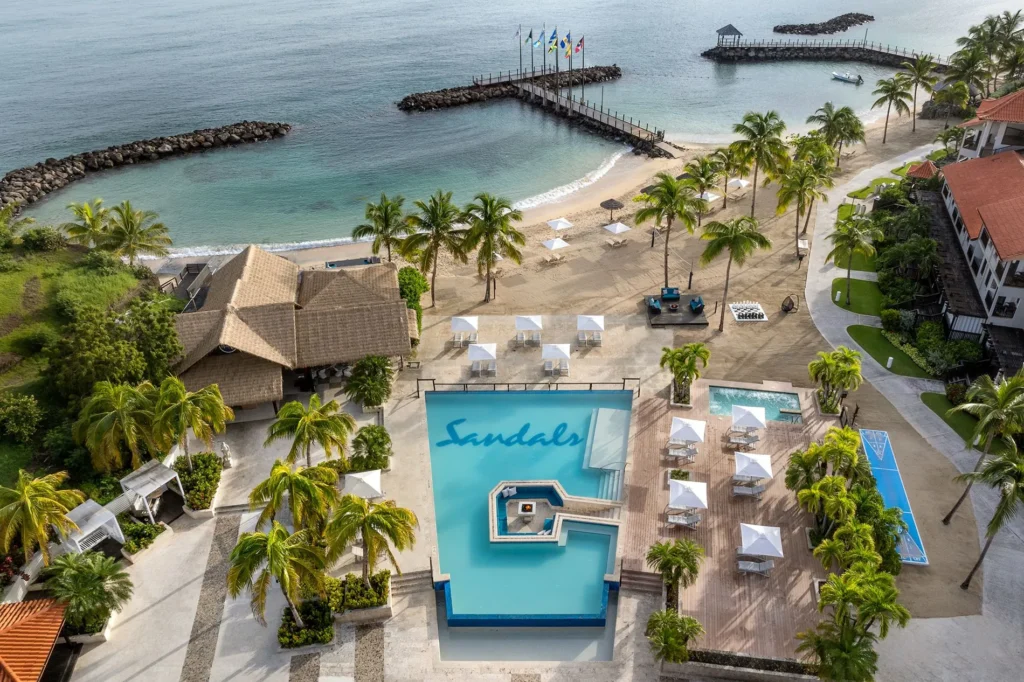
Grenada may be smaller and less well known globally, but it still ranks among the most expensive countries in the Americas.
Like other Caribbean nations, Grenada depends heavily on imports, which drives up the cost of groceries and other goods. Infrastructure limitations and small market size also contribute to higher prices.
Tourism again plays a role, with services often priced at levels aimed at international visitors. For locals, the gap between income and expenses can make everyday life quite costly.

6. United States
The United States remains one of the most expensive large economies in the world.
The cost of living varies widely depending on location, but major cities such as New York, San Francisco, and Los Angeles are extremely expensive, particularly when it comes to housing. Rent and property prices in these cities are among the highest globally.
Healthcare is another significant expense, often far higher than in other developed countries. Groceries, transport, and services are also relatively costly, especially in urban areas.
However, the United States offers high earning potential, diverse job opportunities, and a strong economy, which helps balance the cost for many residents.
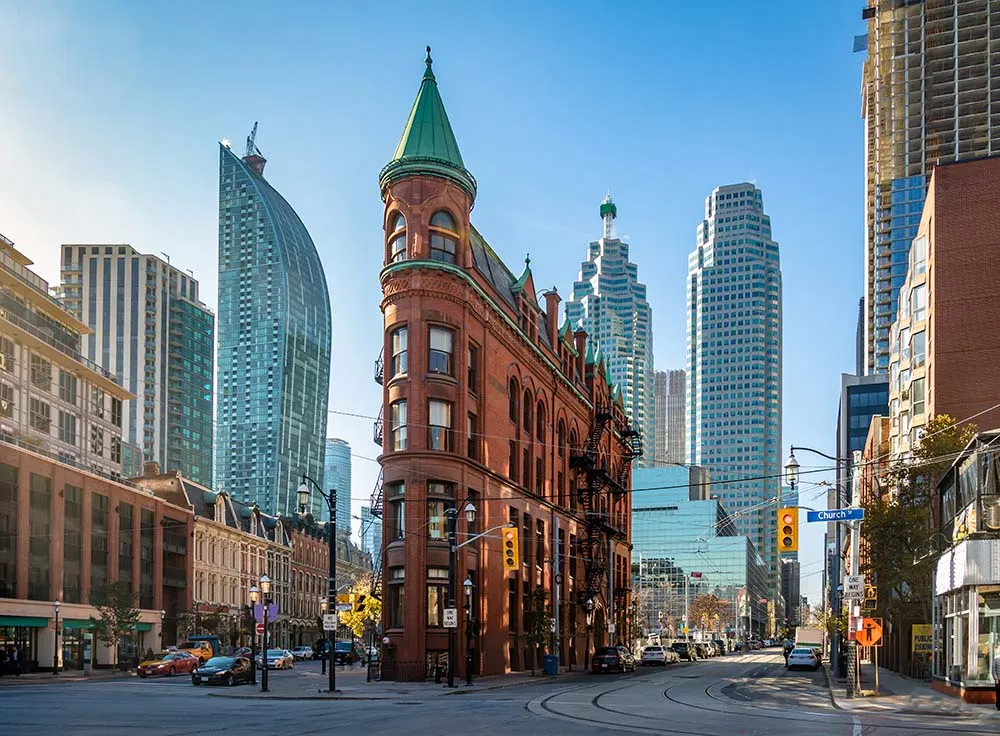
7. Canada
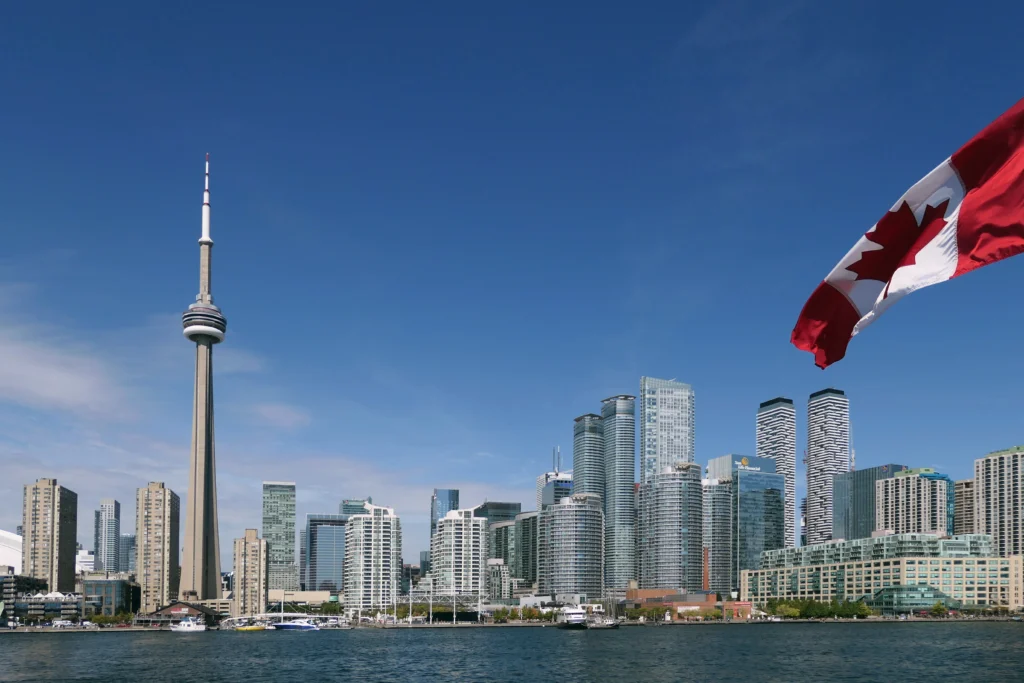
Canada ranks seventh, driven largely by housing costs.
Cities like Toronto and Vancouver have seen dramatic increases in property prices and rent over the past decade. Housing affordability is now one of the biggest challenges in the country.
Groceries and utilities are also relatively expensive, partly due to geographic size and distribution costs. However, Canada offers strong public services, including universal healthcare, which helps offset overall expenses.
The quality of life remains high, but living costs continue to rise.

8. Puerto Rico
Puerto Rico is another territory where the cost of living is influenced by geography and economic structure.
As an island, Puerto Rico depends on imports for many goods, which increases prices. Housing costs have also risen in recent years, particularly in areas popular with expatriates and investors.
While some everyday expenses may be lower than in the mainland United States, overall affordability remains a concern for many residents due to income levels.
9. Uruguay
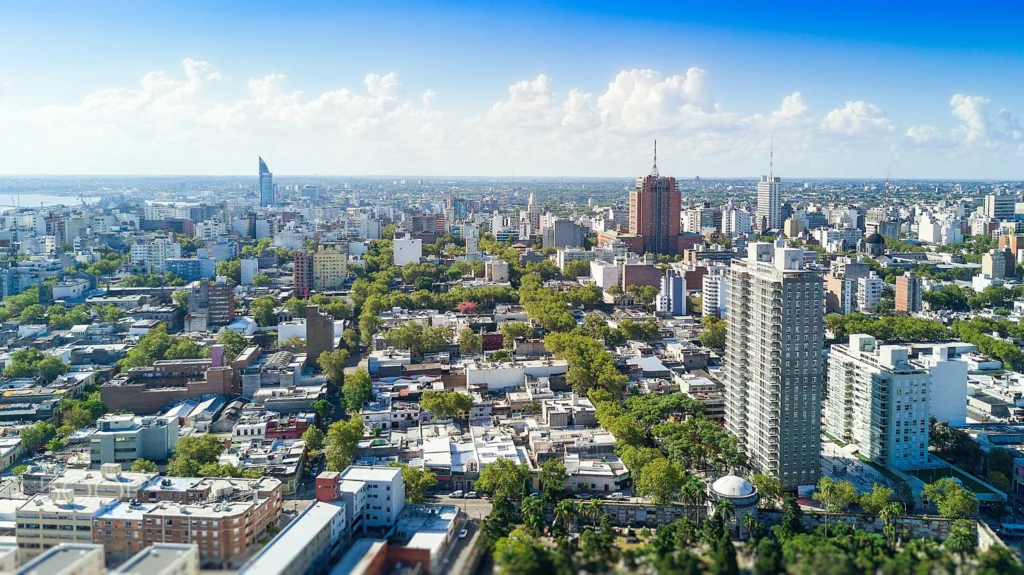
Uruguay is the most expensive country in South America.
Montevideo, the capital, has relatively high costs for housing, groceries, and services compared to neighbouring countries. While prices may not match those of North America or the Caribbean, they are high relative to local incomes.
Uruguay’s stable economy, strong institutions, and high quality of life contribute to its higher cost of living. However, purchasing power remains a challenge for many residents.
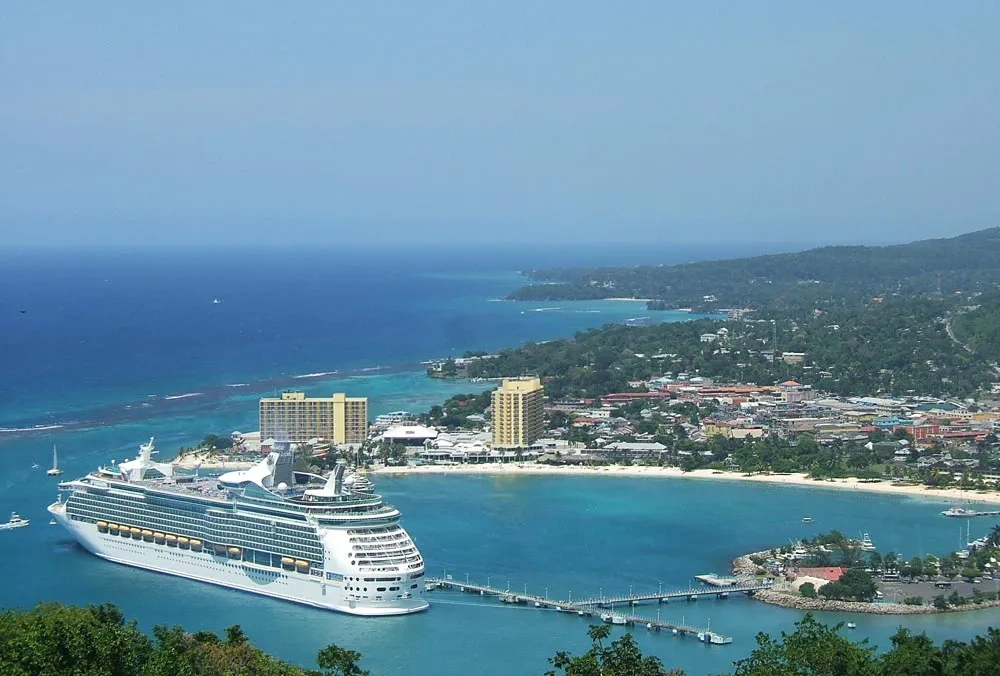
10. Jamaica
Jamaica rounds out the top 10.
While not as expensive as Bermuda or the Cayman Islands, Jamaica ranks among the higher-cost countries in the Caribbean. Import dependence, transportation costs, and energy prices all contribute to higher living expenses.
Within the region, Jamaica is considered one of the more expensive places to live, ranking behind several other Caribbean territories.
For many residents, affordability is shaped by the gap between wages and rising costs.
Bottom Line
The 2026 rankings from Numbeo highlight a clear pattern across the Americas. The most expensive places to live fall into two main categories – Island economies and Developed economies
Across the board, housing remains the single biggest factor influencing the cost of living. Whether it’s luxury real estate in island territories or high-demand urban centres in North America, accommodation costs dominate household budgets.
Ultimately, living in these countries can offer incredible opportunities and quality of life, but it almost always comes with a significant financial commitment. Understanding both the costs and the benefits is essential before making any move.
Most Expensive Cities in the World in FAQs
Because many rely heavily on imports, have limited local production, and cater to tourism-driven economies, all of which push prices higher.
Bermuda ranks as the most expensive not just in the Americas, but globally.
It depends on income and lifestyle. Many of these countries offer strong economies, safety, and quality of life, but require careful financial planning to manage the high costs.
Stay tuned with us. Further, follow us on social media for the latest updates.
Join us on Telegram Group for the Latest Aviation Updates. Subsequently, follow us on Google News
