

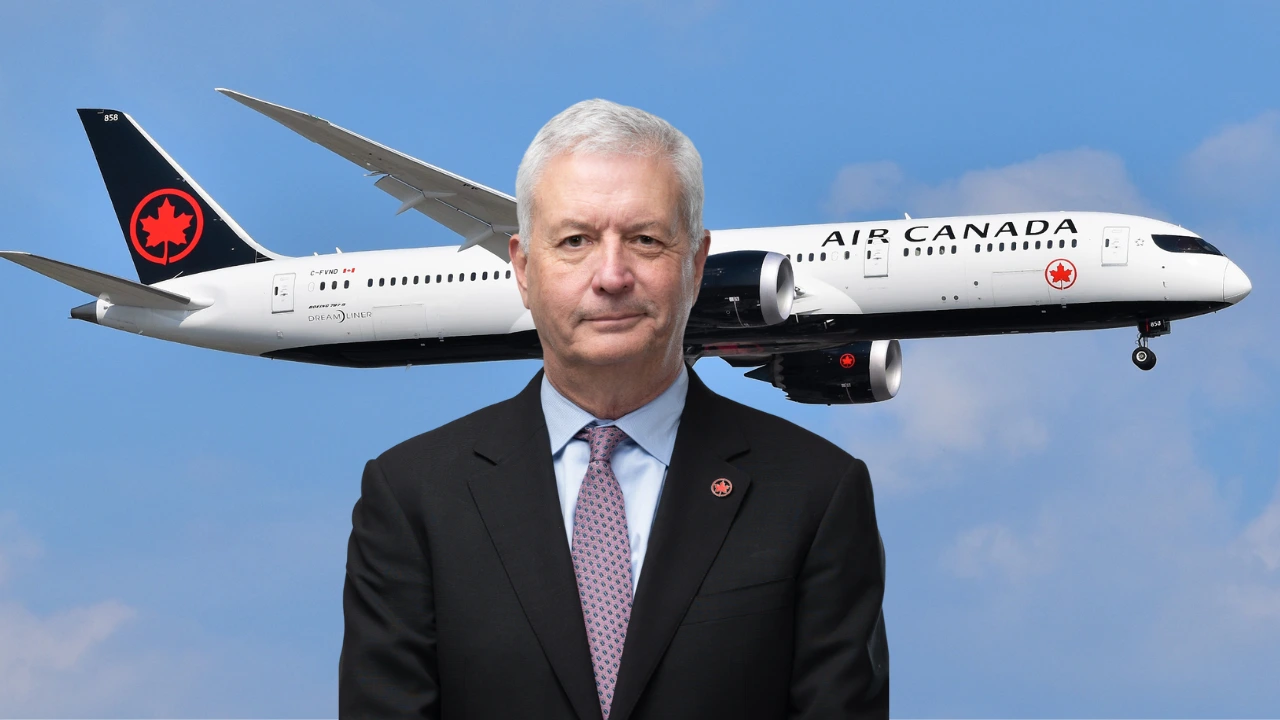
Air Canada (AC) remains Canada’s largest airline and one of North America’s leading full-service carriers.
Operating an extensive domestic, transborder and international network from its hubs in Toronto, Montreal and Vancouver, Air Canada continues to strengthen its position through fleet renewal, premium product enhancements and global alliance partnerships.
For the 2025 financial year, Air Canada reported record operating revenues of CA$22.4 billion, high operating income and continued shareholder returns despite industry-wide cost pressures.
Leading the airline through most of 2026 was President and CEO Michael Rousseau, who announced his retirement effective during the third quarter of 2026 after nearly two decades with the airline.
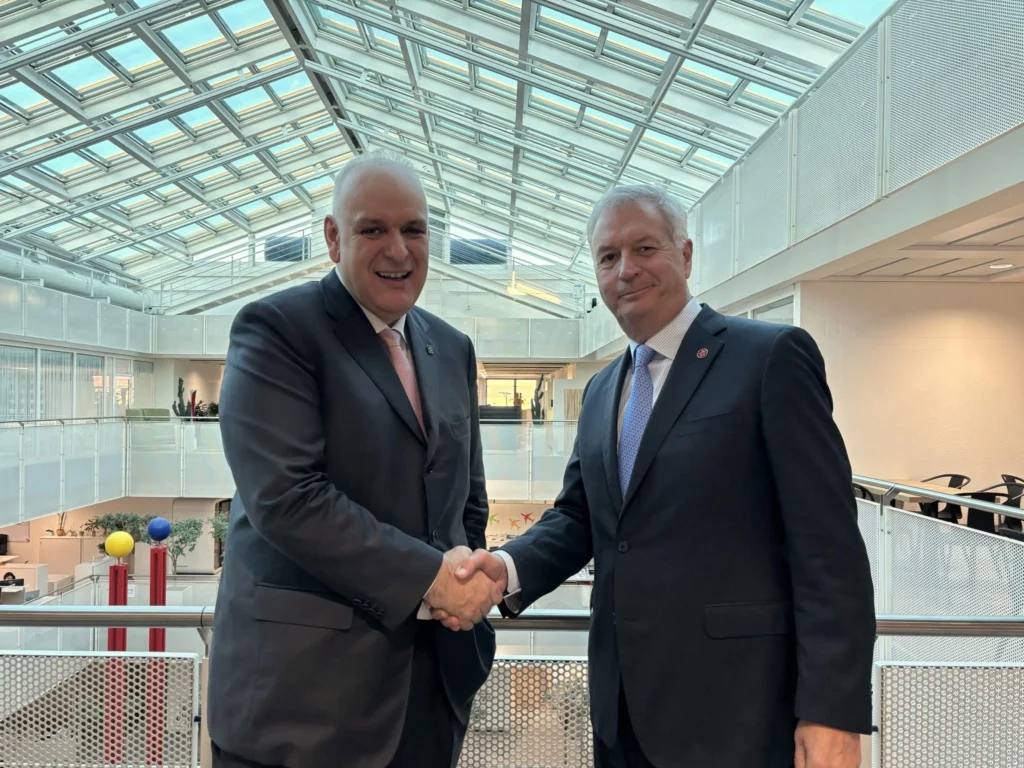
Who is Air Canada CEO, Michael Rousseau?
Michael Rousseau became President and Chief Executive Officer of Air Canada in February 2021 after previously serving as the airline’s Deputy Chief Executive Officer and Chief Financial Officer. Before joining Air Canada in 2007, he held senior executive positions with Hudson’s Bay Company and several major Canadian corporations.
During his tenure as CEO, Rousseau oversaw:
- Air Canada’s recovery from the COVID-19 pandemic
- Record revenue and earnings performance
- Fleet expansion with Airbus A220s, Boeing 787 Dreamliners and Airbus A321XLR orders
- Expansion of premium products and Aeroplan
- Significant debt reduction and balance sheet strengthening
- Continued international network growth
His leadership helped restore Air Canada to profitability following the pandemic while positioning the airline for long-term expansion.

Michael Rousseau Salary and Compensation in 2026
According to Air Canada’s latest executive remuneration disclosures, Rousseau’s total compensation increased following another year of strong financial performance.
His estimated 2026 compensation package consists of:
- Base salary: approximately CA$1.4 million
- Annual performance bonus: around CA$3.2 million
- Share-based awards and long-term incentives: roughly CA$8.0 million
- Pension, benefits and executive allowances: about CA$0.5 million
This places his estimated total compensation at approximately CA$13.1 million, equivalent to around US$9.6 million. Approximately 89% of his remuneration comes through bonuses and equity-based incentives rather than fixed salary, closely aligning executive pay with shareholder performance.
ALSO READ: Delta Air Lines CEO Salary in 2026
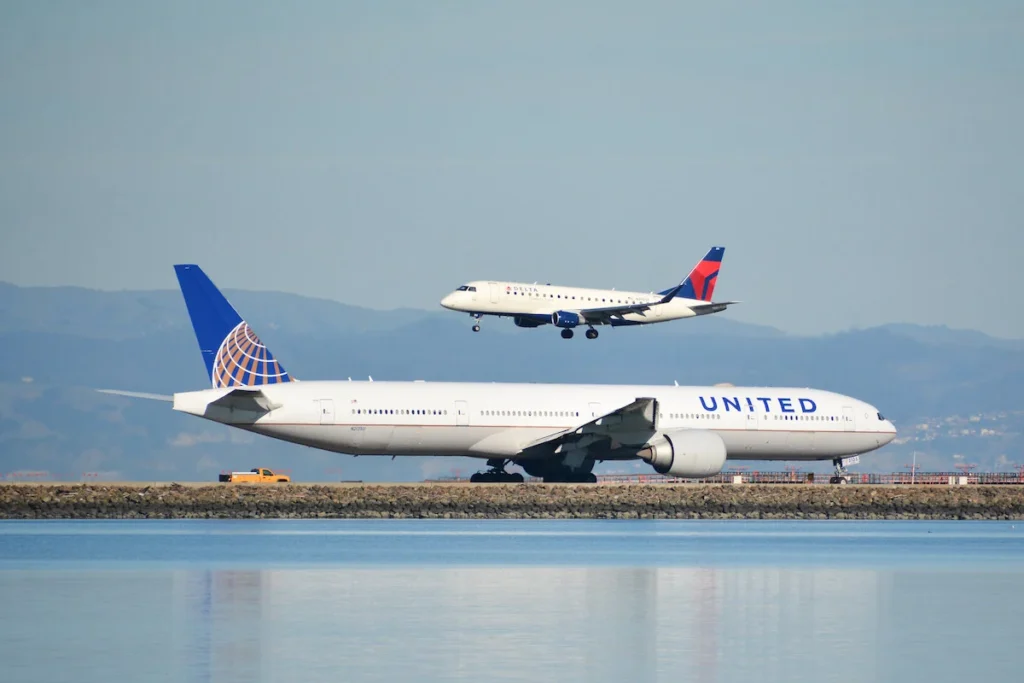
Peer Comparison: Air Canada vs Delta Air Lines and United Airlines
To better understand Michael Rousseau’s CA$13.1 million (US$9.6 million) compensation, it helps to compare it with that of major North American airline peers.
At Delta Air Lines, CEO Ed Bastian is estimated to earn approximately US$20–25 million annually, reflecting Delta’s industry-leading profitability and market value.
Meanwhile, at United Airlines, CEO Scott Kirby is estimated to receive around US$18–22 million annually through salary, bonuses and long-term equity incentives.
Compared with these peers, Rousseau’s compensation is lower than the CEOs of the two largest U.S. legacy carriers, reflecting Air Canada’s smaller scale while remaining among the highest executive packages in Canadian aviation.
ALSO READ: British Airways CEO Salary in 2026
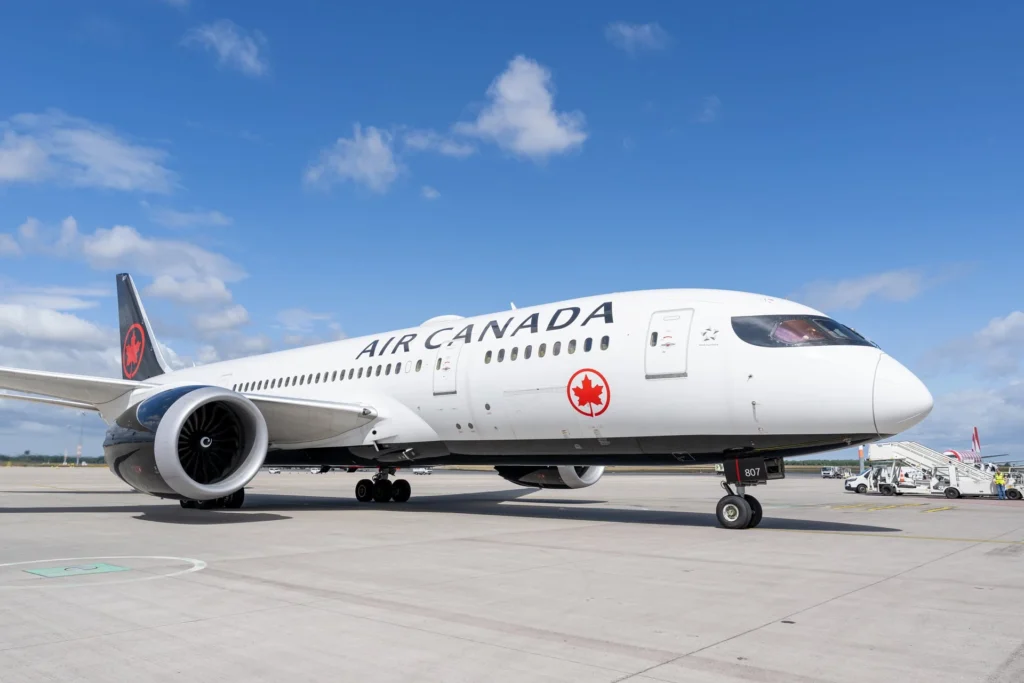
Air Canada Strategic Focus for 2026
Air Canada entered 2026 with a strong financial foundation and several long-term strategic priorities.
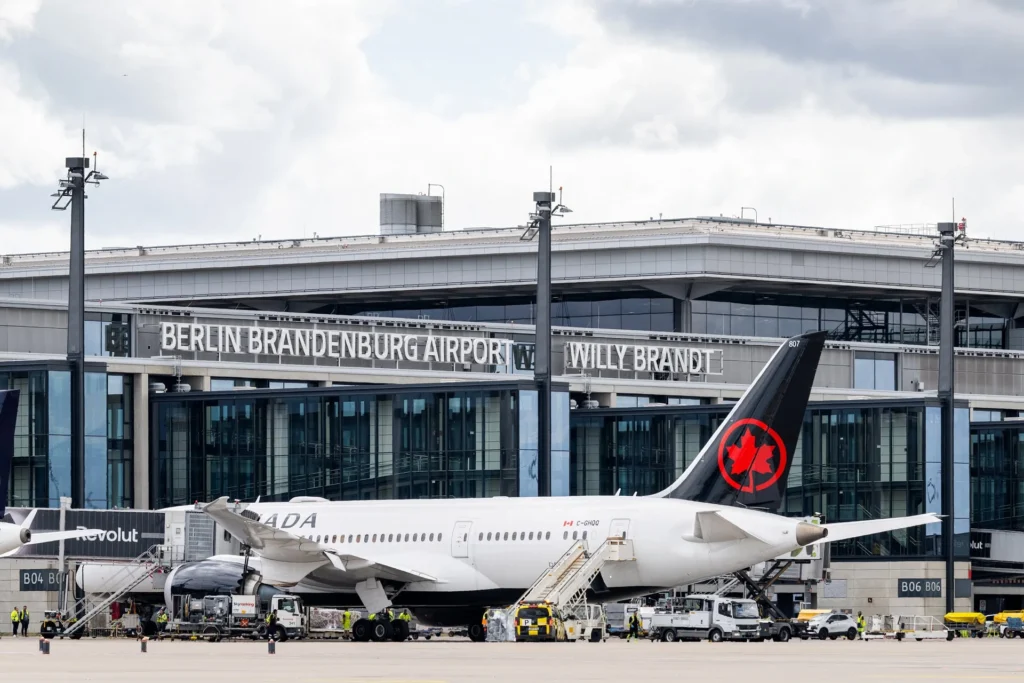
The airline continued investing heavily in fleet modernisation, introducing more fuel-efficient aircraft to improve operating economics while reducing emissions.
Another major focus remained international growth, particularly across Asia-Pacific, Europe and Latin America, supported by expanded Star Alliance partnerships.
Operational reliability also remained a priority, with investments in digital technology, baggage handling and customer service enhancements aimed at improving passenger satisfaction.
The airline further strengthened Aeroplan and premium travel offerings while maintaining disciplined cost management despite inflationary pressures.
Following Rousseau’s retirement announcement, leadership transition planning also became a key strategic objective to ensure continuity as Air Canada prepared for its next phase under incoming CEO Anko van der Werff.
Bottom Line
Michael Rousseau’s estimated CA$13.1 million (US$9.6 million) compensation in 2026 reflects Air Canada’s record financial performance and his leadership during one of the airline’s strongest post-pandemic periods.
While his remuneration remains below that of the CEOs at Delta Air Lines and United Airlines, it ranks among the highest in Canadian aviation. With most of his package tied to performance-based incentives and equity awards, his compensation has remained closely aligned with Air Canada’s financial success and shareholder value creation.
FAQs
His estimated total compensation is approximately CA$13.1 million (US$9.6 million), including salary, bonuses and long-term share awards.
Air Canada’s remuneration policy links executive pay to profitability, shareholder returns and long-term company performance.
He announced his retirement in 2026 and will remain CEO until January 2027 before transitioning leadership to his successor.
Stay tuned with us. Further, follow us on social media for the latest updates.
Join us on Telegram Group for the Latest Aviation Updates. Subsequently, follow us on Google News
