


WASHINGTON, D.C— Donald Trump has proposed an unconventional plan to support Spirit Airlines (NK), arguing that government intervention in the struggling airline could serve national defense objectives.
The proposal centers on the use of the Defense Production Act, a statute typically invoked during emergencies to prioritize industrial production for military needs.
The plan involves extending a $500 million government-backed loan to the airline, positioning the federal government as a primary creditor while potentially securing a controlling stake.
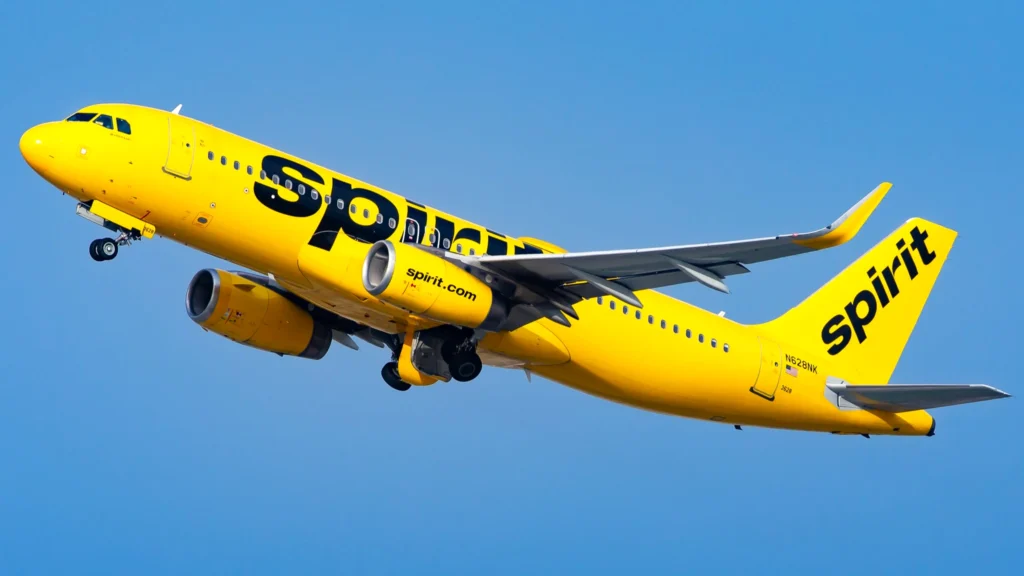
Trump Administration Could Buy Spirit Airlines
The proposed mechanism would rely on provisions within the Defense Production Act that allow federal authorities to issue loans to private companies deemed critical for national security.
Under this framework, Spirit Airlines would receive financial support in exchange for priority obligations tied to defense-related operations.
Government backing would place the federal authority at the top of the airline’s creditor hierarchy, with access to collateral tied to aircraft and other operational assets.
The structure also includes provisions that could allow the government to convert its financial position into a majority ownership stake, potentially as high as 90 percent.
Officials suggest that such a move could enable the airline to remain operational while offering logistical support, including troop transport and cargo movement.
However, the plan would mark a rare use of the law in the commercial aviation sector.
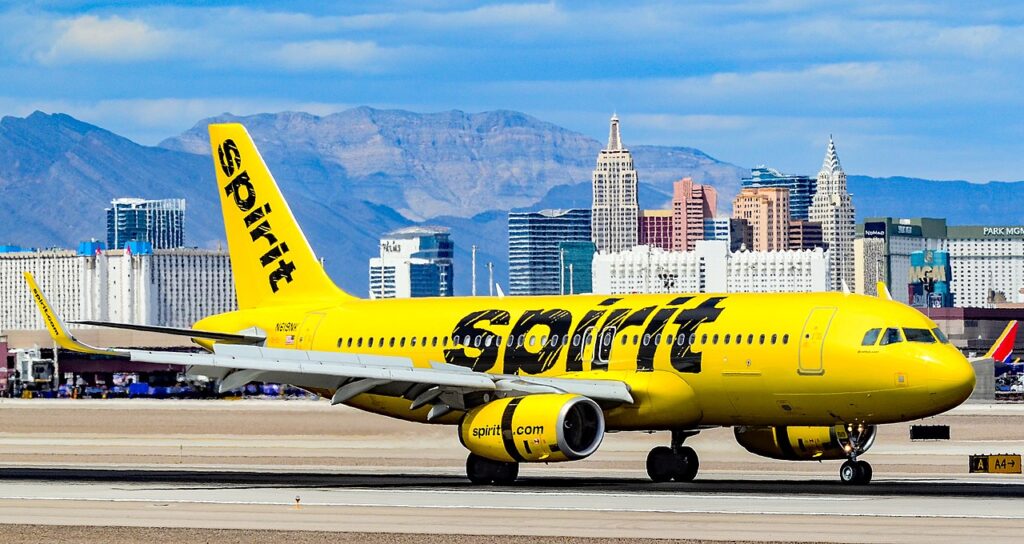
Financial Concerns
Spirit Airlines has faced sustained financial challenges, reporting losses over several consecutive years.
Analysts note that a $500 million infusion may offer only short-term relief, given the airline’s ongoing cash burn and competitive pressures in the ultra-low-cost segment, OMAAT flagged.
The proposal raises questions about long-term viability, as government ownership of a loss-making airline could require additional funding.
Critics argue that converting debt into equity may not resolve structural issues within the business model, including pricing strategies and cost management.
There are also concerns about market distortion, as direct government support for one airline could create competitive imbalances across the U.S. aviation sector.
Industry observers highlight that other carriers have not received similar intervention despite facing comparable challenges in recent years.
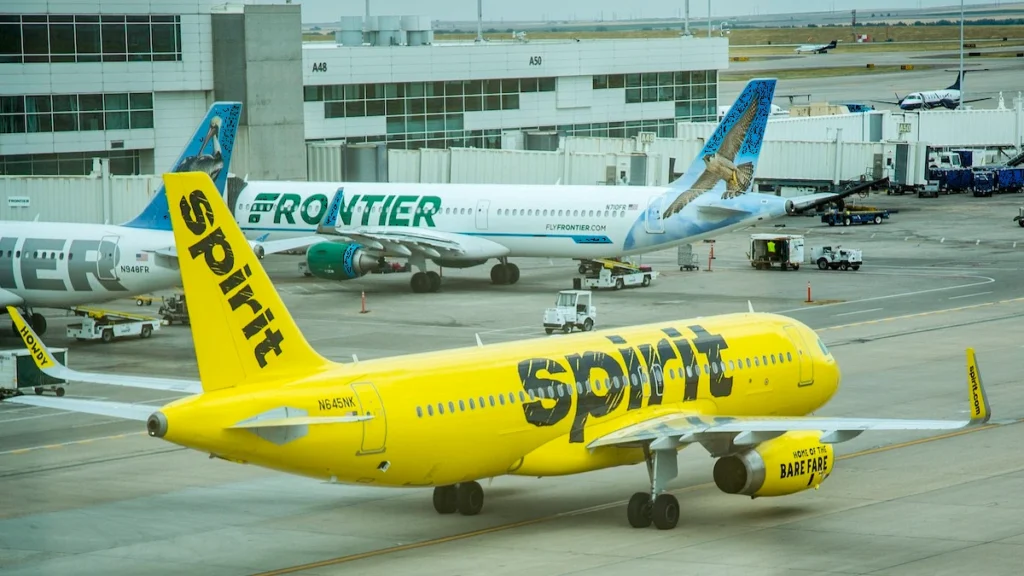
Industry Implications
The plan outlines a potential exit strategy in which the government would eventually divest its stake in Spirit Airlines.
Policymakers suggest that improved market conditions and operational restructuring could make the airline attractive to private buyers.
At the same time, the proposal reflects a broader debate about the role of government in commercial aviation.
While maintaining airline competition and preserving jobs are cited as key objectives, the approach introduces uncertainty about regulatory and financial outcomes.
Stay tuned with us. Further, follow us on social media for the latest updates.
Join us on Telegram Group for the Latest Aviation Updates. Subsequently, follow us on Google News
