

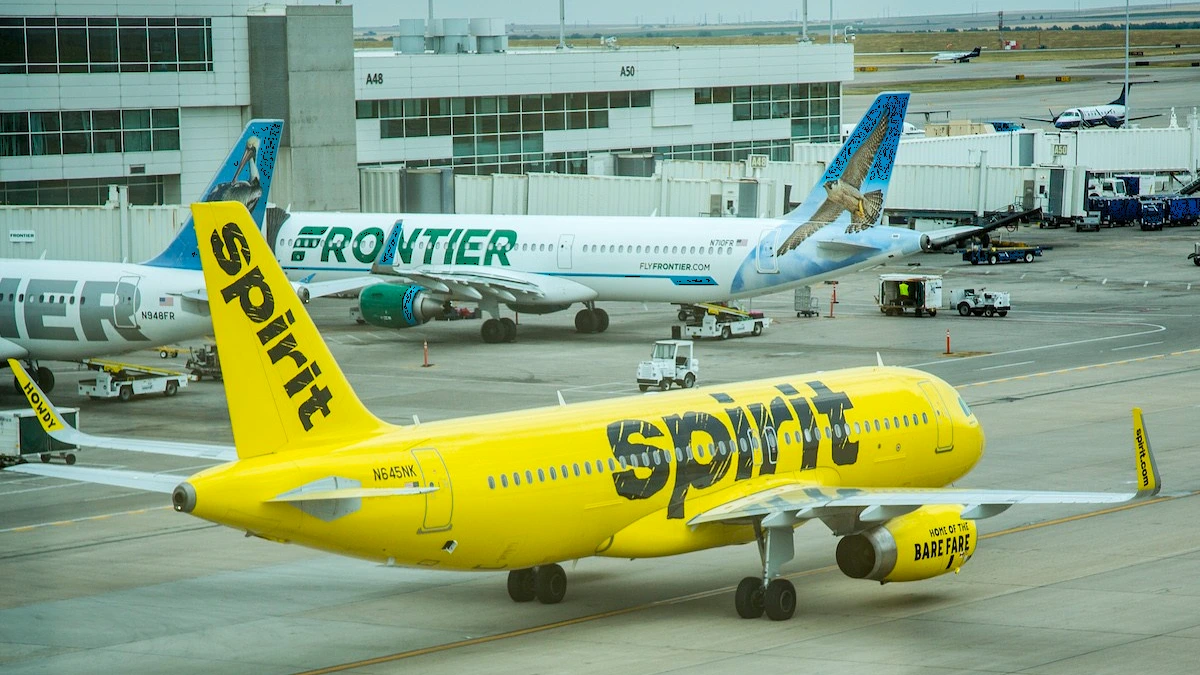
WASHINGTON, D.C.— Spirit Airlines (NK) has approached the administration of Donald Trump with a request for emergency financial assistance as it faces a potential liquidation scenario within days.
The airline, currently in Chapter 11 bankruptcy for the second time in two years, is seeking hundreds of millions of dollars in funding in exchange for an equity stake, marking a significant escalation in its efforts to remain operational.
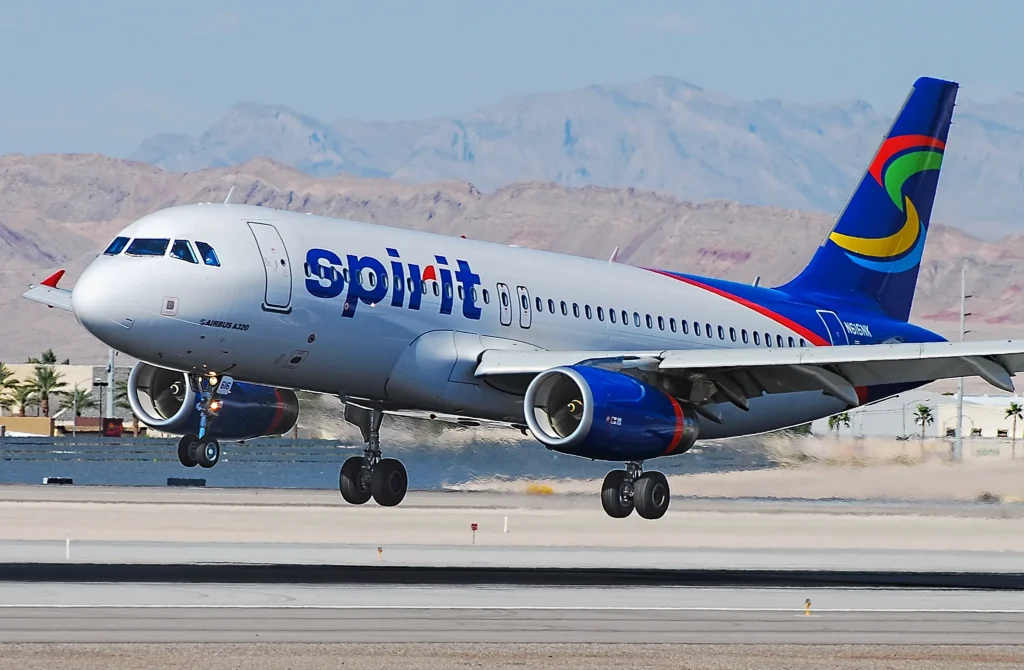
Spirit’s Bailout Request Details
Reports indicate that Spirit formally initiated discussions with U.S. officials in mid-April 2026 as rising jet fuel prices severely strained its financial recovery plans.
Unlike traditional bailout appeals, the airline has proposed offering equity to the federal government, drawing parallels to prior state-backed investments in strategic industries. This structure would effectively position the government as a shareholder rather than a lender.
Officials within the Department of Transportation have acknowledged the discussions, while also signaling broader concerns about the financial stability of low-cost carriers across the United States.
Bankruptcy Pressure Mounts
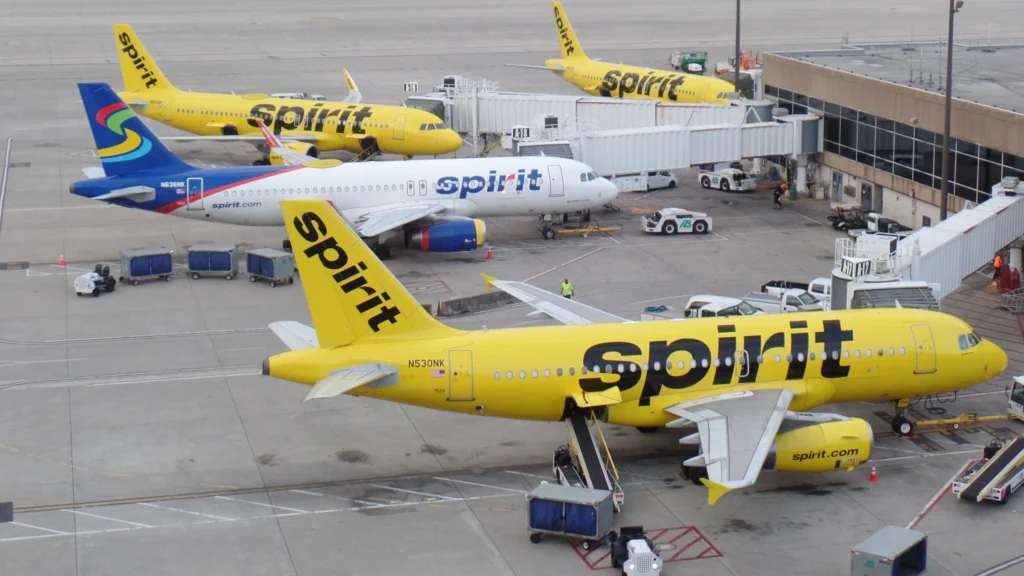
Spirit’s financial position has deteriorated steadily despite restructuring efforts, with the airline struggling to achieve profitability since before the pandemic, OMAAT flagged.
The carrier had initially targeted an early summer exit from bankruptcy, but volatile operating costs—especially fuel—have disrupted those projections.
Industry analysts note that ultra-low-cost carriers operate on thin margins, making them particularly vulnerable to sudden cost spikes. In Spirit’s case, sustained losses and high debt obligations have intensified the risk of liquidation.
Implications for the Aviation Industry Grow
The bailout request has triggered a wider debate on whether taxpayer funds should support struggling airlines outside of systemic crises.
During the COVID-19 pandemic, U.S. carriers collectively received over $50 billion in federal aid under emergency legislation. However, current conditions differ, as the challenge stems from rising costs rather than collapsing demand.
Transportation Secretary Sean Duffy has reportedly begun consultations with airline executives to assess industry-wide risks, although he has downplayed the severity of the fuel price surge.
If fuel prices remain elevated, analysts warn that multiple airlines—not just Spirit—could face restructuring or downsizing, potentially reducing competition in key domestic markets.
Bottom Line
Spirit’s proposal now places the federal government in a difficult position, balancing market principles with the risk of broader industry disruption.
While no decision has been announced, the airline’s immediate future appears uncertain, with its survival increasingly dependent on external intervention.
Stay tuned with us. Further, follow us on social media for the latest updates.
Join us on Telegram Group for the Latest Aviation Updates. Subsequently, follow us on Google News
