


WASHINGTON, D.C- The United States Air Force (USAF) has committed nearly $1.7 billion to modernize its B-1B Lancer and B-2 Spirit bomber fleets over the next five years. The investment reverses earlier plans that had targeted both aircraft for retirement in the early 2030s.
The revised strategy ensures the Air Force retains the speed, range, and stealth capabilities of both platforms while it fields the next-generation B-21 Raider and upgrades the B-52 Stratofortress fleet into the new B-52J configuration with modern engines and an all-glass cockpit.
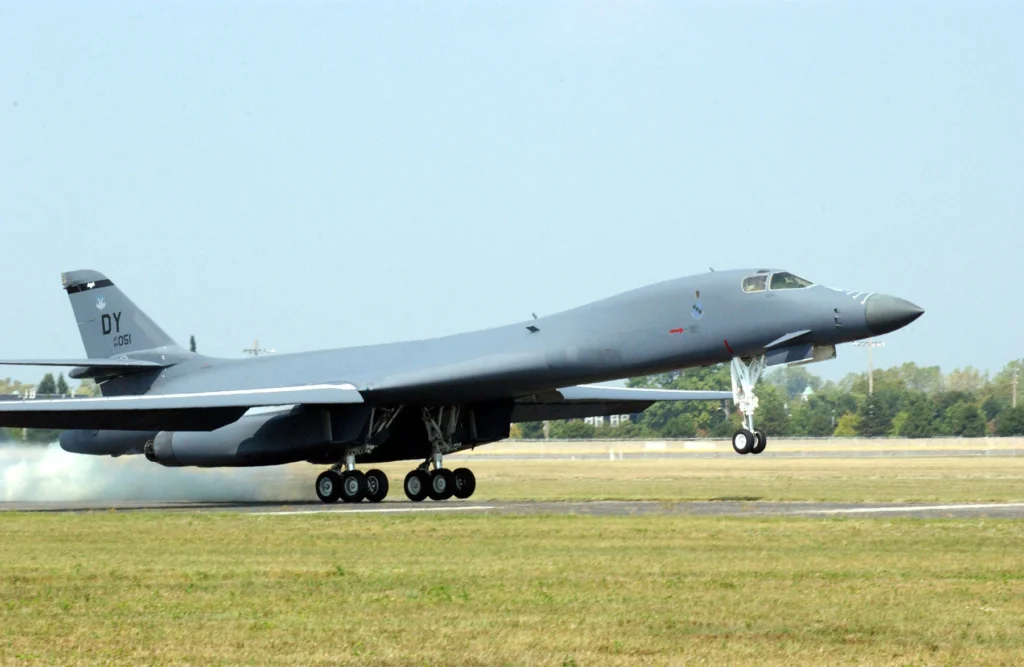
US Air Force Bombers Fleet
New budget documents outline $342 million in B-1B modernization funding from 2027 to 2031. The budget states this funding will modernize the platform and ensure its lethality and relevance through 2037.
The B-2 Spirit fleet will receive an even larger share, with $1.35 billion allocated across the same five-year window. Budget documents do not specify a retirement date for the B-2.
Both bombers demonstrated significant combat value in recent operations, and President Trump’s push to increase defense spending created the fiscal space to continue updating the aircraft. The Pentagon has requested a record $1.5 trillion defense budget for 2027.
Retired Col. Mark Gunzinger, director of future concepts and capability assessments at AFA’s Mitchell Institute for Aerospace Studies and a former deputy undersecretary of defense, said the extension reflects surging demand for bomber capacity.
He noted that long-range penetrating strike capability remains one of the most significant shortfalls in the U.S. military, making early B-2 divestiture a purely budget-driven decision that no longer holds up, Air and Space Forces reported.
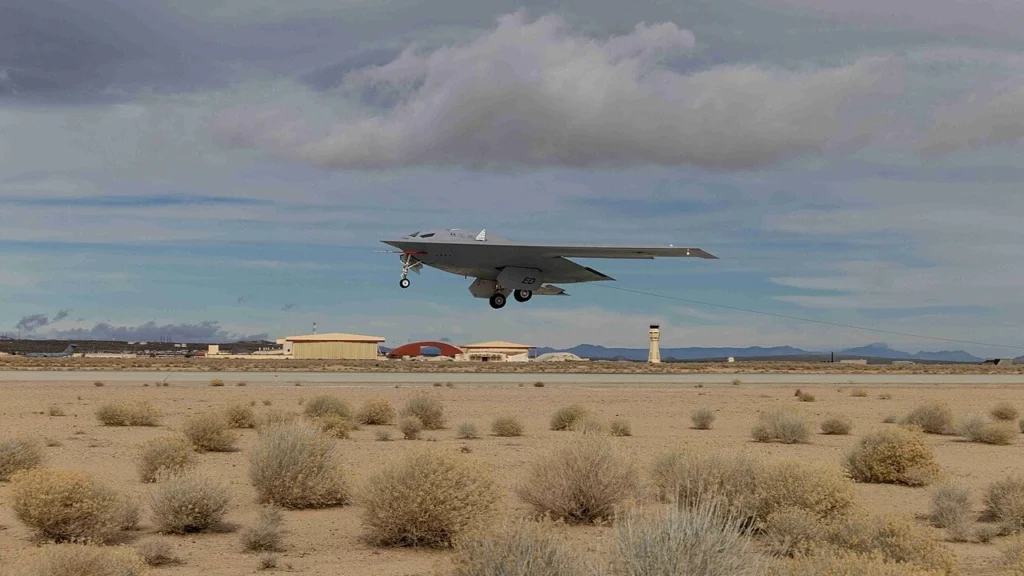
Current Fleet Strength And Combat Roles
The Air Force currently operates 44 B-1Bs and 19 B-2s. Of the two platforms, only the B-2 Spirit carries nuclear weapons. The B-1B, however, can carry more conventional munitions, both guided and unguided, than any other aircraft in the Air Force inventory.
Air Force Global Strike Command confirmed that the B-2 fleet will continue to operate from Whiteman Air Force Base (SZL), Missouri, for as long as needed, even after the B-21 Raider comes online. The first operational B-21s will be fielded at Ellsworth Air Force Base (RCA), South Dakota, in 2027. Whiteman will serve as the second base to host the new bomber.
Global Strike Command stated the B-2 will remain a critical long-range strike option for the President and will be maintained as a viable capability for as long as national security requires it.
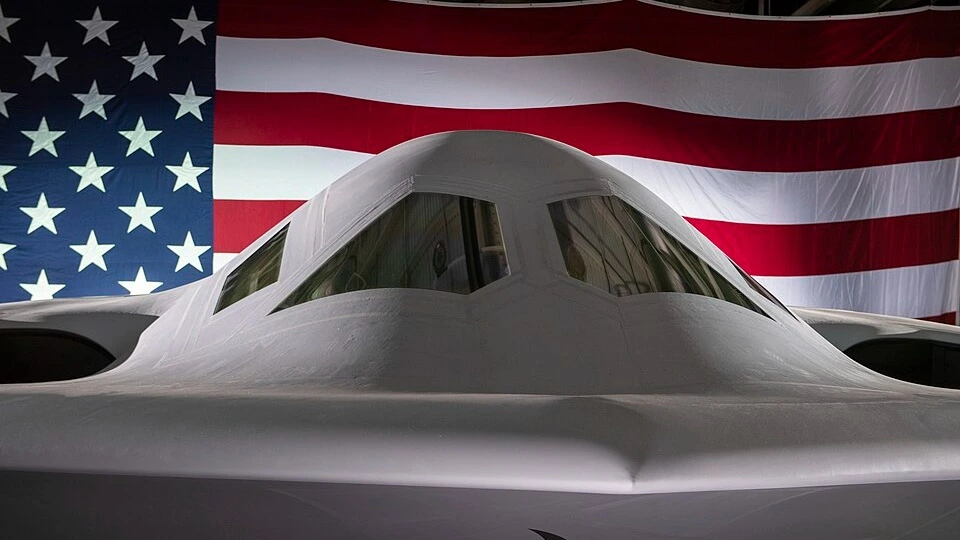
Operation Midnight Hammer And Epic Fury
The successful strike on Iran’s nuclear sites by seven B-2 Spirits operating together in June 2025, known as Operation Midnight Hammer, served as a turning point in the decision to retain both bomber fleets.
Only the B-2 could carry and deliver the 30,000-pound Massive Ordnance Penetrator bombs used in that operation, making its unique capability suddenly much clearer to national security leaders.
In the subsequent Operation Epic Fury against Iran, all three current bomber types participated: B-1Bs, B-2s, and B-52s. Gunzinger described operational demand for bombers as moving in one direction, consistently upward, driven by both peacetime bomber task force operations that support global deterrence and active combat operations.
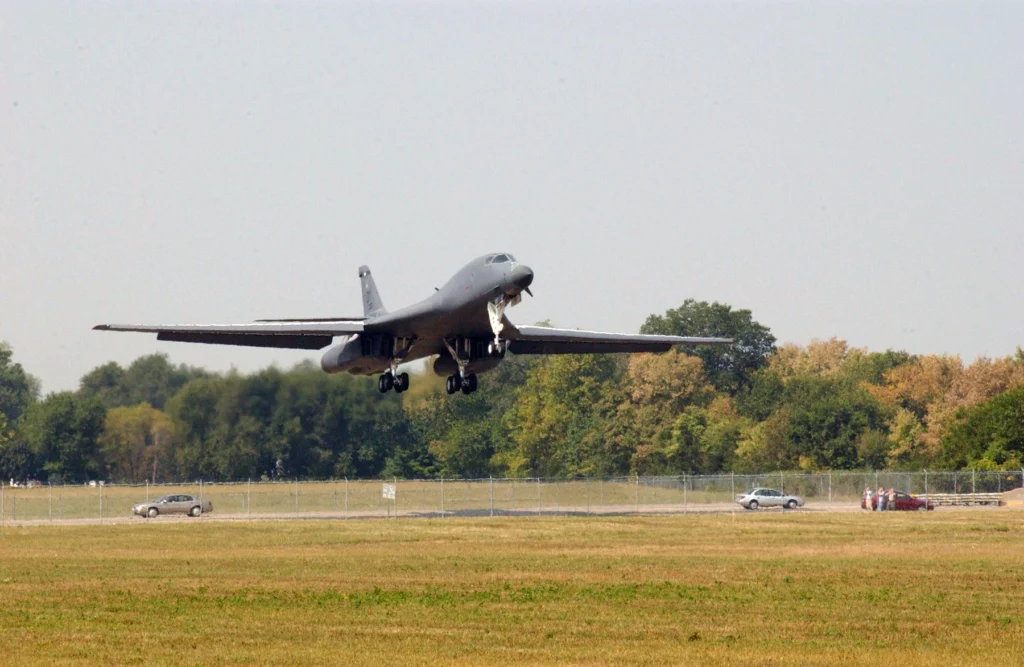
B-21 Raider Ramp-Up And Long-Term Fleet Planning
The Air Force had considered extending the lives of the B-1B and B-2 previously, but funding constraints and crewing concerns delayed the decision. With the record 2027 budget request now on the table, the bomber community sees a clear path forward.
Retaining both legacy bombers while building more B-21 Raiders than originally planned reduces risk when the older aircraft eventually do retire.
By the time the Air Force transitions to its planned fleet of B-21s and B-52Js, the service will have invested in bomber sustainment infrastructure, including depot capacity, spare parts, and maintenance talent. These areas had been cut back in recent years due to limited resources.
Stay tuned with us. Further, follow us on social media for the latest updates.
Join us on Telegram Group for the Latest Aviation Updates. Subsequently, follow us on Google News
