

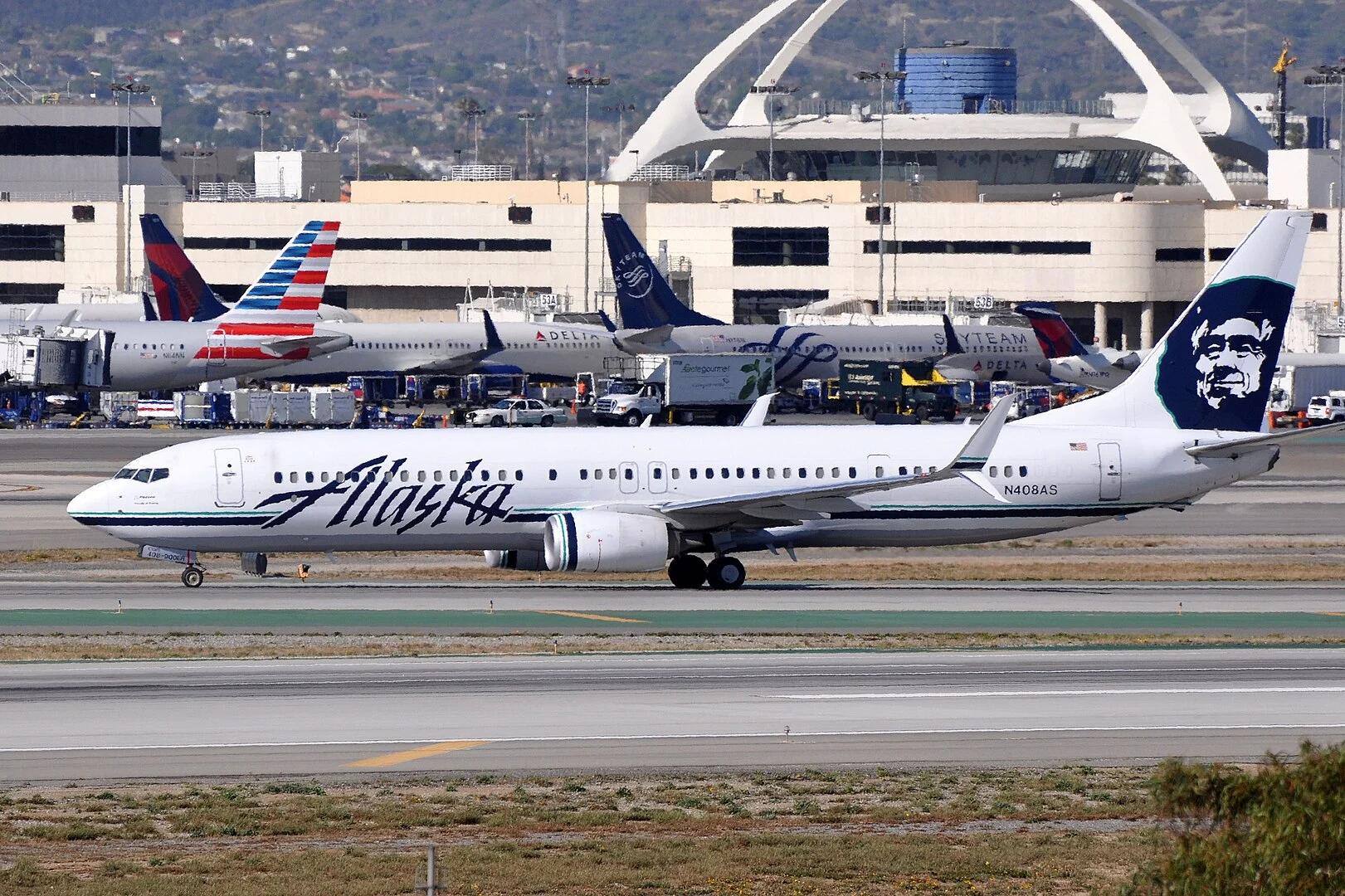
WASHINGTON- American Airlines (AA) has explored a potential merger with Alaska Airlines (AS), according to industry developments, but discussions have not progressed beyond the early stages.
Instead, the two carriers are now working toward a deeper revenue-sharing agreement that could expand their existing commercial partnership.
The development reflects a strategic recalibration following regulatory scrutiny of airline alliances, particularly after American’s failed partnership with JetBlue Airways (B6).
Both airlines already maintain a strong presence across major US markets, including hubs such as Dallas/Fort Worth International Airport (DFW) and Seattle–Tacoma International Airport (SEA), positioning them for closer coordination without a full corporate merger.
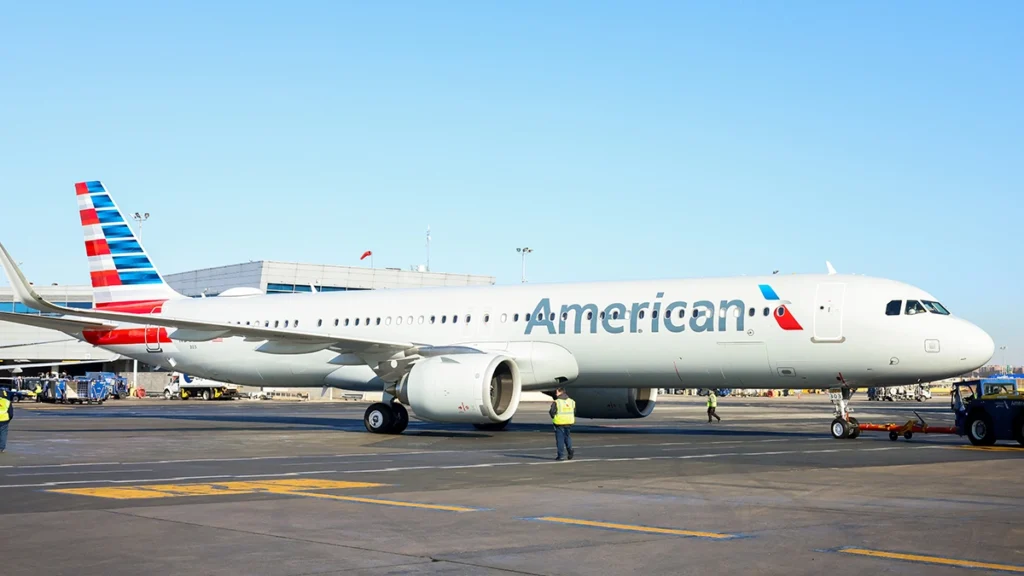
American and Alaska Merger Talks Stalled
Initial discussions between American and Alaska reportedly included the possibility of a full merger, which would have significantly reshaped the competitive landscape in the United States.
However, these talks did not advance, likely due to regulatory complexity and strategic considerations.
Both airlines appear to have pivoted toward a framework that avoids the structural challenges of a merger while still delivering commercial benefits, View From the Wing flagged.
A revenue-sharing agreement allows carriers to coordinate more closely on routes and pricing without triggering the same level of antitrust scrutiny.
This approach reflects lessons learned from previous attempts at deeper integration. American’s earlier alliance with JetBlue faced legal opposition, ultimately leading to its dismantling after an adverse court ruling.
American Airlines has not publicly confirmed merger negotiations, but the shift toward a revenue-sharing structure signals a more measured approach to collaboration in a tightly regulated environment.
ALSO READ: Frontier Files 2nd Lawsuit Against American Airlines Over Boston Collision
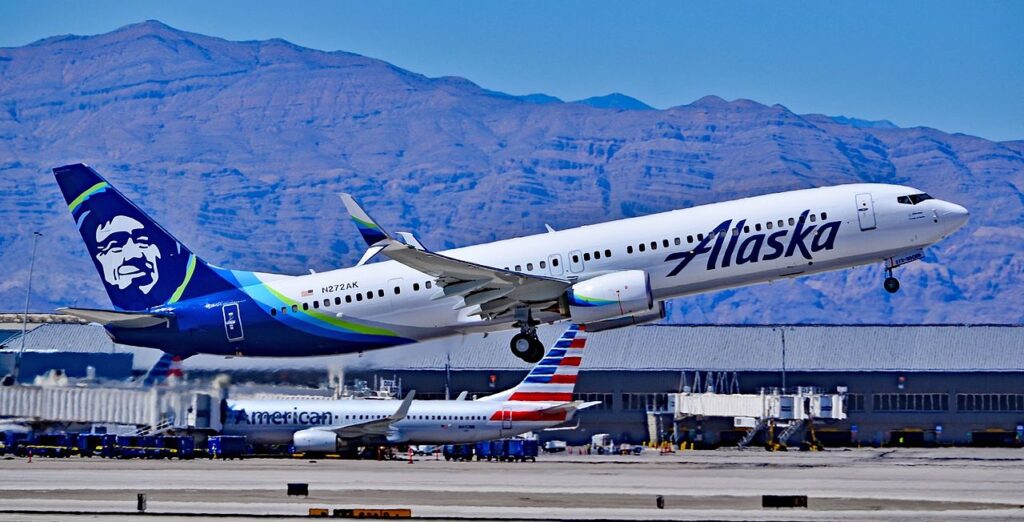
American and Alaska’s Partnership Expansion Strategy
American and Alaska already maintain a comprehensive partnership under the oneworld alliance, supplemented by their “West Coast Alliance.”
This collaboration includes codesharing, reciprocal loyalty benefits, and coordinated customer offerings such as seat upgrades and premium access. The partnership has proven strategically valuable for both carriers.
American strengthens its position in Northern California and the Pacific Northwest, regions where its independent presence remains limited. Alaska, in turn, gains enhanced global connectivity through American’s extensive international network. The arrangement also supports growth in frequent-flyer programs.
Industry observers note that partnerships of this nature drive loyalty program engagement and co-branded credit card acquisition, which remain critical revenue streams for US airlines.
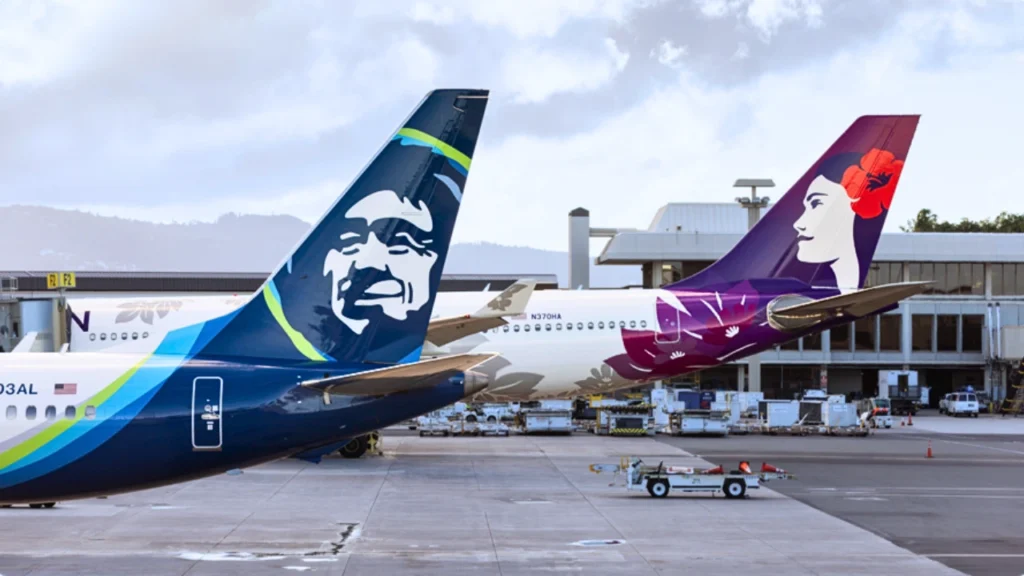
Regulatory and Market Impact
A potential revenue-sharing deal between the two airlines would likely face regulatory evaluation, although it may encounter fewer obstacles than a full merger.
Previous court rulings have indicated that certain cooperative agreements, particularly those without significant market overlap, can meet antitrust standards.
The absence of major slot constraints in overlapping markets may further reduce regulatory concerns.
However, any agreement involving pricing coordination or schedule alignment would still require careful structuring to ensure compliance.
Stay tuned with us. Further, follow us on social media for the latest updates.
Join us on Telegram Group for the Latest Aviation Updates. Subsequently, follow us on Google News
