


Taxation remains one of the most debated aspects of modern economies, shaping everything from public welfare to business competitiveness.
While some nations prioritize low-tax regimes to attract investment, others impose significantly higher personal income tax rates to fund expansive social systems and public services.
In 2026, several developed economies continue to dominate the list of countries with the highest tax rates. These nations often combine strong welfare states, universal healthcare, and high living standards, but they also place a considerable tax burden on high-income earners.
10 Countries with the Highest Tax Rates
Below is a detailed look at the top 10 countries with the highest personal income tax rates in the world.

10. Netherlands – 49.5%
The Netherlands ranks tenth, with a top personal income tax rate of 49.5%. Known for its strong social infrastructure, the country uses tax revenue to fund healthcare, education, and social security.
Despite relatively high taxes, the Netherlands maintains a competitive business environment. Its strategic location in Europe and stable governance continue to attract multinational corporations and skilled professionals.
The Dutch tax system also includes substantial social security contributions, which can increase the overall effective tax burden. However, targeted tax incentives for expatriates and skilled migrants, such as the 30% ruling, help offset costs for certain professionals.

9. Slovenia – 50%
Slovenia imposes a flat top tax rate of 50%, placing it among Europe’s higher-tax jurisdictions. The country has a well-developed welfare system, supported by progressive taxation policies.
Its tax system is designed to reduce income inequality while maintaining economic stability. Slovenia also benefits from its position within the European Union, enhancing trade and mobility.
Slovenia’s progressive tax structure is complemented by relatively high social contributions, particularly for employers. While this strengthens the welfare system, it also raises labor costs, influencing hiring trends in certain sectors.

8. Israel – 50%
Israel matches Slovenia with a 50% top tax rate. The country balances its high taxation with significant investments in defense, technology, and public services.
As a global technology hub, Israel continues to attract startups and innovation-driven companies. However, the high tax burden on top earners remains a topic of domestic debate.
Israel’s tax framework includes additional surcharges for very high earners, pushing effective rates even higher in some cases. At the same time, tax credits and incentives are widely used to support innovation and research-driven industries.

7. Belgium – 50%
Belgium also applies a 50% top personal income tax rate. It is widely regarded as one of Europe’s most heavily taxed nations overall, considering additional social contributions.
The country’s taxation supports a robust healthcare system, unemployment benefits, and pensions. However, critics argue that high taxes may discourage workforce participation among top earners.
Belgium’s overall tax wedge—combining income tax and social contributions—is among the highest globally. This has prompted ongoing policy discussions about reducing the burden to improve workforce participation and economic competitiveness.

6. Aruba – 52%
Aruba stands out as the only Caribbean nation on this list, with a top tax rate of 52%. Despite its reputation as a tourist destination, it maintains a relatively high personal income tax structure.
The government relies on taxation alongside tourism revenues to sustain public services. Its small economy requires a balanced fiscal approach to ensure long-term stability.
Aruba’s tax structure is influenced by its dependence on tourism and a relatively small population base. As a result, fiscal policies often aim to balance revenue stability with maintaining the island’s attractiveness to international workers and investors.
5. Sweden – 52%
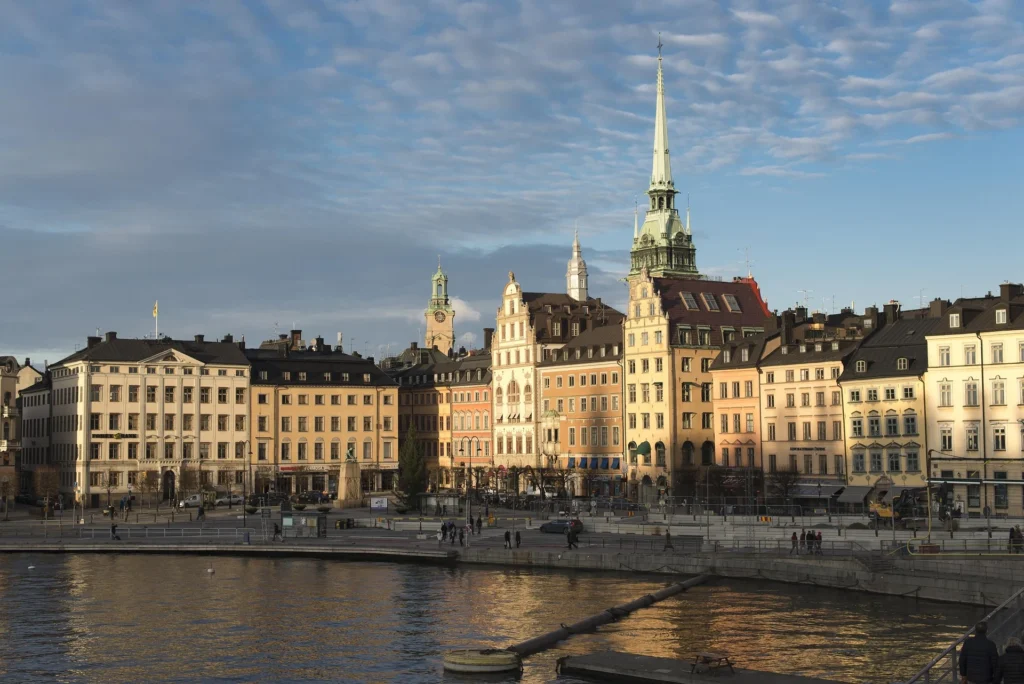
Sweden is well-known for its high-tax, high-benefit model, with a top rate of 52%. Citizens receive extensive public services, including free education and universal healthcare.
The Swedish model demonstrates how high taxation can coexist with a high quality of life. Transparency and efficient governance play key roles in maintaining public trust.
In Sweden, municipal taxes form a significant portion of the total tax burden, varying by region. This decentralized system allows local governments to fund services effectively, contributing to consistently high public service standards.

4. Austria – 55%
Austria ranks fourth, with a 55% top income tax rate. The country’s tax revenues fund comprehensive social programs and infrastructure development.
Vienna, its capital, consistently ranks among the world’s most livable cities, reflecting the effectiveness of public spending. However, high taxes remain a concern for high-income professionals.
Austria periodically adjusts its tax brackets to address inflation and maintain purchasing power. These reforms aim to ease the burden on middle-income earners while preserving strong public finances.

3. Denmark – 55.9%
Denmark is synonymous with high taxation and strong welfare systems. With a 55.9% top rate, it ranks third globally.
The country offers free healthcare, education, and extensive social benefits. In return, citizens accept one of the highest tax burdens in the world, supported by a high level of trust in government institutions.
Denmark’s tax system includes a combination of state, municipal, and labor market contributions, creating a layered structure. Despite high rates, compliance remains strong due to transparency and efficient administration.

2. Japan – 55.95%
Japan holds the second position with a 55.95% top tax rate. Its taxation system supports a large aging population and significant public infrastructure.
As one of the world’s largest economies, Japan balances high taxation with strong industrial output. However, demographic challenges continue to pressure its fiscal policies.
Japan’s high tax rates are partly driven by the need to fund social security for its aging population. In addition to income tax, residents also face local inhabitant taxes, which increase the overall tax burden.

1. Finland – 57.65%
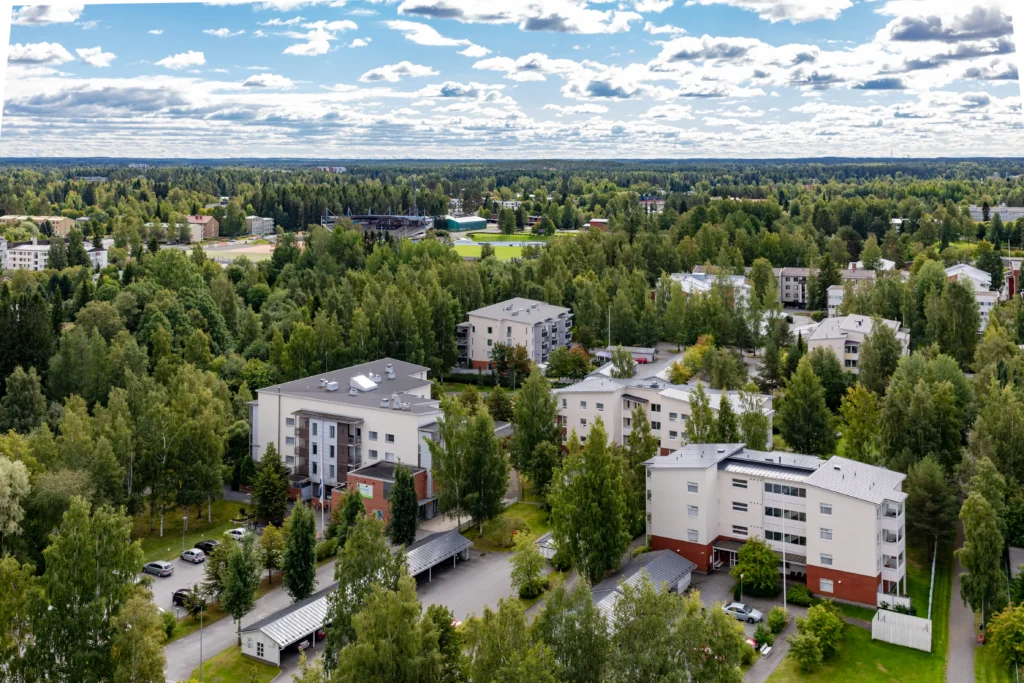
Finland tops the list with the highest personal income tax rate at 57.65%. The country is known for its exceptional education system, healthcare, and social equality.
High taxes in Finland are widely accepted due to the tangible benefits citizens receive. The country consistently ranks high in global happiness and quality-of-life indices.
Finland’s taxation model emphasizes redistribution, with higher earners contributing significantly more to public finances. The system is supported by strong institutional trust and consistently high rankings in governance and transparency indices.
Why High Tax Rates Exist
Countries with high tax rates often prioritize social welfare, economic equality, and public infrastructure. These governments invest heavily in healthcare, education, pensions, and unemployment benefits.
While high taxes can reduce disposable income, they also contribute to lower poverty rates and higher standards of living. The trade-off between taxation and public services remains a central policy debate worldwide.

Are High Taxes Sustainable?
The sustainability of high tax regimes depends on economic growth, public trust, and efficient governance. Nations like Sweden and Denmark demonstrate that high taxes can coexist with strong economies.
However, excessive taxation without proportional benefits may lead to capital flight or reduced economic activity. Policymakers must strike a balance between revenue generation and economic competitiveness.

Bottom Line
The countries with the highest tax rates in 2026 are largely concentrated in Europe and developed economies. These nations rely on progressive taxation to fund extensive welfare systems and maintain high living standards.
While the burden on high-income individuals is significant, many of these countries continue to rank among the best places to live. Ultimately, the effectiveness of high tax systems depends on how efficiently governments translate revenue into tangible public benefits.
Stay tuned with us. Further, follow us on social media for the latest updates.
Join us on Telegram Group for the Latest Aviation Updates. Subsequently, follow us on Google News
