

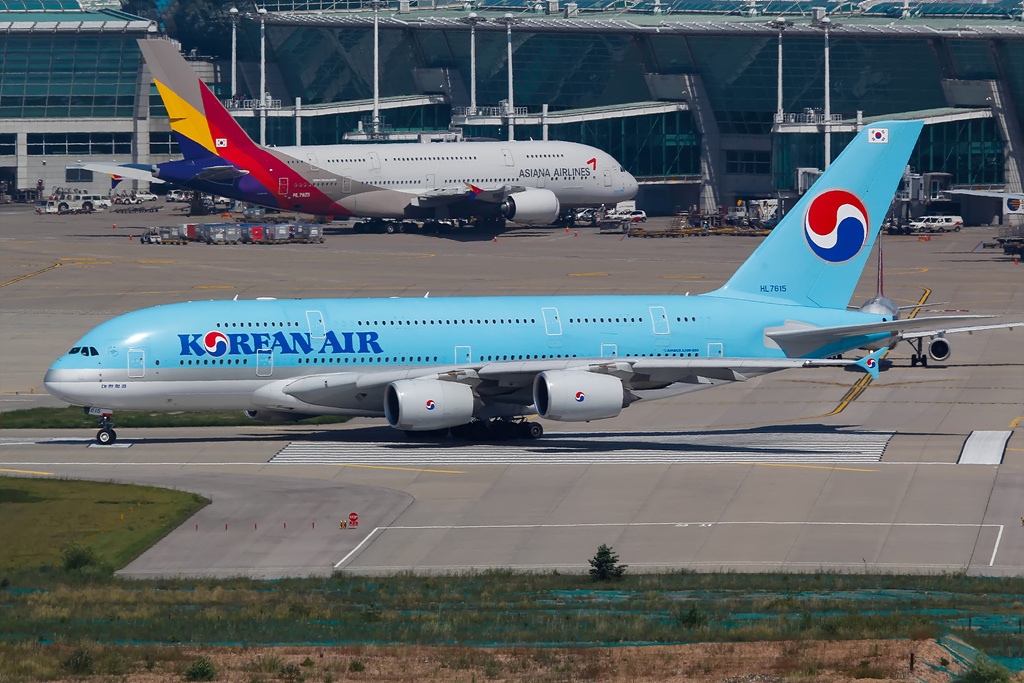
SEOUL— Asiana Airlines (OZ) shareholders have approved the carrier’s merger with Korean Air (KE), clearing a major corporate hurdle ahead of the launch of South Korea’s integrated flag carrier.
The vote moves the two airlines closer to completing a combination that began in November 2020 and has since passed multiple regulatory reviews.
At an extraordinary shareholders’ meeting in Seoul, 81.9 percent of Asiana shareholders were represented, while 99.3 percent of those voting backed the merger.
The integrated airline is scheduled to launch on December 17, when Asiana Airlines will be dissolved as a separate company.
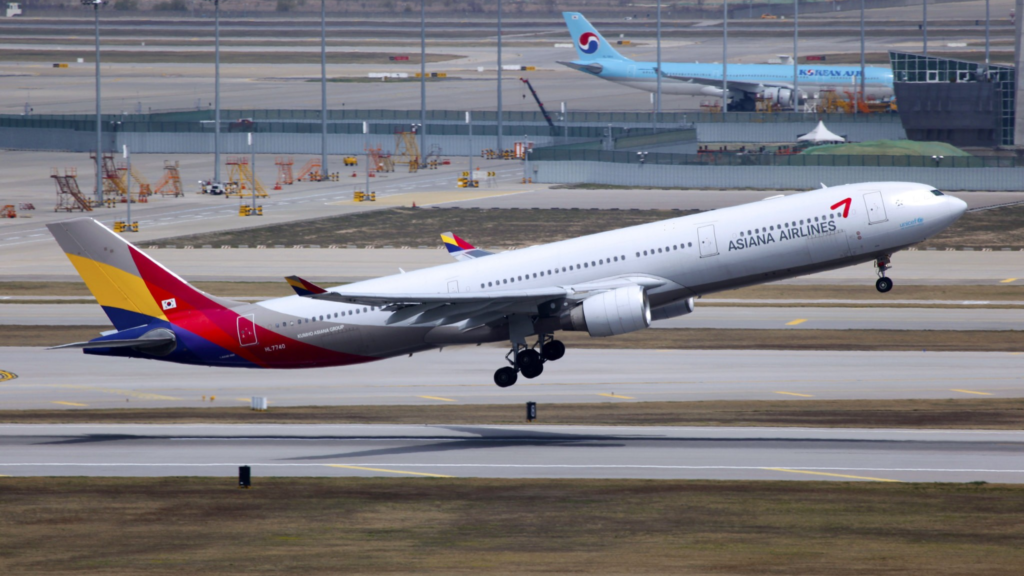
Korean Air-Asiana Merger Moves Forward
The shareholder approval marks another significant step in a transaction that has taken nearly six years to reach its final stage.
Korean Air initially agreed to acquire Asiana in November 2020, beginning a lengthy process that required competition approvals in South Korea and several overseas markets.
The merger received regulatory clearance after Korean Air agreed to remedies addressing competition concerns, including the transfer of certain European routes and the sale of Asiana’s cargo business.
Korean Air completed the acquisition of a controlling 63.88 percent stake in Asiana in December 2024, but the two airlines continued operating separately while preparing for full integration.
Under the agreed merger terms, Asiana shareholders will receive 0.2736432 newly issued Korean Air shares for every Asiana share they own.
Korean Air plans to issue approximately 20.34 million new shares, which are scheduled to be listed on January 4, 2027.

Integrated Korean Air
The final integration will create one of Asia’s largest full-service airline groups and leave Korean Air as South Korea’s only full-service carrier.
The combined airline is expected to serve more than 120 cities worldwide with a fleet exceeding 230 aircraft and a workforce of about 28,000 employees, Korea Times reported.
The carrier’s annual revenue is forecast to surpass 23 trillion won ($16.25 billion), highlighting the scale of the new airline.
Korean Air also expects the combination to strengthen its international network and improve South Korea’s position in the global aviation market.
The integration will also change how passengers interact with the two brands. Asiana’s separate identity will disappear, while its operations, employees and assets will become part of the integrated Korean Air.
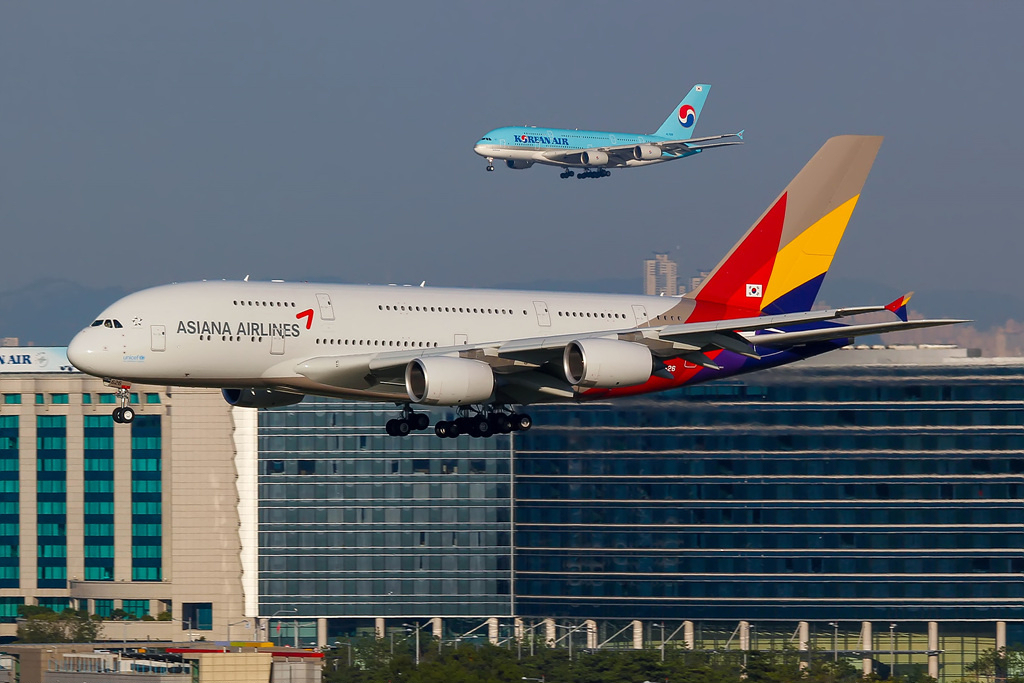
Mileage Integration Ahead
One of the most closely watched remaining issues is the integration of the airlines’ frequent-flyer programs.
Asiana is working with South Korea’s Fair Trade Commission to protect consumers and reduce disruption as the mileage systems are brought together.
The airlines must also complete operational and administrative preparations before the December launch. These include aligning systems, procedures, employee roles and customer-facing services across the two carriers.
Corporate culture presents another major challenge because Korean Air and Asiana have operated as separate organizations for decades.
The successful integration of their employees and working practices will therefore be central to ensuring that the new airline can begin operations smoothly on December 17.
Stay tuned with us. Further, follow us on social media for the latest updates.
Join us on Telegram Group for the Latest Aviation Updates. Subsequently, follow us on Google News
