

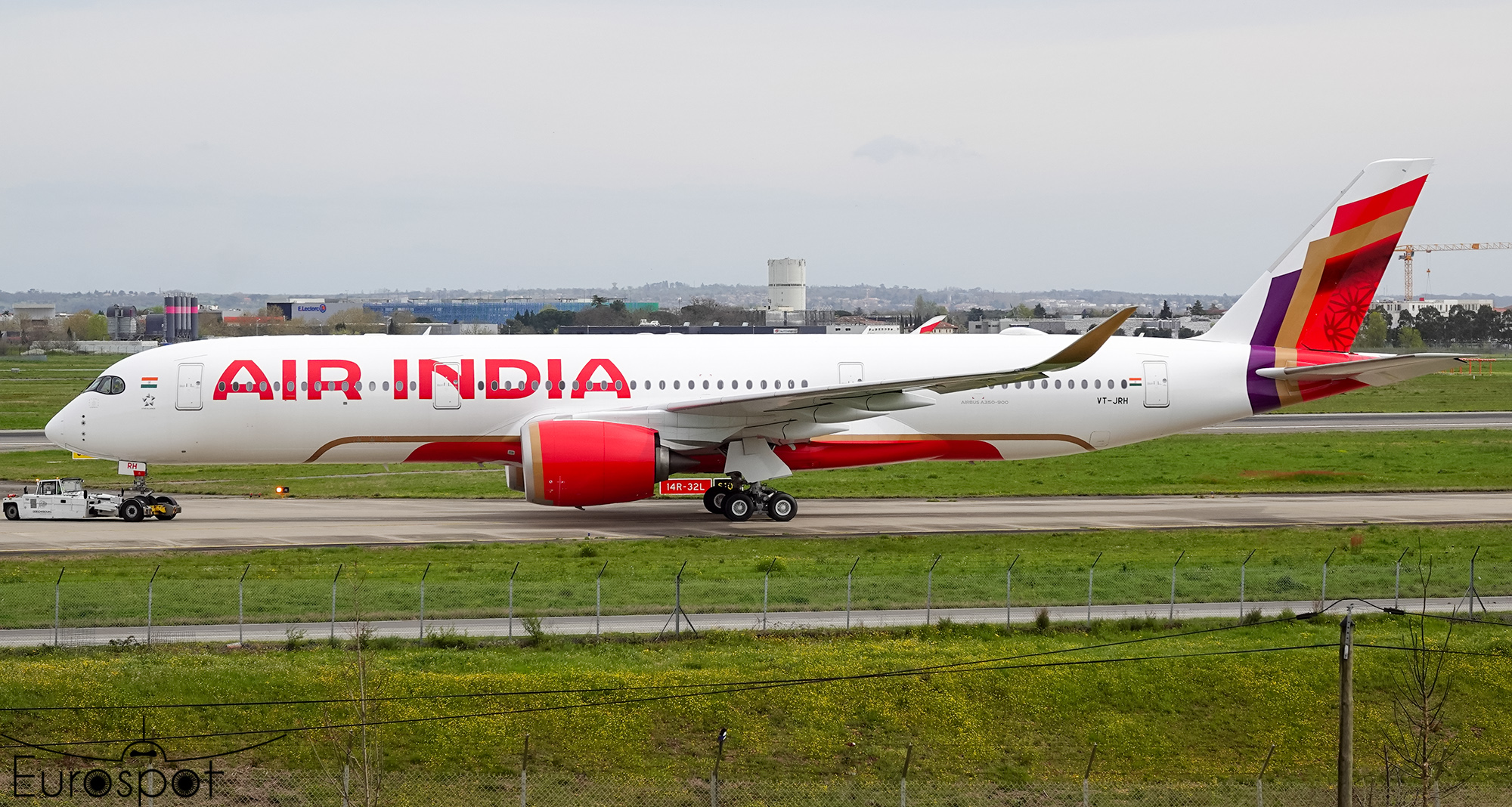
GURUGRAM- Air India (AI) will introduce a customized version of Airbus’s first class suite on its upcoming Airbus A350-1000 aircraft.
The Tata Group-owned carrier has moved away from the originally planned Safran Unity seating platform due to supply chain constraints and will now partner directly with Airbus on its premium cabin product.
The development marks a significant upgrade over the earlier plan, which positioned first class as a modest extension of business class.
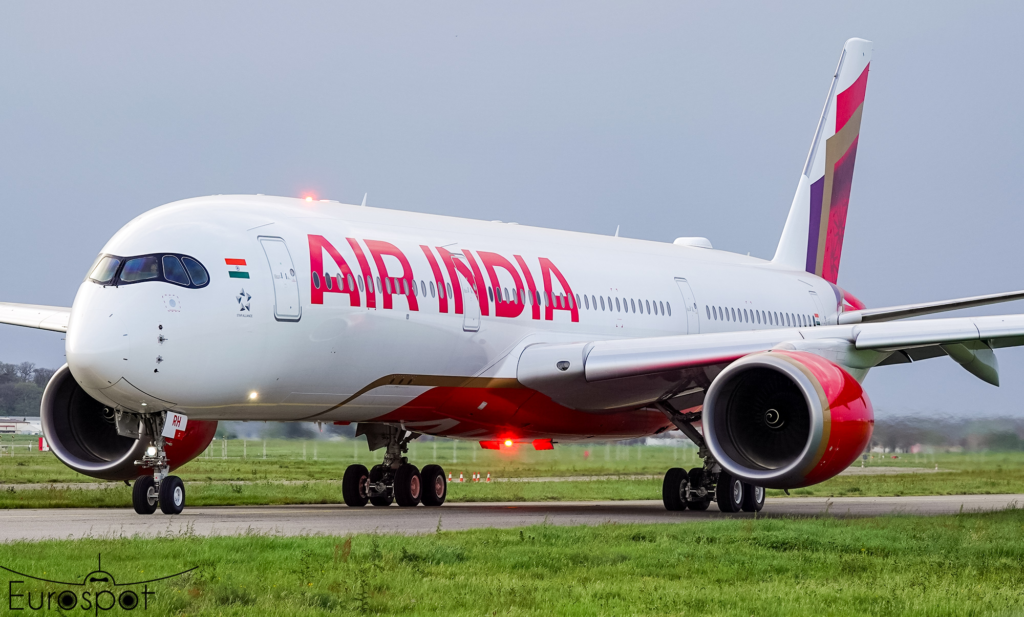
Air India’s A350-1000 fleet, part of a 20-aircraft order placed in 2023, is expected to begin arriving in 2026 and will serve high-demand routes connecting Delhi (DEL) and Mumbai (BOM) to destinations such as London Heathrow (LHR) and New York JFK.

Airbus Partnership Replaces Safran Unity for Premium Cabin
Air India originally intended to use the Safran Unity platform across its long-haul widebody fleet, including the A350-1000 and Boeing 777-300ER aircraft.
Under that plan, first class would have functioned as an enhanced version of business class, using additional bulkhead space to offer marginally better comfort rather than a distinct cabin product.
Supply chain disruptions forced Air India to abandon the Safran Unity strategy entirely. The airline selected the Recaro R7 as its business class product for the A350-1000.
Recaro R7 suites are staggered, door-equipped business class seats, with Iberia as the launch customer on its Airbus A350-900 fleet, and LATAM is currently undergoing a retrofit with the same product.
With the Safran platform off the table, Air India needed an entirely new approach for first class. Air India will use a customized version of the first-class suite concept designed by Airbus.
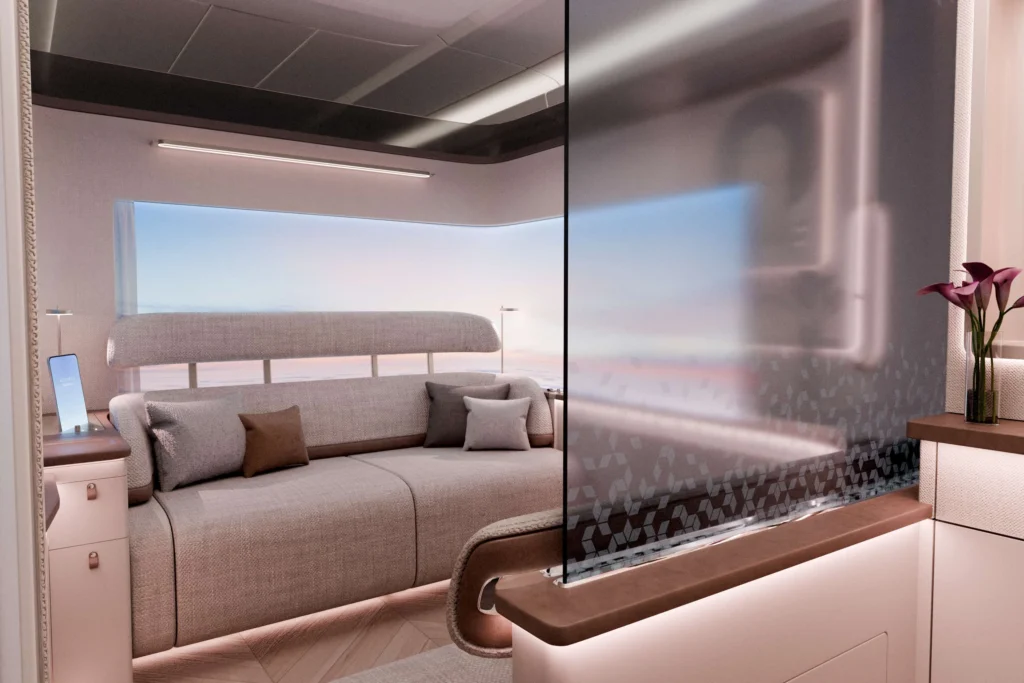
This product draws from the Airbus Airspace “First Class Experience” program, which Airbus showcased at the Aircraft Interiors Expo 2026 in Hamburg.

What the Airbus First Class Concept Offers
Airbus developed the “First Class Experience” specifically for the A350-1000 platform. The concept centers around the First Class Master Suite, a large-format living space positioned between the two aisles of the widebody cabin.
The design achieves a 1-1-1 configuration across three suites per row without sacrificing cabin revenue space, OMAAT flagged.
Airbus accomplished this by creating a new central module behind Door 1, facing the flight deck. This module houses storage closets, lavatories, and the staircase for the Forward Crew Rest Compartment, all elements that traditionally occupy premium cabin space.
By relocating these components, Airbus freed up floor area for passenger suites while reducing foot traffic and crew movement through the first class cabin.
The full Airbus concept includes features such as a dedicated lavatory per suite, a private dressing area, an integrated bar, a full-size double bed, and panoramic virtual windows for center suites.
Sculpted ceiling panels and welcome lighting at Door 1 enhance the sense of space and luxury from the moment passengers board.
Currently, 10 airlines have opted for first class cabins in their A350 orders. Approximately five carriers are in the active customization phase, and Airbus expects the first aircraft with these innovations to enter service around 2030.
How Air India’s Product May Take Shape
Air India’s version will be customized, meaning the airline will select specific elements from the Airbus concept rather than adopting the full package.
Industry observers expect the cabin to feature a 1-1-1 layout, placing it in the same category as Japan Airlines’ (JL) A350-1000 first class and Lufthansa’s (LH) A350-900 first class product.
The Airbus concept also includes the Master Suite option, where one suite in the cabin offers significantly more space than the others. However, Air India is unlikely to adopt the full bedroom configuration or the most extravagant customizations.
The airline is expected to balance premium product ambitions with practical cost considerations as it works through its broader fleet transformation.
Regardless of the exact specification, the product represents a substantial improvement over two benchmarks. First, it far surpasses the initial “business class plus” concept that the Safran Unity platform would have delivered. Second, it significantly outperforms the legacy first class product currently available on Air India’s aging Boeing 777-200LR fleet.
Boeing 777 First Class Remains an Open Question
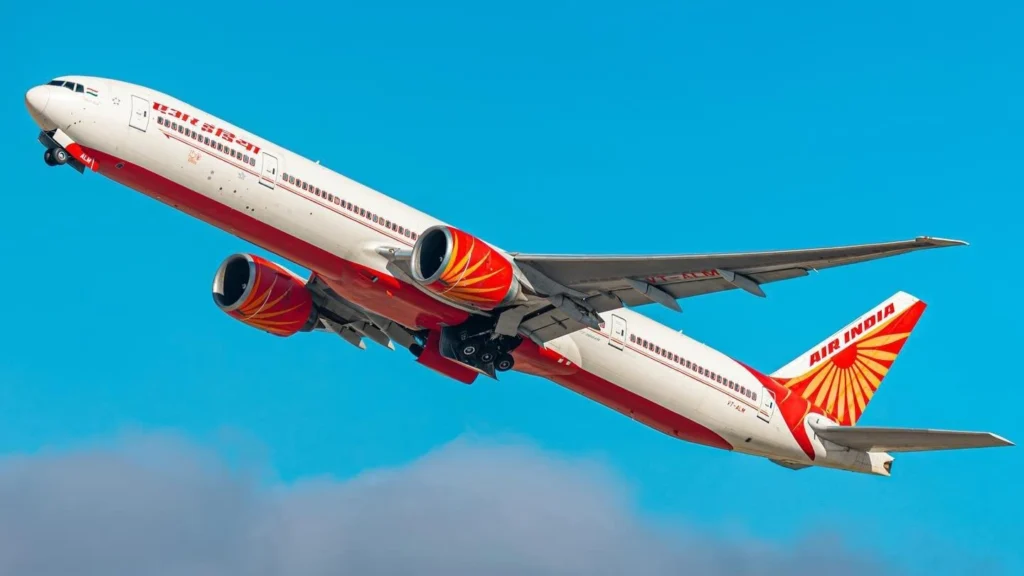
While the A350-1000 first class strategy is now taking shape, Air India has not clarified its plans for first class on the Boeing 777-300ER fleet.
The airline has 13 Boeing 777-300ERs scheduled for full cabin retrofits, with the first aircraft expected to enter the retrofit process in early 2027 and the full program running through October 2028.
The Airbus-designed suite is specific to the A350 platform, which means Air India will need a separate solution for the 777 fleet.
The airline has already selected Collins Aerospace for the 777 business class retrofit, but has not announced a first class seat supplier for that aircraft type.
Whether Air India introduces a comparable first class product on the 777 or limits premium innovation to the A350-1000 remains unclear.
Air India’s Wider Cabin Transformation
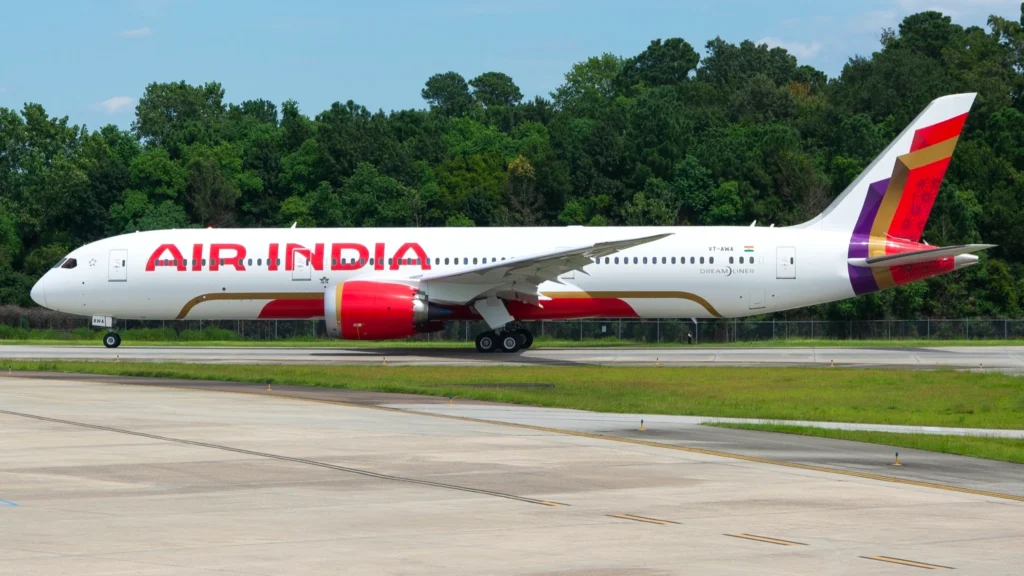
The first class announcement is part of Air India’s broader Vihaan.AI transformation program, which aims to modernize the entire fleet. The airline expects to receive six widebody aircraft in 2026, including a mix of Boeing 787-9 and Airbus A350-1000 deliveries, alongside 20 narrowbody aircraft.
Air India received its first custom-built Boeing 787-9 in January 2026, featuring the Adient Ascent business class product in a 1-2-1 configuration with 30 suites. The 787-8 retrofit program is also underway, with the first reconfigured aircraft expected to enter service on Delhi to London routes in mid-2026.
The airline now uses three different business class seat suppliers across its widebody fleet: Adient Ascent for the Boeing 787, Recaro R7 for the A350-1000, and Collins Aerospace for the Boeing 777-300ER retrofit.
This multi-supplier approach reduces dependency on any single vendor and helps manage delivery timelines amid ongoing global supply chain constraints.
Soft Product Will Define the Real Experience
While the hard product on the A350-1000 is shaping up to be competitive at the top end of the industry, the cabin experience will ultimately depend on Air India’s soft product execution. This includes catering quality, crew service standards, amenity kits, bedding, and lounge access at key hubs.
Air India has a mixed track record in maintaining cabin quality on its existing fleet, and premium passengers will expect consistency that matches the hardware investment. Competing carriers such as Singapore Airlines (SQ), Cathay Pacific (CX), and Japan Airlines (JL) set a high bar not only in seat design but also in onboard service and ground experience.
The A350-1000 first class product now joins a list of highly anticipated premium cabin launches. Singapore Airlines is developing new first class suites for select retrofitted A350 aircraft, while Cathay Pacific is preparing a new first class for its upcoming Boeing 777X fleet.
Air India’s entry into this space signals that the carrier is serious about competing at the highest level of international premium travel.
Stay tuned with us. Further, follow us on social media for the latest updates.
Join us on Telegram Group for the Latest Aviation Updates. Subsequently, follow us on Google News
