

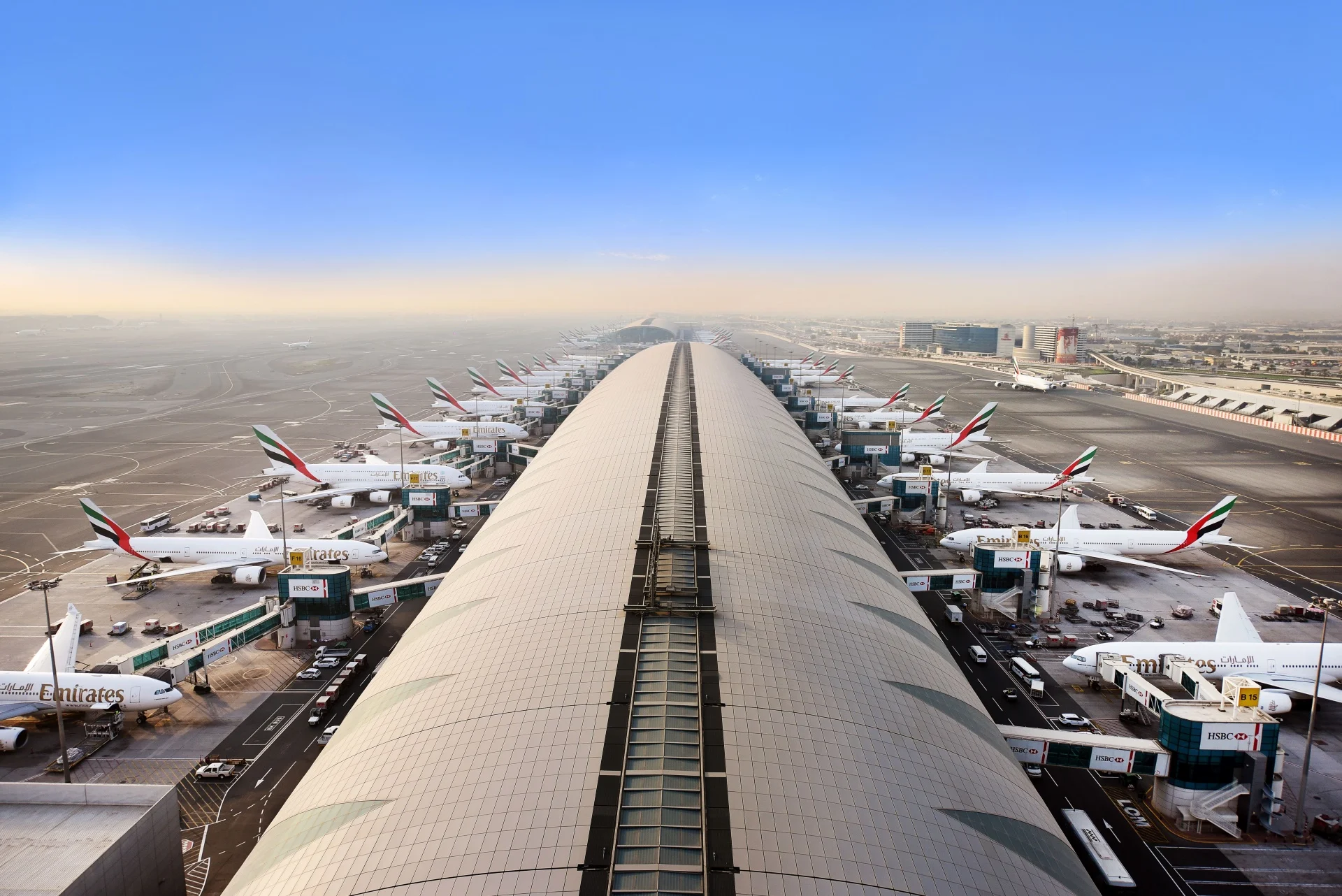
Airports are no longer just places to arrive and depart. In 2025, they stand as gateways to entire regions, shaping first impressions through design, efficiency, hospitality, and connectivity.
The World Travel Awards’ Leading Airports category recognises airports that consistently deliver strong passenger experiences while balancing operational performance, infrastructure growth, and global relevance.
This year’s winner and nominees reflect a broad global mix, spanning major intercontinental hubs, fast-growing emerging gateways, and well-established regional leaders.
From cutting-edge terminals in the Middle East to revitalised airports across Africa, Asia, Europe, and the Americas, the 2025 list highlights how airports are evolving to meet rising traveller expectations while handling ever-increasing passenger volumes.
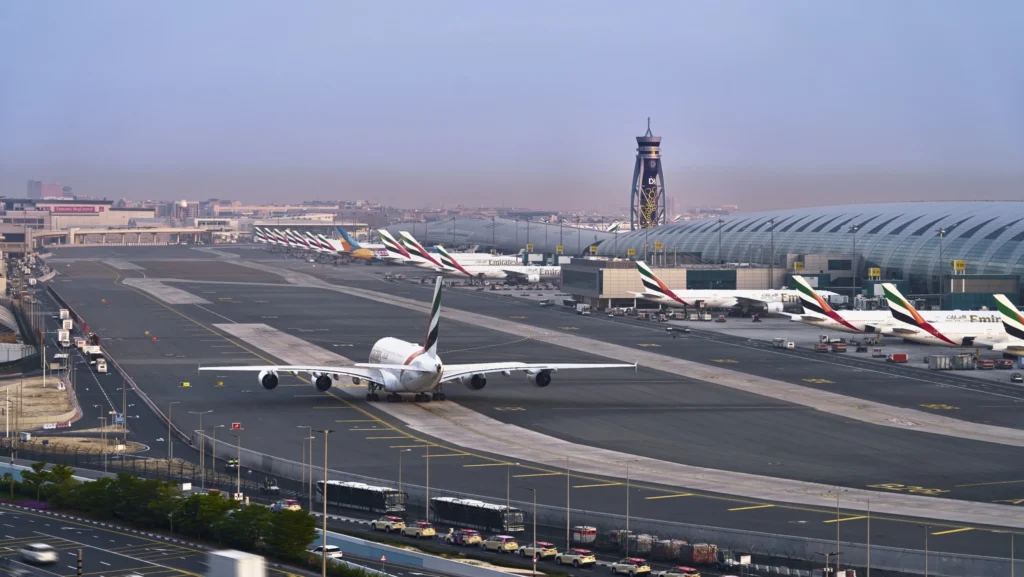
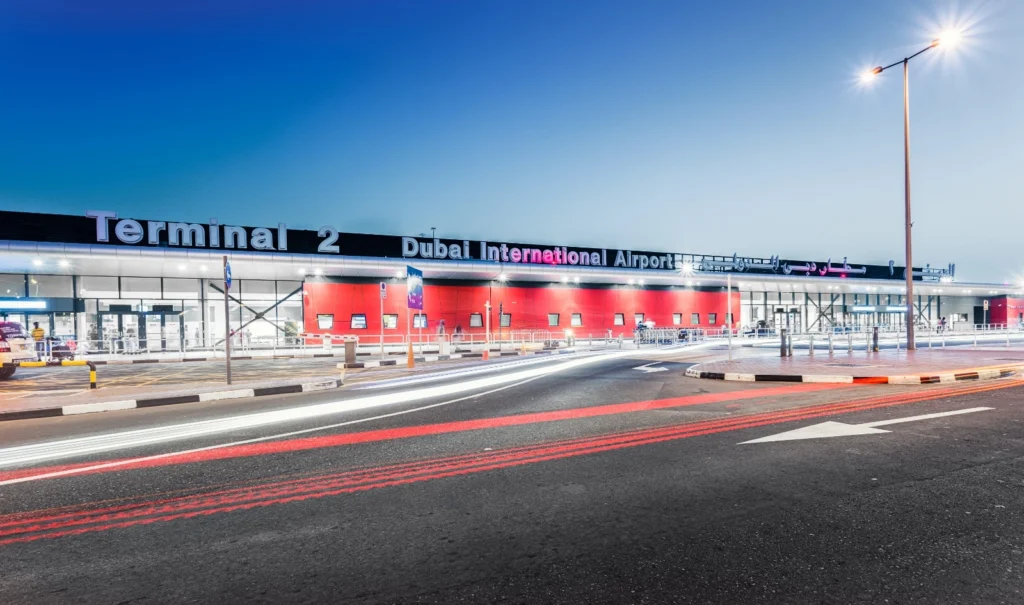
Winner – Dubai International Airport (DXB)
Dubai International Airport once again stands at the top, reinforcing its reputation as one of the world’s most influential aviation hubs.
DXB continues to excel through seamless global connectivity, extensive airline choice, and consistently strong passenger services. Its terminals are designed for scale without losing efficiency, supported by fast transfers, clear wayfinding, and a wide range of lounges catering to all classes of travel.
Retail and dining remain standout features, with global brands sitting comfortably alongside local concepts. Ground transport is equally polished, with direct metro access, well-organised taxis, and strong links to Dubai’s hotel districts.
Even as traffic levels remain among the highest worldwide, DXB’s ability to maintain reliability, service quality, and overall passenger satisfaction sets it apart in 2025.
2025 Leading Airport Nominees
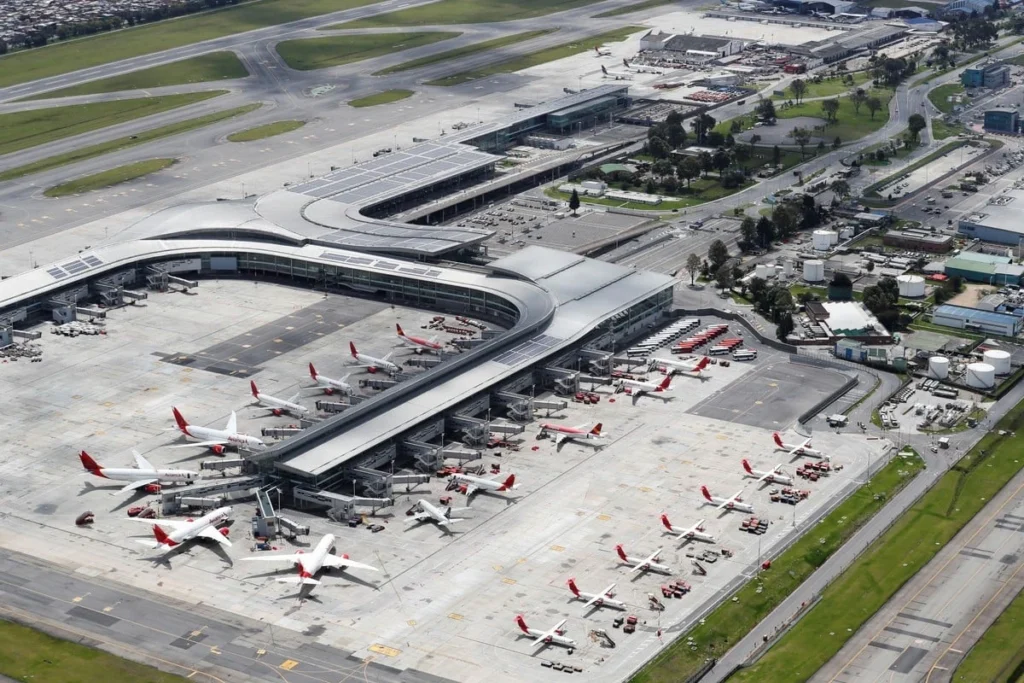
El Dorado International Airport – Bogotá
El Dorado has grown into one of Latin America’s most efficient hubs, praised for its clean terminals, smooth passenger flow, and strong domestic and international connections.
Ongoing improvements to facilities and retail offerings have elevated the experience, while its central location makes it a strategic gateway for the region.

Auckland Airport
Auckland blends functionality with a relaxed atmosphere, reflecting New Zealand’s travel culture. The airport is known for friendly service, easy navigation, and improving long-haul connectivity.
Investments in terminal upgrades and sustainability initiatives have strengthened its international standing.

Berlin Brandenburg Willy Brandt Airport
Berlin Brandenburg has matured into a reliable European gateway, offering modern infrastructure, clear layouts, and improving operational stability. While still evolving, it now provides a far smoother experience than in its early years, particularly for intra-European travel.

Cancun International Airport
Cancún remains one of the busiest leisure airports in the world, handling enormous seasonal volumes with surprising efficiency. Strong resort connectivity, frequent international flights, and improving terminal facilities make it a vital tourism gateway for Mexico.
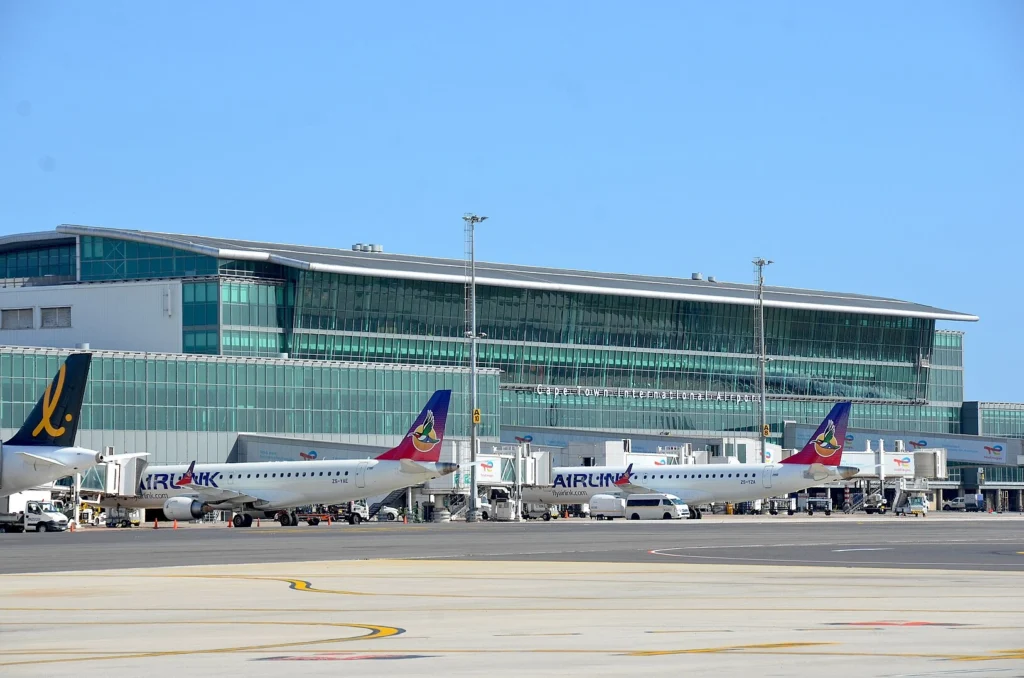
Cape Town International Airport
Cape Town consistently impresses with its cleanliness, intuitive layout, and calm atmosphere. Passenger services are well-managed, security processes are efficient, and transport links to the city centre are reliable, reinforcing its reputation as Africa’s leading leisure airport.

General Juan N. Alvarez International Airport – Acapulco
This airport plays a key role in supporting Acapulco’s tourism revival. While smaller in scale, it offers straightforward processing, convenient access to resorts, and improved passenger amenities, earning recognition for its regional importance.

Hartsfield-Jackson Atlanta International Airport
Atlanta remains the world’s busiest airport by traffic, yet continues to deliver remarkable efficiency. Its extensive domestic network, reliable operations, and strong transport connections make it one of the most functional large hubs globally.
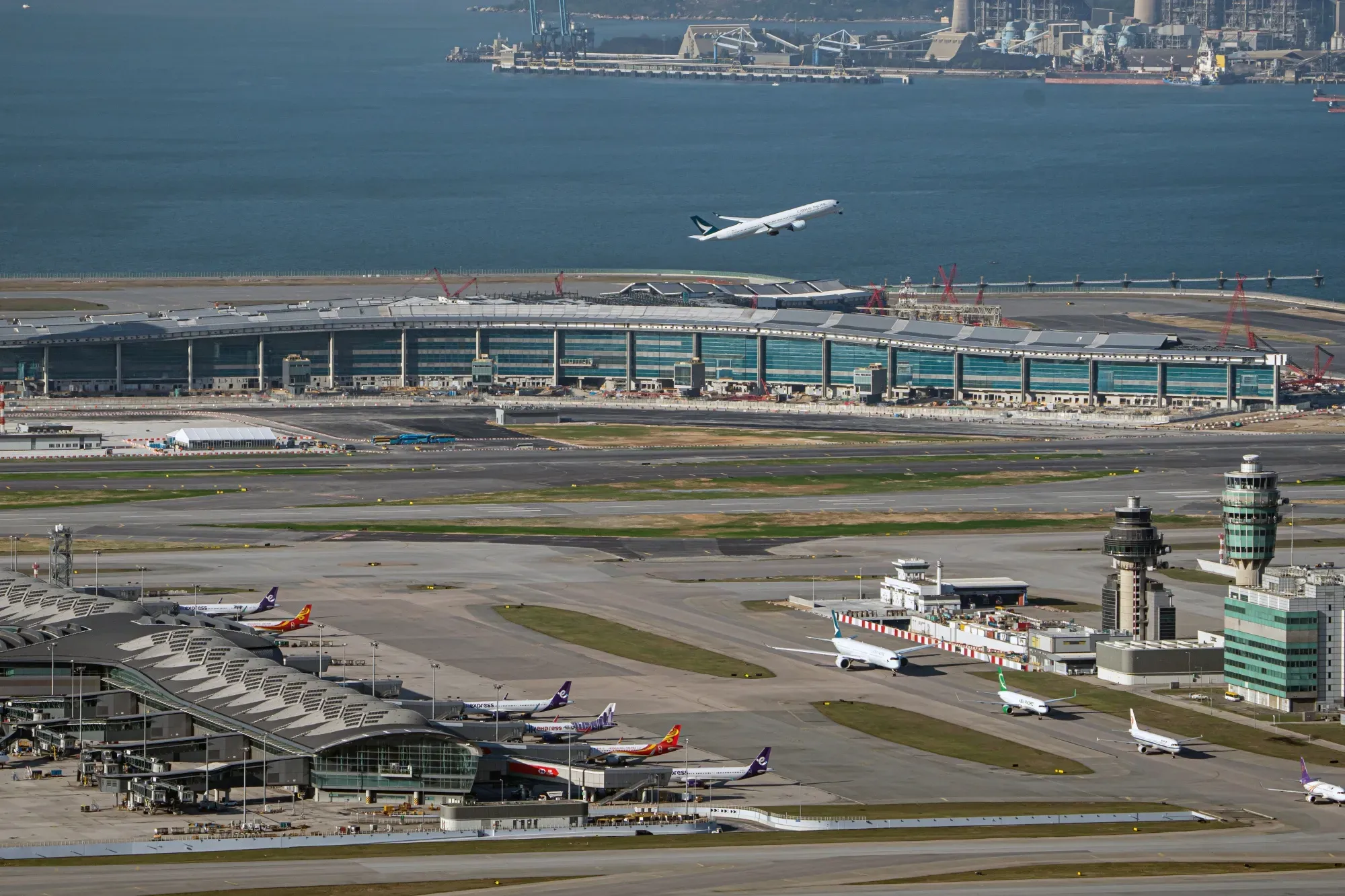
Hong Kong International Airport
Hong Kong International Airport is known for its consistency and precision. Spacious terminals, excellent signage, and efficient transfers support its role as a major Asian gateway, while ongoing expansion projects underline its long-term ambitions.
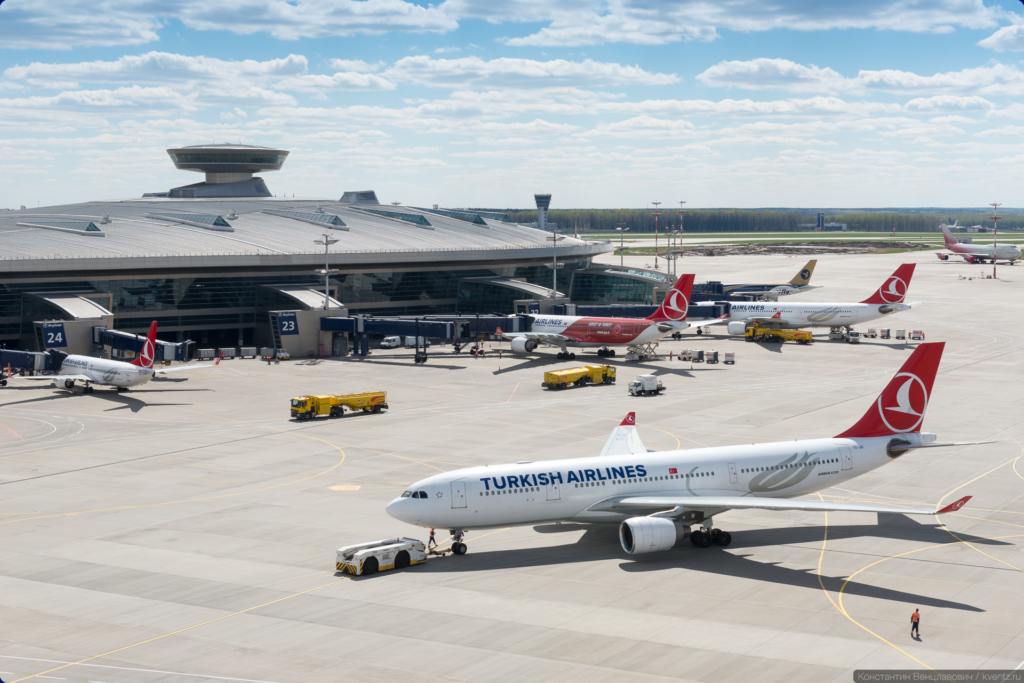
iGA Istanbul Airport
Istanbul’s new airport has quickly established itself as a global hub, combining vast scale with modern design. Its extensive route network, premium lounges, and architectural presence make it one of the most striking airports on the list.
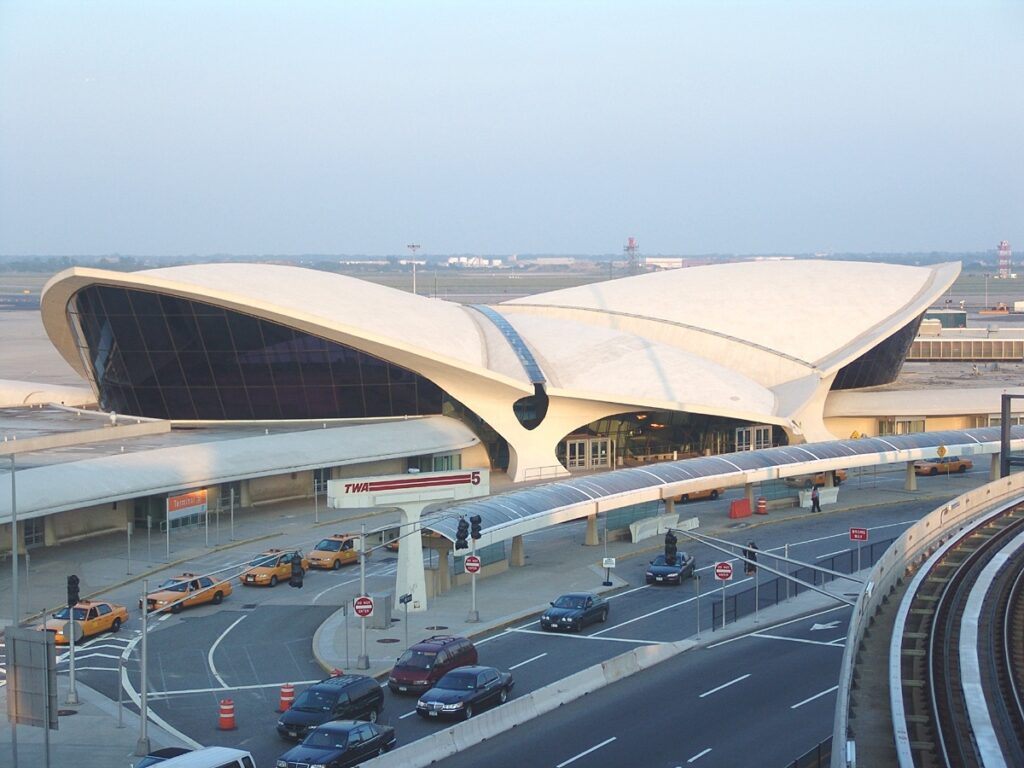
John F. Kennedy International Airport – New York
JFK continues its transformation through terminal redevelopment and improved passenger services. While still complex, the airport’s growing modernisation and global connectivity keep it firmly among the world’s leading gateways.
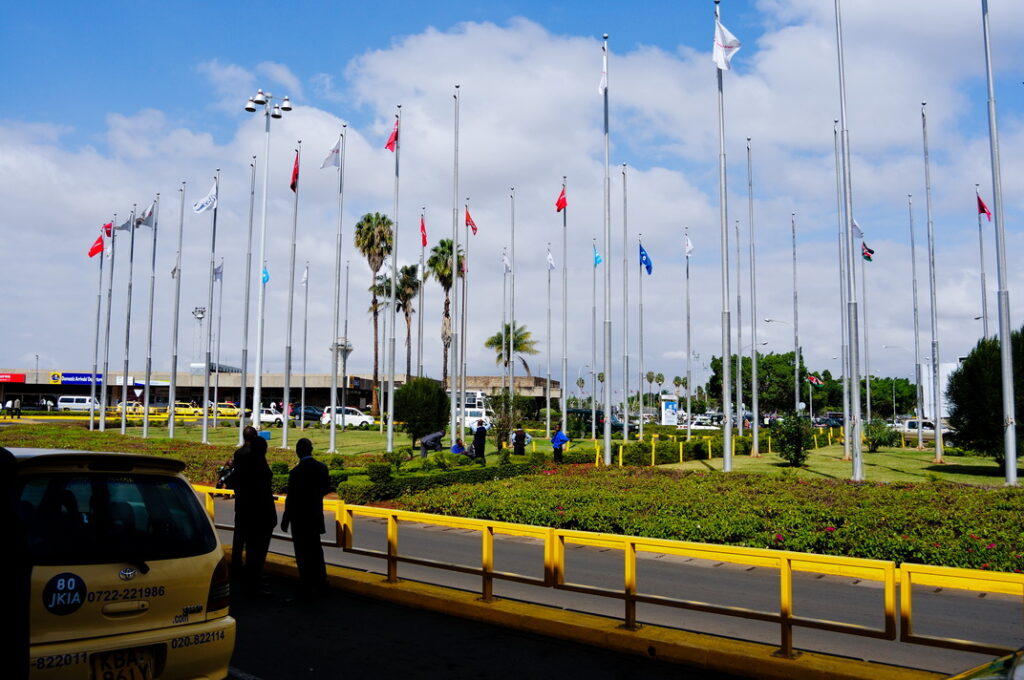
Jomo Kenyatta International Airport – Nairobi
Nairobi’s main airport plays a crucial role in East African connectivity. Improvements in terminal facilities, regional connections, and passenger handling have strengthened its standing as a continental hub.

Jorge Chavez International Airport – Lima
Lima has emerged as a reliable South American hub, valued for its efficiency, compact layout, and growing international links. Expansion plans aim to further improve capacity and passenger comfort.
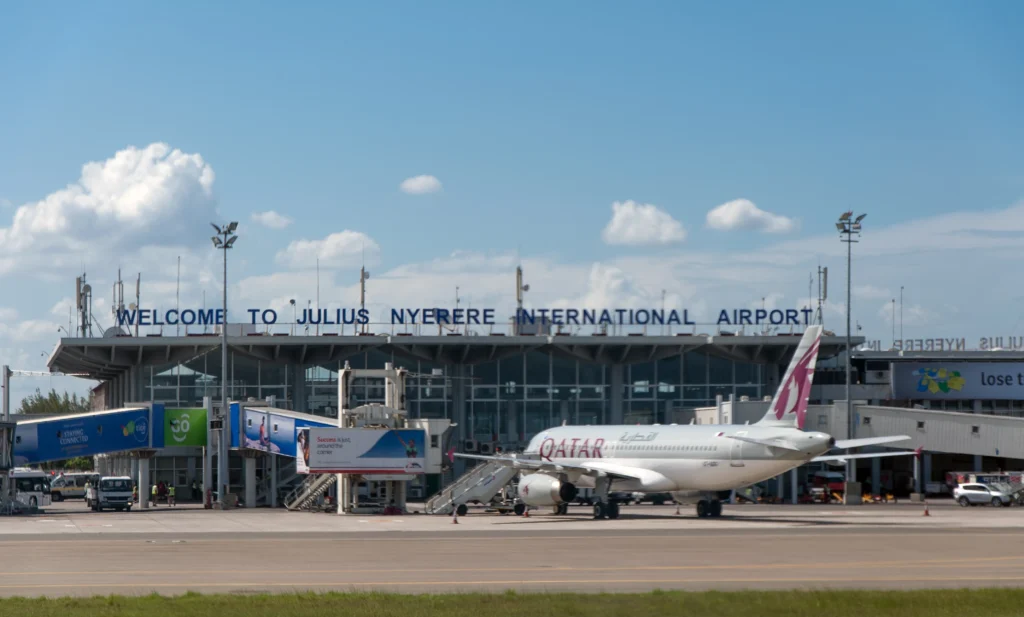
Julius Nyerere International Airport – Dar es Salaam
This airport has seen steady improvements in infrastructure and service quality, supporting Tanzania’s tourism and business travel growth. New terminals have significantly enhanced the passenger experience.

Mariscal Sucre International Airport – Quito
Located high in the Andes, Quito’s airport is widely praised for its modern design, smooth operations, and scenic surroundings. It continues to perform well for both regional and long-haul traffic.
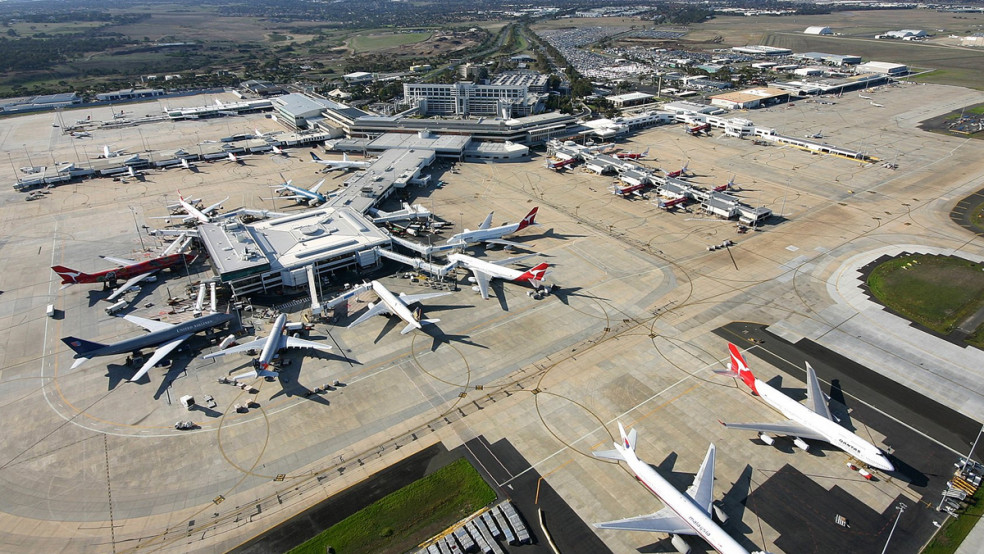
Melbourne Airport
Melbourne balances strong international connectivity with efficient domestic operations. Ongoing terminal upgrades and transport improvements reflect its role as one of Australia’s primary aviation gateways.
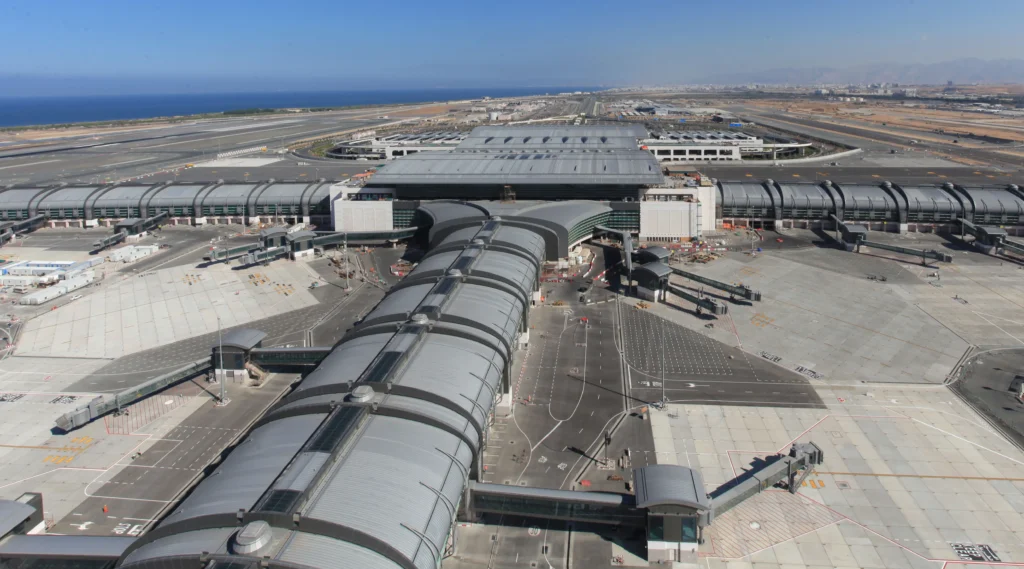
Muscat International Airport
Muscat offers a calm, elegant travel experience that mirrors Omani hospitality. Its modern terminal, efficient processes, and manageable scale make it a favourite among travellers seeking comfort over congestion.
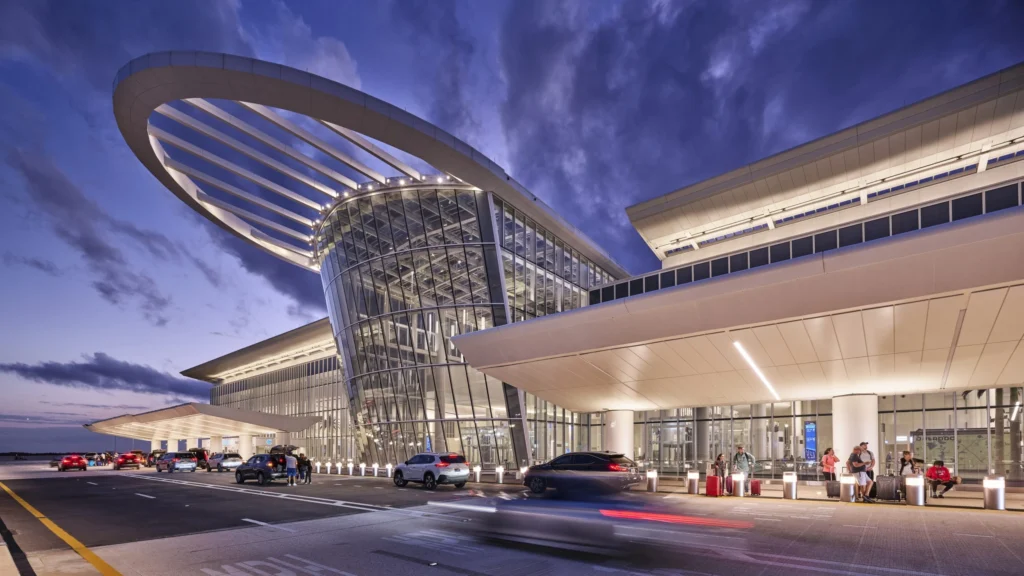
Orlando International Airport
Orlando caters exceptionally well to leisure travellers, particularly families. Clear signage, efficient ground transport, and frequent flight options support its status as a global tourism hub.
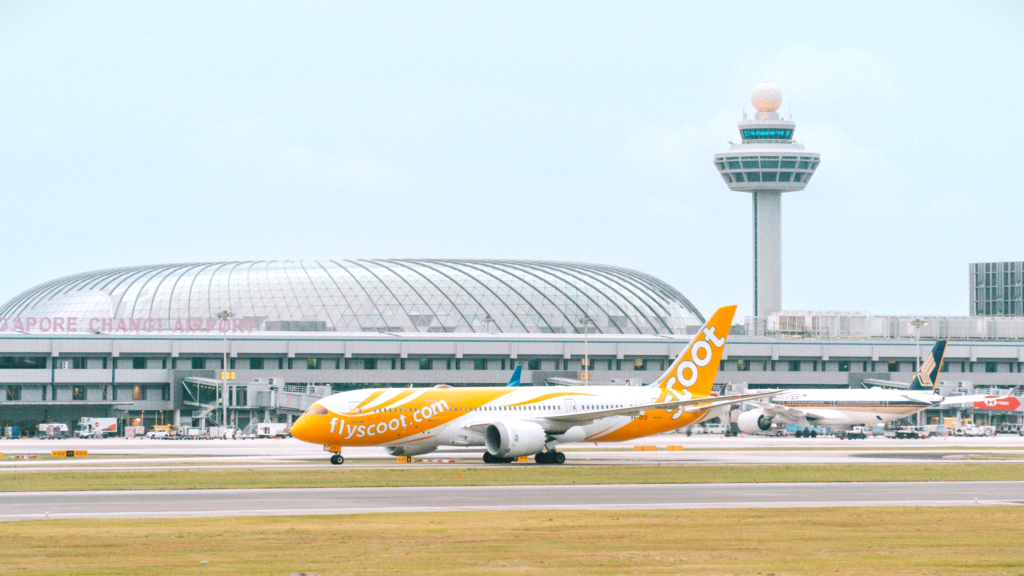
Singapore Changi Airport
Changi remains the global benchmark for airport excellence. From its gardens and lounges to seamless processes and connectivity, it consistently delivers a world-class experience across every touchpoint.
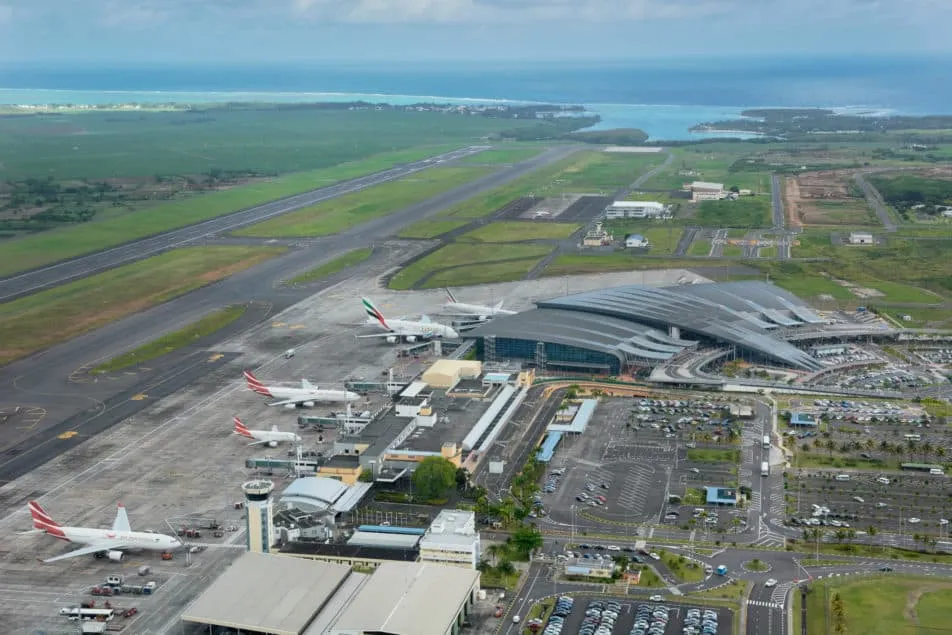
Sir Seewoosagur Ramgoolam International Airport – Mauritius
This airport reflects the island’s premium leisure appeal, offering efficient arrivals, tasteful design, and smooth access to resorts. Its relaxed yet polished atmosphere earns strong passenger approval.
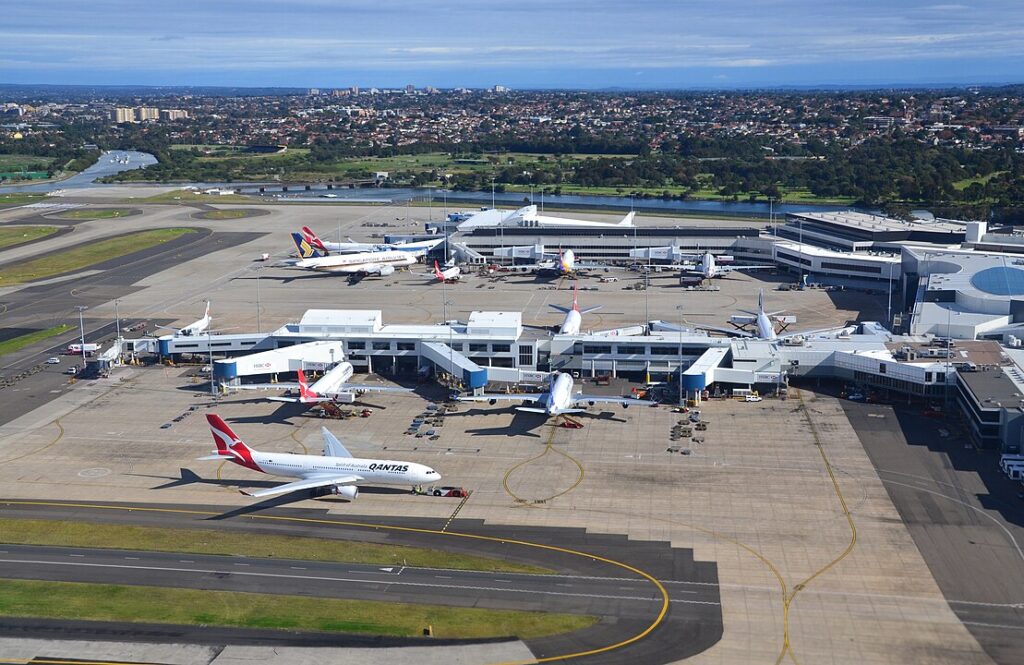
Sydney Airport
Sydney is Australia’s busiest airport, handling large volumes with improving efficiency. Continued investment in terminals and transport links is steadily enhancing the passenger journey.

Vancouver International Airport
Vancouver stands out for its design inspired by local culture, strong transpacific connectivity, and efficient border processing. It consistently ranks among North America’s most passenger-friendly airports.

Zayed International Airport – Abu Dhabi
Abu Dhabi’s new terminal has elevated the airport into a premium global hub. Striking architecture, advanced technology, and close integration with Etihad Airways define its rapid rise.

Zurich Airport
Zurich is admired for precision, cleanliness, and punctuality. Excellent rail links, efficient transfers, and a calm atmosphere make it one of Europe’s most dependable airports.

Bottom Line
The World Travel Awards 2025 Leading Airports list reflects how airports are redefining themselves beyond infrastructure alone. Today’s top airports succeed by combining operational reliability with thoughtful design, strong connectivity, and passenger-focused services.
While Dubai International Airport claims the top honour once again, the nominees demonstrate that excellence can take many forms, whether through scale, innovation, cultural identity, or quiet efficiency. Together, these airports represent the evolving standards of global air travel.
Leading Airports FAQs
Leading airports excel in passenger experience, operational performance, connectivity, facilities, and overall service quality, while adapting to growing travel demand.
Dubai stood out for its unmatched global connectivity, efficient transfers, high service standards, and ability to handle massive passenger volumes without compromising quality.
No. While traffic levels matter, the awards focus more on experience, infrastructure, service delivery, and overall airport performance rather than size alone.
Stay tuned with us. Further, follow us on social media for the latest updates.
Join us on Telegram Group for the Latest Aviation Updates. Subsequently, follow us on Google News
