


ATLANTA- Delta Air Lines (DL) CEO Ed Bastian made headlines after his remarks on the Q1 2026 earnings call suggested that airfares may not fall even if oil prices decline.
His comments sparked criticism, but airline economics experts argue the reaction reflects a misunderstanding of how the industry actually operates.
Airline pricing in the United States is not based solely on fuel costs. With most passengers transported at a loss and profits driven largely by loyalty programs, carriers like DL face structural challenges that make fare reductions far more complex than they appear.

Delta’s Stance on Fares Amid Oil Price Volatility
During the Q1 2026 earnings call, an analyst asked Bastian whether a sharp drop in oil prices could restore Delta’s earlier financial guidance and create meaningful upside for the rest of the year.
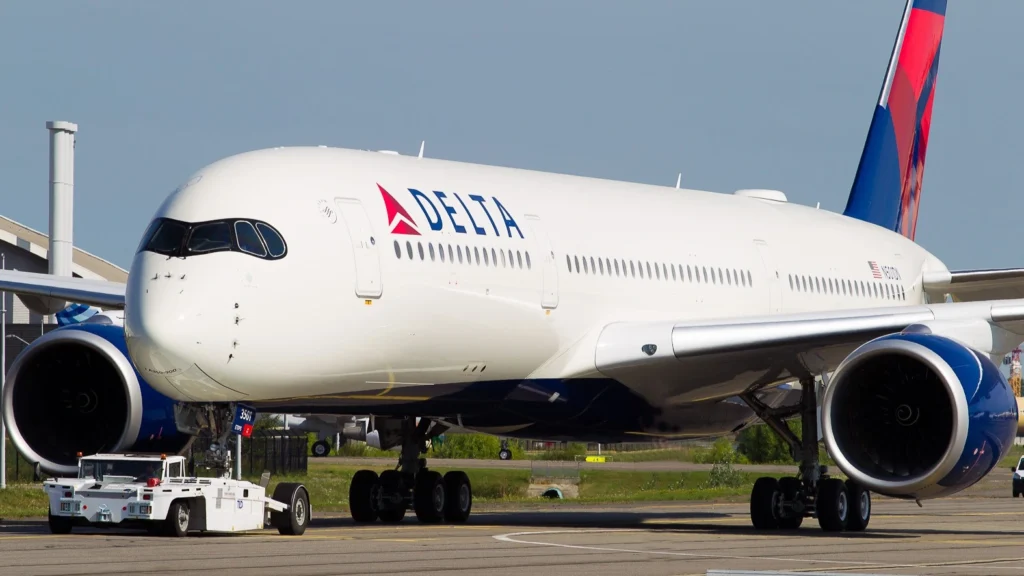
Bastian’s response was candid: the airline hopes to retain the “pricing strength” gained through recent capacity cuts and broader industry consolidation, regardless of where fuel costs settle.
Bastian also signaled his expectation of significant airline industry consolidation ahead, which he believes will benefit DL in the long run.
His remarks were not a pledge to raise fares arbitrarily, but rather an honest acknowledgment that airlines price based on demand and available capacity, not just fuel expenditure.
Why Airline Pricing Works Differently Than Most Industries
Airline revenue management operates on a simple but often misunderstood principle: tickets are priced at what the market will bear, not at the cost of flying each passenger.
In fact, a large share of seats in the U.S. market are filled at fares that do not cover the full cost of the flight. Profitable airlines offset these losses through premium cabin sales and high-margin frequent flyer programs.
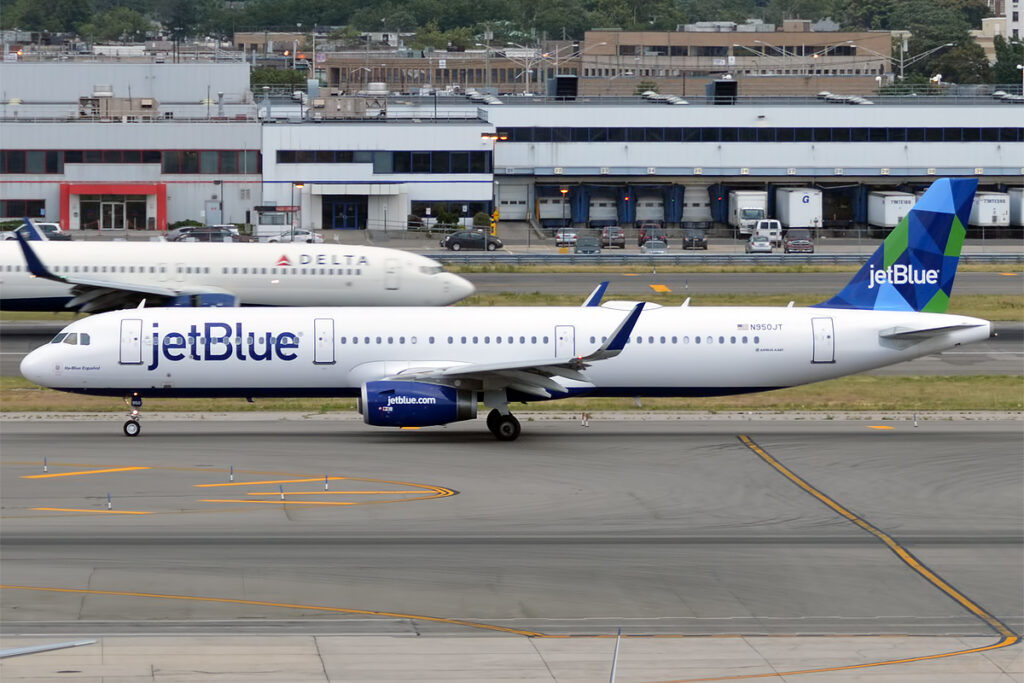
This structure explains why carriers such as JetBlue (B6) have struggled financially for years despite operating flights. It is not mismanagement alone; it is the razor-thin and unforgiving nature of the business.
The Role of Capacity in Setting Fares
The most direct lever airlines have over ticket prices is not fuel surcharges but flight capacity. When airlines reduce their schedules, fewer seats compete for the same pool of travelers, which pushes prices upward.
Conversely, during periods of overcapacity, airlines are forced to sell tickets well below breakeven just to fill planes before departure.
This dynamic means that even if oil prices drop tomorrow, fares will only follow if airlines add capacity back into the market. If carriers choose to keep schedules lean, as DL appears to intend, prices will remain elevated regardless of what happens at the fuel pump.

Bottom Line
Ed Bastian’s comments reflect standard airline revenue strategy, not a scheme to overcharge travelers. Airfare in the U.S. remains among the most affordable in the world on a per-mile basis, with the average Uber ride to the airport sometimes costing as much as a domestic flight.
The focus for Delta and the wider industry is on achieving sustainable profitability, a goal that has proven elusive for decades.
Stay tuned with us. Further, follow us on social media for the latest updates.
Join us on Telegram Group for the Latest Aviation Updates. Subsequently, follow us on Google News
