

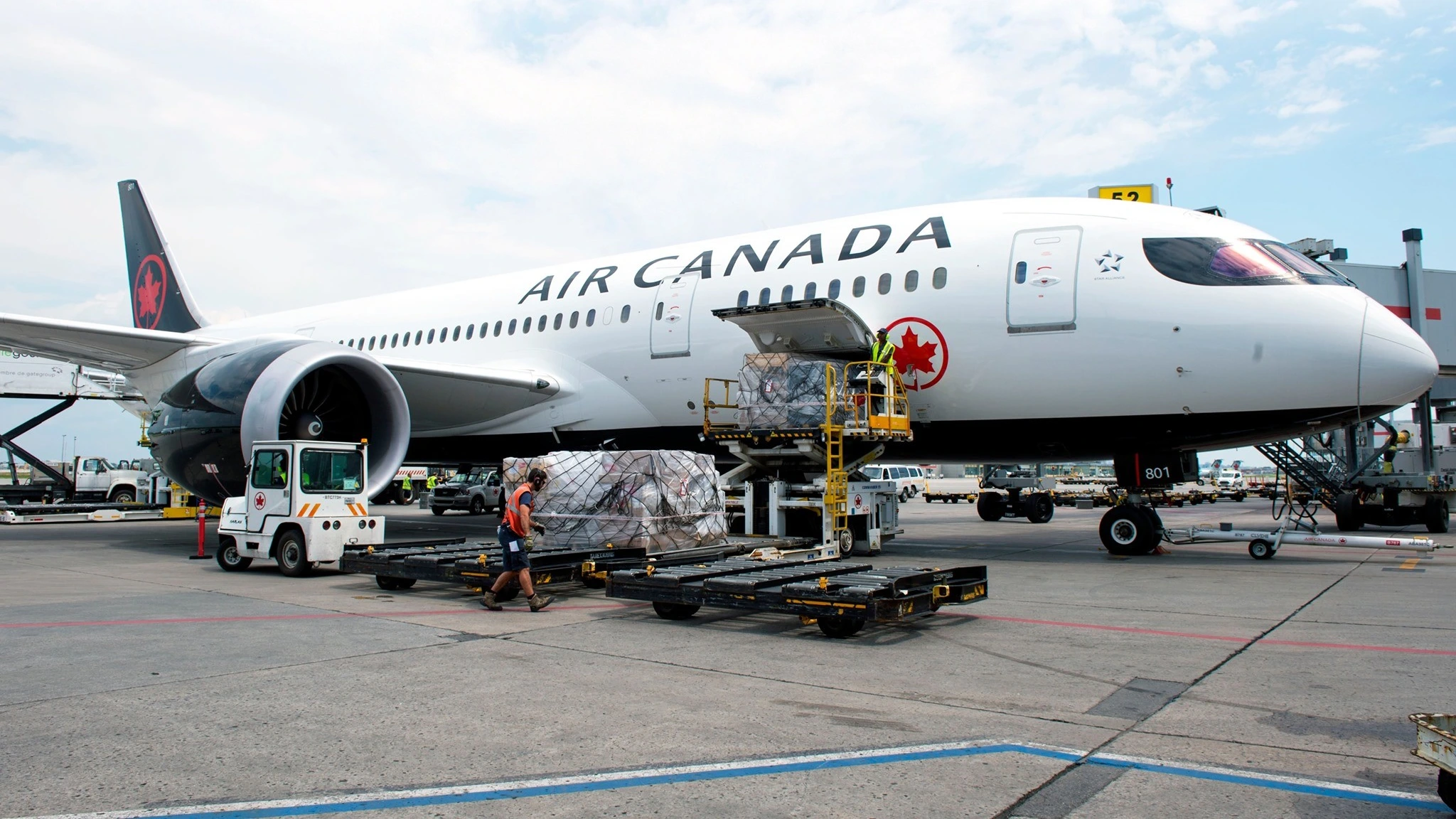
CANADA— Air Canada (AC) has launched a pilot program to accelerate the resolution of long-standing passenger complaints, as frustration grows over delays in the current system. The initiative seeks to ease pressure on regulators while offering travelers a faster path to dispute settlement.
The trial comes as complaints tied to major hubs like Vancouver International Airport (YVR) continue to rise, reflecting broader operational challenges across the aviation sector. With tens of thousands of cases pending, the airline is testing whether independent arbitration can restore efficiency and trust.
Air Canada’s Complaint Backlog
Air Canada is attempting to address a significant backlog of complaints currently handled by the Canadian Transportation Agency.
The queue has expanded rapidly in recent years, with cases often taking up to three years to resolve.
To tackle this issue, the airline will invite 500 randomly selected passengers with pending claims to shift their cases to a third-party arbitrator. This move is voluntary, allowing customers to remain in the existing system if they prefer.
The proposed arbitration process aims to deliver decisions within 90 days after receiving complete documentation.
While rulings will be binding for the airline, passengers can reject outcomes and continue through the traditional regulatory channel without losing their place.
Arbitration Model
The pilot program will be administered by a subsidiary of a U.K.-based dispute resolution organization, reflecting practices commonly used in Europe, CBC reported.
Air Canada has funded the initiative but worked alongside federal transport authorities during its design phase.
This approach is intended to create a faster and more structured resolution framework. The airline believes that adopting international models could lead to improved outcomes for both customers and operators.
Unlike the current system, the arbitration process will not impose strict confidentiality rules. This change may allow passengers to publicly share their experiences, potentially increasing transparency and accountability.
Concerns Put Forth By Passengers and Critics
Despite its potential, the program has drawn mixed reactions from passengers and industry observers. Some travelers welcome efforts to reduce wait times, but others question whether the arbitrator can remain fully independent.
Critics argue that since the airline is funding the process, oversight mechanisms will be essential to maintain fairness.
Industry representatives have emphasized the need for transparent data, including the proportion of cases decided in favor of passengers versus airlines.
Concerns have also emerged regarding the credibility of the arbitration body, with some users pointing to unfavorable public reviews. These doubts highlight the importance of trust in any dispute resolution system.
However, aviation experts suggest the initiative represents a meaningful attempt to modernize complaint handling.
They note that regulatory awareness and involvement could improve the program’s credibility and effectiveness.
Air Canada plans to conclude the pilot by summer and share its findings with government stakeholders. The results could influence future reforms in Canada’s air passenger rights framework.
Stay tuned with us. Further, follow us on social media for the latest updates.
Join us on Telegram Group for the Latest Aviation Updates. Subsequently, follow us on Google News
