

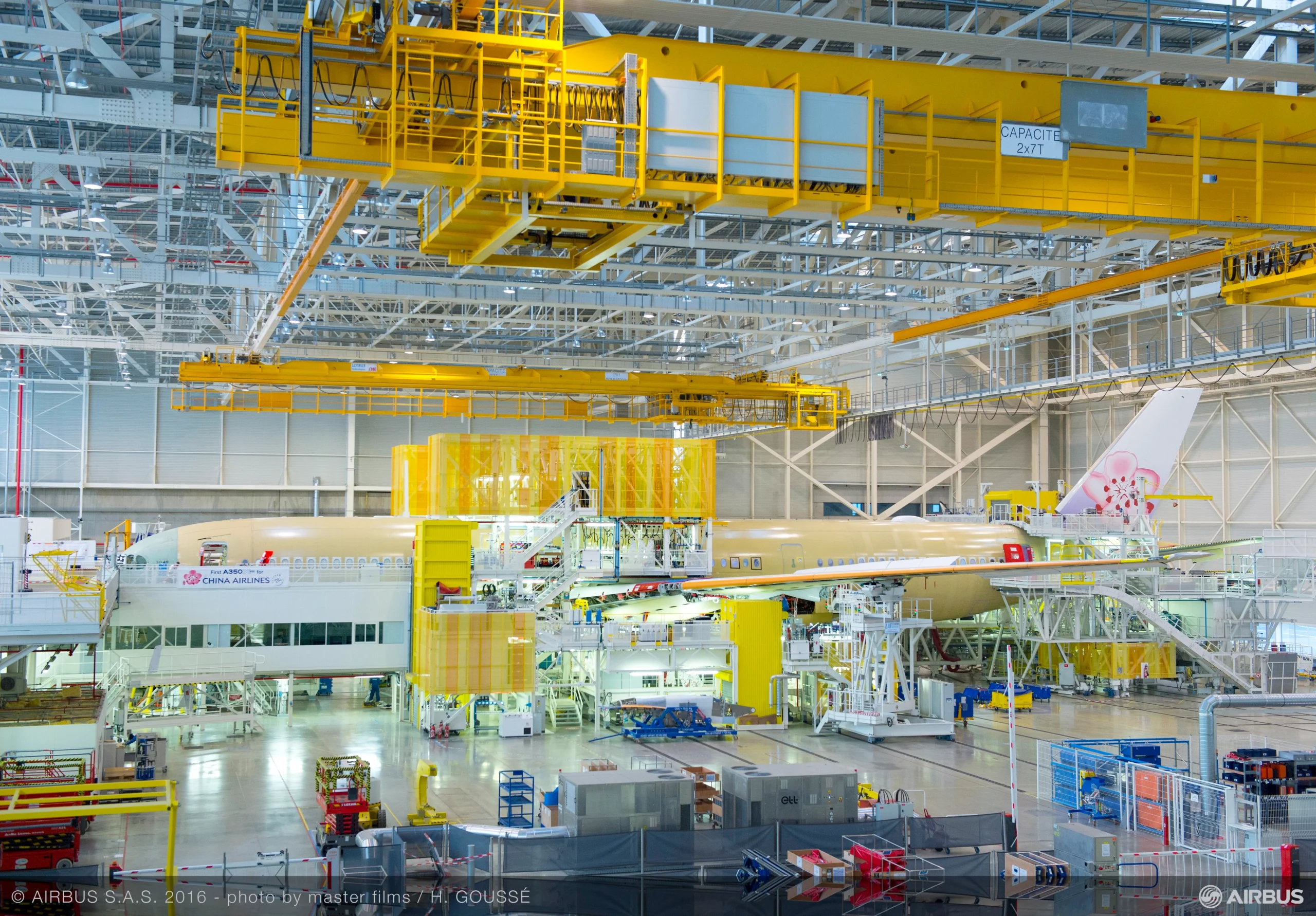
AMSTERDAM- KLM Royal Dutch Airlines (KL) has reached a major milestone in its fleet renewal program as its first Airbus A350-900 (MSN 809) progresses through the Final Assembly Line (FAL) at the Airbus facility in Toulouse (TLS), France.
The first A350-900 is expected to be delivered to KL before the end of summer 2026, with the aircraft already wearing the Dutch flag carrier’s signature livery on its tail.
The Airbus A350 represents a significant step in KL’s commitment to building a cleaner, quieter, and more fuel-efficient long-haul fleet, consuming 25% less fuel and producing a 40% smaller noise footprint compared to older-generation aircraft. This transition is a central pillar of the airline’s broader €7 billion fleet renewal investment planned over the coming years.
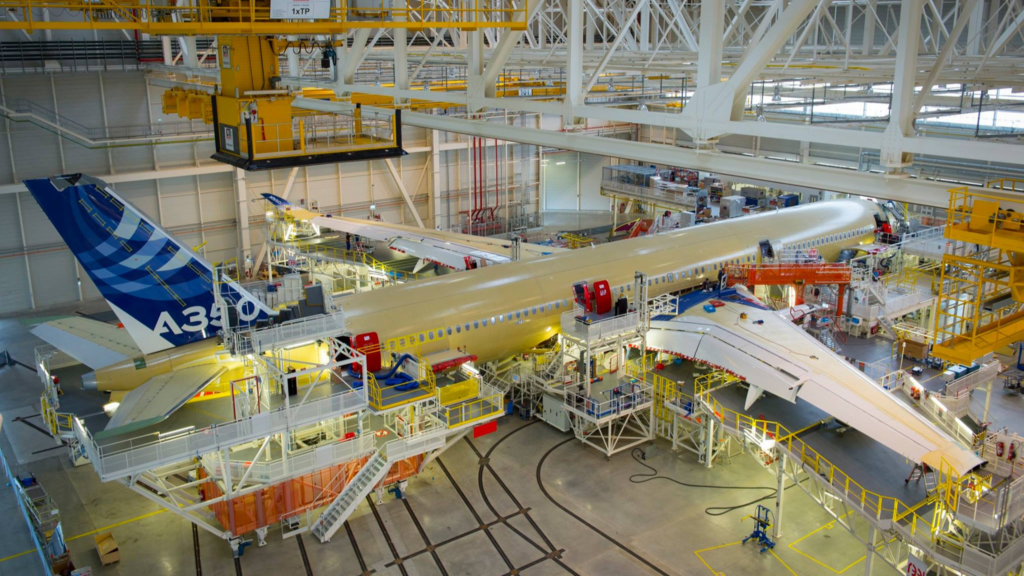
KLM Final Assembly in Toulouse
MSN 809 is powered by two Rolls-Royce Trent XWB-84 engines and has already reached station 40B on the Final Assembly Line, where its wings and landing gear have been attached to the carbon fibre fuselage.
The aircraft’s tail already displays KL’s iconic logo, marking a visible milestone in its assembly journey. The winglets and engines will be installed at a later stage in a separate hangar.
KL invited a select group of Dutch media to the Toulouse facility to observe the assembly process firsthand, offering a detailed look at the aircraft’s progress.
After receiving its full blue paint coat, MSN 809 will undergo a series of tests and customer acceptance flights before formally entering commercial service.
KL has been training its pilots in cooperation with Air France (AF) and Finnair (AY), and welcomed the Netherlands’ first A350-900 flight simulator in October 2025, ensuring crews are ready well ahead of the aircraft’s entry into service, Airways Magazine reported.
Cabin Configuration and Passenger Experience
KL has made deliberate choices to elevate the onboard experience across all travel classes on its A350-900.
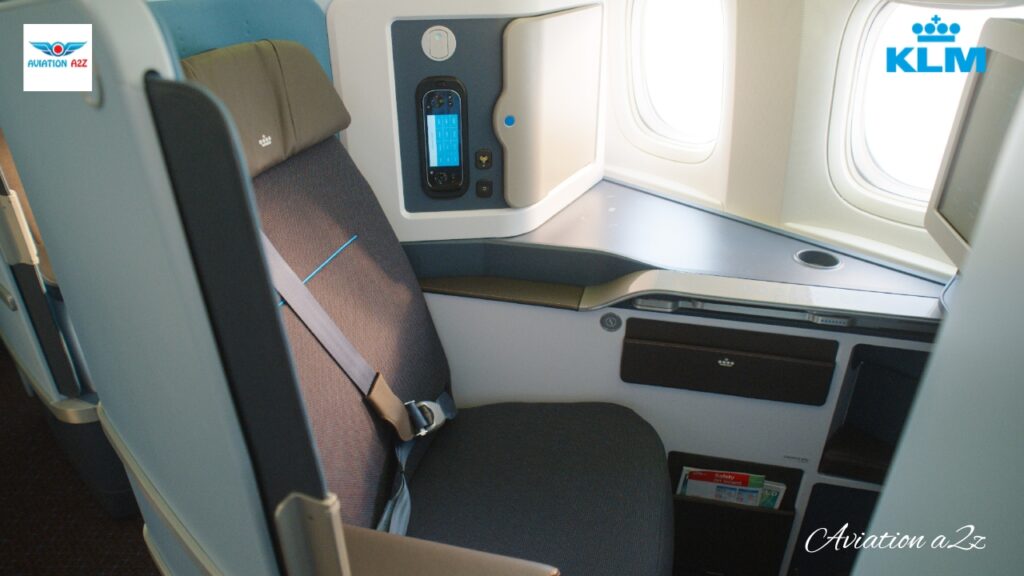
The first aircraft will carry a total of 331 seats, divided across four cabins: 34 in Business Class, 26 in Premium Comfort, 33 in Economy Comfort, and 238 in Economy Class.
Every seat across all cabins will be equipped with USB-C charging ports, Panasonic Astrova in-flight entertainment (IFE) systems, and Viasat satellite connectivity.
KL has also opted to install electronically dimmable windows throughout the aircraft, replacing traditional window shades and improving passenger comfort on long-haul flights.
The A350’s lower cabin altitude, advanced composite structure, and next-generation engines combine to deliver a significantly quieter cabin environment, making it one of the most passenger-friendly widebody aircraft currently in production. Pilots benefit from a fully digital cockpit, which provides new tools for operational efficiency.
Replacing the A330 and Boeing 777-200ER Fleets
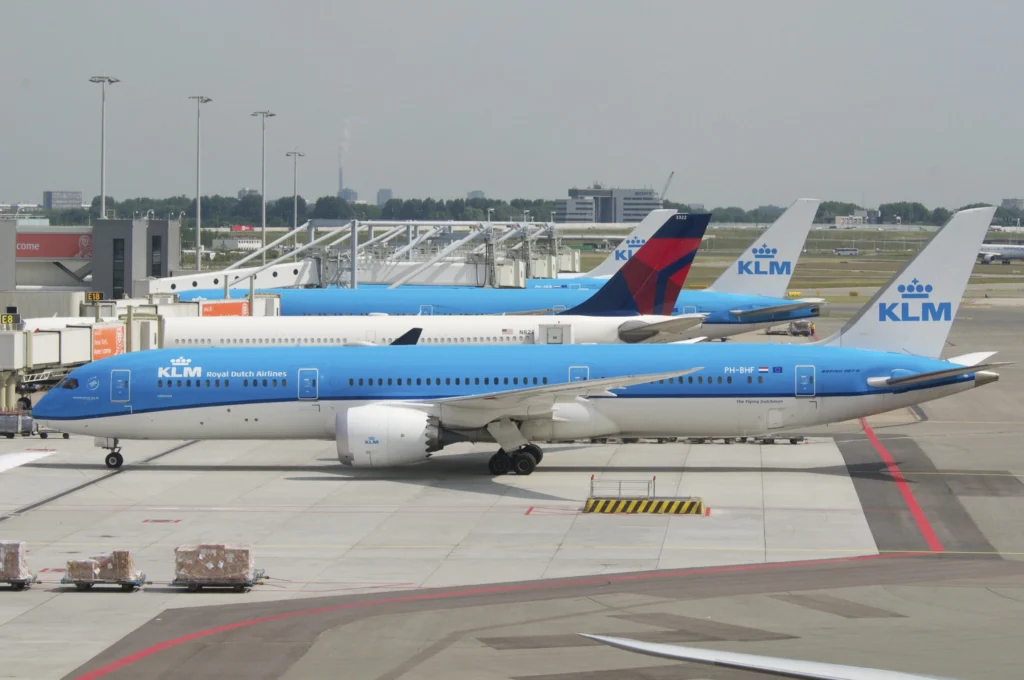
The A350-900 will replace KL’s Airbus A330-200 (with an average age of around 18 years), Airbus A330-300 (around 12 years old), and Boeing 777-200ER aircraft (around 18 years old) on intercontinental routes.
KL’s first A350-900 is expected to operate to Toronto Pearson International Airport (YYZ), likely replacing the Airbus A330 on the non-stop KL695/696 service, as well as Dar es Salaam (DAR). Following MSN 809, two additional A350-900s are scheduled for delivery, with three more units joining the fleet in 2027.
The A350 offers KL more range and operational flexibility than the A330, covering both the A330 network and the Boeing 777-200ER network, while also proving especially suited to routes that avoid Russian airspace due to geopolitical circumstances.
KLM’s €7 Billion Fleet Renewal Program
KL’s A350 order is one component of a comprehensive fleet modernisation program spanning both short-haul and long-haul operations.
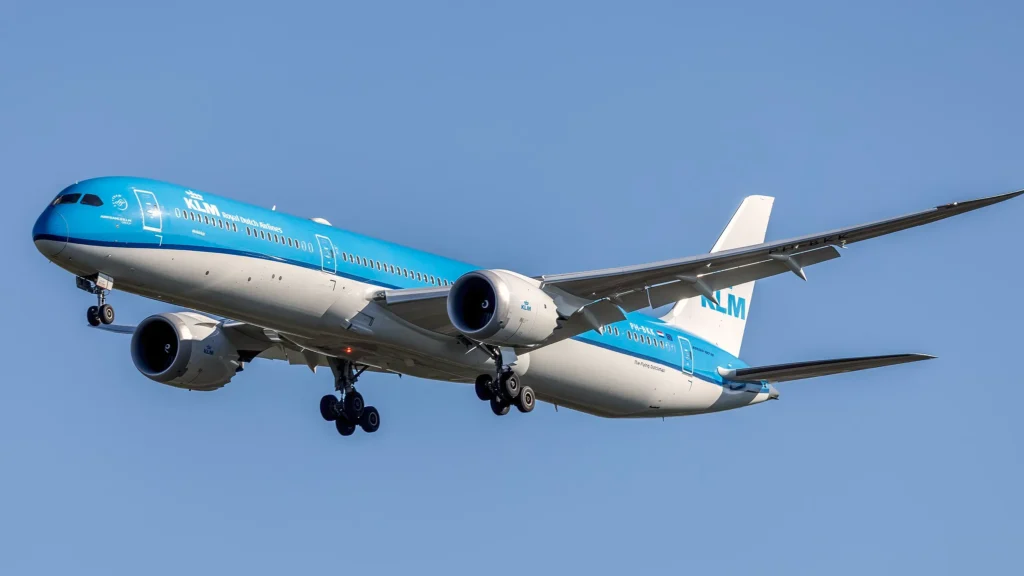
In 2025, the broader KLM fleet renewal saw the entry of three Boeing 787-10s and eight Airbus A321neo aircraft, while KLM Cityhopper continued integrating Embraer E195-E2 jets into its regional operations.
KL’s next-generation fleet currently includes 25 Embraer E195-E2s, 28 Boeing 787s, and 14 Airbus A321neos. With the addition of the A350, the share of next-generation aircraft in KL’s fleet is expected to grow from approximately 40% to around 70% before the end of the decade.
On the cargo side, the Airbus A350F freighter variant is expected to join the Air France-KLM Group’s cargo operations in 2027, replacing the four-engined Boeing 747-400F.
The A350’s composite structure, new-generation engines, and advanced aerodynamics offer double-digit reductions in fuel consumption per seat compared to the aircraft it replaces, along with a significantly smaller noise footprint— a critical factor given Amsterdam Schiphol Airport (AMS) noise regulations.
Stay tuned with us. Further, follow us on social media for the latest updates.
Join us on Telegram Group for the Latest Aviation Updates. Subsequently, follow us on Google News
