


PARIS- Air France (AF) and KLM (KL) have restricted passengers from carrying portable air conditioners as checked or carry-on baggage from Shanghai, citing operational and safety considerations.
The restriction came to attention after a notice at Shanghai airport stated that “Air France-KLM does not accept portable air conditioners as checked or carry-on baggage.”
The notice quickly became a talking point on RedNote as Europe faces another summer of intense heatwaves and rising demand for cooling equipment.
Air France-KLM customer service confirmed to the Global Times on Monday that the restriction was in place, saying passengers’ baggage must comply with applicable rules and requirements established for operational and safety reasons.
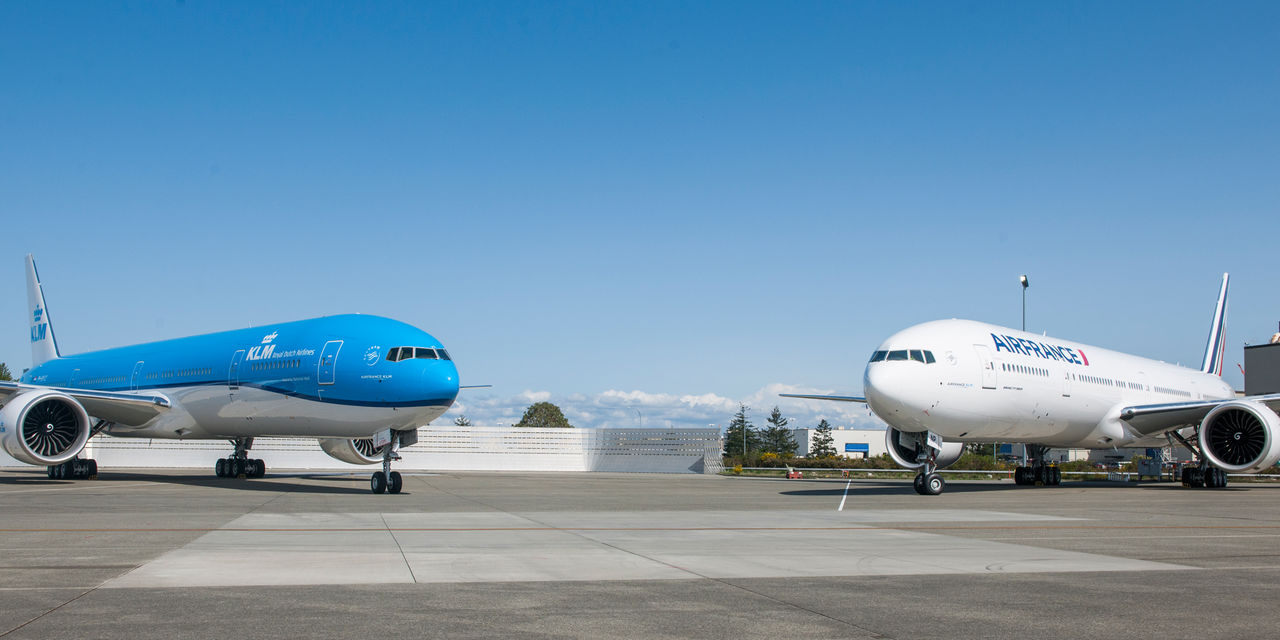
Air France KLM Shanghai Baggage Restriction
The restriction has attracted particular attention because of the growing demand for portable air conditioners in Europe.
Air-conditioning ownership remains relatively low across many European markets, while prolonged periods of extreme heat have increased demand for cooling appliances and made some models difficult to obtain.
The RedNote post prompted other travelers to share their experiences. One user said they had bought six small fans as gifts for relatives in Germany, joking that air conditioners were now “out of the question” but adding that the heatwave appeared to be easing.
The discussion also revived a July case involving a Chinese employee in Shanghai who helped a French colleague transport a portable air conditioner to Europe.
The employee reportedly selected a compact model using non-flammable R410A refrigerant, with a 350-gram refrigerant charge and no lithium battery.
Why Air Conditioners Face Limits
According to the account, the traveler checked ICAO technical instructions and IATA dangerous goods regulations before determining that the particular unit could potentially travel as regular baggage.
With sufficient baggage allowance, the passenger reportedly paid only for additional packaging services.
The total cost was 1,412 yuan ($209.26), including 1,260 yuan for the air conditioner, 130 yuan for airport packaging and 22 yuan for a high-power European adapter. The passenger reportedly arrived in Barcelona with the appliance successfully transported.
However, the case does not mean all portable air conditioners qualify for passenger baggage. Refrigerant type, battery configuration, dimensions, weight and airline-specific policies can all affect whether an appliance is accepted.
Portable air conditioners containing lithium batteries face particularly strict restrictions, while baggage must also remain within applicable weight and size limits.
Airlines commonly impose maximum individual baggage weights of 23 or 32 kilograms, while total dimensions may be limited to 158 centimeters.
Europe’s Cooling Demand
The unusual baggage debate comes as Europe’s demand for cooling equipment accelerates.
From April through June 2026, China-Europe freight trains transported more than 100,000 portable air conditioners and key components from southern China to Europe, with the shipments valued at about $52 million.
Chinese customs data also showed that air-conditioner exports to the European Union reached $3.76 billion in the first half of 2026, up 43.2% year over year, while June exports surged 72.8%, Global Times flagged.
The contrast highlights the difference between commercial freight and passenger baggage. While rail networks can move large quantities of cooling equipment across Europe, airlines must assess individual appliances against baggage, dangerous-goods and operational requirements.
For passengers, the Shanghai notice serves as a reminder that even appliances that appear suitable for transport may face airline-specific restrictions.
Checking directly with the carrier before arriving at the airport remains essential, particularly when an appliance contains refrigerant or a battery.
Stay tuned with us. Further, follow us on social media for the latest updates.
Join us on Telegram Group for the Latest Aviation Updates. Subsequently, follow us on Google News
