


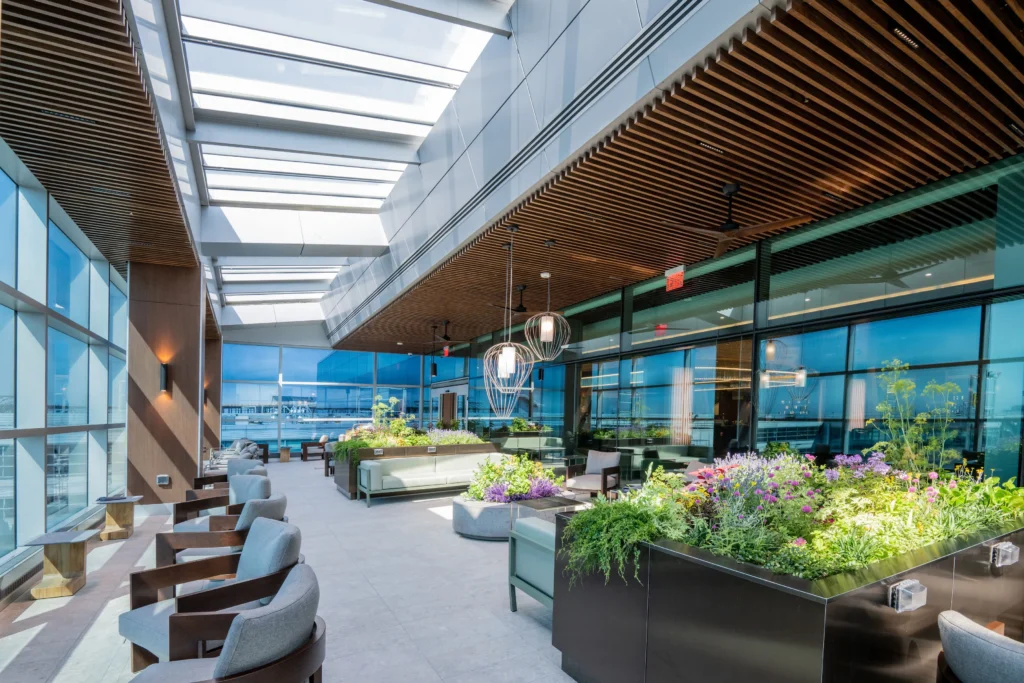
NEW YORK- Delta Air Lines (DL) has introduced a no-bag policy in the dining area of its Delta One business class lounge at New York John F. Kennedy International Airport (JFK), citing a recent security incident. The move has drawn attention from passengers and raised questions about what exactly occurred.
Separately, a tipping prompt has surfaced in the lounge when passengers use SkyMiles to upgrade beverages, creating discomfort among travelers who expect a seamless, all-inclusive premium experience.
Delta One JFK Lounge Bag Ban and Tipping
Staff at the Delta One lounge at New York JFK are now requiring guests to check their bags with a tag before entering the dining area, referencing a “very serious incident” without providing further detail. Small bags appear to still be permitted, suggesting the restriction targets larger luggage.
Passenger speculation has centered on a missing steak knife. Port Authority regulations at JFK prohibit knives of any kind beyond the security checkpoint, with the exception of rounded butter knives and plastic utensils.
Kitchen knives in airport lounges are tightly controlled and subject to regular audits, including knife-by-knife reconciliation procedures. A missing blade in this environment would constitute a genuine security concern.
Delta has not issued a public statement explaining the policy. Some observers suggest overcrowding in the dining area may also be a contributing factor, as the lounge frequently reaches full capacity during peak travel hours, ViewfromtheWing reported.
What Changed and Why It Matters
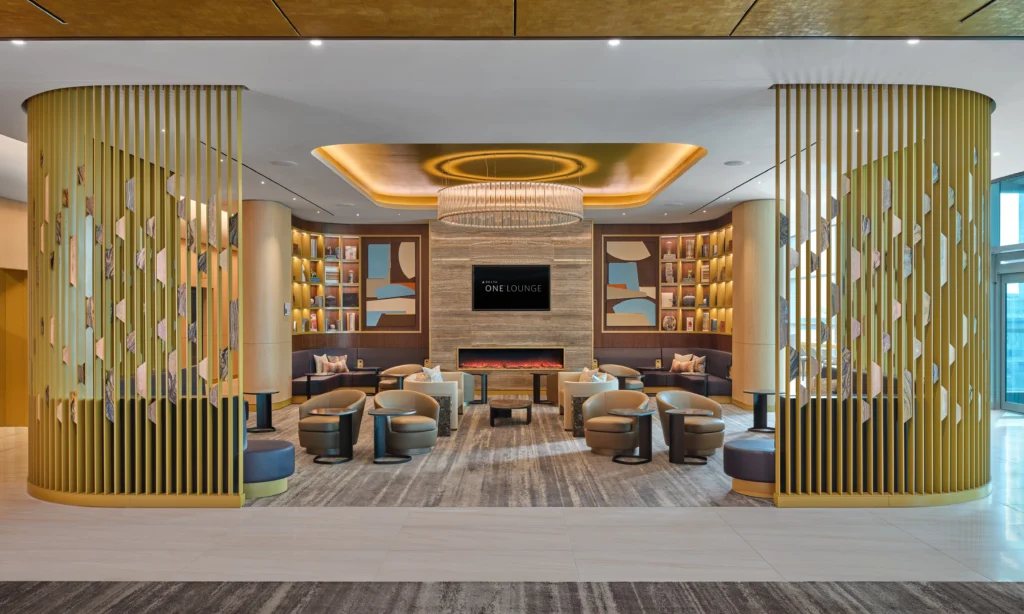
The Delta One lounge at JFK has historically not prompted guests for gratuity. That changed recently when a tip screen began appearing during miles-based transactions for premium beverage upgrades.
Guests who choose the complimentary drink selection do not encounter the prompt, but those who pay in SkyMiles to access better wine, champagne, or spirits are now presented with a tipping option.
One passenger reported tipping 2,500 miles after a staff member made sustained eye contact with the tip screen, describing the interaction as uncomfortable.
The situation was made more confusing by a bartender incorrectly telling guests that Delta keeps all tips paid in miles. This claim is false. Tips paid in miles go to the staff, though Delta does not publicly disclose the conversion rate applied.
It is also worth noting that most lounge staff at Delta facilities are employed by third-party contractors, not directly by Delta Air Lines.
Why Lounge Tipping Conflicts With Premium Travel Expectations
Delta markets the Delta One lounge as offering world-class dining and elevated service, positioning it as a best-in-class ground experience for same-day long-haul business class travelers. Given that framing, the expectation of additional gratuity strikes many passengers as inconsistent with the product’s promise.
Delta (DL) does not permit flight attendants to accept tips in the cabin. If the lounge is positioned as an extension of the business class experience, applying different tipping norms on the ground creates an obvious contradiction.
American Airlines (AA) has explicitly stated that its Flagship First Dining operates under the same no-tipping principle as the cabin.
The financial logic behind the practice is straightforward. When customers cover staff gratuity, the on-site contractor can reduce base wages, charge the airline less, and shift labor costs onto passengers.
The result is a premium product that quietly offloads part of its operating cost to the very customers it is meant to impress.
Tipping in a lounge setting introduces pressure, inconsistency, and transactional friction into an environment designed to feel effortless. Some guests tip generously, others do not tip at all, and staff inevitably take notice. That dynamic runs directly counter to the seamless experience Delta promotes.
Stay tuned with us. Further, follow us on social media for the latest updates.
Join us on Telegram Group for the Latest Aviation Updates. Subsequently, follow us on Google News
