

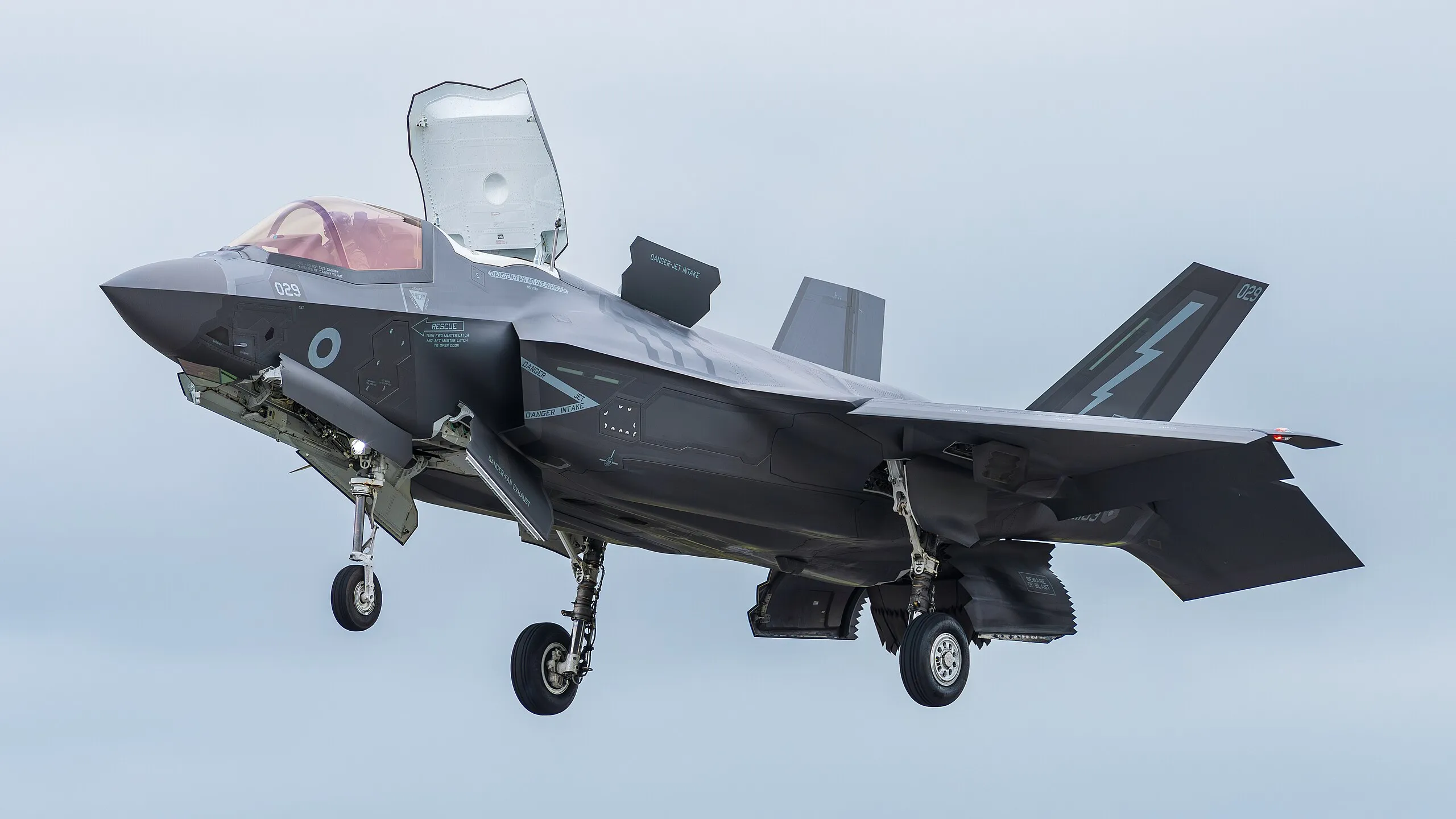
LONDON- The United Kingdom has completed the delivery of its initial fleet of Lockheed Martin F-35B fighter jets, marking a key milestone in its fifth-generation airpower program. The final aircraft from the first 48-unit order was formally accepted on March 27, 2026, by the Defence Equipment & Support agency.
The aircraft operate jointly under the Royal Air Force and Royal Navy from RAF Marham, Norfolk, while forward deployments include RAF Akrotiri in Cyprus.
The milestone comes as the UK continues to define its long-term procurement roadmap and future fleet mix under an anticipated defence investment strategy.
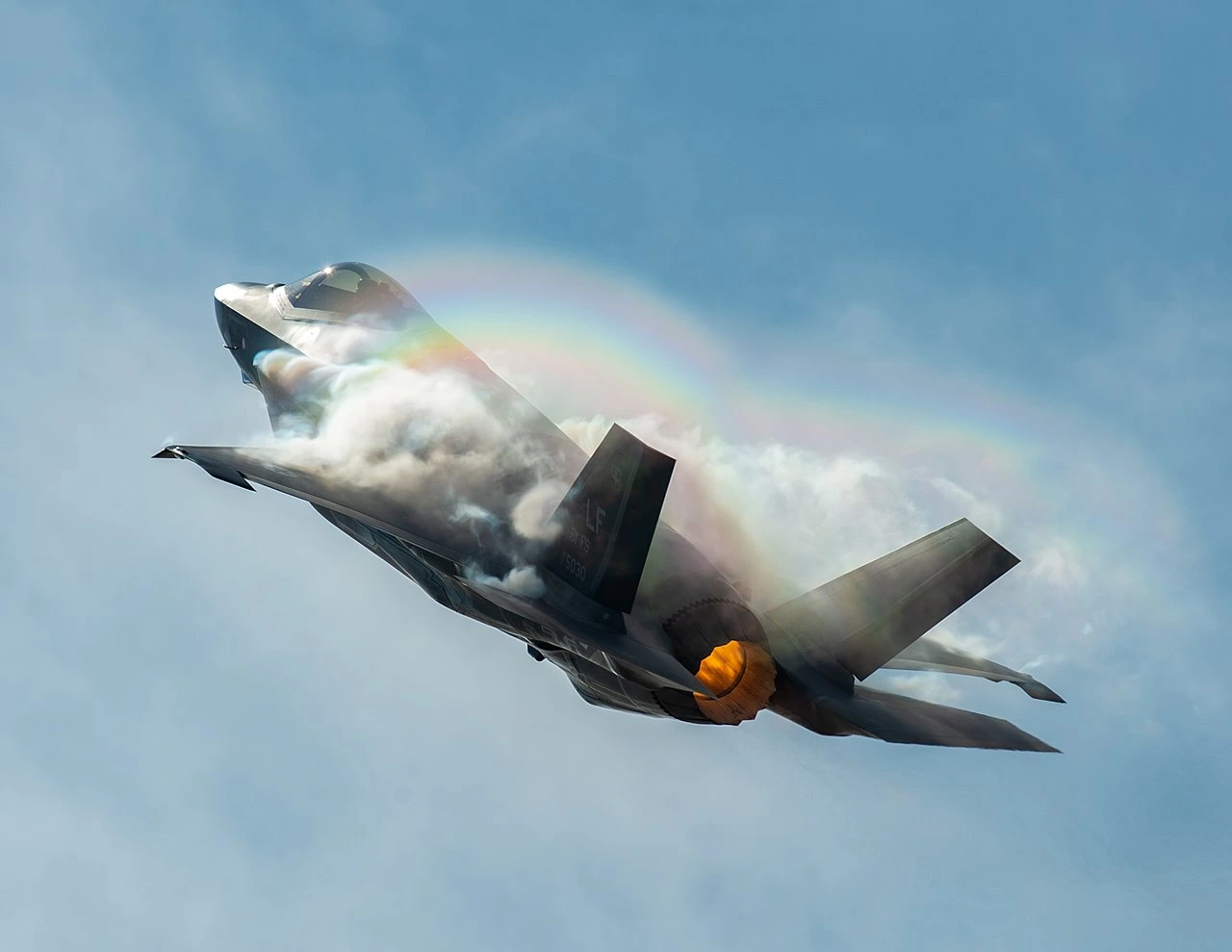
UK Last F-35 Delivery
The UK now holds 47 operational F-35B jets, following the earlier loss of one aircraft during a carrier take-off incident in 2021.
This delivery completes the first tranche of the UK’s broader commitment to acquire advanced stealth fighters under its partnership in the global F-35 program.
Recent deliveries include jets upgraded to the Technical Refresh 3 configuration, which introduces improved computing power and enhanced mission systems. However, this standard has not yet received full operational clearance for combat deployment, which may affect near-term mission planning.
The F-35B variant remains central to the UK’s carrier strike capability, as it supports short take-off and vertical landing operations from aircraft carriers.
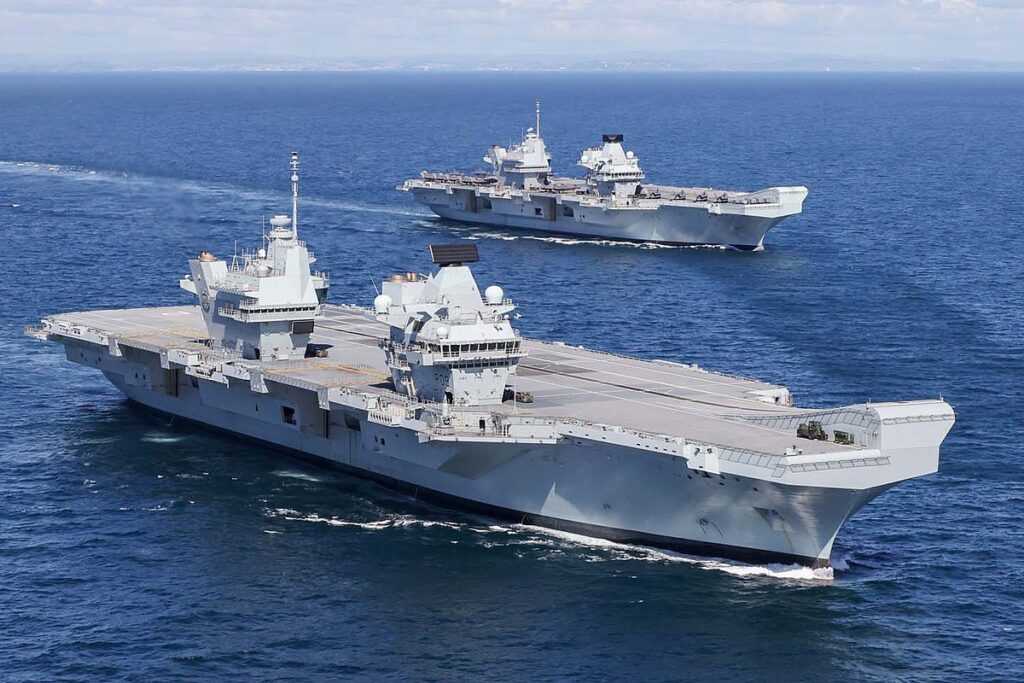
These jets operate regularly from HMS Queen Elizabeth and HMS Prince of Wales, forming the backbone of British naval aviation.
UK’s Future Purchase Plans
The UK’s long-term plan includes acquiring up to 138 F-35 aircraft, although the exact timeline and structure remain unclear. Officials are expected to outline detailed procurement and funding strategies in the delayed Defence Investment Plan, which will define spending priorities over the next decade.
According to Flight Global, a notable shift in strategy emerged in the 2025 Strategic Defence Review, where the Ministry of Defence confirmed plans to procure 12 F-35A variants.
These conventional take-off aircraft will support NATO’s nuclear deterrence mission, restoring a capability not held by the RAF in recent years.
This adjustment also reshapes the second batch order, reducing the number of F-35Bs from 27 to 15. The inclusion of F-35As introduces greater flexibility but reflects evolving defence priorities and alliance commitments.
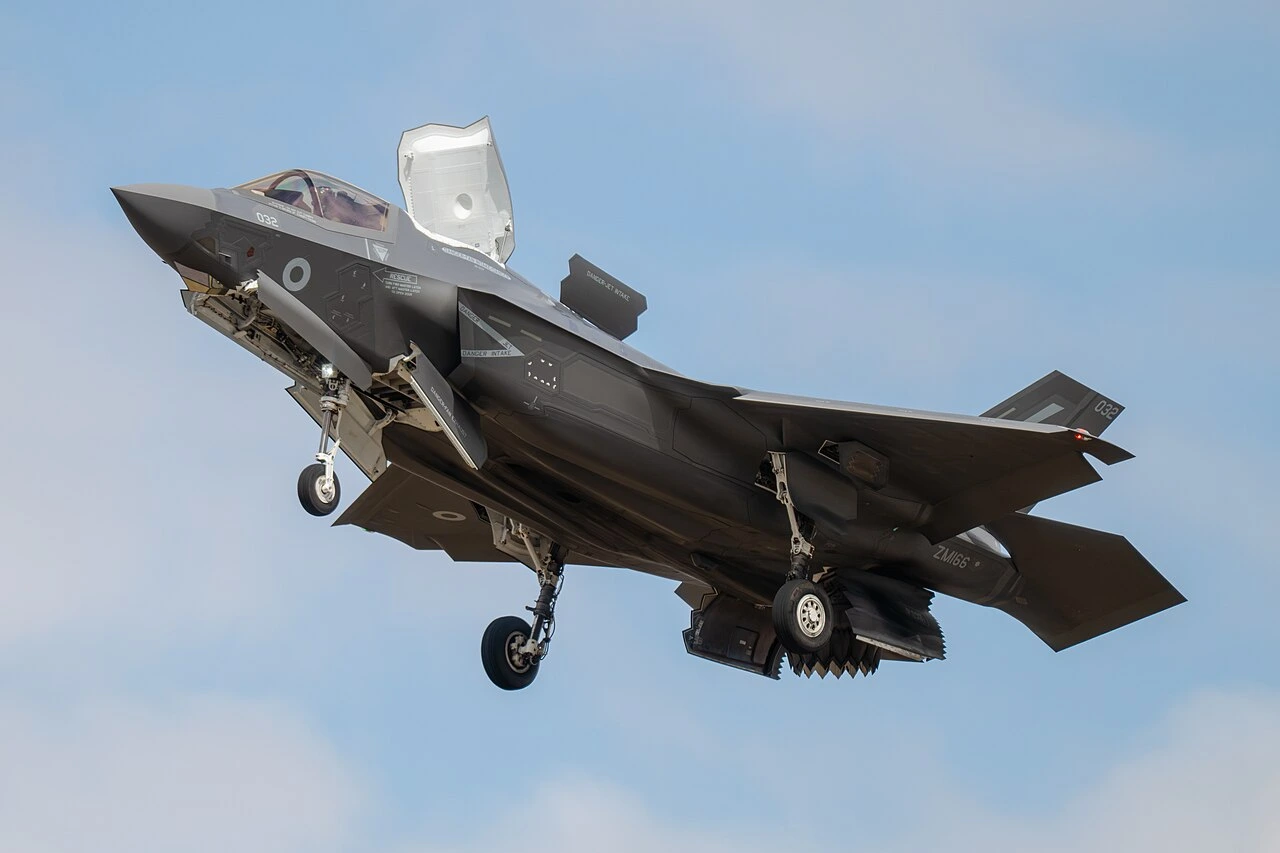
https://commons.wikimedia.org/wiki/File:Royal_Air_Force_Lockheed_Martin_F-35B_Lightning_II_ZM166_032_Royal_International_Air_Tattoo_2025_01.jpg
Operational Deployments of the UK’s F-35B
UK F-35Bs continue to play an active role in overseas operations, particularly in the Middle East. Aircraft from 617 Squadron are currently deployed at RAF Akrotiri (AKT), where they contribute to regional air defence and coalition missions.
These operations span multiple regions, including the eastern Mediterranean and parts of the Gulf. The aircraft have conducted defensive patrols and, notably, have engaged hostile one-way attack drones, marking their first recorded air-to-air combat actions.
The deployment underscores the growing operational maturity of the UK’s F-35 fleet. It also highlights the platform’s role in modern warfare, where stealth, sensor fusion, and networked operations are increasingly critical.
As the UK transitions beyond its initial acquisition phase, attention now turns to capability integration, fleet expansion, and strategic alignment with NATO objectives. The next phase of procurement will shape the future of British air power.
Stay tuned with us. Further, follow us on social media for the latest updates.
Join us on Telegram Group for the Latest Aviation Updates. Subsequently, follow us on Google News
