

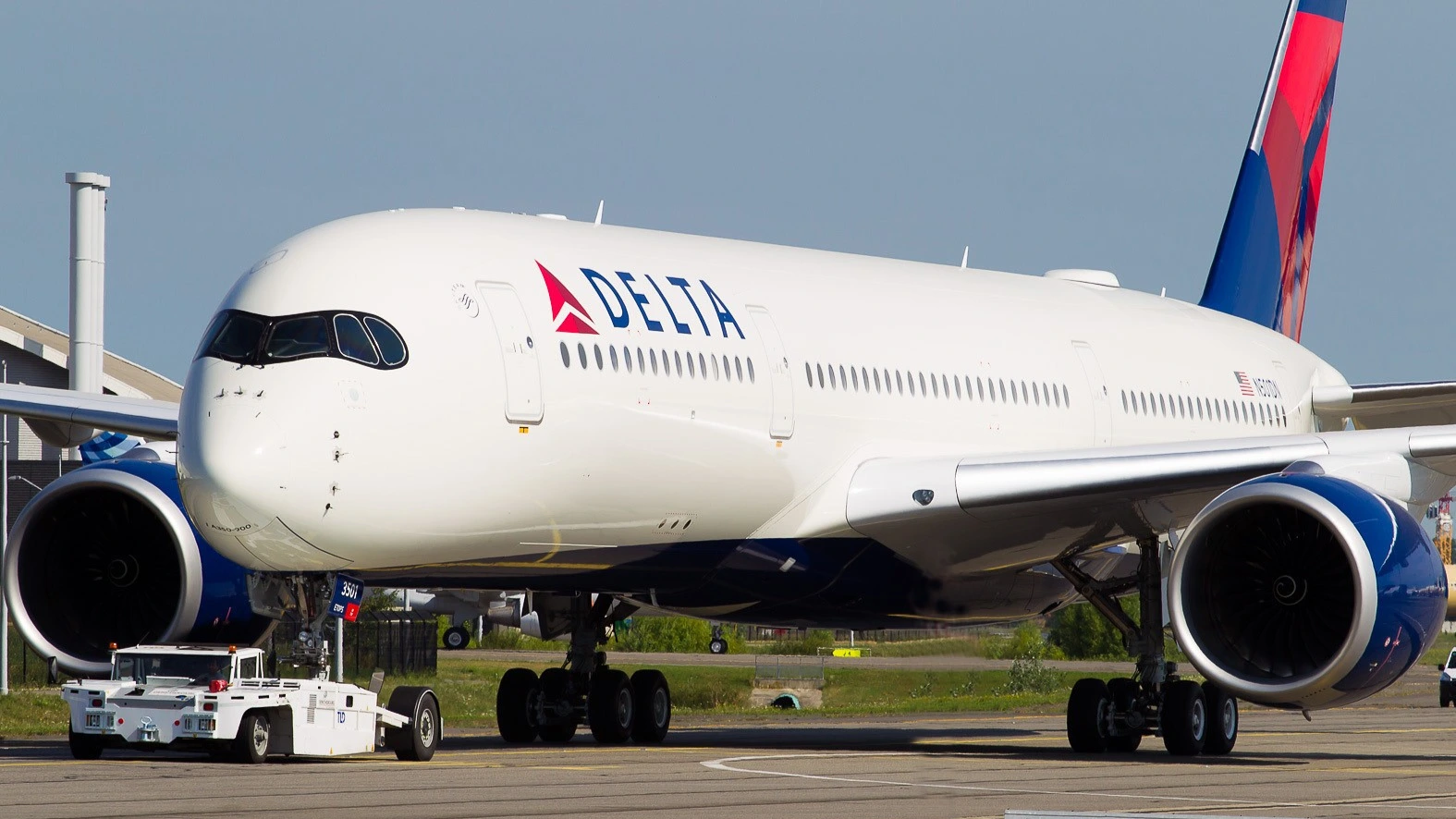
ATLANTA- Delta Air Lines (DL) has selected Amazon Leo over Starlink for future in-flight connectivity, despite the system not yet being operational.
Hartsfield–Jackson Atlanta International Airport (ATL) anchors Delta’s network as the airline prepares for a long-term satellite internet transition.
Delta Air Lines plans to install Amazon Leo across 500 aircraft starting in 2028, while JetBlue Airways (B6) at John F. Kennedy International Airport (JFK) targets a 2027 rollout, subject to system readiness.
The decision highlights a tradeoff between immediate performance from Starlink and future integration with Amazon’s ecosystem.
Delta Bets on Amazon Leo Instead of Starlink
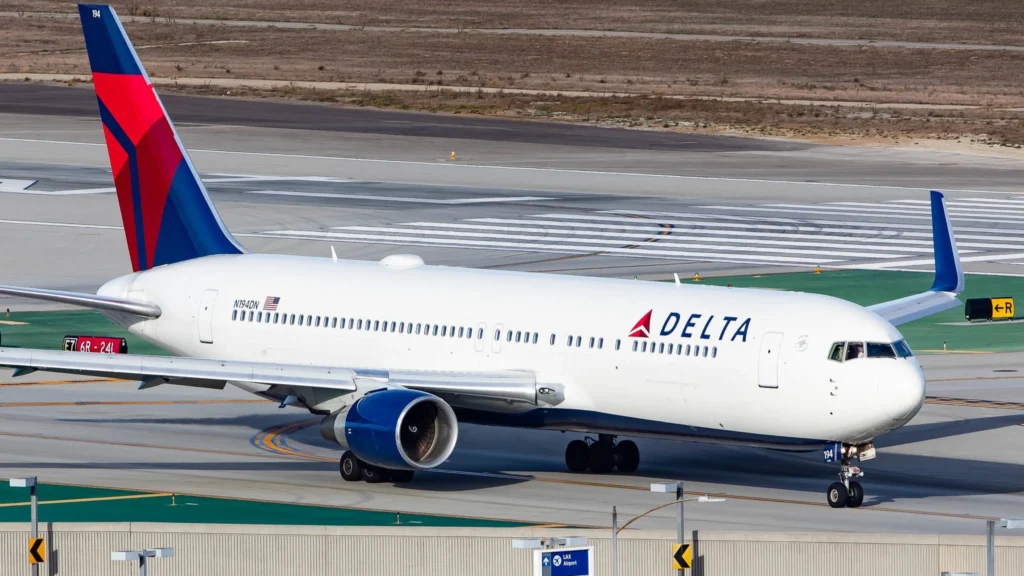
Delta Air Lines has signed a major agreement with Amazon Leo, a low-earth-orbit satellite internet system developed by Amazon as a direct competitor to Starlink. The airline will deploy the service on 500 aircraft, representing around 40 percent of its fleet.
Amazon Leo is not yet operational and continues to face ongoing launch delays. The company expects its satellite constellation to become functional next year at the earliest, creating a gap between Delta’s commitment and real-world availability.
According to PYOK, this decision reflects a strategic tradeoff where Delta prioritizes long-term ecosystem alignment and cost efficiency over immediate deployment advantages offered by Starlink.
Amazon Leo Technology and System Architecture
Amazon Leo, previously known as Project Kuiper, operates using low-earth-orbit satellites positioned between 367 and 391 miles above Earth.
This is significantly lower than traditional geostationary satellites, which orbit at approximately 36,000 kilometers.
The system uses high-speed optical links to connect thousands of satellites into a mesh network. This design reduces latency and improves connection stability, especially for aircraft operating at cruising altitudes.
Amazon has developed an aviation antenna capable of delivering speeds of up to 1 Gbps per device. This allows an entire planeload of passengers to stream, browse, and use data-intensive applications simultaneously.
Strategic Reasons and Current Wi-Fi Capabilities
Delta’s partnership with Amazon Leo extends its existing relationship with Amazon Web Services, enabling tighter integration across digital infrastructure and onboard services.
Cost efficiency was a decisive factor. Delta CEO Ed Bastian emphasized that the agreement delivers the fastest and most cost-effective technology available while strengthening collaboration with a global technology leader.
The airline has chosen a phased deployment approach, limiting installation to about 40 percent of its fleet.
This provides flexibility while Amazon Leo completes its satellite network and resolves deployment challenges.
Delta has offered free in-flight Wi-Fi since 2023 through its partnership with T-Mobile. The service has been expanded to more than 1,150 aircraft.
However, transpacific routes are expected to receive free Wi-Fi only later this year. Despite being marketed as streaming-quality, Delta’s current connectivity does not match the speed, latency, or reliability of Starlink.
This creates a measurable performance gap as passenger expectations for onboard connectivity continue to rise.
Competitive Landscape and Industry Positioning
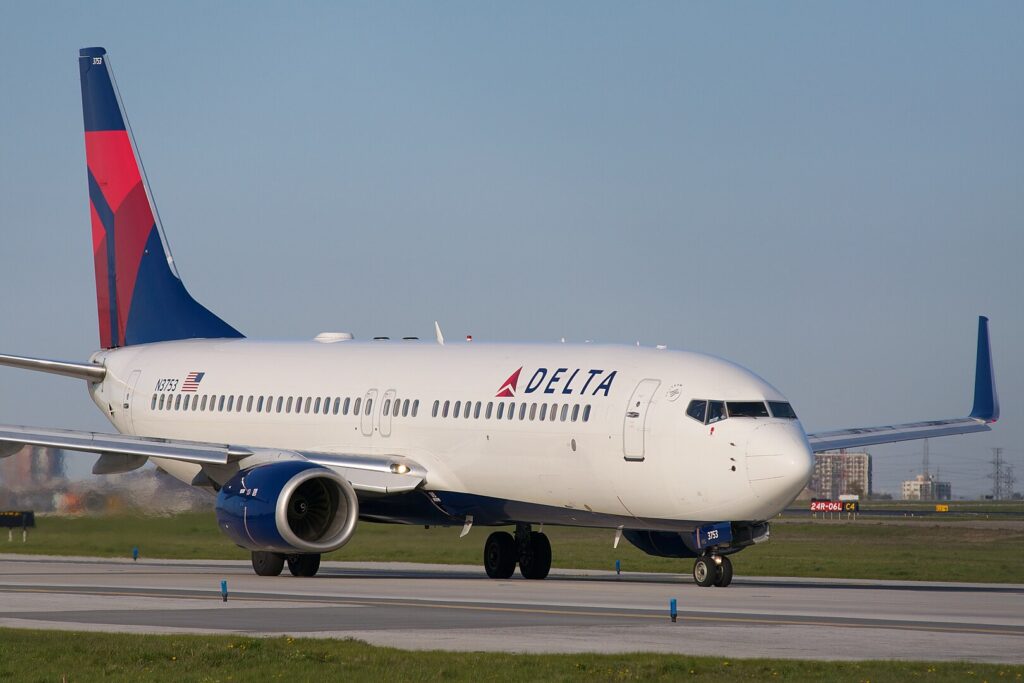
Delta’s decision places it behind competitors that have already adopted Starlink for fleet-wide deployment.
United Airlines (UA), Alaska Airlines (AS), and Southwest Airlines (WN) are rapidly integrating Starlink to deliver high-speed, low-latency internet across their aircraft.
JetBlue Airways plans to introduce Amazon Leo starting in 2027, but only if the satellite constellation is operational by that time. This condition highlights the uncertainty surrounding Amazon Leo’s rollout timeline.
American Airlines (AA) is currently evaluating both Starlink and Amazon Leo, with a final decision expected within weeks. The outcome will further shape competitive dynamics in the aviation connectivity market.
Future Outlook
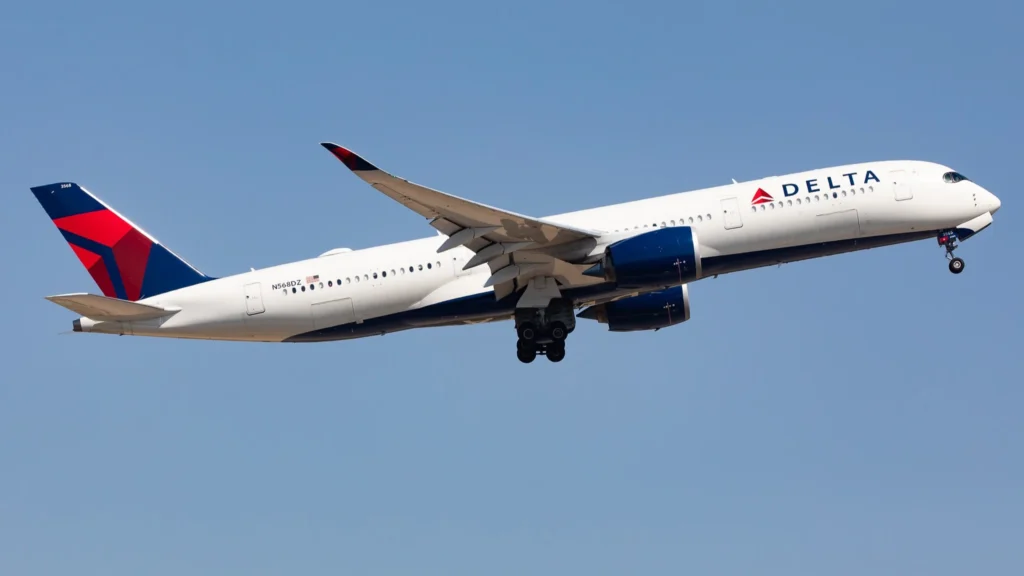
The airline industry is shifting toward satellite-based internet as a core component of the passenger experience. Speed, reliability, and cost efficiency now directly influence airline competitiveness.
Delta’s strategy reflects a long-term investment in an integrated technology ecosystem rather than immediate performance gains.
The success of this approach depends on Amazon Leo meeting its deployment timelines and delivering promised performance at scale.
Stay tuned with us. Further, follow us on social media for the latest updates.
Join us on Telegram Group for the Latest Aviation Updates. Subsequently, follow us on Google News
