

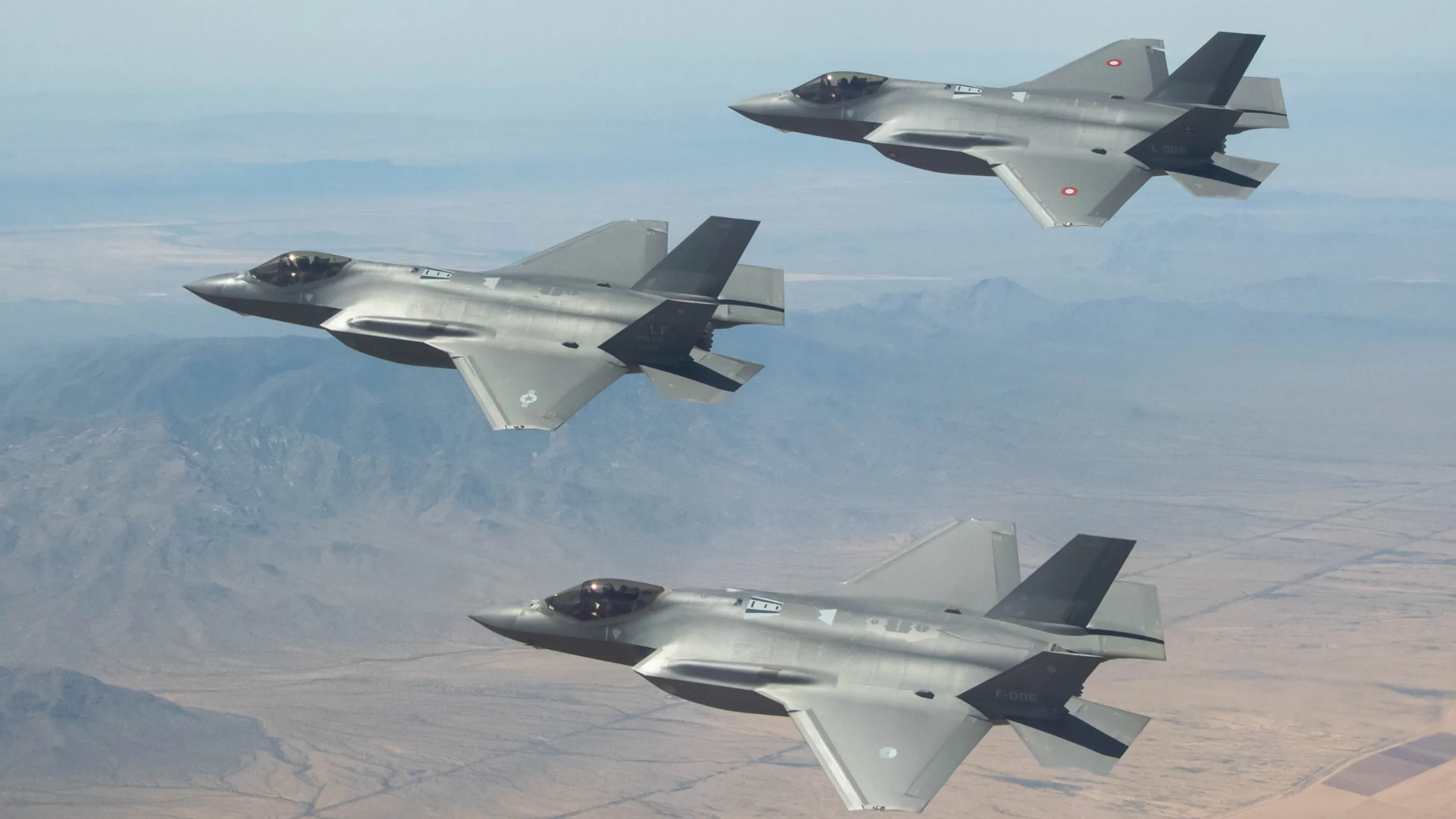
MISAWA AIR BASE- The US Air Force (USAF) has begun replacing F-16CM aircraft with Lockheed Martin F-35A jets to modernize its “wild weasel” mission in northern Japan.
The transition introduces a phased “first tranche” of stealth fighters to strengthen the suppression of enemy air defences capability and reinforce the US forward presence in the Indo-Pacific.
US Air Force Deploys F-35A
Four F-35A aircraft arrived at Misawa Air Base, Japan, on 28 March, marking the first tranche of a broader replacement programme.
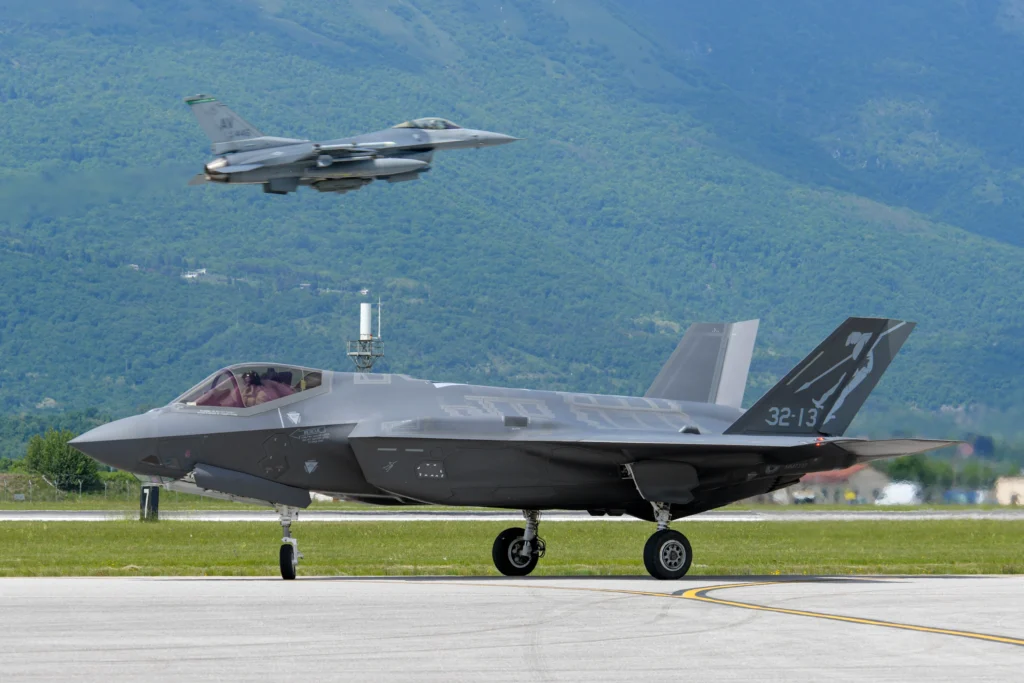
These jets will gradually replace 36 F-16CM aircraft currently operated by the 35th Fighter Wing, with plans to expand the fleet to 48 F-35As.
The mission, formally known as suppression of enemy air defenses (SEAD), involves penetrating contested airspace to detect, track, and destroy ground-based radar systems and missile batteries.
The term “wild weasel” dates back to the 1960s, when it served as a USAF codeword for developing tactics to counter enemy air defense networks.
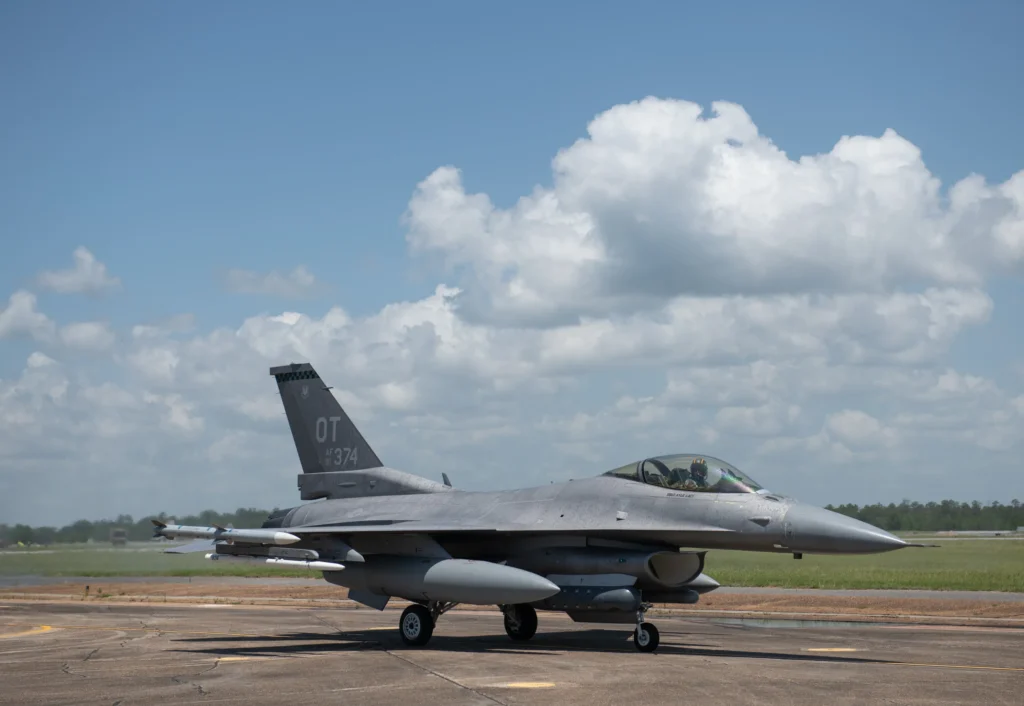
The F-16CM, derived from the Block 50/52 F-16C/D platform, is configured specifically for SEAD operations.
It carries anti-radiation missiles and advanced targeting pods capable of detecting and tracking electromagnetic emissions from hostile radar systems.
Despite these upgrades, the aircraft relies on external systems and operates with higher exposure to detection.
Why the F-35A Enhances the Wild Weasel Role
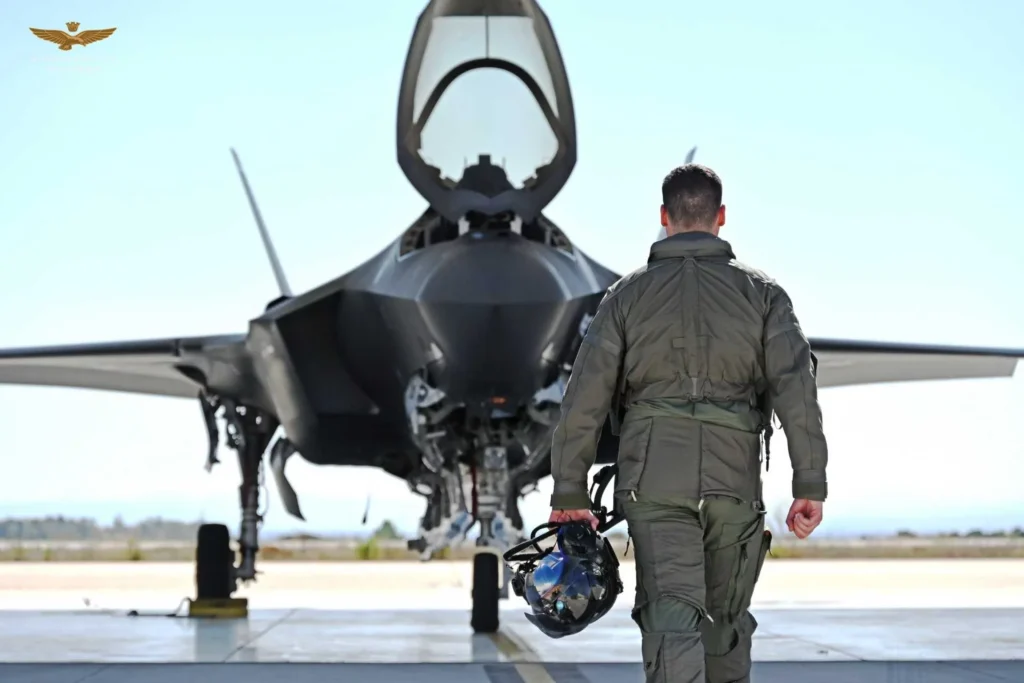
The F-35A is designed to operate inside heavily defended environments with reduced detectability.
Its low radar cross-section allows it to penetrate radar coverage areas while maintaining survivability.
Unlike the F-16CM, the F-35A integrates its sensor suite internally. This includes advanced systems that provide real-time awareness across the electromagnetic spectrum, allowing pilots to detect, classify, and respond to threats without relying on external pods.
Lieutenant Colonel John Widmer, a SEAD squadron commander at Misawa, states that the F-35 “was tailor made to be a weasel platform.”
He highlights that its sensor package enables operators to sense threats and manage the full spectrum of enemy systems during combat missions.
According to Flight Global, this transition reflects a broader operational shift towards multi-domain capable stealth platforms that combine detection, targeting, and survivability in a single aircraft.
Permanent Deployment and Strategic Impact
The F-35A aircraft assigned to Misawa will be permanently based, unlike rotational deployments of assets such as the F-22 Raptor.
This permanent presence ensures consistent operational readiness and strengthens regional deterrence.
The Pentagon states that stationing F-35s in northern Japan enhances the collective defence capability of the US-Japan alliance and ensures readiness to respond to potential threats.
These aircraft will operate alongside F-35B variants deployed by the United States Marine Corps, which feature short take-off and vertical landing capability. Japan also fields both F-35A and F-35B variants, contributing to integrated allied airpower in the region.
Future Fighter Integration in Japan
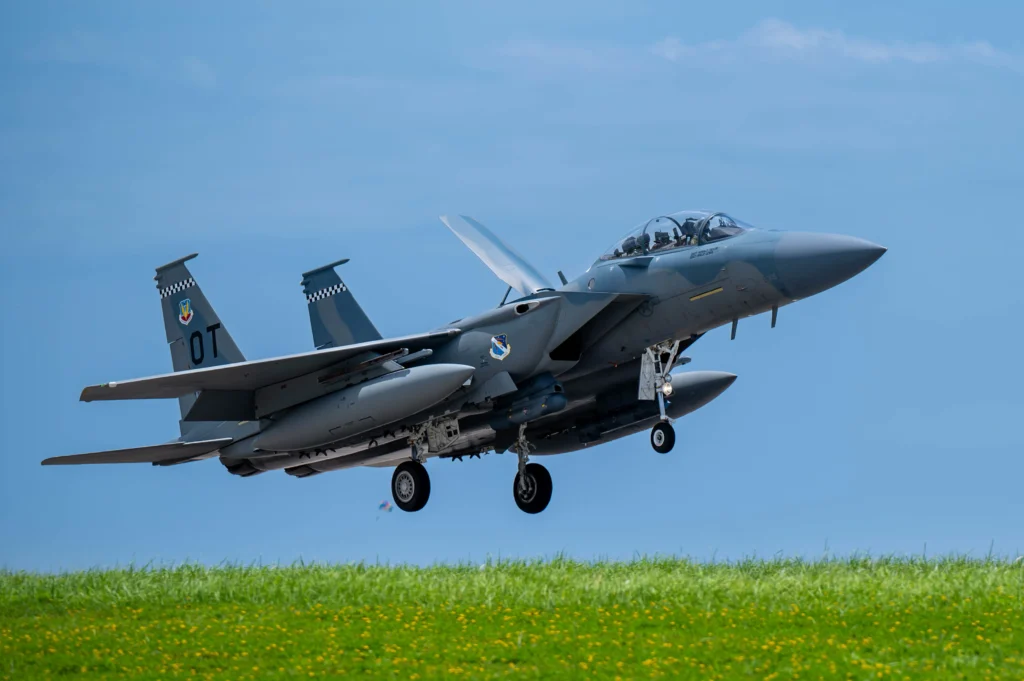
The modernisation plan extends beyond the F-35A. The USAF intends to deploy Boeing F-15EX aircraft to Japan as replacements for retired F-15C Eagle jets.
This combination of stealth fighters and advanced fourth generation aircraft creates a balanced force structure.
The F-35A provides stealth and sensor dominance, while the F-15EX offers payload capacity and extended range.
The transition at Misawa represents a significant upgrade in SEAD capability, aligning US airpower with modern threat environments defined by advanced and integrated air defence systems.
Stay tuned with us. Further, follow us on social media for the latest updates.
Join us on Telegram Group for the Latest Aviation Updates. Subsequently, follow us on Google News
