

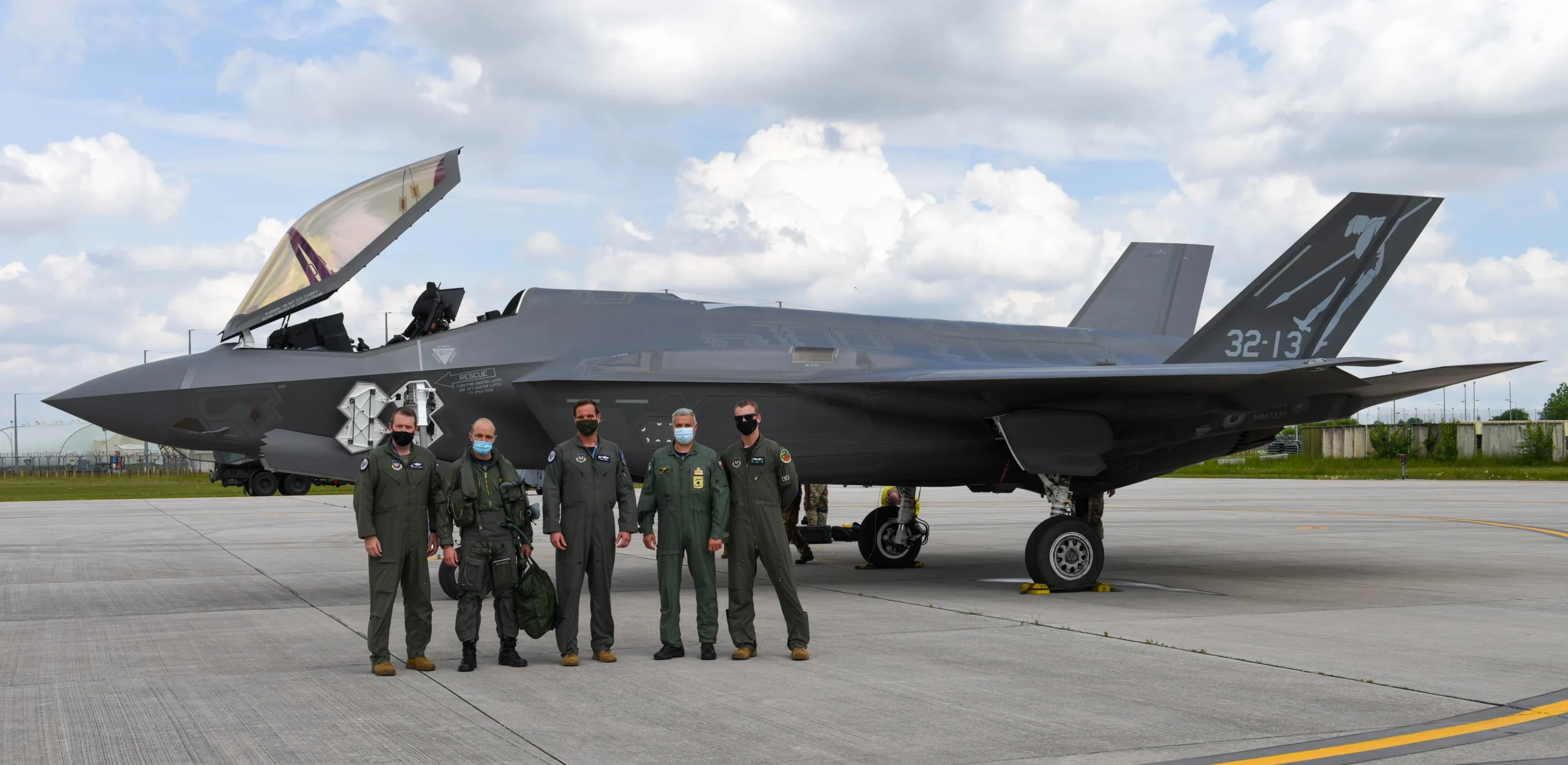
The balance of global air power is no longer defined solely by aircraft numbers. Today, pilot availability, training capacity, and evolving technology play an equally critical role in shaping military readiness.
While the United States continues to lead in overall air dominance, emerging challenges such as recruitment shortages and shifting warfare strategies are reshaping how nations manage their aviation personnel.
Across major military powers, pilot strength does not always align with fleet size. Some nations maintain a surplus of trained aviators, while others struggle to keep cockpits filled.
As air forces modernize and integrate next-generation aircraft, the demand for highly skilled pilots continues to grow, even as traditional recruitment pipelines face increasing pressure.
Largest Air Force By Pilots
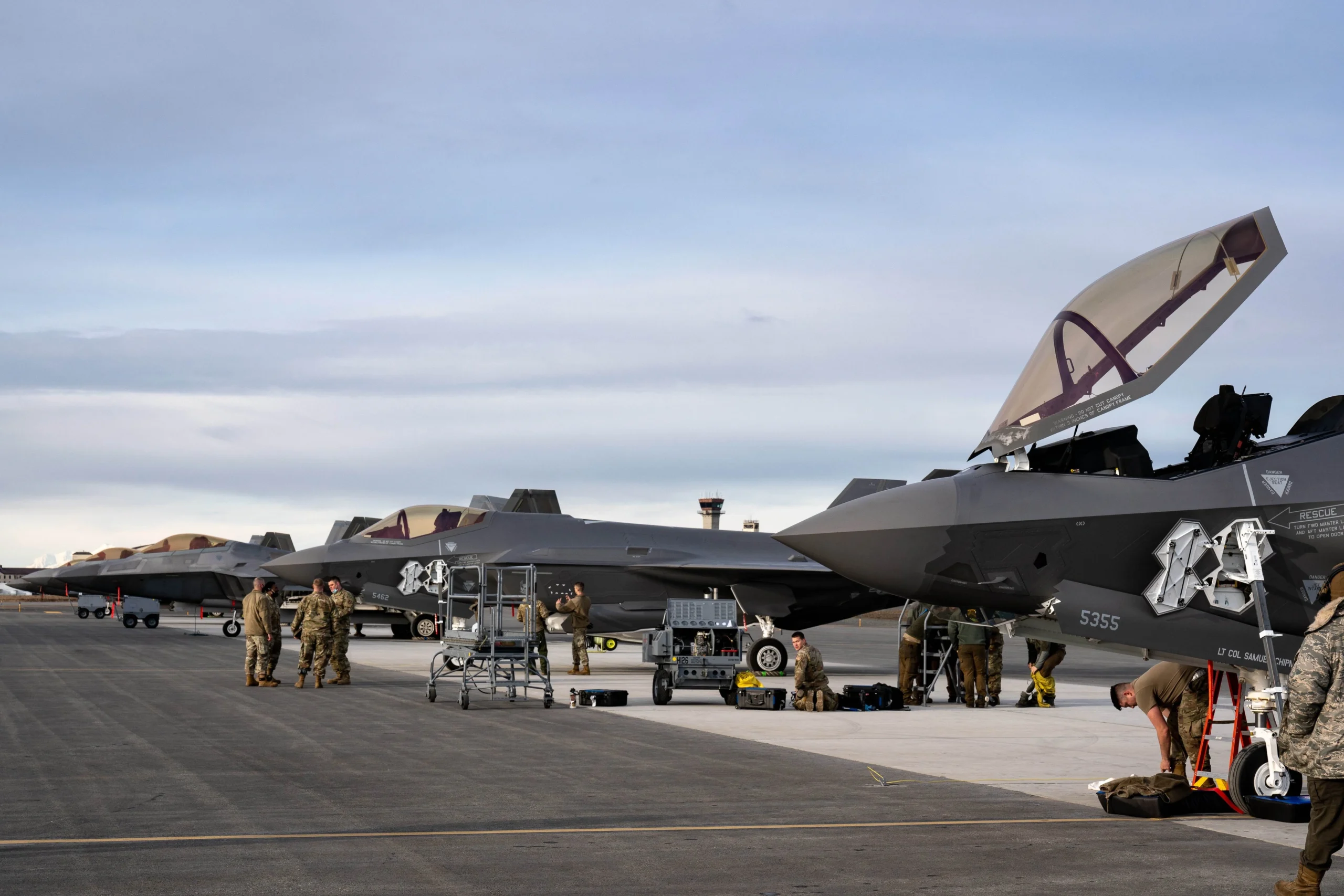
A comparison of leading air forces highlights the disparity between aircraft inventory and pilot availability. The United States remains far ahead with over 14,000 aircraft supported by approximately 37,000 pilots, maintaining a significant operational edge, Simple Flying reported
Russia and China follow, each with fleets exceeding 3,000 aircraft, but their pilot numbers remain far lower. India and Japan complete the top five, with smaller fleets and proportionally tighter pilot rosters.
These figures reveal a key trend. Air superiority is no longer just about fleet size; it depends heavily on how effectively nations can train, retain, and deploy their pilots in increasingly complex combat environments.
5. Japan’s Air Force
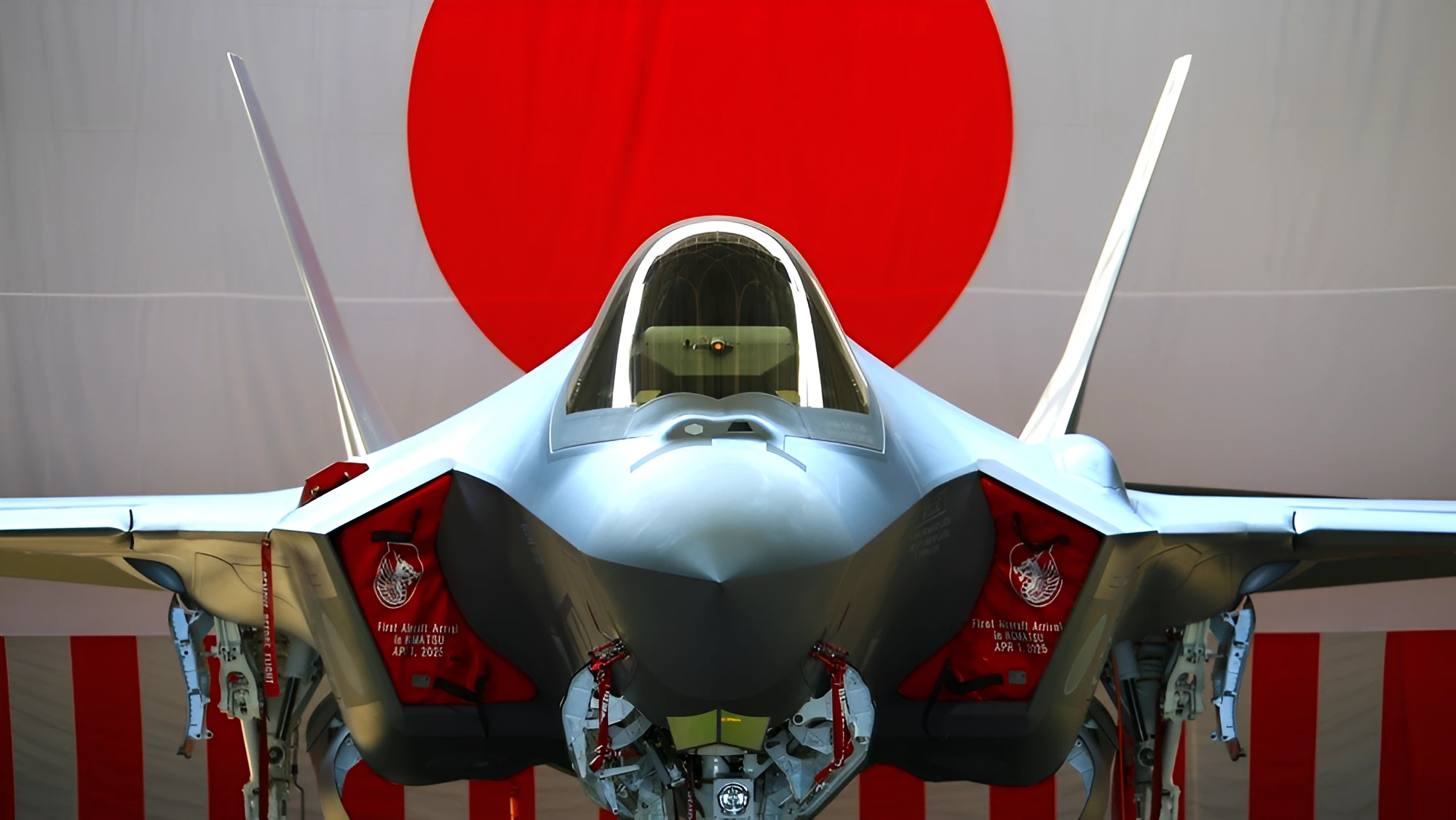
Japan maintains a highly disciplined and technologically advanced aviation force, supported by around 2,000 pilots. Despite the relatively small number, these aviators operate a diverse fleet that includes advanced fighters, refueling aircraft, and rescue helicopters.
Pilot training in Japan follows a structured progression, beginning with basic trainer aircraft and advancing to sophisticated combat jets.
The introduction of fifth-generation fighters has added complexity, requiring pilots to manage advanced sensor systems and real-time battlefield data.
Japan is also expanding its naval aviation capabilities. With plans to deploy short takeoff and vertical landing fighters from modified carriers, the demand for specialized pilots is expected to increase significantly in the coming years.
4. Indian Air Force
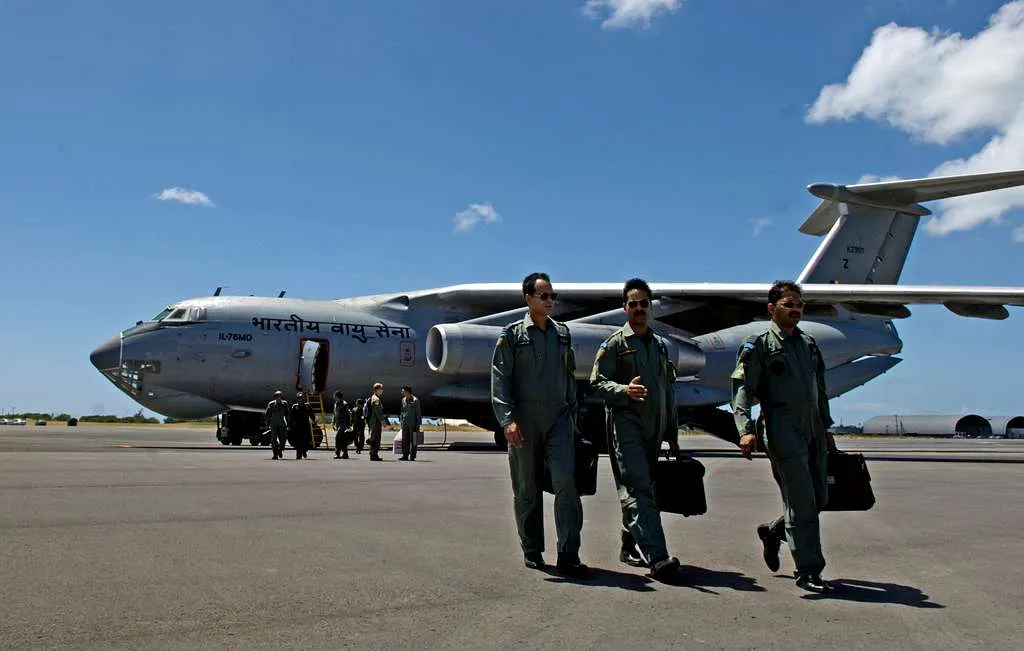
India faces a persistent challenge in aligning its pilot strength with operational requirements. While authorized pilot positions exceed 4,200, the actual number of active pilots remains lower, creating a noticeable gap in readiness.
The country’s reliance on a mix of legacy and modern aircraft complicates training and maintenance. Many platforms are based on older designs, requiring continuous upgrades and support, often influenced by global supply chain disruptions.
Naval aviation adds another layer of complexity. Carrier-based operations demand a high level of precision and regular training cycles. Delays in aircraft availability can directly affect pilot proficiency, especially for critical operations such as night landings.
India continues to explore modernization options, including potential acquisitions of advanced fighter jets. However, the effectiveness of these decisions will depend on how well the country strengthens its pilot training ecosystem alongside fleet expansion.
ALSO READ: Top 10 Largest Armies in the World by Aircraft Fleet Size in 2026

3. China’s Air Force
China has significantly accelerated the growth of its air force, both in terms of aircraft and pilot training. With an estimated 4,000 pilots, the country is steadily building a force capable of supporting its expanding fleet.
Training institutions have increased intake capacity, while operational units are adapting to newer aircraft, including stealth fighters. The focus is not only on quantity but also on improving pilot proficiency across different mission profiles.
Naval aviation is a major area of growth. As China introduces additional aircraft carriers, the need for carrier-qualified pilots is rising sharply. This expansion reflects a broader strategy to project power beyond its immediate region.
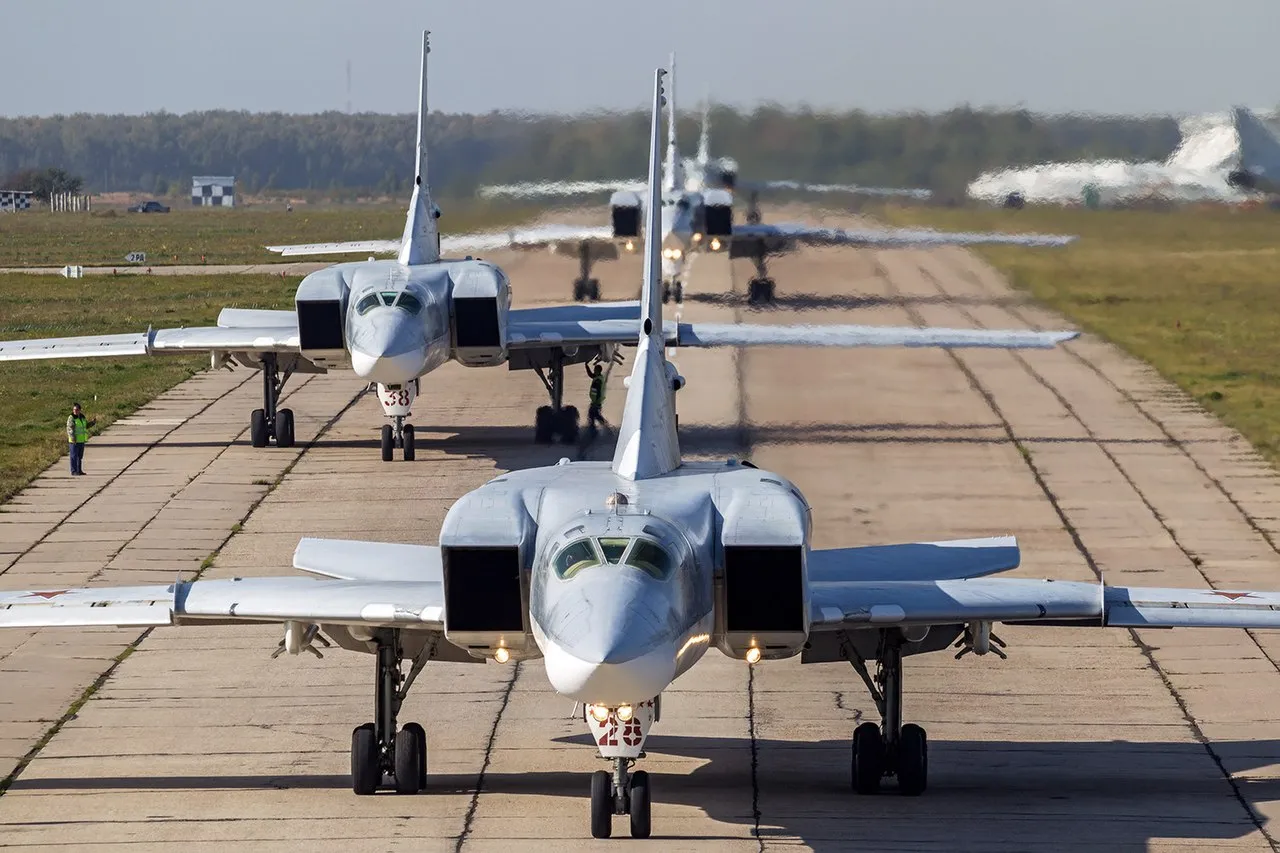
2. Russia
Russia’s air force faces mounting pressure due to ongoing operational demands and attrition. With around 4,000 pilots supporting over 4,000 aircraft, maintaining readiness has become increasingly difficult.
Combat operations in recent years have led to losses in both aircraft and experienced personnel. This has forced adjustments in strategy, including greater reliance on unmanned systems and long-range weapons.
Training pipelines have also been affected. Accelerated programs and instructor shortages have impacted the quality and pace of pilot development. These factors continue to influence Russia’s ability to sustain long-term air operations.
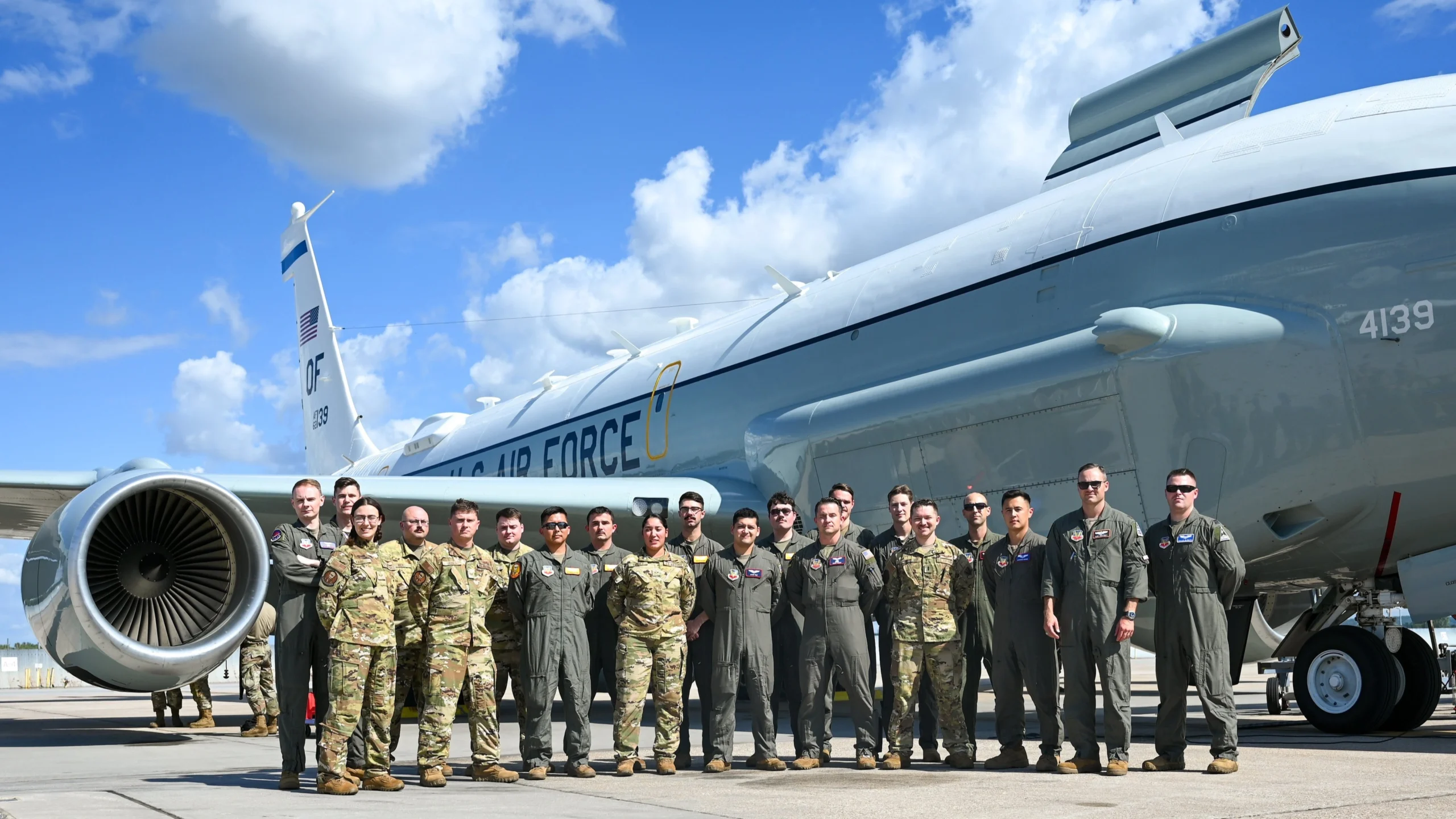
1. United States Air Force
The United States maintains the world’s largest and most capable air force, supported by tens of thousands of pilots across multiple branches. However, even this extensive system faces challenges in maintaining optimal staffing levels.
Fighter squadrons, in particular, experience shortages that affect readiness. Experienced pilots are in high demand, as their expertise directly impacts mission success and survivability.
In addition to the Air Force, naval and army aviation units require thousands of pilots to operate carrier-based aircraft and helicopters. This broad operational scope places continuous pressure on recruitment and retention efforts.
Despite these challenges, the United States continues to invest in training, technology, and next-generation platforms. Its ability to integrate these elements ensures that it remains at the forefront of global air power.
Stay tuned with us. Further, follow us on social media for the latest updates.
Join us on Telegram Group for the Latest Aviation Updates. Subsequently, follow us on Google News
