


ZURICH- SWISS International Air Lines (LX) is offering financial incentives to reduce its surplus cabin crew as operational constraints persist. The airline faces an imbalance caused by grounded aircraft and limited pilot availability.
Zurich Airport (ZRH) remains the carrier’s main hub, but fleet and staffing disruptions have forced SWISS to reassess workforce levels despite strong travel demand.

SWISS Moves To Address Cabin Crew Surplus
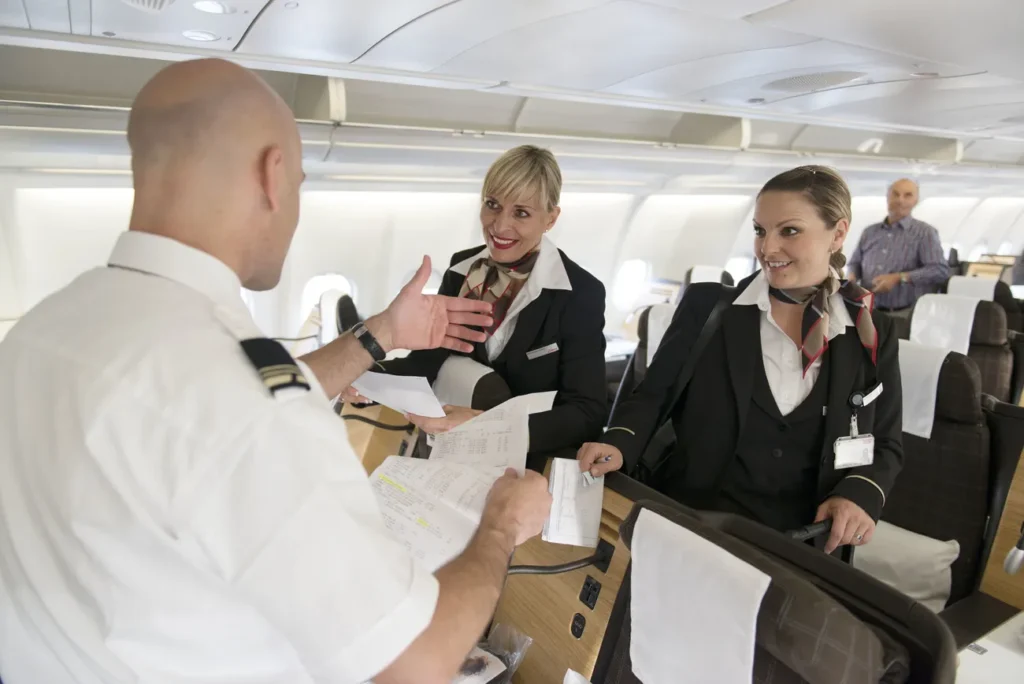
SWISS International Air Lines has informed its approximately 4,500 flight attendants about the need to reduce staffing levels.
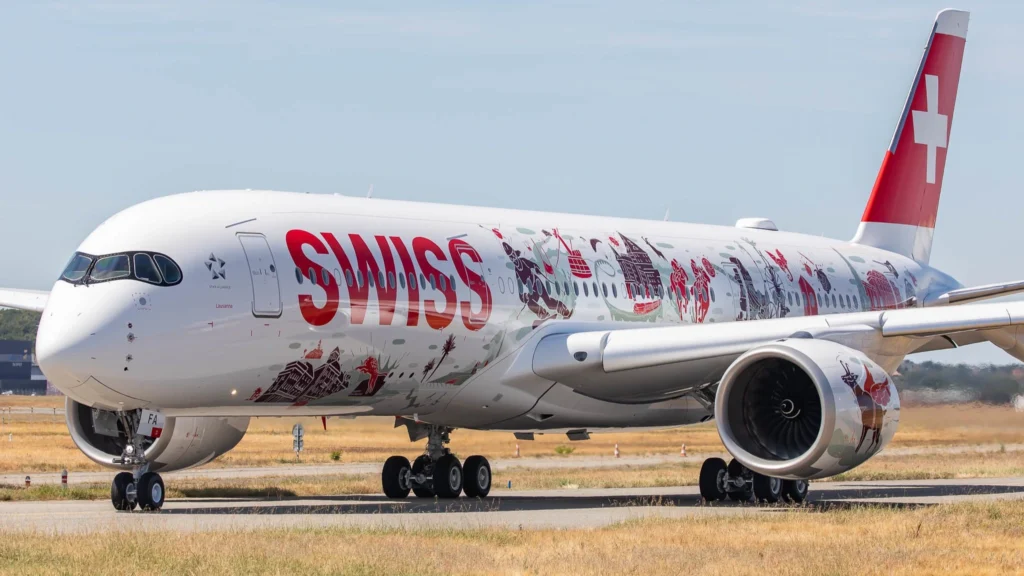
The airline currently has a surplus of around 400 cabin crew members. This imbalance stems from ongoing engine issues affecting Airbus A220 and A320 family aircraft, which have reduced operational capacity.
At the same time, a shortage of pilots has further limited the airline’s ability to operate scheduled flights. As a result, SWISS is unable to fully utilize its workforce despite high passenger demand. The airline has even resorted to wet leasing aircraft to maintain network coverage.
Internal projections indicate that staffing balance will not be achieved until 2027, later than initially expected. This extended timeline has increased pressure on management to take corrective action, OMAAT reported.

Voluntary Severance Offer And Cost Control Measures
To address the surplus, SWISS is offering 15,000 CHF, approximately 19,000 USD, to full-time flight attendants who voluntarily resign by August 2026. The initiative is designed to reduce headcount quickly while avoiding immediate layoffs.
If voluntary participation is insufficient, the airline plans to introduce additional measures. These include temporary unpaid leave, reduced working hours, and extended maternity leave options. Each measure aims to lower operational costs while maintaining flexibility in workforce management.
Management has also confirmed that layoffs remain a possibility if other strategies fail. This signals a structured but firm approach to aligning staffing with operational capacity.
Operational Challenges Behind The Imbalance
The staffing issue is not driven by weak demand. Instead, it reflects operational constraints. Engine-related issues have grounded parts of the fleet, while pilot shortages limit aircraft utilization.
This creates a mismatch between available crew and active aircraft. Even though SWISS remains one of the most profitable airlines within the Lufthansa Group, external pressures such as geopolitical tensions and rising fuel costs have intensified the focus on cost efficiency.
SWISS expects the situation to gradually stabilize as fleet availability improves and pilot recruitment continues. Natural attrition through retirements and resignations will also contribute to balancing workforce levels.
However, the airline appears to prioritize a leaner and more cost-efficient workforce structure. Junior cabin crew typically have lower salary costs, which may influence long-term staffing strategies.
Bottom Line
SWISS is taking proactive steps to address a significant cabin crew surplus caused by operational disruptions. The voluntary severance offer highlights the airline’s focus on cost control amid industry uncertainty.
If these measures fall short, stricter actions such as layoffs may follow. The situation reflects broader challenges across the aviation sector, where operational constraints and cost pressures are reshaping workforce strategies.
Stay tuned with us. Further, follow us on social media for the latest updates.
Join us on Telegram Group for the Latest Aviation Updates. Subsequently, follow us on Google News
