


CHICAGO— Boeing faces renewed legal and financial scrutiny after a US federal judge approved a shareholder class-action lawsuit tied to safety disclosures surrounding the Boeing 737 MAX program. The ruling allows investors who held shares during a key crisis period to pursue claims collectively.
The lawsuit centers on allegations that Boeing misled regulators and investors while competing with Airbus, its primary rival. Major airline operators such as Southwest Airlines (WN) and American Airlines (AA), along with key aviation hubs like Chicago (ORD), remain closely tied to the aircraft’s operational and financial legacy.
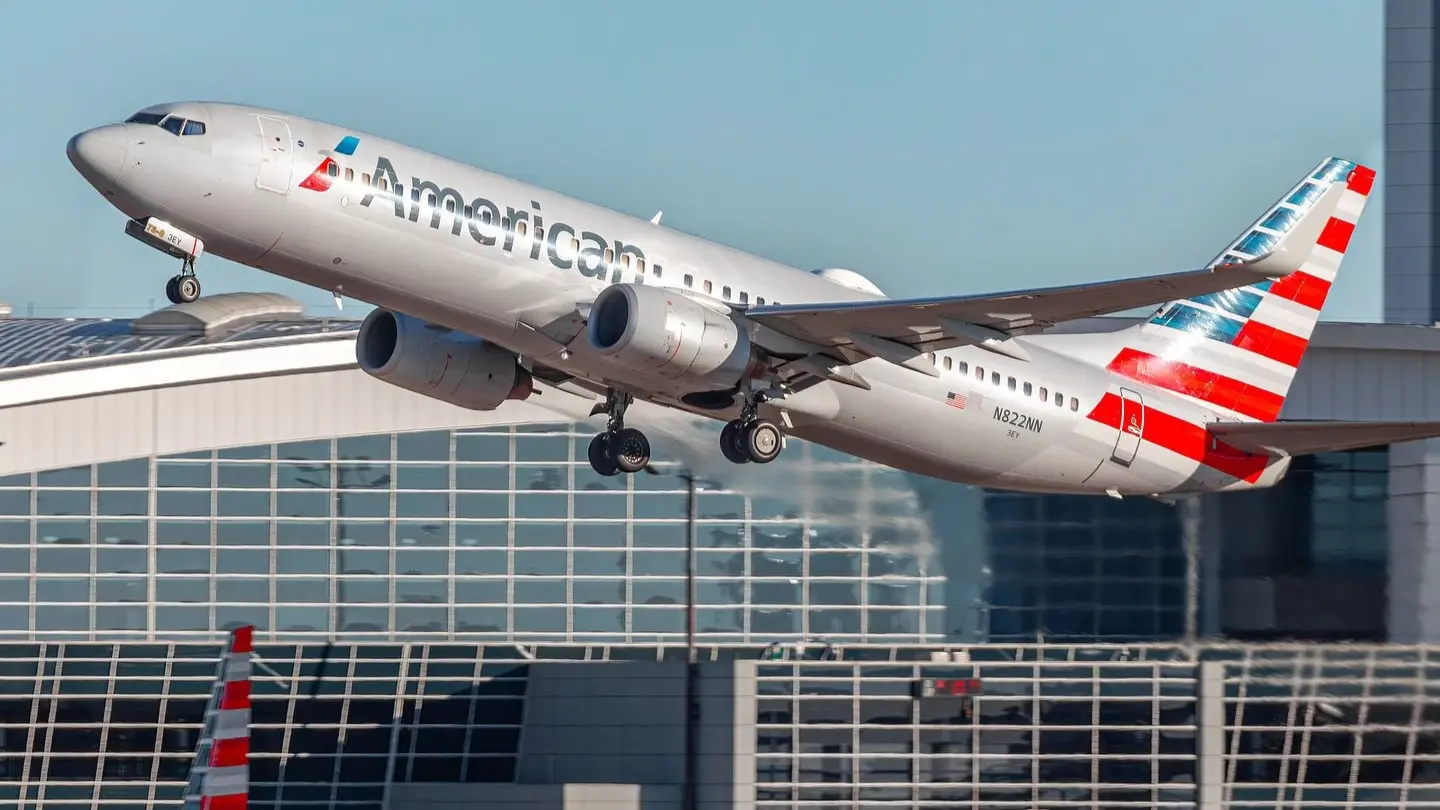
Boeing 737 MAX Lawsuit Certification
A federal judge has certified a shareholder class covering investors who owned Boeing stock between November 7, 2018, and October 18, 2019. This decision enables a unified legal process instead of multiple individual claims.
The court determined that shareholders presented a consistent method to calculate damages. This ruling strengthens the legal case by aligning investor claims under a common framework.
Plaintiffs had pushed to extend the timeline to December 2019, when Boeing halted 737 MAX production.
However, the court limited the period to when critical internal communications became public, influencing market perception.
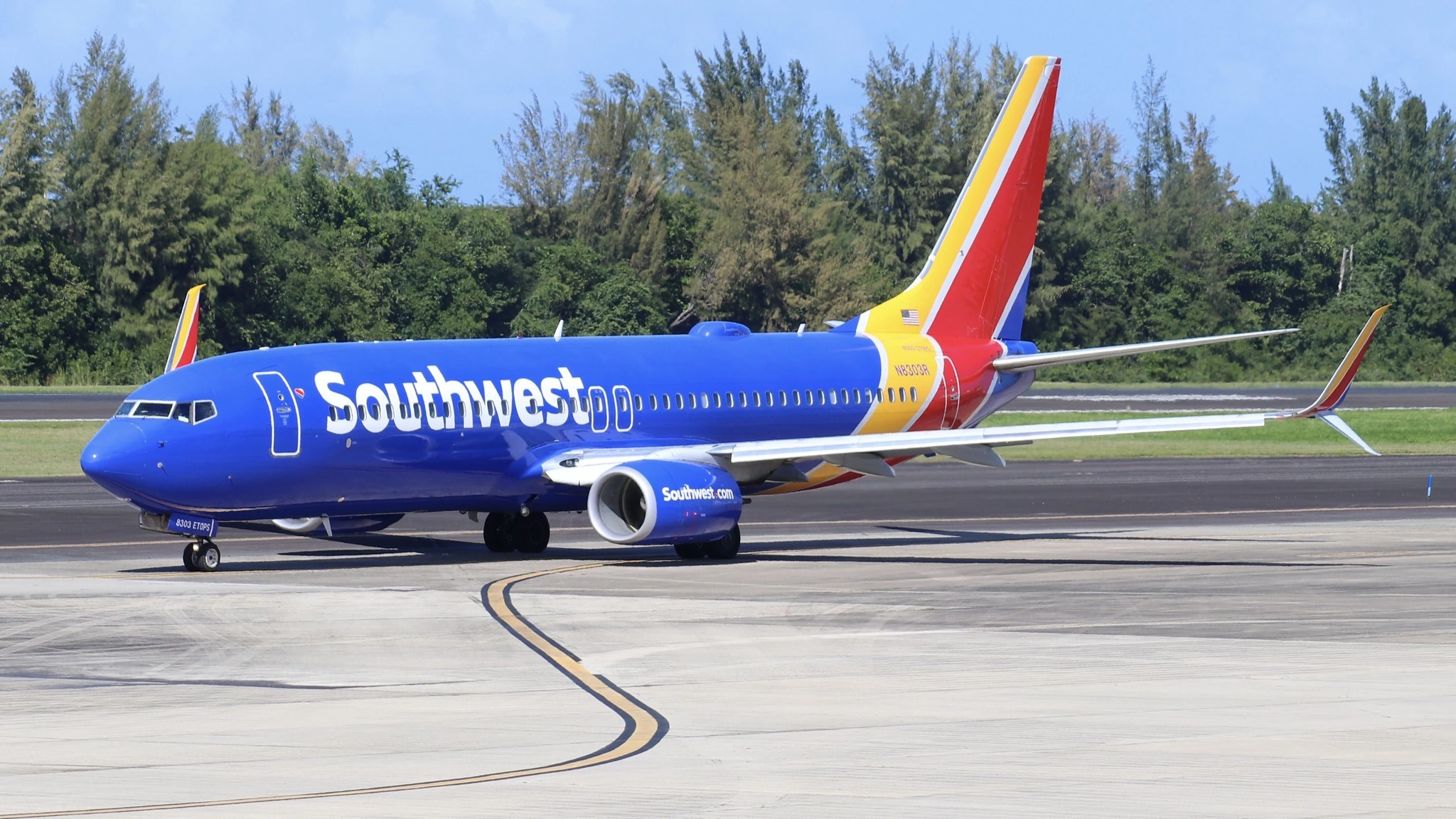
Investor Concerns
Investors argue that Boeing failed to disclose significant safety risks tied to the 737 MAX program. According to Simple Flying, they claim the company ignored internal warnings and provided incomplete information to regulators and the market.
These allegations suggest that the crisis extended beyond engineering flaws into corporate governance and transparency failures. As a result, shareholders faced both financial losses and reputational damage.
The continued suspension of Boeing’s dividend since March 2020 has further fueled dissatisfaction. Although Boeing reported improved financial performance in 2025, concerns over production quality and oversight persist.

Shareholder Impact
Boeing’s investor base is dominated by institutional stakeholders, including major asset managers. Firms such as Vanguard, BlackRock, and Fidelity hold significant shares, making this lawsuit a high-stakes development.
Many of these investors manage passive index funds, meaning their exposure to Boeing stems from benchmark allocations. This structure limits their ability to exit positions quickly, increasing reliance on legal recourse.
The lawsuit represents one of several legal challenges Boeing faces related to the 737 MAX. A separate case linked to a 2024 Alaska Airlines (AS) incident also remains active.
Despite operational recovery efforts, Boeing continues to manage the long-term consequences of the MAX crisis. The outcome of this case could influence corporate governance expectations across the aerospace industry.
Stay tuned with us. Further, follow us on social media for the latest updates.
Join us on Telegram Group for the Latest Aviation Updates. Subsequently, follow us on Google News
