

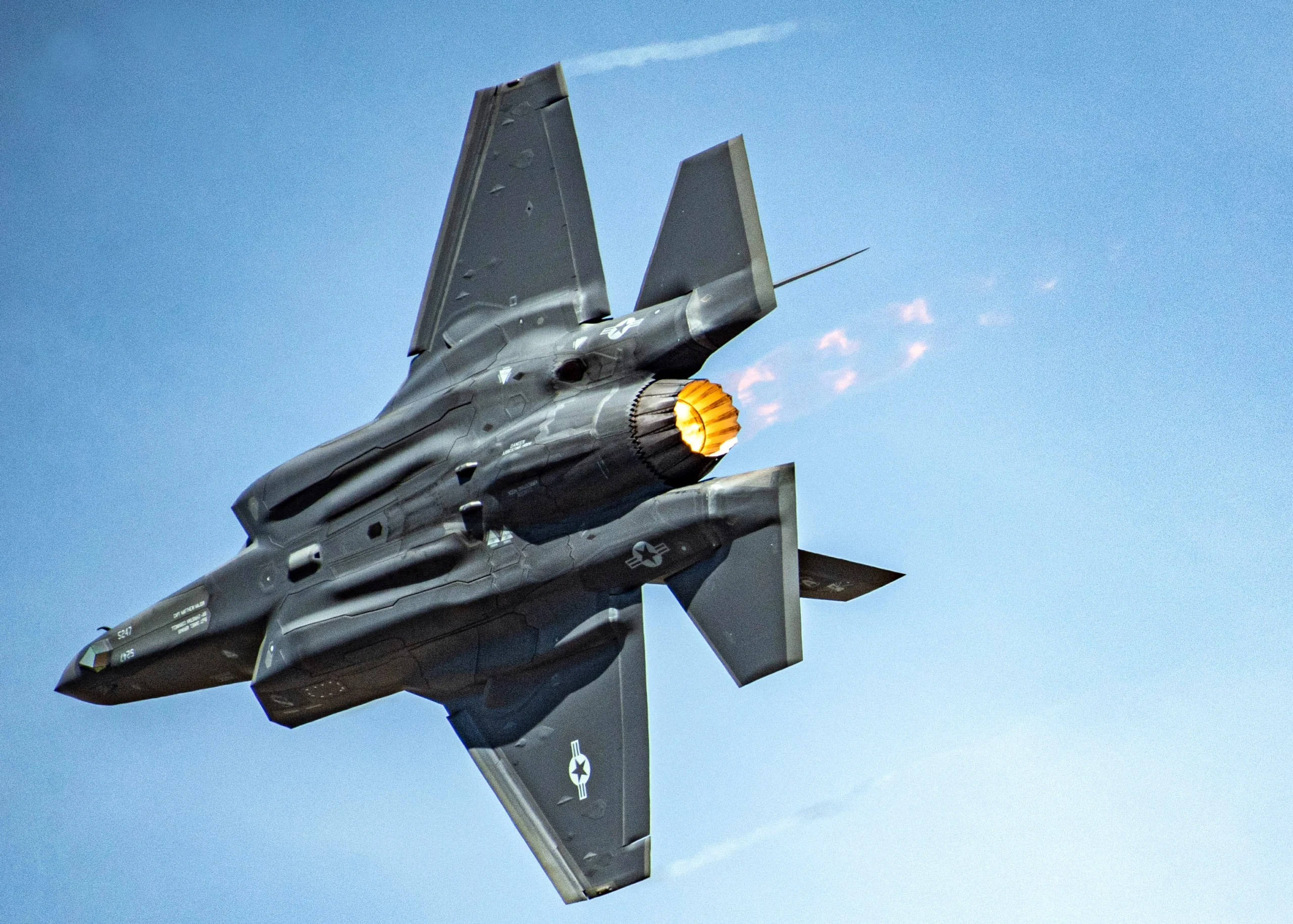
WASHINGTON- The US Air Force (USAF) is preparing a new contract vehicle worth up to $16 billion to accelerate the development of advanced propulsion technologies. The initiative will support next-generation engines, sustainment upgrades, and rapid technology deployment across multiple platforms.
The Advanced Propulsion Acquisition Contract will allow multiple companies to compete for task orders covering research, development, production, and lifecycle support for future propulsion systems.
New Contract Vehicle to Speed Up Propulsion Innovation
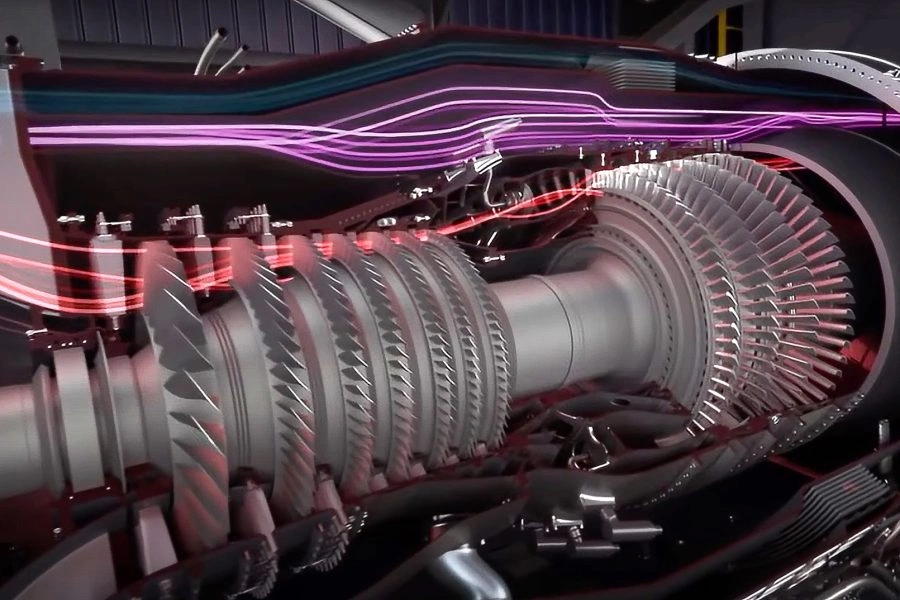
The Air Force Life Cycle Management Center Propulsion Directorate plans to launch the Advanced Propulsion Acquisition Contract, known as APAC, to speed up the development and deployment of modern engine technologies.
APAC will operate as an indefinite delivery, indefinite quantity contract vehicle. This structure allows the Air Force to select a group of companies that will compete for specific task orders as requirements emerge.
The contract will support a wide range of propulsion activities. These include early-stage technology development, design innovation, production, fielding, and long-term sustainment of propulsion systems. The program aims to give the Air Force faster access to new technologies that can strengthen future air combat capabilities.
Officials say the contract is designed to support novel propulsion concepts and innovative engineering approaches. The initiative also seeks solutions that deliver evolutionary improvements as well as disruptive breakthroughs for US Air Force missions and partner organizations, Air and Space Forces reported.
Flexible Funding Structure and Industry Participation
The program currently has no dedicated funding line. The Air Force plans to activate task orders once funding becomes available from future Air Force budgets, interagency programs, or other government partners.
Proposals for the contract are due by April 13. The Air Force intends to select multiple contractors for the initial pool.
The structure also allows new companies to join the contract after two years. This approach is intended to keep competition active and allow emerging firms with innovative technologies to participate later in the program lifecycle.
Potential Support for Collaborative Combat Aircraft
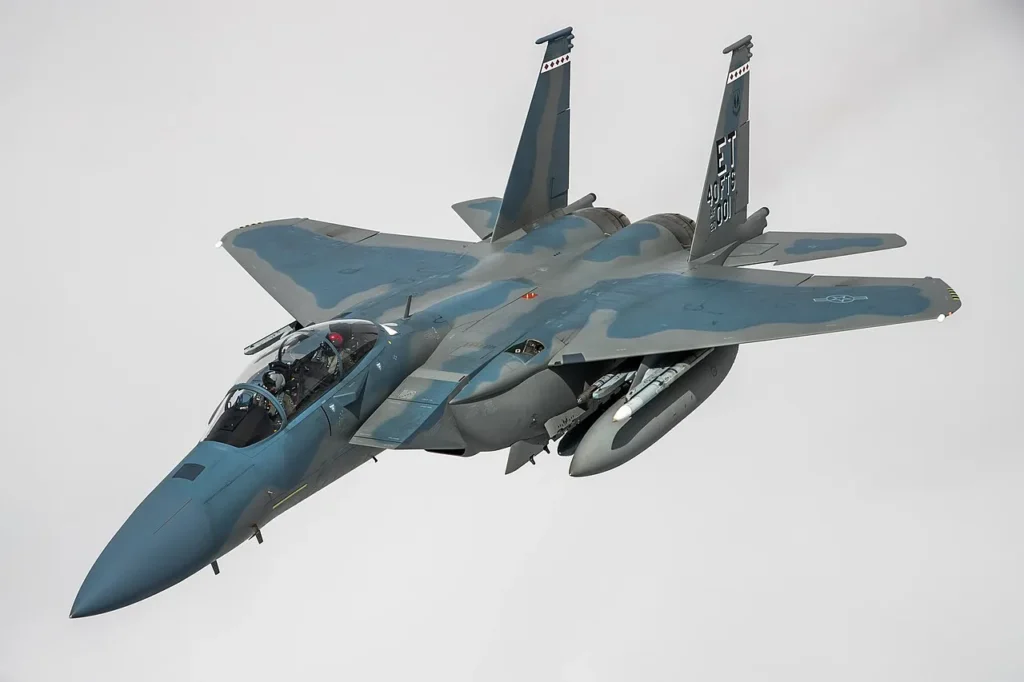
Although the solicitation does not specify exact propulsion systems or platforms, several ongoing Air Force programs could benefit from the contract.
One major area is the Collaborative Combat Aircraft program. The Air Force is currently developing Increment 2 of the unmanned aircraft initiative, which focuses on autonomous combat drones that operate alongside crewed fighters.
Industry proposals for these platforms include compact propulsion systems designed using digital engineering tools and 3D printed components. In February, the Air Force awarded several design contracts focused on propulsion systems for future CCA platforms.
APAC could help accelerate the development and production of these technologies once the designs mature.
Role in Next Generation Fighter Propulsion
The contract could also support propulsion upgrades and sustainment improvements for existing aircraft fleets.
In recent years, the Air Force has invested heavily in advanced engine programs through the Next Generation Adaptive Propulsion program and the earlier Adaptive Engine Transition Program.
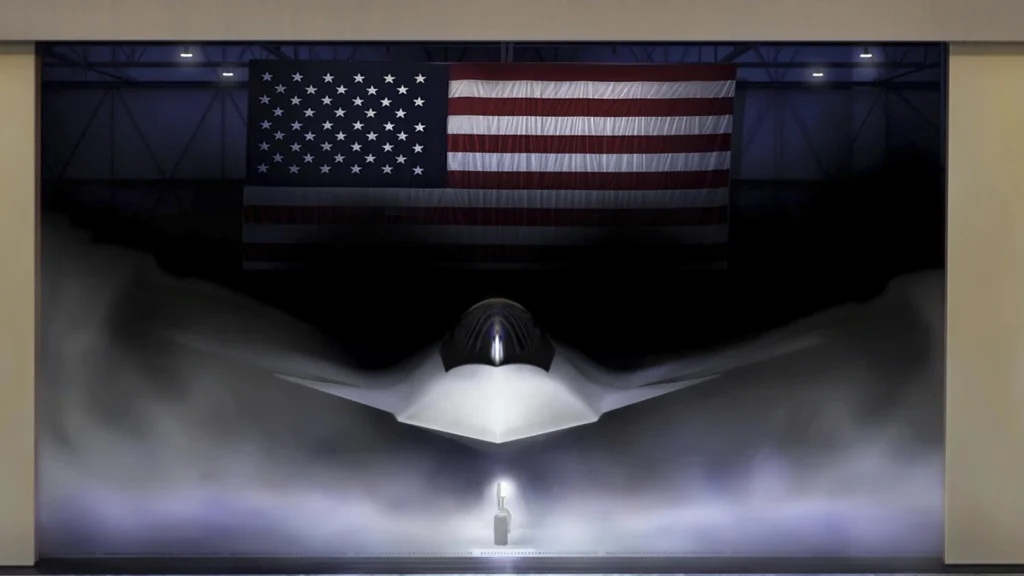
These initiatives aim to produce adaptive cycle engines capable of delivering higher thrust, better fuel efficiency, and improved thermal management. Such capabilities are considered critical for future combat aircraft, including the planned F-47 fighter.
In 2025, the Air Force awarded approximately $7 billion in NGAP contracts to Pratt and Whitney and GE Aerospace. The funding supports technology maturation and risk reduction for future propulsion systems.
The APAC contract could provide a pathway to transition those technologies into operational platforms while continuing research into new propulsion concepts.
Stay tuned with us. Further, follow us on social media for the latest updates.
Join us on Telegram Group for the Latest Aviation Updates. Subsequently, follow us on Google News
