


DUBAI- A drone strike near Dubai International Airport (DXB) triggered major aviation safety concerns, prompting temporary airspace closure and flight disruptions involving Emirates (EK) and Flydubai (FZ).
Global aviation union leader Sara Nelson has urged Gulf governments to prioritize passenger and crew safety, warning that ongoing security threats could place civil aviation operations at risk.

Flight Attendant Seeks Protection for Pax and Crew
Sara Nelson, president of the Association of Flight Attendants and aviation section chair of the International Transport Workers’ Federation (ITF), has issued a strong warning to governments across the Persian Gulf following a drone strike near Dubai’s primary airport.
Often described as one of the most influential voices representing airline cabin crew worldwide, Nelson called on authorities to ensure that aviation workers and passengers are not exposed to unnecessary danger as tensions in the region continue.
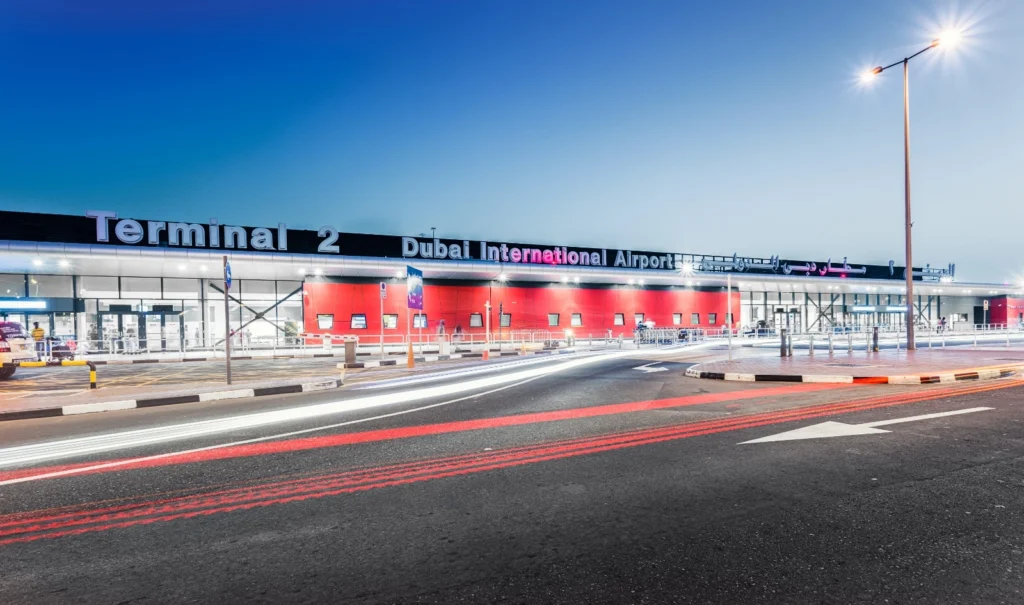
Her comments came shortly after a drone struck a large fuel storage tank on the outskirts of Dubai International Airport (DXB), sending thick black smoke across the skyline and forcing a temporary shutdown of airspace.
The incident briefly disrupted operations for Emirates (EK) and flydubai (FZ), two major airlines based in Dubai.
According to PYOK, the strike heightened concerns across the aviation sector about the vulnerability of civil aviation infrastructure during periods of geopolitical conflict.
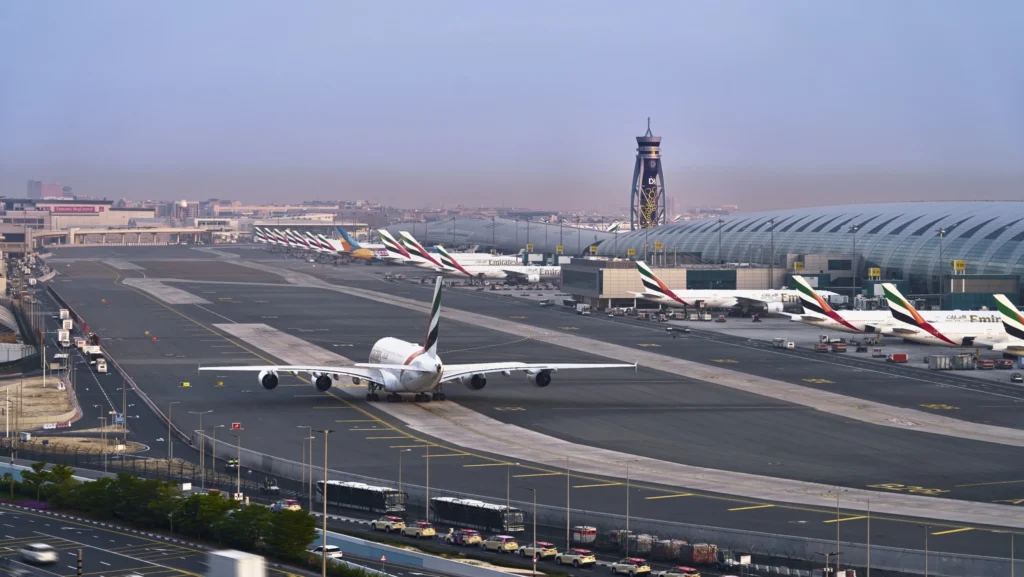
Drone Strike Forces Temporary Airspace Closure
The drone attack damaged a large fuel tank near the airport perimeter, prompting authorities to temporarily suspend flight operations at DXB while safety assessments were conducted.
Flights operated by Emirates and Flydubai were grounded during the disruption. However, operations resumed relatively quickly once officials determined that aircraft movements could safely restart.
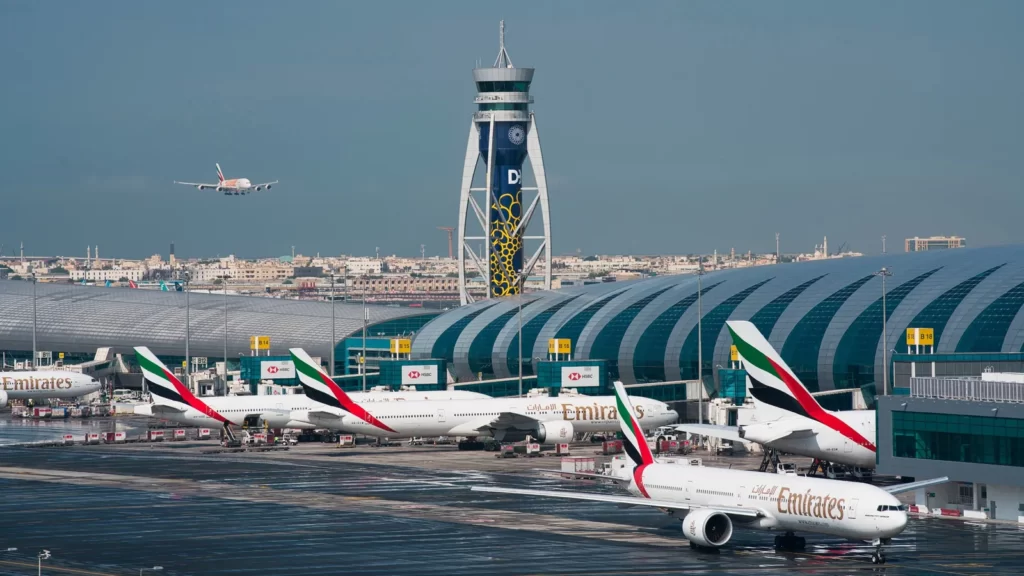
Images circulating online showed aircraft approaching Dubai International Airport while smoke from the fuel tank fire rose above the city skyline. The visual contrast highlighted how close the incident occurred to one of the world’s busiest international aviation hubs.
Dubai International Airport remains a major global transit gateway, handling tens of millions of international passengers each year.
Calls to Protect Aviation Workers and Passengers
Nelson emphasized the importance of protecting frontline aviation workers who continue operating flights during periods of instability.
She stated that aviation professionals across the region are maintaining airport operations, assisting passengers, and ensuring safe flight movements despite challenging circumstances.
However, she stressed that the responsibility for safety ultimately lies with governments and aviation authorities.
Nelson urged officials to maintain strict safety standards and avoid any operational decisions that could place passengers or crew members at risk.
She also warned that confidence in air travel depends heavily on visible safety protections and responsible oversight by regulators.
Government Ownership and Regional Aviation Structure
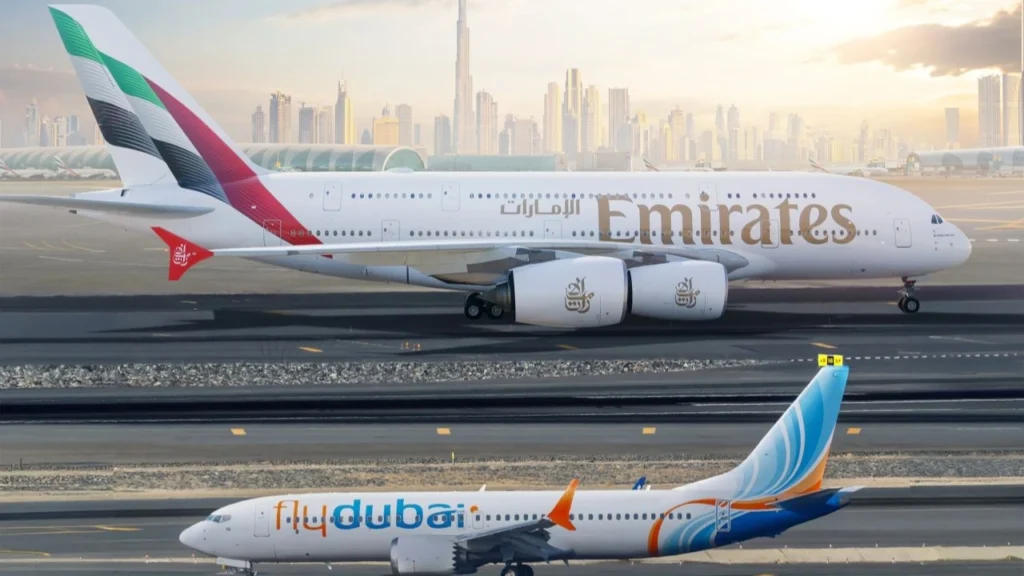
Dubai’s aviation sector operates under strong government involvement. Both Emirates (EK) and Flydubai (FZ) are owned by the Dubai government, while Etihad Airways (EY) is backed by a sovereign investment fund linked to the government of Abu Dhabi.
This structure means aviation safety decisions often intersect with national security and government policy.
Nelson noted that heightened regional tensions require governments to remain vigilant and transparent about aviation risk management.
Dubai Restricts Foreign Airline Operations
Following the drone incident and evolving security concerns, the Dubai Civil Aviation Authority announced a ban on foreign airlines operating flights to and from Dubai.
Despite the restriction, Emirates continues operating certain services through Dubai International Airport (DXB), with some flights making brief refueling stops at Dubai World Central Airport (DWC) before continuing to their destinations.
Ticket sales for connecting flights through Dubai are still active, although several governments have issued warnings.
Australia, for example, has advised its citizens not to book flights transiting the United Arab Emirates due to the elevated security risk and a current national travel advisory.
Aviation Safety and Confidence in Global Air Travel
Nelson warned that the safety of aviation workers and passengers is essential for maintaining global confidence in air travel.
She stressed that aviation safety decisions carry broader economic implications, as disruptions to major international hubs can impact global trade, tourism, and transportation networks.
Her message to governments across the region focused on preventing escalation and prioritizing diplomatic solutions to reduce threats to civil aviation.
Stay tuned with us. Further, follow us on social media for the latest updates.
Join us on Telegram Group for the Latest Aviation Updates. Subsequently, follow us on Google News
