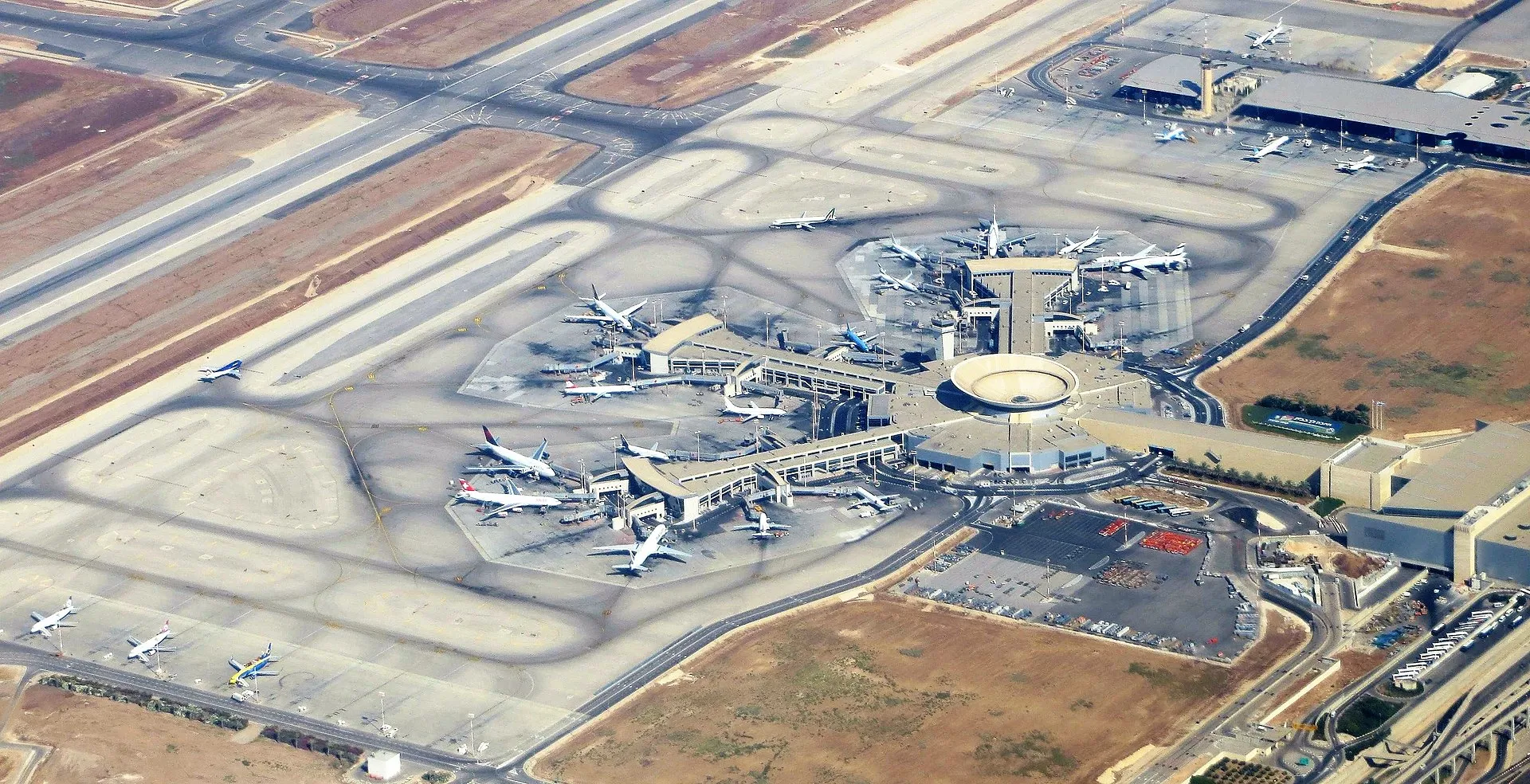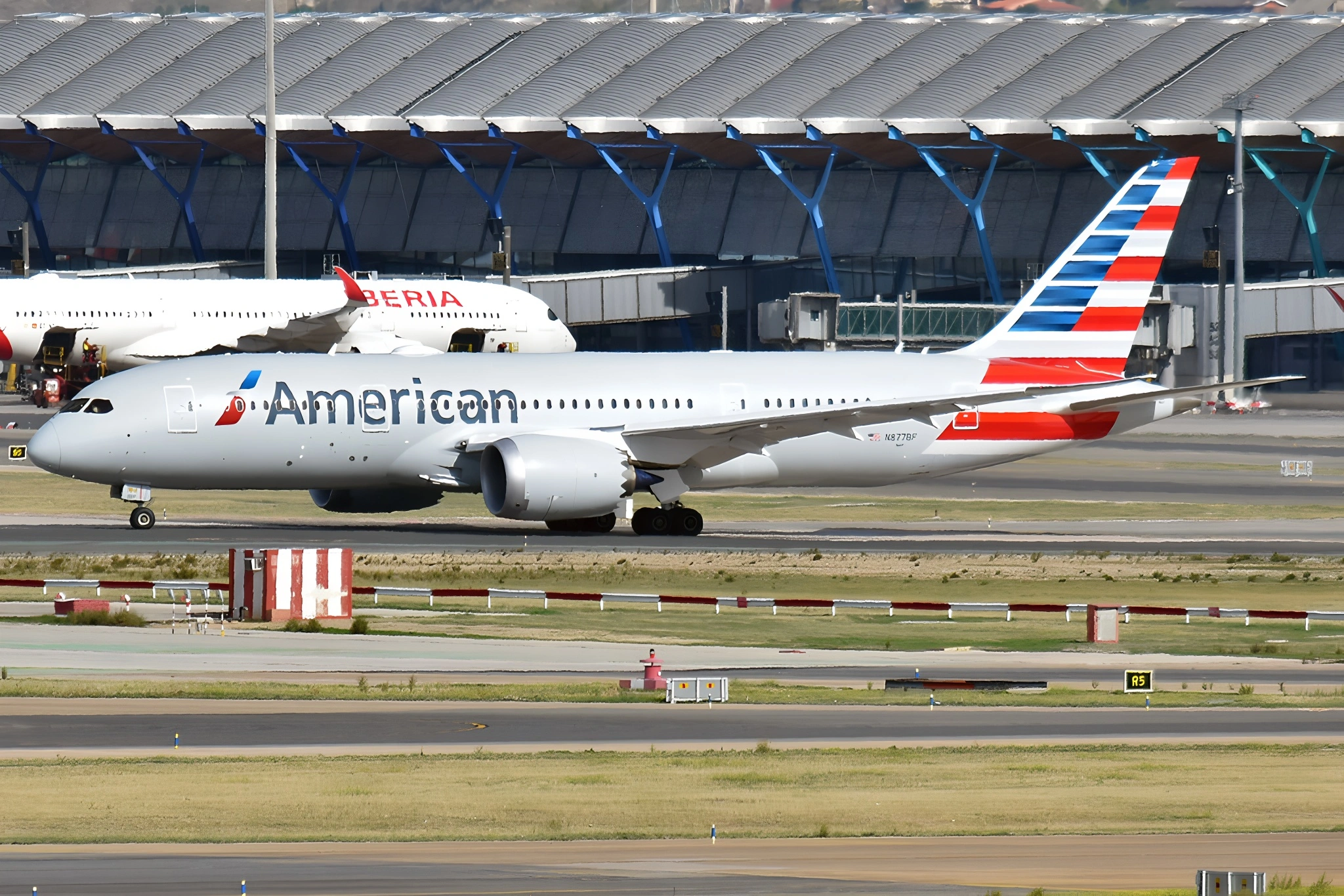
DOHA— American Airlines (AA) has extended the suspension of its Philadelphia International Airport (PHL) to Doha Hamad International Airport (DOH) service as escalating tensions in the Middle East continue to disrupt regional airspace and aviation operations.
The airline also delayed the restart of its New York John F. Kennedy International Airport (JFK) to Tel Aviv Ben Gurion Airport (TLV) route, citing ongoing safety concerns and operational challenges affecting flights across the region.
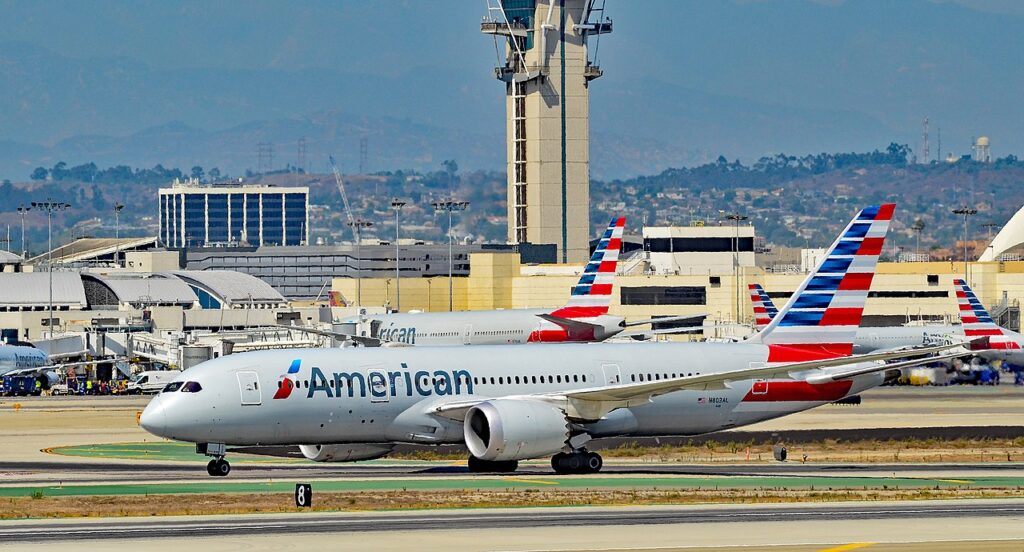
American’s Flight Suspensions to Doha
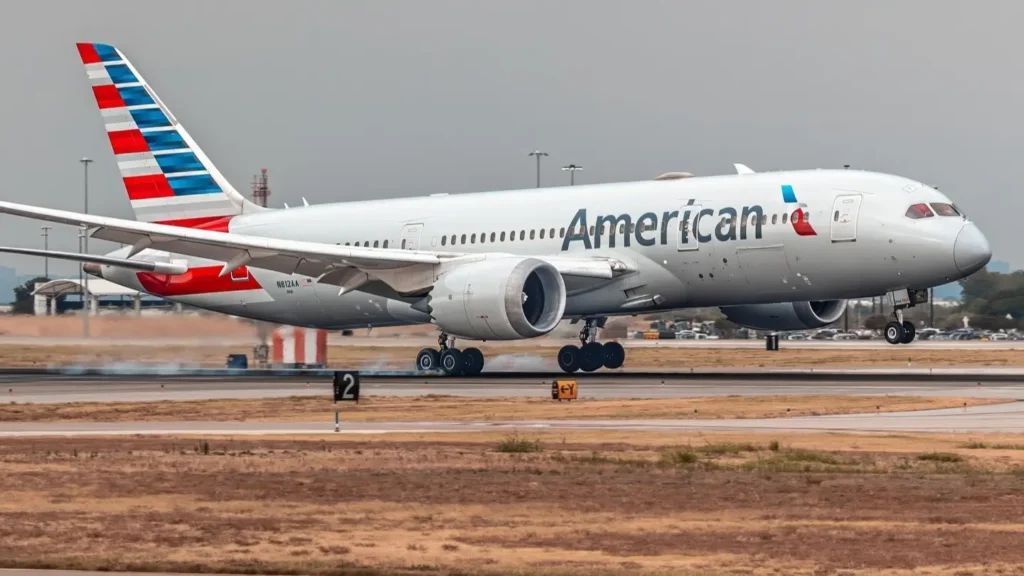
American Airlines operates a key long-haul route linking Philadelphia and Doha, connecting passengers to a major global hub through its partnership with Qatar Airways.
However, ongoing military tensions and airspace restrictions have forced the carrier to keep the route suspended.
The airline also delayed the relaunch of its New York to Tel Aviv service, a route that had already experienced multiple interruptions due to earlier regional conflicts.
American Airlines said affected passengers can rebook their travel without paying change fees. Travelers may also cancel their tickets and receive refunds if their travel plans are disrupted by the suspension.
According to View from the Wing, the airline added that it is working closely with partner carriers to help customers reach destinations in the Middle East through European gateway cities when possible.
American Airlines confirmed that its Philadelphia–Doha flights will remain suspended until May 7, 2026, while the resumption of its JFK–Tel Aviv service has been postponed until April 23, 2026.
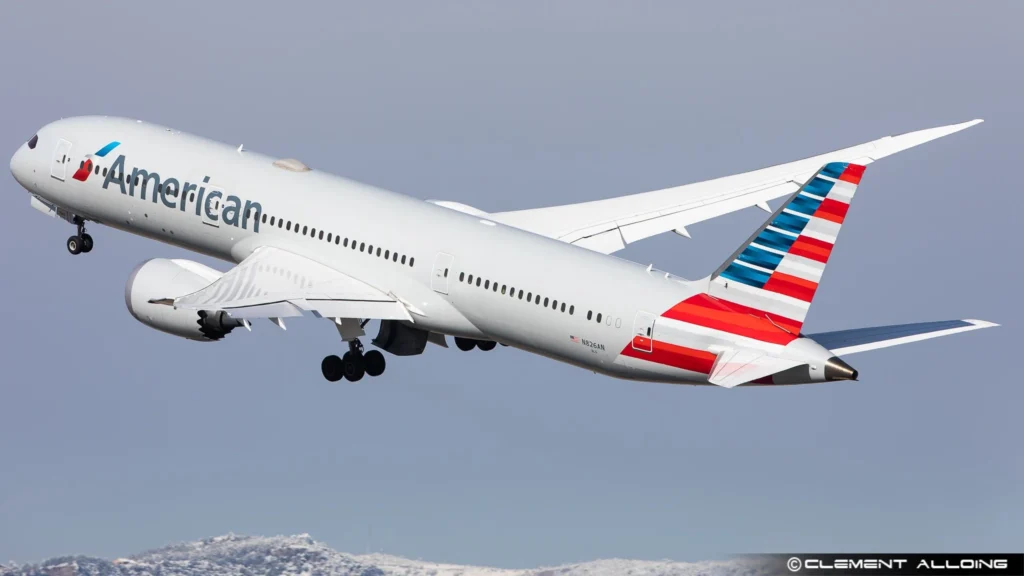
Airspace Restrictions due to the Iran War
The ongoing conflict has significantly reduced the amount of usable airspace for flights between North America, Europe, and the Gulf region.
European aviation safety authorities have temporarily restricted airline operations across several Middle Eastern countries, including Bahrain, Iran, Iraq, Israel, Jordan, Kuwait, Oman, Qatar, Saudi Arabia, and the United Arab Emirates.
At the same time, the U.S. Federal Aviation Administration has prohibited flights within the Tehran and Baghdad flight information regions and issued additional security advisories over parts of the Persian Gulf and Gulf of Oman.
These measures have forced airlines to avoid large portions of the region, leaving only narrow corridors for long-haul flights connecting Europe and North America with the Gulf.
Many aircraft are now rerouting either north via the Caucasus and Central Asia or south through Egypt, Saudi Arabia, and Oman to avoid restricted zones.
Aviation Industry Impact
The broader aviation industry has experienced major disruption as airlines cancel or reroute thousands of flights across the Middle East.
Major hubs such as Dubai, Doha, and Abu Dhabi have faced operational interruptions during periods of heightened conflict.
Airspace closures have forced airlines to adjust flight paths, increasing travel times and fuel costs for many long-haul services.
Rising geopolitical tensions have also affected global energy markets, pushing oil prices sharply higher during the conflict before easing following signals that the fighting may not last as long as initially expected.
Higher fuel prices create additional pressure for airlines worldwide, particularly low-cost carriers with limited hedging strategies against fuel volatility.
Stay tuned with us. Further, follow us on social media for the latest updates.
Join us on Telegram Group for the Latest Aviation Updates. Subsequently, follow us on Google News