

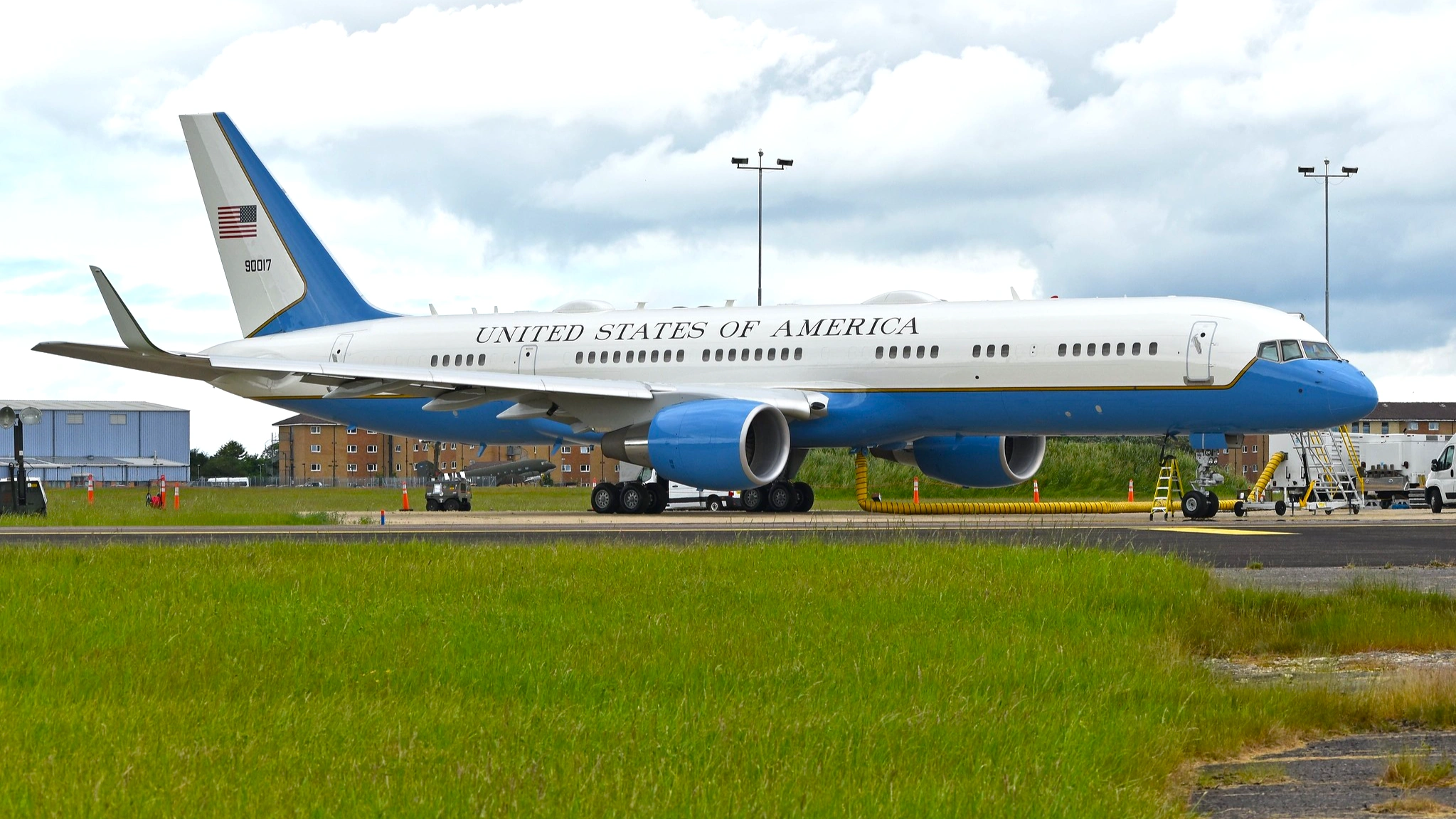
A U.S. Air Force (USAF) C-32A executive transport jet has emerged with a new red, white, and blue paint scheme tied to the modernization of Air Force One and other government aircraft.
The repaint marks the beginning of a broader fleet update that will gradually cover several executive airlift aircraft across U.S. government agencies.
US Air Force VIP Jets New Livery
C-32A aircraft serial 99-0003 was recently seen leaving Majors Airport in Greenville, Texas, following repainting work performed during scheduled maintenance at L3Harris’ modification facility. The aircraft used the callsign Vader 20 during its departure.
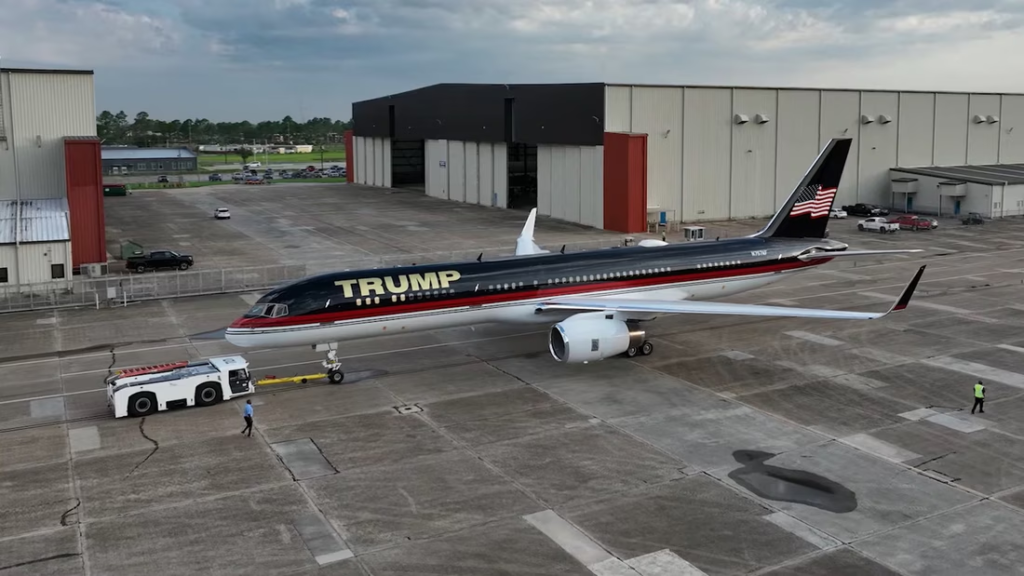
The jet now carries a white upper fuselage with dark blue lower paint separated by red and gold stripes. A large American flag appears on the tail, similar in style to that seen on President Donald Trump’s personal Boeing 757. The fuselage also carries the United States of America titles and standard U.S. military insignia.
Serial markings are less visible than before due to operational security policies introduced to reduce aircraft tracking exposure.
Aircraft tracking records show the jet arrived in Greenville in December wearing its previous blue and white paint scheme before being stripped and repainted earlier this year.
Role and Capability of the C-32A Fleet
The Air Force operates eight Boeing 757-based C-32A aircraft primarily used to transport the Vice President, senior government officials, and diplomatic delegations. When carrying the Vice President, the aircraft uses the callsign Air Force Two.
The aircraft offers intercontinental range, secure communications capability, and configurable cabin layouts supporting staff, security teams, and press members. Modern upgrades have added improved communications systems and refreshed cabin interiors.
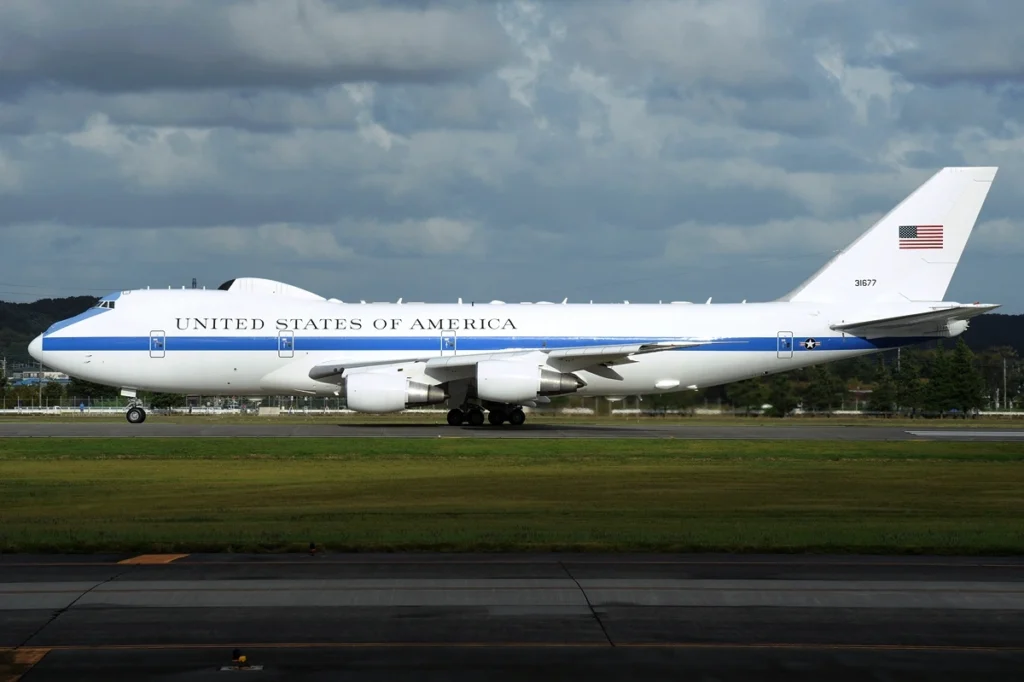
The Air Force also operates specialized C-32B aircraft for discreet personnel transport missions.
Fleetwide Repaint Plans Confirmed
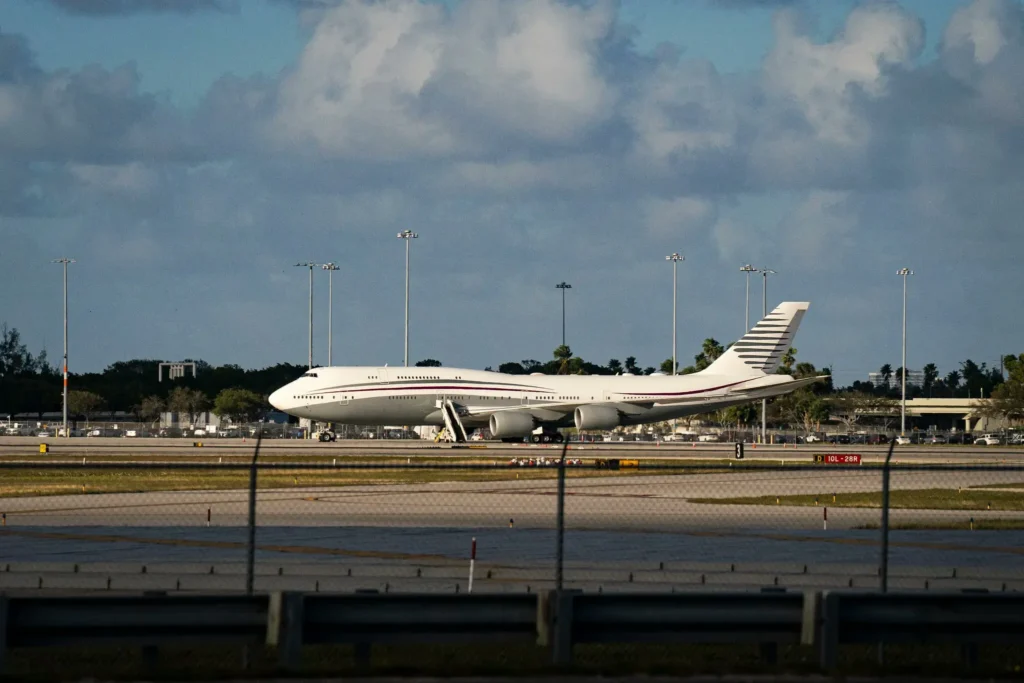
The U.S. Air Force confirmed that four C-32A aircraft will receive the new paint scheme during planned maintenance cycles. The future VC-25B Air Force One aircraft and a modified former Qatari Boeing 747-8i executive aircraft will also adopt the same colors.
Repainting is being timed with scheduled maintenance to avoid reducing fleet availability. Aircraft remain operational throughout the transition.
This marks the first major change to executive aircraft appearance since the Kennedy-era Air Force One design was introduced in the early 1960s.
Growing Use of Common Executive Fleet Appearance
The new livery is already appearing beyond the Air Force fleet. A Boeing 737 Business Jet associated with the Department of Homeland Security now carries similar paint.
The U.S. Coast Guard has also begun receiving new Gulfstream G700 Long Range Command and Control Aircraft in the same scheme. These aircraft transport senior homeland security officials and support continuity of government missions during national emergencies.
A consistent fleet appearance improves aircraft recognition while supporting modernization across agencies.
Replacement Challenges for Aging Aircraft
The Boeing 757 platform used by the C-32A ceased production in 2004, making long-term parts supply and maintenance more challenging as global airline fleets retire the type.
The Air Force has examined replacement strategies, including adopting a common aircraft platform to replace both C-32 and C-40 executive transport fleets, simplifying operations and maintenance.
Meanwhile, modernization continues with interior upgrades, communications improvements, and structural work extending aircraft service life.
Executive Airlift Modernization Accelerates
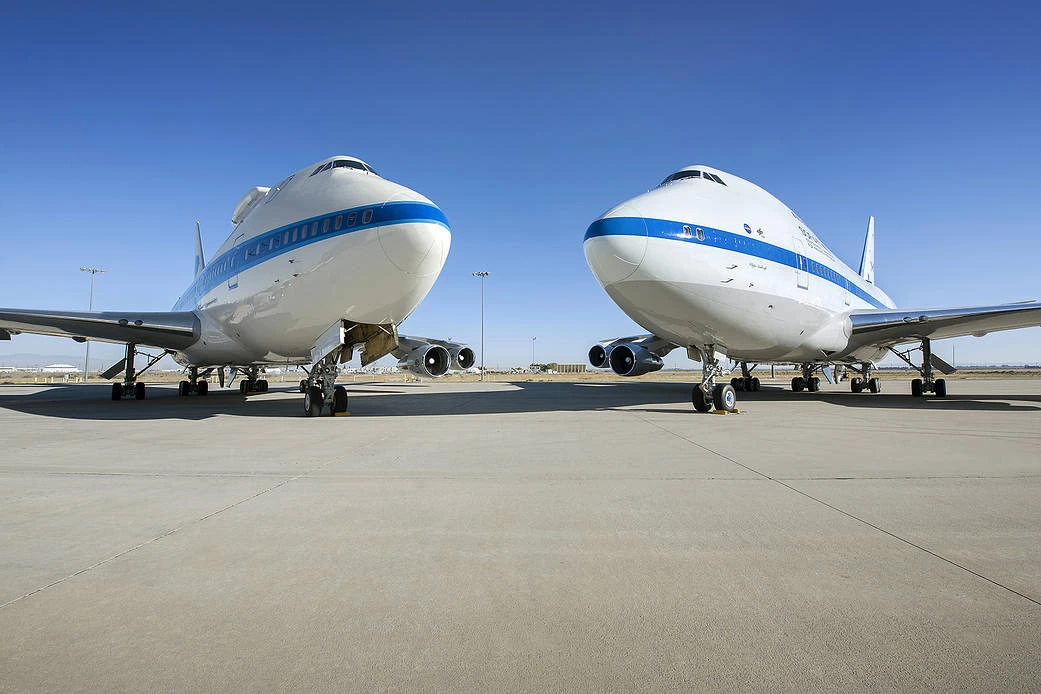
Modernization efforts include acquiring additional Boeing 747 aircraft to support training and spare parts supply for delayed VC-25B Air Force One replacements.
A modified former Qatari 747-8i is also being adapted as an interim executive aircraft, though experts continue to debate its suitability for long-term presidential use.
By the time the new Air Force One aircraft enters service, multiple executive aircraft across agencies are expected to share the same visual identity.
Sources and Credits
Information compiled from reporting and data by:
- The War Zone (TWZ)
- CBS News
- Inside Defense
- Public U.S. Air Force statements
- Aircraft tracking records
- Aviation spotter imagery including @tt_33_operator
Stay tuned with us. Further, follow us on social media for the latest updates.
Join us on Telegram Group for the Latest Aviation Updates. Subsequently, follow us on Google News
